How Much Should You Pay Someone for an Oil Change
The average cost for an oil change ranges from $35 to $75 for conventional oil and $65 to $125 for synthetic oil. Your final price depends on several factors including the type of oil your car needs, your vehicle model, and where you get the service done. This guide walks you through every cost factor so you can make an informed decision and avoid overpaying.
Every car owner faces the same question eventually. How much should you actually pay someone to change your oil? It seems simple, but the answer varies more than most people expect. The cost can swing from around $35 to over $125 depending on a handful of factors. Understanding those factors helps you make smart choices and avoid wasting money.
This guide breaks down everything you need to know about oil change costs. We cover oil types, service locations, hidden fees, and easy ways to save. Whether you drive a daily commuter or a family SUV, you will find practical advice here.
Key Takeaways
- Average Cost Range: Most drivers pay between $35 and $125 depending on oil type and service location.
- Oil Type Matters: Synthetic oil costs more than conventional but offers better engine protection.
- Location Affects Price: Dealerships typically charge more than independent shops and quick lube centers.
- You Can Save Money: Using coupons, DIY options, and negotiating can lower your oil change bill significantly.
- Don’t Skip It: Regular oil changes protect your engine and prevent costly repairs down the road.
- Check Your Manual: Your vehicle’s owner manual tells you the right oil type and change interval for your specific car.
📑 Table of Contents
- Why Oil Changes Cost What They Do
- Average Oil Change Costs by Oil Type
- Where to Get Your Oil Changed
- Hidden Costs to Watch Out For
- How to Save Money on Oil Changes
- What Happens After an Oil Change
- Common Mistakes People Make With Oil Changes
- Expert Insights on Oil Change Pricing
- Final Thoughts on Oil Change Costs
Why Oil Changes Cost What They Do
The price of an oil change service is not random. Several key components add up to the final number you see on the bill. Let us look at each one so nothing catches you off guard.
Type of Oil
This is the biggest cost driver. Conventional oil is the most affordable option. It works well for older vehicles and everyday driving. Synthetic oil costs more but provides superior protection. It flows better in cold weather and handles high temperatures more effectively.
There is also a middle ground. Synthetic blend oil mixes conventional and synthetic oils. It offers better performance than conventional oil at a lower price than full synthetic. Your vehicle’s owner manual will tell you which type your engine needs.
Oil Filter Replacement
Most oil change services include a new oil filter. This small part catches contaminants and keeps your engine clean. Some shops charge separately for the filter, while others bundle it into the service price. Always ask if the filter cost is included before you authorize the work.
Amount of Oil
Different engines hold different amounts of oil. A compact car might need only 4 quarts. A large truck could need 8 or more. More oil means a higher bill. This is especially true if your vehicle requires a specialty oil like high-mileage formula.
Labor and Service Fees
Labor costs vary widely depending on where you go. Quick lube shops keep their overhead low and pass savings to you. Dealerships have higher operating costs, which shows up in their pricing. Independent mechanics often fall somewhere in between.
Average Oil Change Costs by Oil Type
Understanding the different oil types helps you pick the right option for your budget and your car. Here is a clear breakdown of what you can expect to pay.
Conventional Oil Change
A conventional oil change is the most budget-friendly choice. You can typically expect to pay between $35 and $55. This type of oil works well for older vehicles with simpler engine designs. If your car has low to moderate mileage and you follow a regular maintenance schedule, conventional oil gets the job done.
Most drivers change conventional oil every 3,000 to 5,000 miles. This is the traditional interval that many people still follow. Newer vehicles may have different recommendations, so always check your manual first.
Synthetic Blend Oil Change
Synthetic blend oil sits between conventional and full synthetic. The price usually falls between $50 and $80. This option gives you better protection than conventional oil without the full synthetic price tag.
Many modern vehicles benefit from synthetic blend oil. It offers improved lubrication and better performance in extreme temperatures. If you drive in very hot or very cold climates, this could be a smart middle-ground choice.
Full Synthetic Oil Change
Full synthetic oil provides the best engine protection available. The cost ranges from $65 to $125. Premium vehicles and high-performance engines often require this type of oil. Synthetic oil also lasts longer, meaning you can go further between changes.
Many newer cars come with synthetic oil from the factory. If your vehicle has a turbocharged engine or sits in a garage for long periods, synthetic oil is an excellent investment. It resists breakdown better than other oil types.
| Oil Type | Average Cost | Change Interval | Best For |
|---|---|---|---|
| Conventional | $35 – $55 | 3,000 – 5,000 miles | Older vehicles, budget-conscious drivers |
| Synthetic Blend | $50 – $80 | 5,000 – 7,500 miles | Moderate climates, daily drivers |
| Full Synthetic | $65 – $125 | 7,500 – 10,000 miles | New vehicles, high-performance engines |
Where to Get Your Oil Changed
Where you choose to get your oil changed has a big impact on the final price. Each option has pros and cons. Let us compare the most common choices.
Dealerships
Dealerships offer convenience, especially if your car is still under warranty. They use factory-approved parts and employ trained technicians who know your specific vehicle. However, dealerships are usually more expensive for oil changes compared to other options.
Expect to pay $80 to $150 at a dealership for a synthetic oil change. The higher price reflects the brand name and specialized service. If you have a new car under warranty, going to the dealership might be worth the extra cost for peace of mind.
Quick Lube Shops
Quick lube centers like Jiffy Lube or Valvoline focus on speed and convenience. An oil change there typically takes 15 to 30 minutes. Prices are competitive, usually ranging from $40 to $70.
These shops handle high volumes, so the service is efficient. Many offer loyalty programs and oil change coupons that can save you money over time. The trade-off is that they may not provide as thorough an inspection as a full-service mechanic.
Independent Mechanics
Independent shops often provide the best value. You get quality service at a fair price. Many independent mechanics build long-term relationships with their customers and offer personalized attention.
Prices at independent shops typically range from $35 to $75. You can also negotiate the price in some cases. If you find a trusted mechanic, sticking with them can save you money on all your car maintenance needs.
DIY Oil Change
Changing your own oil is the cheapest option. You will need to buy oil, a filter, a drain pan, and a few basic tools. The oil itself costs $20 to $50 depending on the type. A new filter adds another $5 to $15.
DIY oil changes save you the labor cost entirely. But they require time, effort, and proper disposal of used oil. Many auto parts stores accept used oil for recycling for free. If you are handy and enjoy working on your car, this is a great way to save.
Hidden Costs to Watch Out For
Not all oil change quotes are created equal. Some shops add extra charges that are not obvious upfront. Knowing what to look for helps you avoid surprise bills.
Upcharge for Premium Oil
Some shops charge extra if you want synthetic oil instead of conventional. Always confirm the oil type and price before the service begins. This is an easy way to prevent sticker shock at the counter.
Additional Fluids Check
Many shops offer to check or top off other fluids like coolant, brake fluid, and transmission fluid. Some include this for free. Others charge $10 to $30 per fluid. Ask what is included in the base price before they start adding services.
Inspection Fees
Some locations charge a small inspection fee. This covers a basic check of your vehicle’s lights, tires, and belts. It is usually a small charge, but it is worth knowing about ahead of time.
Environmental Fees
A few shops add an environmental disposal fee for used oil. This is usually a dollar or two. It is a legitimate charge, but it should be disclosed before you pay.
How to Save Money on Oil Changes
Saving money on your next oil change is easier than you might think. A few smart strategies can cut your costs significantly without sacrificing quality.
Use Coupons and Promotions
Most oil change chains run regular promotions. Check their websites or sign up for email newsletters. Many shops offer discounts for first-time customers or loyalty members. A quick online search for oil change coupons near you can save $10 to $20 per visit.
Negotiate the Price
Many people do not realize that oil change prices are negotiable. This is especially true at independent shops. You can ask for a discount or check if they price match a competitor’s offer. Negotiating the price of an oil change is a common practice and most shops are willing to work with you.
Follow Your Manual
Your vehicle’s owner manual has a recommended oil change interval. Following it prevents unnecessary services. Some shops recommend more frequent changes than your manual suggests. Trust the manufacturer’s guidelines for your specific vehicle.
Buy Your Own Oil and Filter
Some shops will let you bring your own oil and filter. This can save you the shop’s markup on parts. Call ahead to confirm their policy. You still pay for labor, but the parts savings add up over time.
Stick to a Regular Schedule
Regular maintenance keeps your car healthy and prevents expensive repairs later. But you do not need to change your oil more often than necessary. Find the right interval for your driving habits and stick with it.
What Happens After an Oil Change
Once your oil change is complete, there are a few things to keep in mind. Proper post-service care ensures everything works as it should.
Most modern vehicles have an oil life monitoring system that tracks your oil condition. After an oil change, you may need to reset this system. The process varies by vehicle, but it is usually simple. If you are unsure, ask the technician to show you how to reset after an oil change.
Keep your receipt and note the date and mileage of the service. This helps you track your maintenance history and know when your next change is due. Some shops also place a sticker on your windshield with this information.
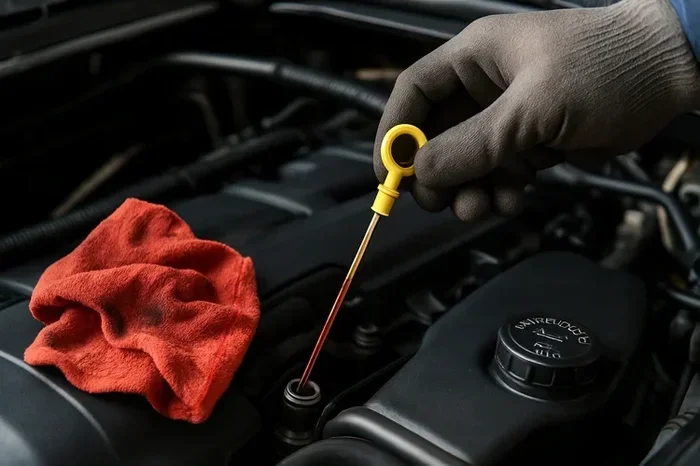
It is also a good idea to check your oil level a week after the service. This confirms everything was filled correctly and there are no leaks. You can tell if your car is low on oil by checking the dipstick. Make it a quick habit to stay on top of your engine health.
Common Mistakes People Make With Oil Changes
Avoiding common mistakes saves you money and protects your engine. Here are the most frequent errors drivers make.
- Skipping oil changes: Old oil loses its effectiveness. Skipping changes leads to engine wear and potential costly repairs.
- Using the wrong oil type: Not every car needs synthetic oil. Using the wrong type can reduce engine performance and void warranties.
- Ignoring the oil filter: A clogged filter restricts oil flow. Always replace the filter with every oil change.
- Overfilling the oil: Too much oil can cause engine damage. Always verify the level after the service is complete.
- Choosing the cheapest option every time: The lowest price does not always mean the best service. Look for quality and reputation alongside the price.
Expert Insights on Oil Change Pricing
Automotive experts agree that regular oil changes are one of the most important things you can do for your vehicle. According to industry data, the average driver spends $100 to $200 per year on oil changes. This small investment pays off by extending engine life and preventing major repairs.
Many mechanics recommend finding a trusted shop and sticking with them. Building a relationship with your mechanic often leads to better service and fair pricing over time. Do not be afraid to ask questions about the oil type, filter quality, and any additional services being performed.
For vehicles that sit idle for long periods or endure extreme conditions, more frequent oil changes may be necessary. Stop-and-go city driving, towing, and extreme temperatures all stress the engine. Adjust your maintenance schedule based on your actual driving conditions rather than just mileage numbers.
Some car manufacturers have extended their recommended oil change intervals significantly. Certain models now suggest changes every 10,000 miles or more. This is where the debate about whether you really need to change synthetic oil every 6 months comes into play. The answer depends on your driving habits and the oil type your vehicle uses.
Final Thoughts on Oil Change Costs
The cost of an oil change varies, but understanding what drives the price puts you in control. You now know the differences between oil types, the pros and cons of each service location, and the hidden costs to watch for. You also have practical strategies to save money without sacrificing quality.
The most important takeaway is this: do not skip or delay your oil changes. Fresh oil keeps your engine running smoothly and prevents expensive damage. Whether you choose a dealership, quick lube, independent shop, or DIY route, staying consistent with your maintenance schedule is what matters most.
Take a few minutes to check your owner manual. Find out what oil type your vehicle needs and what interval your manufacturer recommends. Then choose a service provider you trust and book your next oil change with confidence. Your engine will thank you for it.
Frequently Asked Questions
How much does a basic oil change cost?
A basic oil change with conventional oil typically costs between $35 and $55. The exact price depends on your location, the shop you choose, and the amount of oil your vehicle needs. Quick lube shops often offer the most competitive prices for standard oil changes.
Is it worth paying more for synthetic oil?
Yes, for most modern vehicles. Synthetic oil provides better protection, flows more smoothly in cold weather, and lasts longer between changes. It costs more upfront but can save you money over time by extending your oil change interval and protecting your engine better.
Can I negotiate the price of an oil change?
Absolutely. Many shops, especially independent mechanics, are open to negotiation. You can also ask about discounts for first-time customers, loyalty programs, or price matching. It never hurts to ask, and you may be surprised how willing shops are to work with you on pricing.
How often should I really get an oil change?
It depends on your vehicle and the type of oil you use. Conventional oil typically needs changing every 3,000 to 5,000 miles. Full synthetic oil can last 7,500 to 10,000 miles. Always refer to your vehicle’s owner manual for the manufacturer’s specific recommendation.
Are dealerships more expensive for oil changes?
Generally yes. Dealerships charge more for oil changes because of their higher operating costs and specialized service environment. However, if your car is still under warranty, going to the dealership ensures they use approved parts and maintain your warranty coverage. For out-of-warranty vehicles, independent shops and quick lubes usually offer better value.
What should I do after an oil change?
After an oil change, check your oil level after a week to make sure everything was filled correctly. Reset your oil life monitoring system if your vehicle has one, and keep your receipt for your maintenance records. Also, listen for any unusual sounds from your engine during the first few drives after the service.