Can You Still Drive a Car if the Key Fob Battery Dies
Yes, you can often still drive a car if the key fob battery dies. Most modern vehicles with push-button start have backup methods to get you going. Knowing how to start your car with a dead key fob can save you time, money, and a lot of frustration. This guide covers every method, from emergency key slots to sensor tricks that work in a pinch.
You are heading out the door, coffee in hand, keys in pocket. You press the button on your key fob, and nothing happens. No lights. No engine roar. Just silence. Can you drive a car if the key fob battery dies? The short answer is yes. The slightly longer answer is that it depends on your car model, but there is almost always a way to get going. In this article, we will walk you through every scenario, every backup method, and every tip you need to handle this situation like a pro.
Modern cars rely heavily on electronic systems. Your key fob communicates with the car’s computer through a small radio signal. When that signal breaks because the battery is dead, it can feel like your car has betrayed you. But car manufacturers know this happens. That is why almost every vehicle with a push button start system includes a backup method. Understanding how these systems work will give you confidence the next time your key fob not working situation hits.
Key Takeaways
- You can drive with a dead key fob: Most cars have backup start methods built in.
- Check for a physical key slot: Many vehicles hide a traditional key slot under the steering column or center console.
- Replace the battery easily: A CR2032 battery costs under $5 and takes seconds to swap.
- Signal range matters: Your key fob can lose connection if it is too far from the car.
- Preventive steps save headaches: Replace your key fob battery every 1 to 2 years.
- Know your car model: Different brands use different backup start methods.
📑 Table of Contents
- What Happens When Your Key Fob Battery Dies?
- Can You Still Start Your Car With a Dead Key Fob?
- How to Replace Your Key Fob Battery
- Common Key Fob Battery Problems and Solutions
- Tips to Avoid Getting Stranded With a Dead Key Fob
- When to Replace Your Entire Key Fob
- Expert Insights on Driving With a Dead Key Fob
- Key Takeaways
- Conclusion
What Happens When Your Key Fob Battery Dies?
Before we answer whether you can still drive, let us understand what is actually happening inside your car when the key fob battery dies. Your key fob contains a small transmitter that sends a coded signal to your vehicle. The car’s computer reads this signal and verifies that the correct fob is nearby. Once verified, the car ignition system allows you to start the engine.
When the battery dies, that communication breaks. The car can no longer detect the fob. Most vehicles will display a warning on the dashboard. You might see a message like “Key Not Detected” or a flashing red light near the start button. These key fob troubleshooting signs are your car telling you exactly what is wrong.
Common Symptoms of a Dead Key Fob Battery
- The push-button start does not respond when you press it.
- The dashboard displays a warning about the key fob or smart key.
- The doors may not lock or unlock remotely.
- The key fob range shrinks significantly before dying completely.
- The fob feels less responsive or requires multiple presses.
These symptoms usually appear gradually. Your key fob signal weakens over days or weeks before it stops working entirely. This gives you time to prepare. If you notice any of these signs, it is a good idea to replace the battery right away.
Can You Still Start Your Car With a Dead Key Fob?
Here is the part you have been waiting for. Can you drive a car if the key fob battery dies? Yes, in most cases you can. Automakers have built redundancy into their vehicle immobilizer systems for exactly this reason. The car needs to verify that the correct key is present, but it does not always require a working battery in the fob to do so.
The method you use depends on your car’s make and model. Below are the most common backup start methods found across different vehicle brands.
Method 1: The Hidden Key Slot
Many cars with push button start systems include a physical key slot as a backup. This slot is often hidden under a small cover near the steering column, center console, or cup holder area. You need to remove a small plastic cover to reveal it. Then you insert the physical emergency key that came with your key fob set.
To use this method, follow these steps:
- Locate the emergency key inside your key fob. It usually slides out from the side.
- Find the hidden key slot on your car. Check your owner’s manual if you are unsure.
- Insert the key and turn it to the “On” or “Accessory” position.
- Press the push-button start as you normally would.
- The car should recognize the physical key and allow the engine to start.
This method works on many Toyota, Honda, Ford, and Nissan models. The key slot bypasses the wireless signal entirely. It uses a direct mechanical connection to start the car.
Method 2: Hold the Fob Against the Start Button
Some vehicles, especially newer ones, allow you to place the dead key fob directly against the push button start. The car has a backup antenna built into the start button area. When you press the fob against it, the car can still read the fob’s internal chip, even without a working battery.
This method works well for many BMW, Mercedes-Benz, and Lincoln models. The trick is to press the fob firmly against the button and then press the start button. The car reads the chip inside the fob, not the battery signal. So even with a completely dead battery, the car can verify that the correct fob is present.
Method 3: Place the Fob on the Wireless Charging Pad
If your car has a wireless charging pad or a designated fob resting spot on the center console, try placing the dead fob there. Some vehicles have a secondary antenna in these areas. The key fob can communicate through the fob casing even when the battery is dead. This is a less commonly known but very useful trick.
Check your owner’s manual for the exact location. Different brands place this backup antenna in different spots. Some cars have it under the dashboard on the driver’s side. Others hide it in the center armrest.
Method 4: Use the Manufacturer’s Mobile App
Many modern cars come with a smartphone app that can unlock and start the vehicle remotely. Apps like Toyota Remote Connect, FordPass, and BMW Digital Key use your phone’s Bluetooth or cellular connection instead of the key fob. If your key fob battery dies, your phone might be your best backup.
Make sure you set up these apps before you need them. They work best when you have already linked your phone to the car’s system. This method is especially helpful if you left your fob at home or the battery died unexpectedly.
How to Replace Your Key Fob Battery
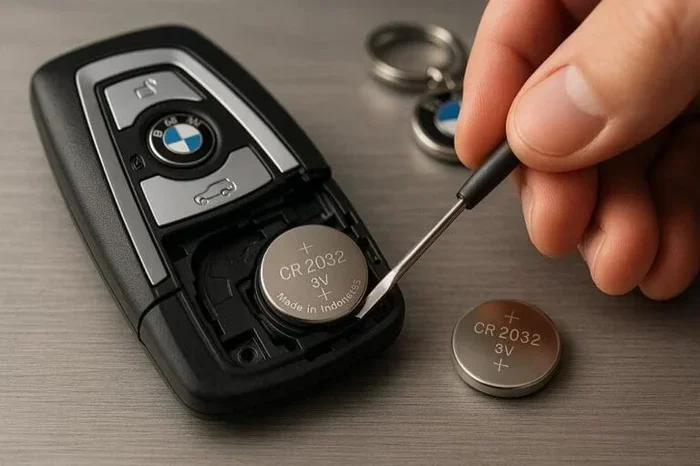
The best way to avoid the stress of a dead key fob battery is to replace it proactively. Most key fobs use a common CR2032 battery, which you can find at any grocery store, pharmacy, or gas station for about $3 to $5. The replacement process is simple and takes less than a minute.
Step-by-Step Key Fob Battery Replacement
- Find the small seam or notch on the back of your key fob.
- Use a small flathead screwdriver or a coin to gently pry open the fob case.
- Remove the old battery. Note which side faces up.
- Insert the new CR2032 battery with the positive side facing up.
- Snap the fob case back together until it clicks.
- Test the fob by pressing a button near your car.
After replacing the battery, you may need to reprogram the fob in some car models. Most of the time, the fob will work immediately without any programming. But if your key fob not working problem persists after a battery swap, you may need to reprogram it. Check your owner’s manual for specific instructions.
Which Battery Type Does Your Car Use?
While the CR2032 is the most common, some vehicles use different battery types. Here is a quick comparison of the most popular key fob battery types:
| Battery Type | Common In | Approximate Cost |
|---|---|---|
| CR2032 | Toyota, Honda, Ford, most common models | $3 – $5 |
| CR2025 | Some Hyundai, Kia models | $3 – $5 |
| CR2016 | Some older BMW, Mercedes models | $3 – $5 |
| SR44 | Some older European vehicles | $2 – $4 |
Always check your owner’s manual before purchasing a replacement battery. Using the wrong type can damage your fob or prevent it from working properly.
Common Key Fob Battery Problems and Solutions
Even after replacing the battery, some people still experience issues with their key fob. Understanding these common problems can save you a trip to the dealership.
Problem: The New Battery Does Not Fix the Issue
If you installed a new battery and your key fob still does not work, the problem might not be the battery itself. The fob could have been damaged by moisture, heat, or a drop. In some cases, the internal contacts have corroded or bent. Try opening the fob and checking for any visible damage. You can also test the battery with a multimeter to confirm it has the right voltage.
Problem: The Car Does Not Detect the Fob After Battery Replacement
Sometimes replacing the battery resets the fob’s connection to the car. You may need to re-sync the fob. The process varies by brand. For most Toyota and Honda models, you sit in the car with the door closed, press the start button with the fob, and follow a specific sequence of button presses. Your owner’s manual will have the exact re-sync steps.
Problem: The Fob Works Intermittently
If your key fob works sometimes but not others, the battery might be low but not completely dead. This is a common sign that you need to replace the battery soon. Intermittent issues can also be caused by a weak signal from the car’s antenna. Moving closer to the car when trying to start it can help bridge the gap until you replace the battery.
Tips to Avoid Getting Stranded With a Dead Key Fob
Prevention is always better than cure. Here are some practical steps to keep your key fob working reliably and avoid getting stranded.
Replace the Battery Every 1 to 2 Years
Set a reminder on your phone to replace your key fob battery every 12 to 18 months. This simple habit prevents surprise failures. Most fob batteries last between one and two years depending on usage and signal strength.
Keep a Spare Fob in Your Car
If you have a second key fob, keep it in your glove box. If your primary fob dies, the spare can get you home or to a shop. Some people also keep a spare CR2032 battery in their glove box for emergencies.
Store Your Fob Away from Electronics
Your key fob signal can be disrupted by other electronic devices. Keep your fob away from your phone, laptop, or other wireless devices when not in use. This helps preserve battery life and signal strength.
Watch for Early Warning Signs
As mentioned earlier, a weakening fob battery gives you warning signs. If you notice you need to press the button multiple times or stand closer to the car to unlock it, replace the battery immediately. Catching the problem early keeps you from getting stuck.
Learn Your Car’s Backup Methods
Take five minutes to read your owner’s manual and learn your car’s backup start method. Know where the hidden key slot is. Know where to place the fob if the battery dies. This knowledge will save you in an emergency.
When to Replace Your Entire Key Fob
Sometimes replacing the battery is not enough. If your key fob is physically damaged, the buttons are worn out, or the internal electronics have failed, you may need a complete replacement. A new key fob can cost anywhere from $50 to $400 depending on your car brand and model.
Some signs that you need a full replacement include:
- The fob casing is cracked or broken.
- Buttons are worn down and do not click properly.
- The fob has been dropped in water or exposed to extreme heat.
- No amount of battery changes fixes the problem.
- The car’s computer does not recognize the fob even after reprogramming.
You can order a replacement fob from your car dealer, an auto parts store, or online. Some locksmiths also offer fob programming services. If you go the aftermarket route, make sure the fob is compatible with your specific car model and year.
Expert Insights on Driving With a Dead Key Fob
Automotive experts agree that understanding your key fob system is one of the most overlooked parts of car ownership. Many drivers assume a dead fob means a dead car. That is simply not true. Modern vehicles are designed with multiple layers of redundancy to handle this exact scenario.
According to automotive technicians, the most common mistake drivers make is panicking. When the key fob battery dies, they assume the car will not start at all. In reality, most vehicles have at least two or three backup methods built in. The key is knowing what those methods are before you need them.
Another expert tip is to always carry your physical emergency key separately from your key fob. Many people keep the fob and the emergency key as one unit. If the fob dies and the emergency key is inside it, you are stuck. Keeping a separate key or knowing where the hidden slot is can make all the difference.
Finally, experts recommend keeping a log of when you last replaced your key fob battery. This simple record-keeping habit ensures you never go past the recommended replacement interval and end up with an unexpected failure.
Key Takeaways
- You can drive with a dead key fob: Most cars have backup start methods built in.
- Check for a physical key slot: Many vehicles hide a traditional key slot under the steering column or center console.
- Replace the battery easily: A CR2032 battery costs under $5 and takes seconds to swap.
- Signal range matters: Your key fob can lose connection if it is too far from the car.
- Preventive steps save headaches: Replace your key fob battery every 1 to 2 years.
- Know your car model: Different brands use different backup start methods.
Conclusion
The answer to the question “Can you drive a car if the key fob battery dies?” is a clear and reassuring yes. Your vehicle was designed to handle this situation. Whether you use a hidden key slot, place the fob against the start button, or rely on a backup antenna location, you have options. The key is knowing what those options are before you find yourself standing in your driveway with a dead fob and a clock ticking.
Taking a few minutes to learn your car’s backup methods, keeping a spare battery on hand, and replacing your key fob battery on a regular schedule will keep you driving with confidence. Do not wait for the problem to happen. Prepare now, and you will never have to worry about a dead key fob keeping you from where you need to go.
Share this article with friends and family who drive modern vehicles with push button start systems. Knowledge about key fob battery replacement and backup start methods is one of the simplest yet most valuable pieces of car maintenance anyone can have. Stay prepared, stay informed, and keep driving.
Frequently Asked Questions
What type of battery does a key fob use?
Most key fobs use a CR2032 battery, which is a small, round, coin-shaped battery. Some models use CR2025 or CR2016 batteries. Check your owner’s manual or look at the old battery to confirm the correct type before purchasing a replacement.
Can I start my car with a completely dead key fob?
Yes, in most cases you can. Modern vehicles with push button start systems include backup methods such as a hidden key slot, a backup antenna near the start button, or a smartphone app. Place the dead fob directly against the start button or use the physical emergency key to get your car running.
How long does a key fob battery last?
A key fob battery typically lasts between one and two years. The lifespan depends on how often you use the fob, the signal strength of your vehicle, and the quality of the battery. If you notice reduced range or weak response, it is time to replace the battery.
Where is the hidden key slot on my car?
The hidden key slot location varies by car brand and model. It is commonly found under a small cover on the steering column, inside the center console, or near the cup holder area. Check your owner’s manual for the exact location on your specific vehicle.
What should I do if replacing the key fob battery does not fix the problem?
If a new battery does not solve the issue, try re-syncing the fob with your car. The re-sync process varies by brand and is usually found in your owner’s manual. If the fob still does not work, the internal electronics may be damaged, and you may need to replace the entire key fob or consult a professional locksmith.
Is it safe to drive with a dead key fob battery?
Yes, it is generally safe. Your car’s engine will run normally once started. However, you may lose remote lock and unlock features while driving. Keep your physical emergency key accessible and plan to replace the fob battery as soon as possible to restore full functionality.