Do Hybrid Cars Wear Out Tires Faster Than Regular Cars
Do hybrid cars wear out tires faster? The short answer is yes, often they do. Hybrid vehicles are heavier than regular cars due to their batteries and motors, which puts extra stress on tire tread life. Add in instant torque and regenerative braking, and you have a recipe for faster tire wear. But with the right hybrid car tires and simple maintenance, you can significantly slow this down.
Have you ever wondered if owning a hybrid car means visiting the tire shop more often? It is a fair question. Many drivers notice their tires seem to go flat or wear down faster after switching to a hybrid vehicle. But is it really true? Does the combination of a gas engine and an electric motor do a number on your tire tread?
The truth is more nuanced than a simple yes or no. Hybrid cars do put unique demands on tires. The extra weight from the battery pack, the instant torque from the electric motor, and the way regenerative braking works all play a role. But here is the good news. With the right tires and a little know-how, you can keep your hybrid car tires lasting a long time.
In this article, we will break down exactly why hybrid cars wear tires differently. We will look at what causes the extra wear, which tires work best, and how you can make them last longer. Whether you drive a hybrid sedan or a hybrid SUV, this guide has something for you.
Key Takeaways
- Hybrid cars weigh more: The battery pack adds weight, which increases friction and wears tires faster.
- Regenerative braking helps but doesn’t eliminate wear: While it reduces brake pad usage, tires still take a hit during deceleration.
- Low rolling resistance tires are a must: These tires are designed for hybrid vehicles and help improve fuel efficiency.
- Tire rotation matters more for hybrids: Regular rotation every 5,000 to 6,000 miles can even out wear patterns.
- Instant torque is tough on tires: The electric motor delivers power instantly, which can wear the front tires quickly.
- Proper tire pressure is critical: Underinflated tires wear out faster and reduce fuel economy.
- You can extend tire life: With smart choices and routine care, hybrid tires can last nearly as long as regular car tires.
📑 Table of Contents
- Why Hybrid Cars Put Different Stress on Tires
- How Regenerative Braking Affects Tire Wear
- The Best Tires for Hybrid Cars
- Common Tire Wear Patterns in Hybrid Vehicles
- How to Make Hybrid Tires Last Longer
- Hybrid Tire Costs Compared to Regular Cars
- The Role of Tire Pressure in Hybrid Vehicles
- How Driving Style Affects Hybrid Tire Wear
- Environmental Impact of Hybrid Tire Choices
- Final Thoughts on Hybrid Tire Care
Why Hybrid Cars Put Different Stress on Tires
Hybrid cars are not the same as traditional gas-powered vehicles. They have unique features that affect every part of the car, including the tires. Understanding these differences is the first step to keeping your tires in great shape.
The Weight Factor
One of the biggest reasons hybrid vehicles wear out tires faster is their weight. A hybrid car carries a heavy battery pack on top of the regular car weight. This extra mass means more force pushing down on each tire. More force equals more friction. More friction equals faster wear.
For example, a regular Honda Civic weighs around 3,000 pounds. A Honda Accord Hybrid can weigh over 3,600 pounds. That is a 600-pound difference, and all that extra weight sits on your tires. Over thousands of miles, this adds up fast.
Here is what extra weight does to your tires:
- Increases rolling resistance, which makes the tires work harder
- Generates more heat, which breaks down the rubber faster
- Creates more friction on the road surface
- Reduces overall tire life by thousands of miles in some cases
If you have ever carried heavy luggage on a road trip, you know the car feels different. The same principle applies to hybrid cars every single day.
Instant Torque and Tire Grip
Electric motors deliver instant torque. This means when you press the accelerator, the power hits the wheels immediately. In a gas car, the engine needs to rev up first. In a hybrid, the electric motor is ready to go instantly.
This instant power can be tough on tires. The sudden force spins the tires harder, especially during takeoff. Over time, this can cause the front tires to wear unevenly. Many hybrid owners notice the front tires wear out first because of this torque delivery.
Think of it like this. If you slam the gas pedal in a regular car, the engine builds power gradually. In a hybrid, the power is there right away. That raw energy goes straight to the tires, and that takes a toll.
How Regenerative Braking Affects Tire Wear
Regenerative braking is one of the coolest features of hybrid cars. It captures energy during braking and sends it back to the battery. This is great for fuel efficiency, but it also changes how your tires behave.
Traditional Brakes vs Regenerative Braking
In a regular car, when you hit the brakes, brake pads clamp onto rotors to slow the car. The tires do the rest of the work on the road surface. In a hybrid, regenerative braking handles a large portion of the slowing down. The electric motor acts as a generator and slows the car without using the brake pads.
But here is the catch. Even though regenerative braking saves your brake pads, it still puts stress on the tires. The wheels are still spinning against the road during deceleration. Over time, this adds up.
Some drivers also tend to ride the brakes more in stop-and-go traffic. Hybrids are great in city driving, but all that stopping and starting means constant tire contact with the road. This is one reason why city driving can wear tires faster for hybrid owners.
What This Means for Your Tires
The good news is that regenerative braking actually reduces overall tire wear compared to traditional braking alone. It is not all bad. The electric motor handles much of the deceleration, which means the brakes do less grinding work. But the tires still bear the brunt of the road contact.
Regular brake pad replacement is less frequent in hybrids. Tire replacement, however, may still come sooner than you expect. Keep this in mind when budgeting for hybrid car maintenance.
The Best Tires for Hybrid Cars
Not all tires are created equal. Hybrid cars need specific types of tires to handle their unique demands. Choosing the right set can make a huge difference in how long your tires last.
Low Rolling Resistance Tires
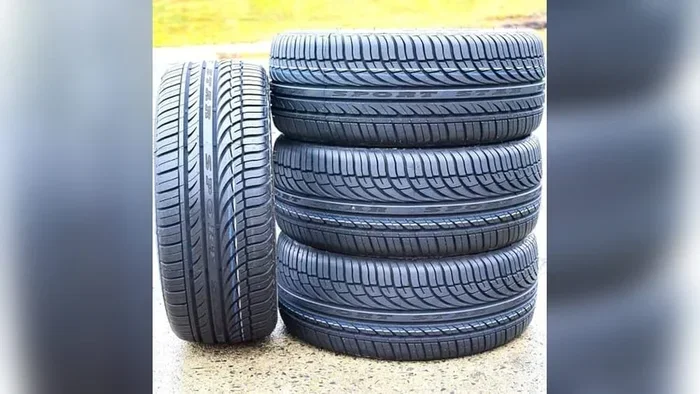
Low rolling resistance tires are designed specifically for fuel-efficient vehicles, including hybrids. These tires are built to reduce the energy lost as the tire rolls along the road. Less energy lost means better fuel economy and less wear on the tire itself.
Here is why they work so well for hybrids:
- Special rubber compounds that reduce friction with the road
- Optimized tread patterns that distribute weight more evenly
- Lighter construction that reduces the overall rotational mass
- Better heat dissipation which prevents premature rubber breakdown
Some popular options include the Michelin Energy Saver A/S, the Continental TrueContact Tour, and the Bridgestone Ecopia EP422 Plus. These tires are built with hybrid and electric vehicles in mind.
Top Tire Brands for Hybrids
When shopping for hybrid car tires, look for brands that specialize in fuel-efficient models. Here are a few top choices:
- Michelin: Known for longevity and comfort. Their Energy series is a favorite among hybrid owners.
- Continental: Offers excellent grip and low rolling resistance. Great for all-season use.
- Bridgestone Ecopia: Designed specifically for eco-friendly vehicles. Affordable and durable.
- Goodyear: Their Assurance line offers solid performance and long tread life for hybrids.
- Yokohama: The BluEarth series is a strong contender for hybrid owners looking for value.
Avoid off-road or high-performance tires unless you really need them. These tires have stiffer sidewalls and more aggressive tread patterns that can wear faster on a hybrid car.
Common Tire Wear Patterns in Hybrid Vehicles
Hybrid cars tend to show specific wear patterns that differ from regular vehicles. Knowing what to look for can help you catch problems early.
Front vs Rear Tire Wear
In most hybrid cars, the front tires wear out faster than the rear ones. This happens for a few reasons:
- Front tires handle steering and acceleration, which puts more stress on them
- Instant torque from the electric motor hits the front wheels first in front-wheel-drive hybrids
- The engine weight sits over the front axle in most hybrid designs
- Braking forces are often concentrated on the front wheels
If you drive a rear-wheel-drive hybrid, the pattern may be different. But in most cases, the front tires take the biggest hit.
Uneven Wear Causes
Uneven tire wear is common in hybrid cars. Here are the most frequent causes:
- Poor alignment: Even a slight misalignment can cause one side of the tire to wear faster
- Underinflation: Low tire pressure causes the outer edges of the tread to wear down
- Overinflation: Too much air wears down the center of the tread
- Worn suspension parts: Shocks and struts affect how evenly the tire contacts the road
- Aggressive driving: Hard acceleration and braking wear tires faster
If you notice your tires wearing more on one side or in the center, get them checked. A simple alignment or rotation might save you from an early replacement.
How to Make Hybrid Tires Last Longer
The good news is that you can take steps to extend the life of your hybrid tires. A little effort goes a long way toward saving money and getting the most out of your tire tread.
Maintenance Tips
Follow these simple tips to keep your hybrid tires in top shape:
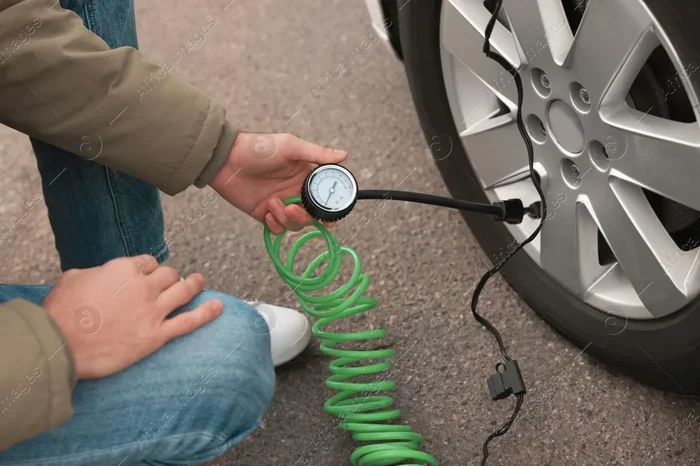
- Check tire pressure monthly. Hybrid cars are heavier, so the recommended pressure may be higher than a regular car. Check the sticker on the driver’s door for the exact number.
- Rotate tires every 5,000 to 6,000 miles. This swaps front and rear tires so they wear evenly. It is one of the easiest things you can do.
- Get regular alignments. A misaligned car will wear tires on one side much faster. Get an alignment check at least once a year.
- Drive smoothly. Avoid hard acceleration and sudden braking. Gentle driving reduces the stress on your tires significantly.
- Inspect tires regularly. Look for cracks, bulges, or foreign objects stuck in the tread. Catching problems early prevents bigger issues later.
- Keep tires clean. Road grime and chemicals can break down rubber over time. A simple wash with mild soap helps protect the surface.
When to Replace Hybrid Tires
So how do you know when it is time for new tires? Here are the signs to watch for:
- Tread depth below 2/32 of an inch: Use the penny test. Insert a penny into the tread with Lincoln’s head upside down. If you can see the top of his head, it is time for new tires.
- Cracks or bulges on the sidewall: These are safety hazards and mean the tire needs to be replaced immediately
- Vibrations while driving: This could indicate uneven wear or internal tire damage
- Frequent air loss: If you are topping off air more than once a month, there may be a slow leak
- Visible wear bars: These are small bridges between the tread blocks. When they are flush with the tread, the tire is worn out
Hybrid Tire Costs Compared to Regular Cars
One question many hybrid owners have is whether tires cost more. The answer is a bit complicated. Let us break it down.
Replacement Frequency
Because hybrid cars tend to wear tires faster, you may need to replace them more often than a gas-only car. On average, a set of tires for a regular car lasts about 50,000 to 65,000 miles. For a hybrid, that number drops to around 40,000 to 55,000 miles in many cases.
This means you might be replacing tires every 3 to 4 years instead of every 4 to 5 years. Over the lifetime of a car, that adds up to extra trips to the tire shop.
Long-Term Savings
Here is the flip side. Hybrid cars save money on fuel. Over time, the fuel savings can offset the extra cost of tire replacements. Plus, low rolling resistance tires for hybrids are widely available and competitively priced. You are not limited to expensive specialty options.
Also, because regenerative braking reduces brake pad wear, you save money in that area too. So while tires might cost a bit more, you make up for it in other maintenance savings.
| Factor | Regular Car | Hybrid Car |
|---|---|---|
| Average Tire Life | 50,000 – 65,000 miles | 40,000 – 55,000 miles |
| Typical Replacement Cost | $400 – $800 per set | $450 – $900 per set |
| Brake Pad Replacement | Every 25,000 – 50,000 miles | Every 50,000 – 80,000 miles |
| Fuel Cost (annual avg) | Higher | Lower by 20-35% |
| Tire Pressure Checks | Recommended monthly | Highly recommended monthly |
| Recommended Tire Type | Standard all-season | Low rolling resistance |
As you can see, hybrids cost a bit more for tires but save in other areas. The overall cost of ownership often favors the hybrid, especially for drivers who clock a lot of miles.
The Role of Tire Pressure in Hybrid Vehicles
Tire pressure is one of the simplest things you can control, yet it is often overlooked. For hybrid cars, getting the pressure right is even more important than for regular vehicles.
Hybrid cars are heavier, which means the tires need more air to support that weight properly. If you use the same pressure as a regular car, your tires will be underinflated. Underinflated tires create more contact with the road, which increases friction and wear.
Find the recommended tire pressure on the sticker inside the driver’s door. This number is specific to your car’s weight and design. Do not rely on the number printed on the tire itself. That number is the maximum pressure, not the recommended pressure.
Check your pressure when the tires are cold, meaning the car has been parked for at least three hours. Hot tires give false readings that can lead you to overinflate, which causes its own set of problems like center tread wear and a harsher ride.
A good tire pressure monitor system (TPMS) is a great investment. Most modern hybrids come with one built in, but if yours does not, an aftermarket sensor can alert you when pressure drops. This small investment can add thousands of miles to your tire life.
How Driving Style Affects Hybrid Tire Wear
Your driving habits matter more than you might think when it comes to tire longevity. Hybrid cars are no exception. The way you drive directly impacts how fast your tires wear down.
Aggressive driving is the enemy of tires. Quick starts, hard braking, and sharp turns all accelerate wear. This is especially true for hybrids because of that instant torque we talked about earlier. When you mash the accelerator, the electric motor delivers full power to the wheels instantly. That power rips through the tread surface.
On the flip side, smooth and steady driving can dramatically extend tire life. Accelerating gently, braking early, and taking turns smoothly all reduce the stress on your tires. Plus, smooth driving improves your fuel economy, which is the whole point of owning a hybrid in the first place.
Here are a few habits that help your tires last longer:
- Accelerate gently from stops
- Coast to decelerate when possible
- Avoid potholes and rough road surfaces
- Do not overload the car beyond its rated capacity
- Keep a safe following distance to reduce hard braking
These small changes add up over time. You will notice not only better tire life but also improved fuel efficiency and a smoother ride overall.
Environmental Impact of Hybrid Tire Choices
One often overlooked benefit of hybrid cars is their lower environmental impact. But did you know your tire choice can amplify or reduce that benefit?
Eco-friendly tires are designed with sustainability in mind. They use recycled materials and specialized compounds that reduce road friction. This means less energy is wasted as heat, which translates to better fuel efficiency and fewer emissions.
When you pair a hybrid car with low rolling resistance tires, you create a double benefit. The car uses less fuel, and the tires waste less energy. Together, they reduce your carbon footprint in a meaningful way.
Some tire manufacturers are now producing tires with soy-based rubber and recycled steel. These innovations make hybrid car maintenance more sustainable. Look for tires with eco-certifications when shopping for your next set.
It is a small choice that adds up. Every mile you drive on an eco-friendly tire is a step toward a cleaner planet.
Final Thoughts on Hybrid Tire Care
So, do hybrid cars wear out tires faster? The answer is yes, they often do. The extra weight, instant torque, and unique driving dynamics of hybrid vehicles put more stress on your tires than a regular car experiences. But that does not mean you are stuck replacing tires every couple of years.
With the right approach, you can significantly extend the life of your hybrid car tires. Choose low rolling resistance tires designed for your vehicle. Keep up with tire rotations and alignments. Check your pressure regularly. Drive smoothly and avoid aggressive habits.
The money you save on fuel with a hybrid more than makes up for the slightly higher tire maintenance cost. And with the right tires and care, you can enjoy a smooth, safe, and efficient ride for many miles to come.
Your hybrid car is a smart investment. Treating your tires well is one of the easiest ways to protect that investment. Take care of your tires, and they will take care of you on every journey.
Frequently Asked Questions
Do hybrid cars need special tires?
Hybrid cars do not require a special type of tire, but they benefit greatly from low rolling resistance tires. These tires are designed to reduce friction and improve fuel efficiency. They also tend to last longer under the heavier weight of a hybrid vehicle. Choosing the right tire makes a big difference in performance and longevity.
How often should I rotate the tires on my hybrid car?
You should rotate the tires on your hybrid car every 5,000 to 6,000 miles. This is more frequent than the standard recommendation for regular cars because hybrid vehicles tend to wear tires unevenly. Regular rotation helps distribute wear evenly across all four tires. It also gives the mechanic a chance to spot potential problems early.
Are hybrid tires more expensive than regular tires?
Hybrid tires are not significantly more expensive, but they may need to be replaced more often. The cost per tire is similar to regular all-season tires. However, because hybrids wear tires faster due to extra weight, you may replace them more frequently. Over time, the fuel savings from the hybrid offset this extra cost.
Can I use all-season tires on my hybrid car?
Yes, all-season tires work fine for most hybrid cars. However, low rolling resistance all-season tires are the best choice. They offer a good balance of grip, comfort, and fuel efficiency. If you live in an area with heavy snow, consider winter tires during the cold months for safety.
Does regenerative braking really save tire life?
Regenerative braking reduces wear on brake pads but does not eliminate tire wear. The tires still experience friction during deceleration. However, because the electric motor handles most of the slowing down, there is less stress on the brakes overall. Tire wear depends more on driving habits and tire maintenance than on the type of braking system.
What is the average lifespan of tires on a hybrid car?
Most hybrid tires last between 40,000 and 55,000 miles. With proper care and the right tires, some owners get up to 70,000 miles. The lifespan depends on driving habits, tire pressure, alignment, and the type of tires used. Regular maintenance is the key to getting the most miles out of your set.
=== CONCLUSION ===
Do hybrid cars wear out tires faster than regular cars? Yes, they often do, but it is manageable. The extra weight from the battery pack, the instant torque from the electric motor, and the demands of regenerative braking all contribute to faster tire wear. However, this does not have to be a major expense or headache.
By choosing low rolling resistance tires, staying on top of tire rotations, keeping your pressure in check, and driving smoothly, you can significantly extend the life of your hybrid car tires. These simple steps save you money and keep your car running at its best.
Hybrid cars are a great choice for drivers who want better fuel economy and lower emissions. Taking care of your tires is one of the easiest ways to get the most out of your investment. Start today, and your tires will thank you on every mile ahead.