How to Hard Reset a Vehicle A Complete Step by Step Guide
A hard reset a vehicle can fix stubborn glitches, clear error codes, and restore your car’s systems to factory settings. Whether you are dealing with a frozen infotainment screen, persistent dashboard warnings, or unresponsive controls, knowing the proper hard reset car procedure saves time and money. This guide walks you through every method, from a simple battery disconnect to a full ECU reset, with clear safety tips and expert advice.
This is a comprehensive guide about How to Hard Reset a Vehicle.
Key Takeaways
- A hard reset a vehicle clears temporary software glitches and restores default settings across your car’s electronic systems.
- You can perform a vehicle system reboot using several methods, including battery disconnect, fuse removal, and ignition cycling.
- Always disconnect the car battery safely and wait the recommended time to ensure a full ECU reset takes effect.
- After a reset car computer procedure, you may need to resync devices, reset the clock, and reconfigure personal settings.
- Knowing when a hard reboot car is needed versus when to visit a mechanic prevents unnecessary downtime and repair costs.
- Following safety precautions like wearing gloves and working in a ventilated area keeps you protected during the vehicle electrical reset process.
- A car system reset can resolve issues like stuck warning lights, unresponsive touchscreens, and erratic sensor behavior.
[FEATURED_IMAGE_PLACEHOLDER]
What Does It Mean to Hard Reset a Vehicle?
A hard reset a vehicle means forcing your car’s electronic systems to shut down completely and restart from scratch. Think of it like restarting your phone, but for your entire car. Instead of just tapping a screen or pressing a power button, a hard reset cuts power to the main computer modules and wipes temporary data from memory.
Modern vehicles run on dozens of computers called control units. These modules manage everything from your engine performance to your climate controls and infotainment system. Sometimes these computers get stuck. A software glitch, a voltage spike, or a corrupted file can cause your car to behave strangely. A vehicle system reboot clears out that junk data and forces the system to start fresh.
People often confuse a soft reset with a hard reset. A soft reset is a simple restart. You might turn the car off and back on. A hard reset goes much deeper. It fully powers down the electrical system and clears stored error codes and temporary settings. This is the kind of reset that actually fixes persistent problems.
Why Do You Need a Hard Reset?
There are several common reasons you might need to hard reset a vehicle:
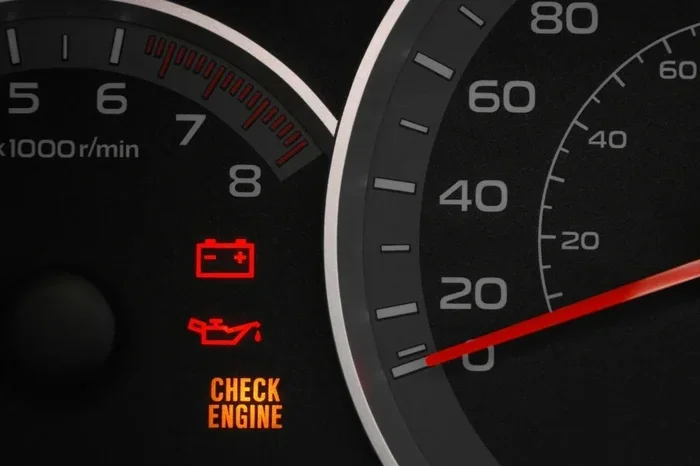
- Stuck dashboard warning lights: A light stays on even after you fix the underlying issue. A reset clears the stored code.
- Frozen infotainment screen: Your touchscreen becomes unresponsive and a normal restart does not work.
- Erratic sensor readings: Your fuel gauge, temperature gauge, or tire pressure light behaves erratically.
- After a battery replacement: Your car needs to relearn settings and adapt to the new battery.
- Software update failures: An update did not complete properly, leaving your system in an unstable state.
- Unresponsive controls: Buttons, knobs, or switches stop working correctly.
Each of these situations calls for a car system reset that goes beyond a simple restart. The good news is that most hard resets are something you can do at home with basic tools and about 15 to 30 minutes of your time.
How to Hard Reset a Vehicle: Step-by-Step Methods
There are several ways to perform a hard reset a vehicle. The method you choose depends on your car model, the problem you are solving, and how much access you have to your vehicle’s electrical system. Below are the most effective methods, ranked from simplest to most thorough.
Method 1: The Battery Disconnect Reset
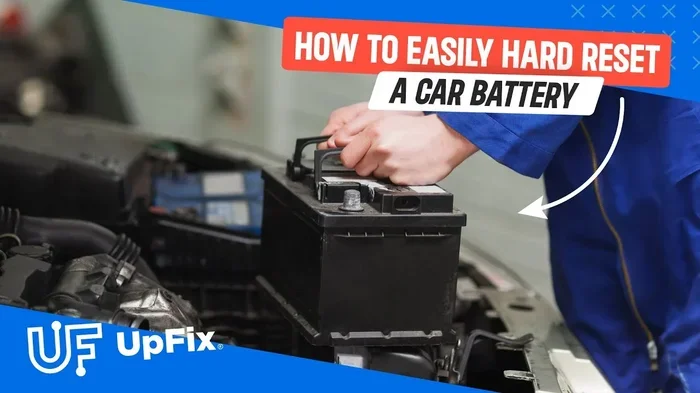
This is the most popular and effective way to reset car computer systems. It works on virtually every car made in the last 30 years. Here is exactly how to do it:
- Turn off the engine and remove the key from the ignition.
- Open the hood and locate the car battery. In most vehicles, the battery sits in the engine bay on the driver or passenger side.
- Identify the negative terminal. This is the terminal marked with a minus sign (-). It usually has a black cable connected to it.
- Loosen the nut on the negative terminal clamp using a wrench. Slide the cable off the terminal and tuck it away so it cannot touch the battery.
- Wait at least 15 minutes. This is critical. The capacitor in the ECU needs time to fully discharge. For a thorough ECU reset, wait 30 minutes.
- Reconnect the negative cable and tighten the nut securely.
- Start the car and let it idle for a few minutes. The system will recalibrate itself.
Pro Tip: If you want to reset car settings like your radio presets, clock, and power window calibration, the battery disconnect method is your best bet. Just be aware that you will lose all these settings and will need to reprogram them.
Method 2: The Ignition Cycling Reset
This method works well for minor glitches and does not require you to open the hood. It is perfect for a vehicle electrical reset when your infotainment system freezes or a warning light stays on:
- Turn the ignition to the “Off” position. Do not just remove the key. Make sure the dash lights are completely off.
- Wait 30 seconds. This allows the capacitors to drain.
- Turn the ignition to the “On” position (the position where the dash lights come on but the engine does not start).
- Wait another 30 seconds.
- Turn the ignition back to “Off.”
- Wait 30 seconds again.
- Start the engine normally.
Repeat this cycle two or three times if the problem persists. This method is gentle but effective for a car reset procedure that targets the main computer module without fully draining the battery.
Method 3: The Fuse Pull Method
For a deeper reset, you can pull the EFI fuse or the BCM (Body Control Module) fuse. This method is more advanced and should only be done if you are comfortable working with your car’s fuse box:
- Locate your fuse box. Check your owner’s manual for the exact location. Most cars have one under the hood and another inside the cabin.
- Identify the correct fuse. Look for the EFI or ECU fuse. It is usually labeled on the fuse box cover.
- Use a fuse puller (or a pair of needle-nose pliers) to carefully remove the fuse.
- Wait 10 to 15 minutes.
- Reinsert the fuse and start the car.
This method effectively resets the engine management system and can clear stubborn error codes. However, it is more targeted than a full battery disconnect. If you are unsure, stick with Method 1.
What Happens After a Hard Reset?
After you complete a hard reboot car procedure, your vehicle goes through a relearning phase. Here is what to expect and how to handle it:
Your Car Will Need to Relearn
When you cut power to the ECU, the computer loses all its learned adaptations. These include fuel trim settings, idle speed adjustments, and transmission shift points. The good news is that your car will relearn these values naturally as you drive. Here is what happens:
- First 50 miles: The car may idle slightly rough or shift gears differently. This is completely normal.
- 50 to 200 miles: The ECU gradually adapts to your driving style and the engine runs smoother.
- After 200 miles: Most vehicles are fully relearned and running at peak performance.
You May Need to Resync Devices
A reset car computer procedure wipes paired devices from your infotainment system. You will need to reconnect your phone via Bluetooth. If you sync your iPhone to your new car after a reset, the process is quick and straightforward. Simply go to your Bluetooth settings, select your car, and enter the pairing code if prompted.
Similarly, if your car has Apple CarPlay or Android Auto, you will need to grant permissions again. Do not worry. This takes less than a minute and your presets and playlists will still be there.
Warning Lights May Come Back On
Some warning lights may reappear after a vehicle electrical reset. This is normal if the underlying issue has not been resolved. For example, if your check engine light was on because of a loose gas cap, tightening the cap and resetting the system should keep the light off. If the light returns, there is a real problem that needs attention.
On the other hand, if a light comes back immediately after a reset, do not ignore it. Use a diagnostic scanner to read the code again. Sometimes the reset car computer process temporarily clears a code, but the problem is still present.
Common Mistakes to Avoid When Hard Resetting
Even though a hard reset a vehicle is straightforward, people make mistakes that can cause problems. Here are the most common ones:
Forgetting to Disable the Radio or Security System
Some vehicles have anti-theft systems that lock the radio or the entire ignition after a battery disconnect. If your car has this feature, you may need a radio code to restore your audio system. Check your owner’s manual before you start. The code is usually found on a card in your glove box or in your purchase paperwork.
Not Waiting Long Enough
The number one mistake people make is not waiting long enough after disconnecting the battery. Fifteen minutes is the minimum. For a full ECU reset, wait at least 30 minutes. If you reconnect too soon, the capacitor may not have fully discharged, and the reset will not be complete.
Disconnecting the Positive Terminal First
Always disconnect the negative terminal first. This prevents short circuits. If you remove the positive terminal first and your wrench touches any metal part of the car, you create a spark that could damage electrical components or even cause a fire. When reconnecting, always attach the positive terminal first and the negative terminal last.
Ignoring the Clock and Settings
After a reset car settings procedure, your clock, radio presets, and power window calibration will be gone. Take a few minutes to reset these before you drive. This is especially important for your clock if you live in an area that observes daylight saving time.
Trying a Hard Reset for Serious Mechanical Problems
A car system reset is great for electrical and software issues. It is not a fix for mechanical problems. If your engine is making strange noises, your car is leaking fluid, or your brakes feel spongy, a reset will not help. Get your car to a mechanic right away.
When Should You See a Professional Instead?
Knowing when to DIY and when to call a pro is an important part of car troubleshooting. Here are situations where a professional vehicle maintenance reset is the better choice:
- Multiple warning lights are on: This could indicate a serious electrical problem that needs professional diagnosis.
- Your car will not start after a reset: If the ignition does not respond or the engine cranks but does not fire, something went wrong during the reset.
- Error codes keep returning: If you clear a code and it comes back within a day, there is an ongoing issue that a reset cannot fix.
- You are not comfortable working with your car’s electrical system: There is no shame in visiting a mechanic. A professional can perform a hard reset a vehicle quickly and safely.
Many dealerships and independent shops charge between $50 and $150 for a diagnostic reset. This is a small price to pay if you are unsure about working on your car’s electrical system yourself.
Quick Tips for a Successful Hard Reset
- Keep your owner’s manual handy. It contains specific instructions for your vehicle model and year.
- Have your radio code ready. Write it down before you disconnect the battery.
- Use the right tools. A good set of wrenches and a fuse puller make the process much easier.
- Work in a well-ventilated area. Batteries produce hydrogen gas, which is flammable.
- Wear gloves and safety glasses. Protect your hands and eyes from battery acid and sparks.
- Take photos before you start. Document your settings, fuse positions, and cable connections. This makes reassembly much easier.
- Drive gently for the first 200 miles. Give your car time to relearn its settings.
How Often Should You Hard Reset Your Vehicle?
You do not need to hard reset your car regularly. A hard reboot car procedure is only necessary when you encounter specific problems. However, there are a few situations where a periodic reset makes sense:
- After installing a new battery: Your car’s computer needs to adapt to the new power source.
- After a software update: Some manufacturers recommend a reset after updating the ECU or infotainment software.
- Before selling your car: A reset clears all your personal data and settings, giving the new owner a fresh start. If you are transferring your Tesla to a new owner, for example, a reset ensures a clean slate.
- After resolving a persistent issue: Once you fix the underlying problem, a reset clears the stored codes and turns off warning lights.
For most drivers, a hard reset is a rare event. You might only need to do it once or twice a year. When you do need it, you will be glad you know exactly how to do it.
Conclusion
Learning how to hard reset a vehicle is one of the most useful skills you can have as a car owner. It saves you time, money, and the hassle of visiting a shop for minor electrical and software issues. Whether you choose the battery disconnect method, the ignition cycling method, or the fuse pull method, the key is to follow the steps carefully and take your time.
Remember to always disconnect the negative terminal first, wait long enough for the capacitors to fully discharge, and be prepared to reconfigure your settings afterward. If you run into a problem you cannot solve, do not hesitate to consult a professional mechanic.
A car system reset is a powerful tool in your maintenance toolkit. Use it wisely, and your vehicle will run smoother and more reliably for years to come.
Frequently Asked Questions
What is the difference between a soft reset and a hard reset on a car?
A soft reset is simply turning your car off and back on. It restarts the system without clearing stored data. A hard reset fully powers down the electrical system, drains the capacitors, and clears temporary memory and error codes. A hard reset is much more thorough and can fix deeper software glitches.
Will a hard reset erase my car’s saved settings?
Yes. A full hard reset a vehicle procedure will erase radio presets, clock settings, Bluetooth pairings, and power window calibration. You will need to reprogram these after the reset. This is normal and expected.
How long should I wait after disconnecting the battery before reconnecting?
Wait at least 15 minutes for a basic reset. For a full ECU reset, wait 30 minutes or more. The longer you wait, the more complete the reset will be. This gives the capacitors time to fully discharge and clears all temporary data from the control units.
Can a hard reset fix a check engine light?
It can temporarily turn off a check engine light if the underlying issue has been resolved. However, if the problem still exists, the light will come back on. A hard reset is not a substitute for proper diagnostics. Use an OBD-II scanner to read and address the actual code.
Is it safe to hard reset a modern car with all its electronic systems?
Yes, it is generally safe. Modern vehicles are designed to handle power loss and reboot automatically. Just make sure you follow the correct procedure, work in a safe area, and avoid disconnecting the battery while the engine is running. If you are unsure, consult your owner’s manual or a professional.
Do I need any special tools to hard reset my vehicle?
No special tools are required for most methods. A basic wrench set is enough to disconnect the battery terminals. A fuse puller is helpful for the fuse pull method but not essential. Your owner’s manual is the most important tool because it contains model-specific instructions for your vehicle.