Ant Spray for Car Kill Ants Fast and Prevent Infestations
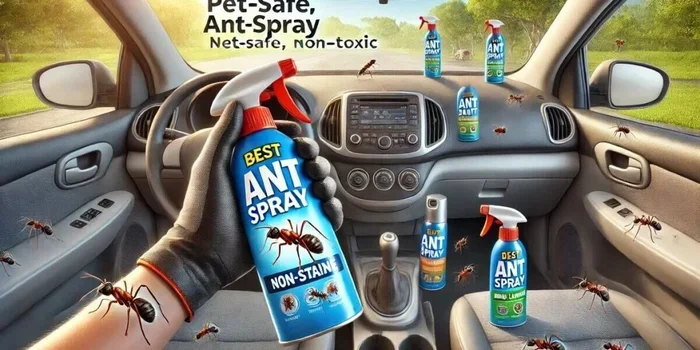
Ant spray for car is the fastest and most effective way to eliminate ants from your vehicle. Whether ants have invaded your dashboard, seats, or engine bay, the right spray kills them on contact and stops colonies from returning. This guide covers the best products, safe application methods, and proven prevention tips to keep your car ant-free all year long.
Finding ants crawling across your car dashboard is enough to ruin anyone’s morning. These tiny invaders show up uninvited and can quickly turn a comfortable drive into a frustrating experience. Whether you park under trees, leave food wrappers inside, or live in a warm climate, car ant infestations are more common than most people think.
The good news is that ant spray for car offers a simple, effective solution. With the right product and a bit of know-how, you can kill ants fast and keep them from coming back. This article walks you through everything you need to know about choosing, using, and preventing ant problems in your vehicle.
We will cover how ant spray for car works, which products perform best, and the safest way to apply them inside your vehicle. You will also learn practical tips for stopping ants before they ever set up camp in your car. By the end, you will feel confident tackling any ant problem that comes your way.
Key Takeaways
- Quick Kill Action: Ant spray for car delivers fast results, often eliminating ants within seconds of contact.
- Safe for Interiors: Modern formulas are designed to be safe on car upholstery, dashboards, and plastic surfaces.
- Prevention Is Key: Regular use of ant repellent for car stops infestations before they start.
- Multiple Product Options: From aerosol sprays to gel baits, there is a solution for every type of car ant problem.
- Simple Application: You do not need special tools or professional help to treat your car at home.
- Targeted Approach: Spraying the right areas like entry points and nesting spots gives the best results.
📑 Table of Contents
Why Ants Invade Your Car
Understanding why ants enter your car is the first step to solving the problem. Ants are smart, persistent creatures that follow scent trails to find food and shelter. Your car can attract them for several surprising reasons.
Food Crumbs and Spills
Even tiny crumbs of chips or spilled soda can draw ants from surprisingly far away. Ants have an incredible sense of smell and can detect sugar and grease particles easily. If you eat in your car regularly, small food particles build up in seats, floor mats, and crevices. These become a feast for ants and invite them to return again and again.
Parking Near Ant Nests
Where you park matters more than you might think. Parking near trees, ant hills, or garden beds puts your car close to ant colonies. Worker ants explore widely in search of food, and your vehicle can become part of their trail. Moisture from condensation or leaking fluids also draws certain ant species to cars.
Warm Engines and Hidden Nests
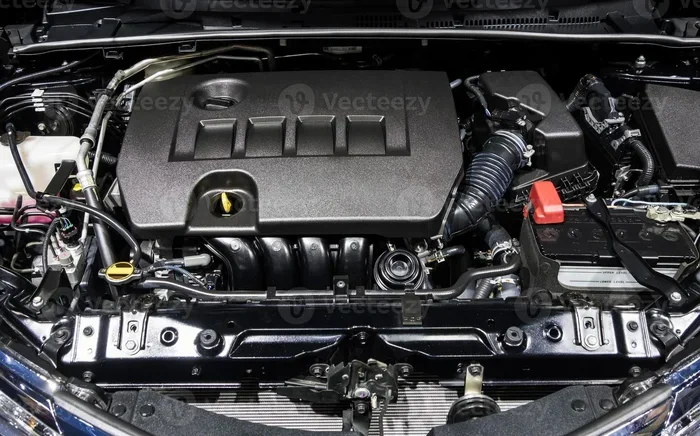
Ants sometimes nest inside engine bays because the warmth feels like a cozy home. This is especially common in cold months when ants seek heat. An ant nest in car engine areas can cause real damage if ants chew through wiring or clog air filters. Spotting early signs of a car ant infestation saves you from costly repairs later.
How Ant Spray for Car Works
Ant sprays designed for vehicles use active ingredients that target ants specifically. These formulas work differently than general household bug sprays. Understanding how they work helps you choose the right product and use it effectively.
Contact Kill vs. Residual Protection
Most ant spray for car products offer two types of action. Contact kill sprays eliminate ants on the spot within seconds. The chemicals disrupt the ant’s nervous system almost instantly. Residual sprays leave a thin invisible layer on surfaces that continue killing ants for days or even weeks after application.
For quick relief, contact kill sprays are your best bet. For long-term car ant prevention, residual formulas work much better. Many high-quality products combine both approaches for maximum effectiveness.
Common Active Ingredients
Different sprays use different chemicals. Pyrethroids are the most common active ingredients in automotive ant sprays. They are synthetic versions of natural compounds found in chrysanthemum flowers. These ingredients are effective against ants and safe when used as directed on car surfaces.
Some natural or plant-based sprays use essential oils like peppermint, tea tree, or citronella. These work as ant repellent for car solutions but may not kill ants as fast as chemical formulas. They are a great option for people who prefer non-toxic ant spray products.
Why Sprays Beat Other Methods
You might wonder why spray is better than ant bait or other methods. The answer depends on your situation. Ant bait for car use works well for hidden colonies because worker ants carry poison back to the nest. However, sprays give you immediate visible results. They also let you target specific areas like door frames, vents, and dashboard seams where ants gather most often.
Best Ant Sprays for Cars
Not all ant sprays are created equal. Some are built for indoor home use and may not be safe for car interiors. Others are specifically formulated for vehicles and handle the unique surfaces found inside cars. Here are the top options to consider.
Top-Rated Sprays for Killing Ants Fast
When choosing the best ant spray for vehicles, look for products that are labeled safe for automotive use. Sprays with quick-drying formulas leave no residue on seats or dashboards. Aerosol sprays with straw nozzles let you reach tight spaces like vent slats and seat tracks where ants hide.
Popular brands in this category include sprays specifically marketed for car interiors. These products balance strong ant-killing power with safety on plastic, leather, and fabric surfaces. Always check the label to confirm the spray is safe for car use before purchasing.
Natural and Non-Toxic Options
If you prefer avoiding harsh chemicals, several natural options work well for eliminate ants from car problems. Peppermint oil-based sprays repel ants effectively and leave a pleasant scent. Diatomaceous earth sprays are another safe choice that kills ants by dehydrating them without toxic chemicals.
These natural products may require more frequent application than chemical sprays. However, they are excellent for families with children, pets, or people with sensitivities. Many drivers find that a combination of natural repellents and good cleaning habits keeps ants away entirely.
Ant Baits and Sprays: Which Is Better?
For a complete car ant problem strategy, consider using both sprays and baits together. Sprays handle the visible ants you see right away. Baits take care of hidden colonies that you cannot reach. Using both methods together gives you the fastest and most thorough results.
Place bait stations near car doors or under seats where ants travel frequently. Spray entry points and nesting areas with your chosen ant spray for car. This two-pronged approach breaks the colony’s cycle and prevents future infestations.
How to Use Ant Spray for Car Properly
Using ant spray correctly makes a huge difference in results. Spraying randomly will not solve the problem. A targeted approach ensures you kill ants where they live and travel.
Step-by-Step Application Guide
Follow these steps for the best results when applying ant spray inside your car:
- Clean the car first. Remove all food crumbs, trash, and spills. Vacuum seats, floor mats, and crevices thoroughly. Ants are less likely to return to a clean environment.
- Identify ant trails. Watch where ants move most frequently. Follow them to find entry points and nesting spots. Common areas include door seals, dashboard seams, and under seats.
- Shake the spray can well. This mixes the active ingredients properly for maximum effectiveness.
- Spray directly on ants and trails. Hold the can 6 to 8 inches from the surface. Spray the areas where you see ants crawling and any trails they follow.
- Target entry points. Spray around door frames, window seals, and any gaps where ants enter the car. This creates a barrier that stops more ants from getting in.
- Let the spray dry completely. Do not touch treated surfaces or drive the car until the spray has fully dried. Most sprays dry within 15 to 30 minutes.
- Reapply as needed. For persistent infestations, repeat the process every few days until the problem is gone.
Areas to Focus On
Certain spots inside your car attract ants more than others. Pay extra attention to these areas when spraying:
- Door jambs and rubber seals
- Dashboard vents and crevices
- Under seats and seat tracks
- Center console and cup holders
- Trunk area and spare tire well
- Engine bay and under the hood
Safety Tips for Indoor Car Use
Safety matters when using any spray inside a confined space like a car. Always ventilate the vehicle during and after application. Open all doors and windows for at least 15 minutes after spraying. Avoid spraying directly on leather or delicate surfaces. Instead, spray onto a cloth and wipe gently. Keep sprays away from children and pets until fully dry.
Preventing Ant Infestations in Your Vehicle
Killing ants is only half the battle. Stopping them from coming back requires consistent prevention. A few simple habits can save you from dealing with car ant infestations repeatedly.
Keep Your Car Clean
The single most effective prevention tip is keeping your car free of food debris. Avoid eating inside the car whenever possible. If you must snack on the go, sweep up crumbs immediately. Take out trash daily and never leave food wrappers or open drinks sitting in your vehicle overnight.
Regular vacuuming removes the tiny food particles that attract ants. Pay special attention to floor mats, seat crevices, and the trunk area. A clean car is far less appealing to ants and other pests.
Seal Entry Points
Inspect your car regularly for gaps and cracks where ants can enter. Check door seals, window seals, and any openings where wiring or cables pass through the firewall. Use weather stripping or silicone caulk to seal small gaps. This physical barrier works alongside ant spray for car to create a double layer of protection.
Use Preventive Sprays Regularly
Applying a light coat of ant repellent for car every few weeks keeps ants from even considering your vehicle as a target. Focus on entry points and areas where ants have been seen before. This simple habit takes just a few minutes and saves you from dealing with full-blown infestations later.
Store Food Properly
If you keep snacks in your car, store them in sealed containers. Even a bag of granola bars left open can attract ants within hours. Consider keeping a small container of baking soda in the trunk, as it absorbs moisture and odors that might attract pests.
Common Mistakes to Avoid
Many people make avoidable mistakes when dealing with ants in their cars. Steering clear of these errors saves time, money, and frustration.
Using Household Sprays Not Meant for Cars
General bug sprays from the garden shed may damage car interiors. They can stain plastic, discolor fabric, or leave greasy residues on dashboards. Always use products specifically labeled safe for automotive or indoor car use. A non-toxic ant spray designed for vehicles protects both you and your car’s surfaces.
Ignoring the Source
Killing the ants you see is not enough if you do not address the colony. Spraying only visible ants often leads to the problem returning within days. Find and target the nest or main trail for lasting results. Using ant bait for car along with spray ensures you reach hidden colonies too.
Skipping Prevention
Many people spray once and assume the problem is solved forever. Ants are persistent, and a single treatment rarely provides permanent protection. Regular cleaning, preventive spraying, and sealing entry points are essential for long-term car ant prevention.
Spraying Too Much
More spray does not mean better results. Over-spraying can leave oily residues on surfaces and create a strong chemical smell inside your car. Follow the product instructions carefully and apply just enough to cover the target areas evenly.
When to Call a Professional
Most car ant problems can be handled with ant spray for car and good cleaning habits. However, some situations call for professional help. If you notice a massive ant colony inside your engine bay, it is best to consult a mechanic or pest control expert. Ants nesting in sensitive areas like air intake systems or electrical components can cause serious damage.
Also, if you have tried multiple treatments and the problem keeps returning, a professional can identify the source you might be missing. Persistent infestations sometimes indicate a larger environmental issue, such as a nearby nest or moisture problem that attracts ants to your parking spot.
Final Thoughts
Dealing with ants in your car does not have to be a constant battle. With the right ant spray for car, a solid prevention routine, and a little patience, you can keep your vehicle completely ant-free. The key is acting quickly at the first sign of ants and staying consistent with preventive measures.
Remember to choose products safe for your car’s interior, apply sprays correctly, and target the right areas. Combine sprays with baits for the most thorough treatment. Keep your car clean, seal entry points, and use preventive sprays regularly. These simple steps give you the best chance of enjoying a pest-free driving experience every single day.
Take action today. Pick up a quality ant spray for car, follow the tips in this guide, and say goodbye to ants for good. Your car deserves to be clean, comfortable, and free from unwanted visitors.
Frequently Asked Questions
How fast does ant spray for car work?
Most ant sprays kill ants on contact within seconds. You will see ants stop moving almost immediately after spraying. For full colony elimination, it may take a few days of repeated application, especially when using residual sprays that continue working over time.
Is ant spray safe for car interiors?
Yes, when you use products specifically designed for automotive or indoor car use. Always check the label before spraying. Avoid general household bug sprays that may damage plastic, leather, or fabric surfaces. Natural and non-toxic ant spray options are also safe for sensitive interiors.
Can I use ant spray in the engine bay?
Yes, but use caution. Choose a spray that is safe on rubber, plastic, and metal surfaces. Avoid spraying directly on hot engines or open flames. Let the engine cool completely before applying any spray in the engine bay area.
How often should I use ant spray for car?
For active infestations, apply every two to three days until the problem is gone. For prevention, a light application once a month on entry points and problem areas works well. Adjust frequency based on your environment and how severe the ant activity is.
What attracts ants to cars?
Food crumbs, sugary spills, and even tiny grease residues attract ants. Parking near ant nests or trees also increases the risk. Moisture from condensation or leaks draws certain ant species too. Keeping your car clean and sealed is the best way to avoid attracting ants.
Can I use ant bait and spray together?
Absolutely. Using both together is one of the most effective strategies for eliminating car ant problems. Sprays handle visible ants immediately, while baits let worker ants carry poison back to the colony. This combination provides both quick relief and long-term elimination.
=== CONCLUSION ===
Ant spray for car is the simplest, fastest, and most affordable way to kill ants and protect your vehicle from infestations. Whether you are dealing with a few stray ants or a full-scale invasion, the right spray delivers results quickly and safely. Pair your spray with good cleaning habits, preventive applications, and smart parking choices for the best outcome.
Take control of your car ant problem today. Choose a quality spray, follow the application steps outlined above, and enjoy a clean, pest-free driving experience. A few minutes of effort now saves you from weeks of frustration later.