How Many Litres of Coolant Do I Need for My Vehicle
Knowing how many litres of coolant your vehicle needs is essential for keeping your engine running cool and preventing costly damage. Most cars require between 4 and 8 litres, but the exact amount depends on your engine size, model, and cooling system design. This guide walks you through finding your vehicle’s specific capacity, choosing the right coolant type, and safely checking or refilling your system.
Your car’s cooling system works hard every time you turn the key. It keeps your engine from overheating, freezing, and corroding. But here is the question many drivers forget to ask: how many litres of coolant do I need?
The answer is not the same for every vehicle. A small four-cylinder engine needs a very different amount than a big V8 truck. Getting the right quantity matters. Too little coolant leaves your engine unprotected. Too much can cause pressure problems and leaks. In this guide, we will walk you through everything you need to know about coolant capacity, how to find your vehicle’s specific number, and how to handle your cooling system with confidence.
Whether you are a complete beginner or a seasoned DIYer, this article will give you clear, practical steps. No jargon. No guesswork. Just straightforward advice that keeps your engine running smoothly for years to come. Let us dive in.
Key Takeaways
- Check your owner manual: It is the most reliable source for your vehicle’s exact coolant capacity.
- Most vehicles need 4 to 8 litres: Smaller engines use less, while larger or V6/V8 engines need more.
- Use the correct coolant type: Mixing incompatible coolants can cause serious engine damage.
- Never open the radiator cap when the engine is hot: Serious burns can result from pressurised hot fluid.
- Flush and replace coolant every 30,000 to 50,000 miles: Old coolant loses its protective properties over time.
- Watch for warning signs: Overheating, a low coolant warning light, or visible leaks all signal a problem.
📑 Table of Contents
- What Is Coolant and Why Does It Matter?
- How to Find Your Vehicle’s Coolant Capacity
- How Many Litres Does the Average Vehicle Need?
- Types of Coolant and Which One You Need
- Step-by-Step: How to Check and Add Coolant
- Common Coolant Problems and Warning Signs
- When to Flush and Replace Your Coolant
- Maintaining Your Cooling System for Long-Term Health
- Conclusion
What Is Coolant and Why Does It Matter?
Before we talk about litres, let us quickly cover what coolant actually does. Coolant, also called antifreeze, is a special liquid that flows through your engine’s cooling system. It absorbs heat from the engine and carries it away to the radiator, where it cools down. Then it cycles back through the engine again.
This constant loop prevents your engine from reaching dangerous temperatures. In winter, coolant also stops the water in your system from freezing. Without proper coolant levels, your engine can overheat, warp, crack, or even seize up entirely. That kind of damage can cost thousands of pounds to repair.
Most coolant is a mixture of ethylene glycol or propylene glycol mixed with distilled water. The standard ratio is usually 50/50, though some vehicles or extreme climates call for a different mix. The colour varies too. You might see green, orange, pink, or blue coolant depending on the type and brand.
How the Cooling System Works
Your cooling system is made up of several key parts. The radiator releases heat from the fluid. The water pump pushes coolant through the engine block. The thermostat opens and closes to regulate temperature. Hoses connect everything together. And the coolant reservoir holds extra fluid so the system can top itself off as it heats and cools.
When all of these parts work together with the right amount of fluid, your engine stays at the perfect operating temperature. That is typically somewhere between 90 and 105 degrees Celsius. If any part of the system fails or the fluid level drops too low, your engine starts to struggle.
How to Find Your Vehicle’s Coolant Capacity
The most accurate way to find out how many litres your car needs is to check the vehicle owner manual. Every manufacturer lists the cooling system capacity somewhere in the manual. It is usually in the maintenance section or the specifications section.
Check the Owner Manual First
Flip through your manual and look for a section called “Capacities” or “Fluids.” You will often find a table that lists the coolant capacity for the entire system. Some manuals even break it down by whether you are filling a cold or warm system.
If you have lost your manual, do not worry. You can usually find a digital copy on the manufacturer’s website. Just search for your vehicle’s make, model, and year followed by “owner manual PDF.”
Look for a Sticker Under the Hood
Many vehicles also have a sticker or label placed under the hood by the manufacturer. This sticker often lists fluid capacities, including coolant. It might be on the inside of the hood lid, on the firewall, or near the radiator. If you see this sticker, it is a quick and easy reference.
Check Online Resources and Forums
If you cannot find the information in your manual or on a sticker, the internet can help. Manufacturer websites, vehicle forums, and auto parts store databases often list coolant capacities by vehicle. Just make sure you are looking at information for your specific engine, because different engines in the same car can have different capacities.
For example, a four-cylinder version of a car might hold 4.5 litres, while the V6 version of the same car could hold 6.5 litres. Always double-check that you are looking at the right engine code.
How Many Litres Does the Average Vehicle Need?
While every vehicle is different, here are some general guidelines to give you a rough idea. These numbers cover most common passenger cars and light trucks.
- Small 4-cylinder engines: Typically 4 to 5 litres
- Medium 4-cylinder engines: Usually 5 to 6 litres
- V6 engines: Generally 6 to 7 litres
- V8 engines: Often 7 to 8 litres or more
- Diesel engines: Can range from 6 to 12 litres depending on size
These are just averages. Your vehicle could be different. Always rely on your specific vehicle’s information rather than a general number. And remember, the capacity listed is usually for a full system fill, including the radiator, engine block, and reservoir combined.
Why Exact Capacity Matters
Filling your system with the wrong amount of coolant can cause real problems. If you are low, your engine might not get full protection from overheating. If you overfill, the excess fluid has nowhere to go when it expands from heat. That can lead to pressure buildup, leaks, and even damage to the radiator cap or hoses.
Also, when you are mixing coolant, you need to account for the water you are adding. A 50/50 mix means half concentrated coolant and half distilled water. So if your system holds 6 litres total, you need 3 litres of concentrated coolant and 3 litres of distilled water.
Types of Coolant and Which One You Need
Not all coolant is the same. Using the wrong type can cause corrosion, clog your cooling system, or reduce the effectiveness of your engine temperature regulation. Let us break down the main types.
Inorganic Acid Technology (IAT)
This is the traditional green coolant. It has been around for decades and works well for older vehicles. IAT coolant typically needs to be replaced every 24,000 to 36,000 miles or every two years. It uses silicate and phosphate additives to protect metal surfaces.
Organic Acid Technology (OAT)
OAT coolant is usually orange, red, or purple. It is designed for newer vehicles and lasts much longer than IAT. Many modern cars come filled with OAT coolant from the factory. It can last up to 150,000 miles or five years before needing a change. Popular brands that use OAT technology include Dexcool.
Hybrid Organic Acid Technology (HOAT)
HOAT coolant combines elements of both IAT and OAT. It offers the long life of OAT with the added protection of inorganic additives. You will often see it in yellow, turquoise, or pink. Many European manufacturers like Ford, Chrysler, and some German brands use HOAT formulations.
Which Type Should You Use?
Always check your owner manual for the recommended coolant type. Mixing different types can create a gel-like substance that clogs your cooling system. If you are not sure what your car currently has, it is safest to flush the entire system and refill with the correct type. When in doubt, ask a trusted mechanic or call your local dealership.
Step-by-Step: How to Check and Add Coolant
Checking and topping up your coolant is one of the simplest maintenance tasks you can do at home. It takes just a few minutes and can save you from expensive repairs. Here is how to do it safely.
Step 1: Make Sure the Engine Is Cool
This is the most important step. Never open the radiator cap or reservoir when the engine is hot. The system is pressurised, and hot coolant can spray out and cause severe burns. Wait at least 30 minutes after driving, or check your coolant first thing in the morning before you start the engine.
Step 2: Locate the Coolant Reservoir
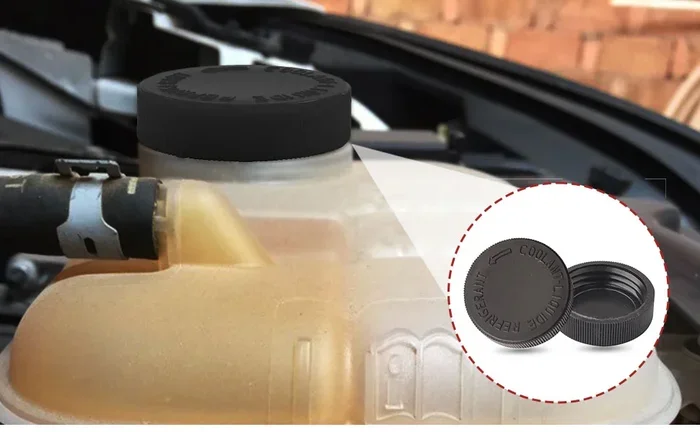
Open the hood and look for the translucent plastic tank connected to the radiator by a hose. It usually has minimum and maximum markings on the side. This is your coolant reservoir, and it is where you should check the level.
Step 3: Check the Level
Look at the side of the reservoir. The coolant should sit between the minimum and maximum lines. If it is below the minimum line, you need to add more. If it is above the maximum, you have overfilled and should carefully remove some fluid.
Step 4: Add the Correct Coolant
If the level is low, slowly remove the reservoir cap and pour in the correct coolant mixture. Use distilled water if you are mixing concentrated coolant yourself. Fill to the maximum line but do not overfill. Replace the cap securely when you are done.
Quick tip: If you are in a pinch and need to add fluid immediately, you can top up with plain distilled water temporarily. But get the proper coolant mixture added as soon as possible. Water alone does not provide the same anti-corrosion and freeze protection.
Step 5: Run the Engine and Recheck
Start the engine and let it run for a few minutes. The coolant will circulate and the level may drop slightly as air bubbles escape. Turn off the engine, wait for it to cool, and check the reservoir again. Top up if needed.
If you find yourself constantly needing to add coolant, that could be a sign of a coolant leak. In that case, it is worth inspecting the system or visiting a mechanic. Also, if you are dealing with a situation where the reservoir is completely empty, you might want to check our guide on can I add coolant if it is empty for more detailed steps.
Quick Tips for Coolant Maintenance
- Always use distilled water when mixing coolant. Tap water contains minerals that can cause buildup.
- Wear gloves when handling coolant. It can irritate your skin.
- Keep coolant away from pets. It tastes sweet but is highly toxic.
- Store coolant in a sealed container in a cool, dry place.
- Dispose of old coolant properly at a recycling centre. Never pour it down the drain.
Common Coolant Problems and Warning Signs
Even with regular maintenance, cooling system problems can happen. Knowing the warning signs helps you catch issues early before they turn into major repairs.
Overheating Engine
If your temperature gauge climbs into the red zone, pull over safely and turn off the engine. An overheating engine can cause warped cylinder heads, blown head gaskets, or cracked engine blocks. Check your coolant level once the engine has cooled. If it is low, a leak is likely the culprit.
Coolant Leaks
Puddles of coloured fluid under your car are a clear sign of a leak. Coolant is usually bright green, orange, pink, or blue. Leaks can come from hoses, the radiator, the water pump, or the heater core. Even a small leak can drop your fluid level enough to cause overheating over time.
Coolant Warning Light
Most modern vehicles have a dashboard warning light shaped like a thermometer or a temperature gauge. If this light comes on, do not ignore it. Pull over safely and check your coolant level. If you need to clear any error codes after resolving the issue, you can refer to our guide on how do I manually clear my car codes for helpful instructions.
Sludge or Discoloured Coolant
Healthy coolant is usually bright and translucent. If you open the reservoir and see brown, rusty, or oily fluid, your cooling system may have contamination. Sludge can clog hoses and prevent proper coolant flow. This is a sign that a full cooling system flush is needed.
When to Flush and Replace Your Coolant
Coolant does not last forever. Over time, it breaks down and loses its ability to protect your engine. Regular flushing and replacement are key parts of routine vehicle maintenance.
Recommended Replacement Intervals
Most manufacturers recommend flushing and replacing coolant every 30,000 to 50,000 miles, or every 3 to 5 years. However, this can vary. Some long-life coolants can go up to 100,000 miles or five years. Always check what your specific vehicle requires. You will find this information in the maintenance schedule section of your owner manual.
How to Flush Your Cooling System
A coolant flush involves draining the old fluid, rinsing the system with water or a cleaning solution, and refilling with fresh coolant. Here is a simplified overview of the process:
- Let the engine cool completely.
- Place a drain pan under the radiator petcock.
- Open the petcock and let the old coolant drain out.
- Close the petcock and fill the system with distilled water.
- Run the engine for 10 to 15 minutes with the heater on full blast.
- Let the engine cool and drain the water.
- Repeat if necessary until the drained water runs clear.
- Close the petcock and refill with the correct coolant mixture.
- Bleed any air from the system following your vehicle’s specific procedure.
If you are not comfortable doing this yourself, a mechanic or dealership can perform the flush for you. And if you are wondering about other maintenance tasks, you might also be interested in whether you do I really need to change synthetic oil every 6 months, as oil and coolant maintenance often go hand in hand for overall engine health.
Signs Your Coolant Needs Replacing Soon
- The coolant has changed colour or become cloudy.
- You notice a sweet smell coming from the engine bay.
- Your heater is not blowing hot air.
- The temperature gauge fluctuates more than usual.
- You have not had a coolant change in over 3 years or 50,000 miles.
Maintaining Your Cooling System for Long-Term Health
Taking care of your cooling system goes beyond just checking the fluid level. A few simple habits can extend the life of your engine and keep your car cooling system in great shape for years.
Inspect your hoses and belts regularly. Look for cracks, swelling, or soft spots. A hose that looks fine on the outside can be failing on the inside. Replace any hoses that show signs of wear. Also, check your radiator cap periodically. A worn cap can fail to hold the correct pressure, which affects the entire system’s performance.
Keep your radiator clean. Bugs, dirt, and debris can build up on the front of the radiator and block airflow. Use a soft brush or gentle water spray to clean it during regular car washes. And do not forget about your engine air filter. While it does not directly affect the cooling system, a clean air filter helps your engine run more efficiently and at a better temperature. You might be surprised to learn that you can often clean my engine air filter instead of replacing it in certain situations, saving you money and reducing waste.
Finally, keep up with your regular service schedule. Oil changes, coolant flushes, and inspections all work together to protect your engine from heat-related damage. Think of your cooling system as part of a bigger picture. Every maintenance task supports the others and helps your vehicle run at its best.
If you are working on your vehicle and want to understand more about fluid capacities and maintenance needs, our guide on how do I upgrade my vehicle covers additional tips for keeping your car in top condition.
Conclusion
So, how many litres of coolant do you need? The honest answer is it depends on your vehicle. Most cars need somewhere between 4 and 8 litres, but the exact number comes from your owner manual. Take the time to find it. It is the single best way to make sure your cooling system is filled correctly and working as it should.
Remember to use the right type of coolant, check your levels regularly, and never ignore warning signs like overheating or a low coolant light. A few minutes of attention now can save you from thousands of pounds in engine repairs later. Your cooling system is one of the most important systems in your entire vehicle. Treat it well, and it will keep your engine running cool and strong for many miles to come.
Stay on top of your maintenance schedule, keep your fluids at the right levels, and drive with confidence knowing your engine is properly protected.
Frequently Asked Questions
Can I mix different types of coolant?
It is best not to mix different coolant types. Combining incompatible coolants can create a gel-like substance that clogs your cooling system and reduces its effectiveness. Always use the type recommended in your owner manual.
What happens if I overfill my coolant reservoir?
Overfilling can cause pressure buildup when the coolant expands from heat. This may lead to leaks from the radiator cap, hoses, or reservoir. Excess coolant can also be sucked into the engine through the overflow hose, which is not ideal. Always fill to the maximum line only.
Can I use water instead of coolant in an emergency?
Yes, in an emergency you can top up with distilled water to get to a safe level. However, water does not provide anti-corrosion or freeze protection. Get the proper coolant mixture added as soon as possible. Never use tap water, as the minerals can cause buildup inside your system.
How often should I check my coolant level?
It is a good habit to check your coolant level at least once a month. Also check it before any long road trips. Make sure the engine is cool before you open the reservoir cap. This simple habit can help you catch leaks early and prevent overheating.
Is a coolant flush really necessary?
Yes, a coolant flush is necessary to remove old, contaminated fluid and deposits from your cooling system. Over time, coolant breaks down and loses its protective properties. Flushing and replacing it on schedule keeps your engine protected from overheating and corrosion.
Can low coolant cause engine damage?
Absolutely. Low coolant means your engine is not getting proper cooling. This can lead to overheating, which can cause warped cylinder heads, blown head gaskets, and even a cracked engine block. If your coolant is low, find and fix the leak and refill the system promptly.