How Do You Read How Much Oil Is Left In Your Car Engine
Knowing how to read how much oil is left in your engine is one of the simplest yet most important things you can do for your car. Whether you use a dipstick, an oil life monitor, or a digital gauge, understanding your oil level helps prevent costly engine damage. This guide walks you through every method in plain, easy-to-follow steps so anyone can do it at home.
Your car’s engine is like its heart. And just like a heart needs blood to work, your engine needs oil to keep everything running smoothly. But how do you actually know how much oil is left? It sounds like a simple question, yet many drivers put it off until something goes wrong. This guide will show you exactly how to read your oil level using every common method available today.
Whether you drive a new vehicle with digital displays or an older model with a traditional dipstick, understanding your oil level reading is essential. We will walk you through each step in plain language. You will learn what the marks mean, how to avoid common mistakes, and when it is time for an oil change. By the end, you will feel confident checking your oil like a pro.
Let us be real for a second. Most people ignore their oil until the dashboard light comes on. That is a risky habit. Checking your engine oil takes only about two minutes. Doing it regularly can save you thousands in repair costs. So let us dive in and break it all down.
Key Takeaways
- Dipstick reading is the most reliable way to manually check your oil level and should be done regularly.
- Oil life monitors and warning lights give you electronic readings but should be verified with a physical check.
- Checking oil when the engine is cool gives you the most accurate reading.
- Low oil can cause serious engine damage, so never ignore warning signs.
- Overfilling oil is just as dangerous as running low, so always stay between the minimum and maximum marks.
- Regular oil checks extend engine life and save you from expensive repairs down the road.
📑 Table of Contents
Understanding Your Car’s Oil Level
Before you grab any tools, it helps to understand what you are actually looking at. Your engine has an oil reservoir that holds a specific amount of lubricant. This reservoir has minimum and maximum markers that tell you whether the level is safe. Reading these markers correctly is the first step to keeping your engine healthy.
What the Oil Marks Mean
On most dipsticks, you will see two small holes or raised lines. These represent the safe operating range for your oil. The lower mark means your oil is getting low. The upper mark means it is full. Anything between these two points is where you want to be.
- Minimum mark: This is the lowest safe level. If your oil is at or below this line, you need to add oil soon.
- Maximum mark: This is the highest safe level. Do not overfill past this point.
- Safe zone: The area between minimum and maximum where your engine is properly lubricated.
Some modern vehicles use a digital oil gauge instead of a physical dipstick. These displays show your oil level as a percentage or a simple bar graph. While they are convenient, they can sometimes be less accurate than a manual reading. That is why knowing how to use a dipstick is still a valuable skill.
Why Oil Level Matters So Much
Oil reduces friction between moving parts inside your engine. Without enough oil, metal parts grind against each other. This causes heat, wear, and eventually engine failure. Running your car with low oil is one of the fastest ways to destroy an engine. On the flip side, too much oil can cause foaming and pressure problems. Both extremes are bad news.
If you have ever wondered can you tell if your car is low on oil, the answer is yes. There are several warning signs we will cover below. But the most reliable method is always a direct reading using the dipstick or digital display.
How to Use the Dipstick to Check Oil
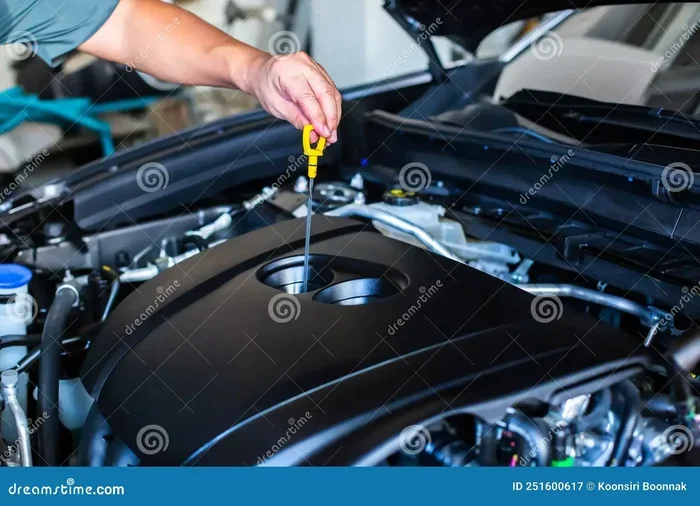
The dipstick is the most common tool for measuring your oil level. It is a long, thin metal rod with a handle that slides into the engine block. When you pull it out, the oil coating on the tip shows you exactly where your level stands. Here is how to do it right.
Step-by-Step Dipstick Reading
- Park on a level surface. This ensures the oil settles evenly in the reservoir. Do not check oil on a hill or incline.
- Turn off the engine. Wait at least 5 to 10 minutes. This lets the oil drain back into the reservoir for an accurate reading.
- Open the hood. Locate the dipstick handle. It usually has a brightly colored tab, often yellow or orange.
- Pull the dipstick out. Wipe it clean with a rag or paper towel. This removes old oil so you can get a fresh reading.
- Reinsert the dipstick fully. Push it all the way back in to ensure the tip reaches the bottom of the reservoir.
- Pull it out again. Look at the oil coating on the tip. Check where it falls between the minimum and maximum marks.
The oil on the dipstick should look amber or brown. If it looks black and gritty, it is time for an oil change. If it looks milky or frothy, you may have a coolant leak. Both situations need attention right away.
Pro Tips for Accurate Dipstick Readings
Getting a good reading is all about the details. Here are some tips that make a big difference:
- Always check your oil in the morning before starting the car. This gives the oil time to settle overnight.
- Do not check oil right after driving. Hot oil expands and may give a falsely high reading.
- Use the same dipstick every time. Different dipsticks can have slightly different calibrations.
- Make sure the oil fill cap is tightened before checking. A loose cap can cause inaccurate readings.
If you are unsure about your reading, compare it to your vehicle’s manual. Every car has a specific oil capacity listed by the manufacturer. This tells you exactly how much oil your engine needs when full.
Reading the Oil Life Monitor and Warning Lights
Many newer vehicles come equipped with an oil life monitor. This electronic system tracks your driving habits and engine conditions to estimate when your oil needs replacing. It also sometimes displays your current oil level. Understanding what these systems tell you is key to proper car maintenance.
How the Oil Life Monitor Works
The oil life monitor uses sensors and algorithms to track factors like engine temperature, driving time, and RPM. It then calculates a percentage that tells you how much life your oil has left. For example, if your monitor reads 15%, your oil is nearing the end of its useful life.
You might wonder, at what percent oil life should you change oil? Most manufacturers recommend changing your oil when the monitor drops to around 10% to 15%. Some vehicles will automatically remind you with a dashboard message. Do not ignore these alerts.
Dashboard Warning Lights Explained
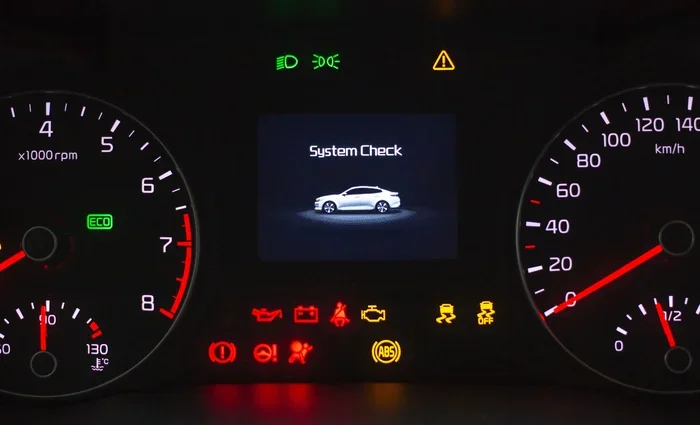
Your dashboard has several lights related to oil. Here is what each one means:
- Oil pressure warning light: This looks like an oil can symbol. It means your oil pressure is too low. Stop the engine immediately and check your oil level.
- Oil change reminder light: This is usually a maintenance symbol. It tells you it is time for a scheduled oil change.
- Check engine light: While this can mean many things, low oil level is one possible cause.
If you see the oil pressure warning light, do not keep driving. Pull over safely and turn off the engine. Continuing to drive with low oil pressure can cause catastrophic engine damage. If you are unsure about what these lights mean, check our guide on how to run diagnostics without a check engine light for more help.
What Your Oil Level Reading Tells You
A single oil reading can tell you a lot about your engine’s health. But it is not just about the level. The color, texture, and smell of the oil also provide important clues. Let us break down what different readings mean.
Low Oil Level
If your dipstick shows oil below the minimum mark, your engine is running low. This can happen for several reasons:
- Natural oil consumption over time. All engines burn a small amount of oil during normal operation.
- Oil leaks from the oil pan, gaskets, or seals.
- Recent engine work that may have caused a slow drip.
When you notice low oil, add the correct type of oil recommended by your manufacturer. You can find this information on the oil fill cap or in your owner’s manual. If you consistently need to add oil between changes, there may be a leak that needs professional attention.
High Oil Level
Overfilling your engine with oil might sound harmless, but it can cause real problems. Excess oil creates foam inside the crankcase. This foam reduces the oil’s ability to lubricate properly. In severe cases, it can cause oil to enter the combustion chamber and damage your catalytic converter.
If you accidentally overfill, do not panic. You can carefully drain the excess oil or have a mechanic do it for you. Just remember, can I drive my car with too much oil in it? It is risky and should be corrected as soon as possible.
Dirty or Contaminated Oil
The level is only part of the picture. The condition of your oil matters too. Fresh oil is smooth and amber-colored. As it ages, it darkens and collects debris. Very dark, thick oil means it has done its job and needs to be replaced. Clean oil protects your engine. Dirty oil accelerates wear and tear.
Common Mistakes When Checking Oil
Even simple tasks can go wrong if you do not pay attention. Here are the most common mistakes drivers make when checking their oil level.
Checking Oil with the Engine Running
This is probably the biggest mistake people make. When the engine is running, the oil is circulating and not settled in the reservoir. Your reading will be inaccurate and usually show a falsely low level. Always wait for the engine to cool down before checking.
Not Reading the Dipstick on a Level Surface
If your car is parked on a slope, the oil pools to one side of the reservoir. This gives you a skewed reading. Always park on flat ground and wait a few minutes for the oil to settle before pulling the dipstick.
Confusing the Oil Life Monitor with Oil Level
Some drivers see the oil life percentage drop and assume it means they are low on oil. The oil life monitor tracks time and driving conditions, not actual oil volume. These are two separate systems. You can have plenty of oil but still need an oil change based on the life monitor.
Forgetting to Reinsert the Dipstick Fully
This sounds silly, but it happens more often than you would think. If you do not push the dipstick all the way back in before pulling it out again, you will get a false reading. Always make sure it clicks or seats fully into the tube.
Ignoring the Oil Warning Signs
Some drivers see the oil pressure light and decide to just keep driving to their destination. This is incredibly dangerous. The oil pressure light means your engine is not getting the lubrication it needs. Even a few minutes of driving without oil can cause permanent damage. Stop safely and address the issue immediately.
When to Change Your Oil Based on the Reading
Checking your oil level is only half the battle. Knowing when to actually change the oil is equally important. The reading you get from your dipstick or monitor gives you the data you need to make this decision.
Oil Change Intervals
Most modern cars can go between 5,000 and 10,000 miles between oil changes. However, this depends on several factors:
- The type of oil you use (conventional vs. synthetic).
- Your driving conditions (city driving vs. highway driving).
- Your vehicle’s age and mileage.
- Whether you tow or carry heavy loads.
Check your owner’s manual for the manufacturer’s recommended interval. You can also rely on your vehicle’s oil life monitor for a personalized recommendation.
Can You Negotiate the Price of an Oil Change?
If you are getting your oil changed at a shop, you might be able to negotiate the price. Many independent shops are willing to offer discounts, especially if you bring your own oil. Dealerships are sometimes more flexible than you think. It never hurts to ask. Our guide on can you negotiate the price of an oil change has more tips on saving money.
Resetting After an Oil Change
Once you have completed your oil change, do not forget to reset the oil life monitor. Most vehicles have a simple reset procedure in the owner’s manual. If you are unsure, check our article on do you reset after an oil change for a quick walkthrough of the process for popular vehicle brands.
Expert Insights on Oil Reading
We spoke with certified mechanics about the most common questions they hear about oil levels. Here is what the experts want you to know.
Check your oil at least once a month. This is the single most important habit you can build. It takes less than five minutes and gives you peace of mind. Catching a slow leak early can save you from a much bigger problem later.
Do not skip oil changes even if the level looks fine. Oil degrades over time even if the level remains correct. The additives that protect your engine break down, and the oil loses its effectiveness. Regular changes keep your engine running at its best.
Use the oil weight recommended by your manufacturer. Using the wrong viscosity can affect your oil reading and your engine’s performance. The correct weight is listed on the oil fill cap or in the owner’s manual.
Keep a log of your oil checks. Writing down your readings over time helps you spot trends. If you notice the level dropping faster than usual, it could signal a leak or burning oil issue that needs attention.
During an oil change, experienced mechanics also check the transmission fluid and other vital fluids. This is part of a full maintenance inspection that keeps your vehicle running safely and efficiently.
Key Takeaways
- Dipstick reading is the most reliable way to manually check your oil level and should be done regularly.
- Oil life monitors and warning lights give you electronic readings but should be verified with a physical check.
- Checking oil when the engine is cool gives you the most accurate reading.
- Low oil can cause serious engine damage, so never ignore warning signs.
- Overfilling oil is just as dangerous as running low, so always stay between the minimum and maximum marks.
- Regular oil checks extend engine life and save you from expensive repairs down the road.
Frequently Asked Questions
How do you read how much oil is left using a dipstick?
Pull the dipstick out, wipe it clean, reinsert it fully, then pull it out again. Look at the oil coating on the tip and check where it falls between the minimum and maximum marks. The oil level should be somewhere between these two lines for a safe reading.
How often should you check your oil level?
Most mechanics recommend checking your oil at least once a month. You should also check it before any long road trips. Regular checks help you catch leaks early and keep your engine properly lubricated at all times.
Can you drive with low oil in the engine?
You should not drive with low oil. Even a short distance without enough oil can cause serious engine damage. If your oil is low, add the correct type of oil immediately before driving. If the oil pressure warning light is on, stop driving and check the level right away.
What is the difference between oil level and oil life?
Oil level refers to how much oil is physically in the reservoir, measured by the dipstick. Oil life refers to how much life the oil has left before it needs to be replaced, tracked by the oil life monitor. These are two separate systems and both are important for engine maintenance.
What should you do if the oil level is below the minimum mark?
Add oil gradually, checking the level frequently as you go. Use the oil type and weight recommended by your vehicle’s manufacturer. Do not overfill. If you find yourself frequently needing to add oil, have a mechanic inspect your vehicle for leaks.
Does the oil warning light mean you are completely out of oil?
Not necessarily. The oil warning light can come on when oil pressure drops, which can happen even if there is still some oil in the system. It could indicate a leak, a failing oil pump, or low oil level. Always check your oil immediately when this light appears.
=== CONCLUSION ===
Reading how much oil is left in your engine is a simple skill that every driver should master. It takes just a few minutes and can save you from expensive repairs, unexpected breakdowns, and serious engine damage. Whether you rely on a traditional dipstick, a digital gauge, or an oil life monitor, the key is to check regularly and understand what the readings mean.
Remember to always check your oil on a level surface with the engine cool. Stay between the minimum and maximum marks, and never ignore warning lights or strange symptoms. Your engine works hard for you every day. Giving it the care it needs through regular oil checks is one of the best things you can do as a car owner.
Take a few minutes today to check your oil. You will be glad you did. And if you ever notice something unusual, do not wait. Address it early and your engine will thank you for years to come. Knowing how to read how much oil is left is more than just a maintenance task. It is a habit that protects your investment and keeps you safe on the road.