Is $60 Too Much For An Oil Change
Many drivers wonder if $60 is too much for an oil change, and the answer depends on your vehicle, oil type, and where you go. The average oil change cost ranges from $35 to $75, making $60 a fair mid-range price for most cars. Understanding what factors into the price helps you make confident decisions about your car maintenance.
You pull into the garage and see the bill: $60 for an oil change. Your first thought might be, “Is $60 too much for an oil change?” The short answer is no, not really. But the full story is a bit more interesting than a simple yes or no.
Oil change pricing has changed a lot over the past decade. What used to be a $20 routine task now falls somewhere between $35 and $75 for most vehicles. That $60 price tag sits comfortably in the middle of the normal range. Understanding why oil changes cost what they do helps you feel confident every time you pay for one.
Let’s break down the real oil change cost, what you’re actually paying for, and how to make sure you’re not overpaying. Whether you drive a daily commuter or a family SUV, this guide covers everything you need to know about oil change pricing in 2024.
Key Takeaways
- Average Cost Range: A standard oil change typically costs between $35 and $75, with $60 sitting right in the middle of the normal range.
- Oil Type Matters: Synthetic oil changes cost more than conventional oil, often adding $10 to $20 to the total bill.
- Location Affects Price: Dealerships usually charge more than independent shops, but they often include extra inspections and quality parts.
- Savings Are Possible: Using coupons, DIY oil changes, and loyalty programs can significantly reduce your oil change cost.
- Regular Changes Protect Your Engine: Skipping or delaying oil changes leads to expensive engine repairs down the road.
- Know What You’re Paying For: A $60 oil change often includes the oil filter, basic inspection, and disposal fees.
📑 Table of Contents
- What’s the Average Oil Change Cost?
- Why Does an Oil Change Cost $60?
- Dealership vs. Independent Shop: Where Should You Go?
- How to Save Money on Your Next Oil Change
- Is It Worth Paying More for a Premium Oil Change?
- When to Skip the Deal and Do It Yourself
- Common Mistakes That Lead to Overpaying
- How Often Should You Really Change Your Oil?
- What Happens If You Skip or Delay an Oil Change?
- Quick Tips for Your Next Oil Change
- Final Thoughts
What’s the Average Oil Change Cost?
The average oil change cost in the United States sits around $53 to $65 for a conventional oil change. Synthetic oil changes run higher, typically between $70 and $100. So where does $60 fit in? Right in the sweet spot for most standard oil changes using conventional or blend oils.
Several factors determine where your specific oil change falls on the price spectrum. Your vehicle type plays a big role. A compact sedan needs less oil than a full-size truck, which directly affects the price. The type of oil you choose matters just as much.
Conventional vs. Synthetic Oil Pricing
Conventional oil is the most affordable option. It works well for older vehicles and everyday driving. A conventional oil change usually costs between $35 and $55.
Synthetic oil offers better protection and lasts longer. It flows better in cold weather and handles high temperatures more effectively. That’s why a synthetic oil change costs more, typically $65 to $100. If your owner’s manual calls for synthetic, paying the higher price is worth it.
High-mileage oils fall somewhere in between. They cost a bit more than conventional oil but less than full synthetic. These oils contain extra additives designed for engines with over 75,000 miles.
| Oil Type | Average Cost Range | Best For |
|---|---|---|
| Conventional | $35 – $55 | Older vehicles, low-mileage drivers |
| Synthetic Blend | $45 – $70 | Moderate driving conditions |
| Full Synthetic | $65 – $100 | Newer vehicles, extreme temperatures |
| High-Mileage | $50 – $75 | Vehicles over 75,000 miles |
So when you ask, “Is $60 too much for an oil change?” the answer is clearly no for most conventional and blend options. Even for synthetic, $60 is on the lower end of the range, which means you’re getting a good deal.
Why Does an Oil Change Cost $60?
Breaking down the oil change cost helps you understand where your money goes. A $60 oil change isn’t just about the oil itself. Several components make up the final price.
What’s Included in a $60 Oil Change?
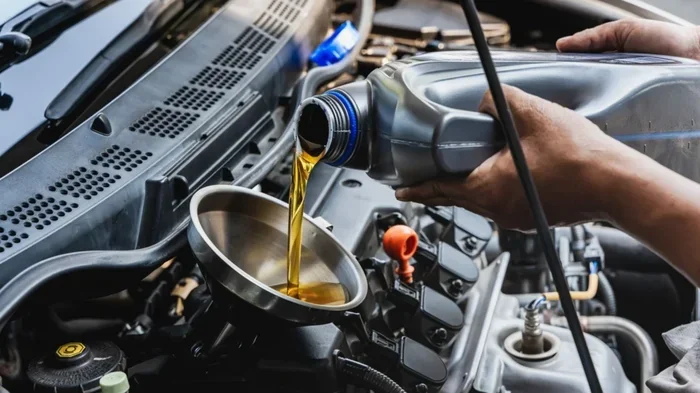
Most oil change services at this price point include several things. You get the engine oil itself, which typically costs $15 to $30 depending on the type and quantity. The oil filter replacement adds another $5 to $10. Then there’s the labor charge, which usually runs $20 to $30 for a standard oil change.
Beyond the basics, many shops include additional services in their standard oil change package:
- Oil and filter disposal fees – proper handling of used materials
- Basic vehicle inspection – checking fluids, belts, and hoses
- Tire pressure check – ensuring safe driving conditions
- Windshield fluid top-off – a small but useful addition
- Multi-point inspection – some shops include a more thorough check
When you add up all these services, $60 starts to look like a fair price. You’re not just buying oil. You’re paying for expertise, proper disposal, and a quick check-up on your vehicle’s health.
It’s also worth noting that many mechanics check other fluids during an oil change, which adds value beyond just the oil replacement. This kind of thorough service helps catch small problems before they become expensive repairs.
Dealership vs. Independent Shop: Where Should You Go?
One of the biggest factors in oil change pricing is where you go. The location you choose can swing the cost by $15 or more. Let’s compare the two main options.
Dealership Oil Changes
Dealerships typically charge more for oil changes. You might pay $65 to $90 at a dealership for the same service that costs $40 to $55 at an independent shop. So why do people still go to dealerships?
Dealerships use manufacturer-recommended parts and oils. Their technicians specialize in your specific vehicle brand. They also keep detailed service records, which matters for your warranty. If you’re still under warranty, going to the dealership is usually the safest choice.
However, dealerships are generally more expensive for oil changes compared to independent shops. You’re paying a premium for the brand name and specialized expertise.
Independent Shops and Quick Lubes
Independent shops and quick lube chains often provide the best value. You’ll find oil changes starting around $25 at some chains, with most falling in the $40 to $55 range. These shops can offer lower prices because they have lower overhead costs.
Many independent shops also offer quality service that matches or exceeds dealership standards. The key is finding a reputable shop with certified technicians and good reviews.
For most people who no longer have a new car warranty, an independent shop is the smarter financial choice. You save money without sacrificing quality.
How to Save Money on Your Next Oil Change
Nobody wants to overpay for routine maintenance. The good news is there are several easy ways to reduce your oil change cost without sacrificing quality.
Use Coupons and Promotions
Most oil change chains run regular promotions. Jiffy Lube, Valvoline, and Take 5 often offer coupons through their apps, email newsletters, and websites. Signing up for these takes two minutes and can save you $10 to $20 per visit.
Some shops also offer seasonal promotions. Back-to-school deals and holiday specials are common throughout the year. A quick online search for “oil change coupons near me” usually turns up current offers.
Check Your Owner’s Manual
Your vehicle’s owner’s manual tells you exactly how often you need an oil change. Many newer cars can go 7,500 to 10,000 miles between changes with synthetic oil. Following the manufacturer’s recommendation means you don’t get talked into unnecessary services.
If your manual says you can go 7,500 miles, there’s no need to come back every 3,000 miles. Sticking to the recommended oil change frequency saves you money over time.
Consider a DIY Oil Change
For those who are handy, changing your own oil is the ultimate money saver. A DIY oil change costs roughly $20 to $30 in materials. You’ll need basic tools, an oil drain pan, and a safe way to lift your vehicle.
Proper disposal of used oil is important. Most auto parts stores accept used oil for free recycling. This option works best if you’re comfortable with basic car maintenance and have a safe workspace.
Ask About Loyalty Programs
Many shops offer loyalty programs that reward repeat customers. After your third or fourth oil change, you might get a discount or a free service. These programs add up over time and make regular maintenance more affordable.
Is It Worth Paying More for a Premium Oil Change?
Some shops advertise premium oil change packages for $80 to $120. These include extra services like engine flushes, premium filters, and detailed inspections. The question is whether these upgrades are worth the extra cost.
For most drivers, a standard oil change is all you need. Premium packages make more sense for high-performance vehicles, vehicles with high mileage, or drivers in extreme conditions. If you regularly tow heavy loads or drive in very hot climates, the extra protection might justify the cost.
But for the average commuter driving 10,000 to 15,000 miles per year, a $60 oil change provides excellent protection. You don’t need to spend more unless your specific driving situation demands it.
When to Skip the Deal and Do It Yourself
DIY oil changes work well for many vehicle owners. If you have basic mechanical skills and the right tools, you can save a significant amount of money. A standard oil change kit costs around $25 to $40 and includes everything you need.
Here are some signs a DIY oil change makes sense for you:
- You own a common vehicle with easy access to the oil drain plug
- You have a garage or safe workspace with a level surface
- You’re comfortable working under your vehicle
- You want to save money on routine maintenance
- You have the right tools and disposal plan for used oil
On the other hand, some vehicles make DIY oil changes difficult. Engines with tight spaces or hidden drain plugs can make the process frustrating. In these cases, paying a professional is the better choice.
Also, if you’re still under warranty, check whether your manufacturer requires professional oil changes to maintain coverage. Going the DIY route could potentially void your warranty if it’s not done properly.
Common Mistakes That Lead to Overpaying
Avoiding common oil change mistakes keeps you from spending more than you need to. Here are a few things to watch out for:
- Letting shops upsell unnecessary services – If they recommend a fuel system cleaning or transmission flush during your oil change, ask whether it’s truly needed.
- Ignoring your owner’s manual – Don’t follow a one-size-fits-all recommendation. Your vehicle’s manual is the best guide.
- Choosing the cheapest option every time – The lowest price doesn’t always mean the best value. Look at what’s included in the service.
- Skipping oil changes entirely – This is the most expensive mistake of all. Neglecting oil changes leads to engine damage that costs thousands to repair.
Many people don’t realize that you can negotiate the price of an oil change at some shops, especially independent garages. It never hurts to ask, especially if you’re a regular customer or bringing in multiple vehicles.
How Often Should You Really Change Your Oil?
The old rule of changing oil every 3,000 miles is outdated for most modern vehicles. Advances in oil technology and engine design have extended the recommended intervals significantly.
Most newer vehicles can go 5,000 to 7,500 miles between oil changes. Vehicles using full synthetic oil can sometimes go up to 10,000 miles. The key is following your owner’s manual and monitoring your driving conditions.
Severe driving conditions include stop-and-go traffic, extreme heat or cold, towing heavy loads, and short trips under five miles. If you drive in these conditions regularly, you might need more frequent oil changes.
Your oil life monitoring system can also help guide you. Most modern vehicles have sensors that analyze driving conditions and tell you when an oil change is needed. Trusting this system is usually more accurate than following a fixed mileage schedule.
What Happens If You Skip or Delay an Oil Change?
Skipping an oil change might save you $60 today, but it costs much more in the long run. Old oil breaks down and loses its ability to lubricate engine parts. This leads to increased friction, heat buildup, and eventually engine wear.
Here’s what can happen if you delay too long:
- Sludge buildup – Old oil forms sludge that clogs passages and restricts oil flow
- Increased engine wear – Metal-on-metal contact damages internal components
- Overheating – Degraded oil can’t regulate engine temperature effectively
- Catastrophic engine failure – In extreme cases, a seized engine requires a full replacement
The cost of a new engine ranges from $4,000 to $8,000 or more. Compared to that, a $60 oil change is a bargain. Regular oil changes are one of the cheapest and most effective ways to protect your vehicle long-term.
Quick Tips for Your Next Oil Change
- Always check your owner’s manual for the recommended oil type and change interval
- Keep a record of your oil changes, including the date, mileage, and shop used
- Ask for a printed receipt that shows what services were performed
- Don’t be afraid to ask questions about the type of oil and filter being used
- Look for ASE-certified technicians at any shop you visit
- Consider joining a shop’s loyalty program for repeat discounts
Being an informed consumer puts you in a better position every time you visit an auto shop. Knowledge about oil change costs and processes gives you confidence that you’re making the right decision for your vehicle and your budget.
Final Thoughts
So, is $60 too much for an oil change? Absolutely not. In today’s market, $60 represents a fair and reasonable price for a standard oil change that includes quality oil, a new filter, and basic inspection services. Whether you choose a dealership or an independent shop, this price gives you good value for your money.
The most important thing is staying consistent with your oil change schedule. Regular oil changes are the single most impactful thing you can do to extend your engine’s life. Skipping or delaying them to save a little money now can lead to repairs that cost thousands later.
Find a trusted shop, keep up with your maintenance schedule, and don’t stress about a $60 oil change. Your vehicle will thank you for it with reliable performance and a longer lifespan.
Frequently Asked Questions
Is $60 a reasonable price for an oil change?
Yes, $60 is a very reasonable price for a standard oil change. The average oil change cost ranges from $35 to $75, so $60 sits right in the middle. You’re getting quality oil, a new filter, and basic inspection services for that price.
What type of oil change should I get for $60?
At $60, you should expect a conventional or synthetic blend oil change. This price range covers most standard vehicles using conventional or blend oils. If you need full synthetic oil, $60 is on the lower end but still achievable at many shops.
Can I negotiate the price of an oil change?
Yes, especially at independent shops, you can often negotiate the oil change price. Asking about current promotions, coupons, or discounts is always worth it. Many shops are willing to work with customers, particularly regulars or those bringing in multiple vehicles.
How often do I really need an oil change?
Most modern vehicles need an oil change every 5,000 to 7,500 miles. Check your owner’s manual for the specific recommendation for your vehicle. Driving conditions also matter – severe driving may require more frequent changes.
Is it cheaper to change your own oil?
Yes, a DIY oil change costs roughly $20 to $30 in materials, which is significantly cheaper than paying a shop $40 to $75. However, you need the right tools, workspace, and proper disposal plan for used oil. It’s a great option if you’re comfortable with basic car maintenance.
What happens if I wait too long between oil changes?
Delaying oil changes leads to degraded oil that can’t properly lubricate your engine. Over time, this causes sludge buildup, increased wear, overheating, and potentially catastrophic engine failure. The cost of engine repairs far exceeds the savings from skipping oil changes.