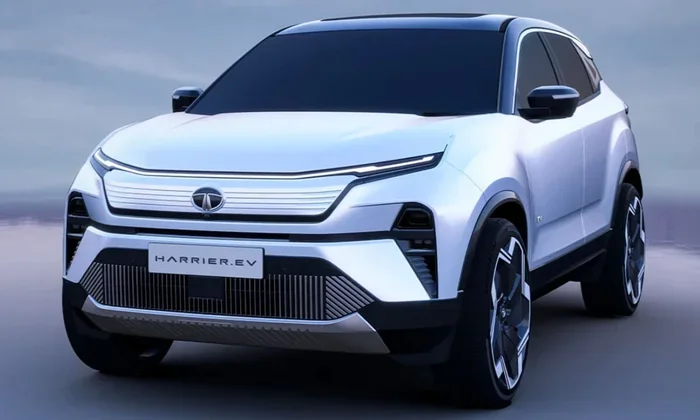
Does a Car Have 2 Axles or 4 Axles and Why It Matters
Most standard cars have 2 axles, one in the front and one in the rear, but some larger vehicles can have 4 or more. Knowing how many axles your car has helps you understand drivetrain type, weight capacity, and maintenance needs. This guide breaks down everything you need to know about car axles in simple, easy-to-understand terms.
Key Takeaways
- Standard cars have 2 axles: One front axle and one rear axle handle most passenger vehicles.
- Axle count affects performance: More axles mean better weight distribution and towing capacity.
- Two main axle types exist: Live axles and dead axles serve different purposes in your vehicle.
- Signs of axle problems include: Clicking noises, vibration, and grease leaks near the wheels.
- Axle maintenance matters: Regular checks can prevent costly repairs and keep you safe on the road.
- Vehicle size determines axle count: Trucks, SUVs, and commercial vehicles often have more than 2 axles.
📑 Table of Contents
- Does a Car Have 2 Axles or 4? The Simple Answer
- What Exactly Is an Axle and Why Does It Matter?
- How Many Axles Does a Standard Car Have?
- The Two Main Types of Axles You Should Know
- How to Tell How Many Axles Your Car Has
- Common Signs of Axle Problems and What to Do
- Why Axle Count Affects Your Driving Experience
- Final Thoughts on Car Axles
Does a Car Have 2 Axles or 4? The Simple Answer
Here is the short answer. Most regular passenger cars have exactly 2 axles. One axle sits in the front, and the other sits in the rear. Each axle connects the wheels on that side and helps transfer power from the engine to the ground.
But the full story is a bit more interesting than that. The number of axles depends on the type of vehicle you drive. A small sedan has 2. A large pickup truck might have 3 or even 4. And some commercial vehicles go way beyond that. So when someone asks, “does a car have 2 axles or 4,” the real answer is: it depends on the vehicle.
Understanding your car’s axle setup is not just trivia. It affects how your vehicle handles, how much weight it can carry, and what kind of maintenance it needs. In this article, we will walk through everything you need to know about car axles in plain language. No confusing jargon. Just clear, helpful information you can use right away.
What Exactly Is an Axle and Why Does It Matter?
An axle is a central shaft that connects the wheels on each side of your vehicle. It is one of the most important parts of your car drivetrain. Without axles, your wheels would not turn, and your car would not move.
Think of the axle as the backbone of your vehicle’s wheel system. It does three big jobs at once:
- Transfers power: It sends engine power to the wheels so your car can move forward or backward.
- Supports weight: It holds up the weight of the vehicle and anything you carry inside it.
- Keeps wheels aligned: It ensures both wheels on each side rotate together smoothly.
When an axle wears out or breaks, you will notice it right away. Your car might pull to one side, make strange noises, or vibrate while driving. That is why knowing about your axle types and how they work is so important for every car owner.
How Axles Work With Your Suspension
Your axle does not work alone. It works hand in hand with your suspension system. The suspension absorbs bumps and keeps your ride smooth. The axle connects the wheels to the suspension and makes sure they move together as a team.
Some vehicles use a solid axle, which means both wheels on one side are connected by a single rigid shaft. Other vehicles use an independent suspension where each wheel moves on its own. Both setups rely on axles, but they work a bit differently.
How Many Axles Does a Standard Car Have?
The vast majority of passenger cars on the road today have 2 axles. This includes sedans, hatchbacks, coupes, and most small SUVs. Two axles means one front axle and one rear axle. Each axle has two wheels, giving you the standard four-wheel setup you see on most cars.
Here is why 2 axles is the norm for passenger vehicles:
- It is simple: A 2-axle design is easy to engineer and build.
- It is efficient: Fewer axles mean less weight and better fuel economy.
- It is practical: For daily driving and commuting, 2 axles provide more than enough performance.
So if you drive a Toyota Camry, Honda Civic, Ford Focus, or similar vehicle, your car almost certainly has 2 axles. But what about bigger vehicles? Let us look at that next.
When a Car Might Have More Than 2 Axles
Larger vehicles need more axles to handle extra weight. Here are some common examples:
- Trucks with dual rear wheels: These have 3 axles. The front axle steers, and the rear has two axles to support heavy loads.
- Large SUVs and vans: Some full-size SUVs and cargo vans use 3 or 4 axles for better weight distribution.
- Commercial trucks: Semi-trucks can have 5 or more axles depending on their size and purpose.
- Buses: Most buses have 4 or more axles to carry many passengers safely.
If you are wondering about your specific vehicle, you can always check the owner’s manual or look at the wheel count. A simple rule of thumb: count the pairs of wheels. Each pair usually sits on one axle.
The Two Main Types of Axles You Should Know
Not all axles are the same. There are two main categories that every car owner should understand. These are the live axle and the dead axle. Each one plays a different role in how your vehicle moves.
Live Axle: The Power Driver
A live axle is an axle that actually transmits power from the engine to the wheels. It rotates and moves the car forward. Most rear-wheel-drive vehicles use a live axle in the back. Many front-wheel-drive cars also use live axles up front.
Here are the key features of a live axle:
- It connects to the driveshaft: The driveshaft sends power from the engine to the live axle.
- It carries vehicle weight: It supports the rear (or front) of the car while also driving the wheels.
- It uses axle bearings: These bearings let the axle rotate smoothly inside the axle housing.
Live axles are strong and durable. They handle heavy loads well and are common in trucks and SUVs. However, they can add weight to the vehicle and may affect ride comfort compared to independent setups.
Dead Axle: The Free Rotator
A dead axle does not receive power from the engine. It simply rotates freely as the wheels turn. Dead axles are often found on the front of rear-wheel-drive vehicles or on the rear of front-wheel-drive cars. They are also called “lazy axles” because they just follow along for the ride.
The main job of a dead axle is to support weight, not to create movement. Think of it like a wheelbarrow. The wheelbarrow’s front axle does not have a motor. It just holds the front wheel in place while the user pushes.
Dead axles are lighter and simpler than live axles. They are common in many passenger cars where the front wheels handle steering and the rear axle handles power delivery.
How to Tell How Many Axles Your Car Has
Figuring out your car’s axle count is easier than you might think. You do not need a mechanic or fancy tools. Just follow these simple steps.
- Look at your car from the side. Count the pairs of wheels. A standard car has 2 pairs, meaning 2 axles.
- Check the wheel count. Each pair of wheels connects to one axle. Four wheels mean 2 axles. Six wheels mean 3 axles.
- Look under the car. If you can safely get underneath, you will see the axle shafts connecting the left and right wheels on each side.
- Consult your owner’s manual. The manual will list your vehicle’s specifications, including axle type and count.
If you are still unsure, a quick search for your vehicle’s year, make, and model online will give you the answer. Most automotive websites and forums have this information readily available.
Axle Count by Vehicle Type
Here is a quick comparison of common vehicle types and their typical axle counts:
- Sedan (Toyota Camry, Honda Accord): 2 axles
- Compact SUV (Toyota RAV4, Honda CR-V): 2 axles
- Pickup Truck (Ford F-150, Toyota Tacoma): 2 axles (some heavy-duty models have 3)
- Full-Size Truck (Ford F-350, Chevrolet Silverado HD): 3 axles or more
- Commercial Semi-Truck: 5 or more axles
This table shows why the question “does a car have 2 axles or 4” does not have a one-size-fits-all answer. Your vehicle type determines everything.
Common Signs of Axle Problems and What to Do
Axles work hard every time you drive. Over time, they can wear out, get damaged, or develop problems. Catching these issues early can save you from expensive axle repair cost and keep you safe on the road.
Warning Signs Your Axle Needs Attention
Watch out for these common symptoms of a failing axle:
- Clicking or popping noises when turning: This often means a worn CV axle joint. You might hear it when making sharp turns or parking.
- Vibration while driving: A damaged axle shaft can cause unusual vibrations, especially at higher speeds.
- Grease leaking near the wheels: Axle grease leaking out is a sign of a failing axle seal. Do not ignore this.
- Car pulling to one side: A bad axle can cause your vehicle to drift or pull to the left or right.
- Car won’t move even though the engine runs: This could indicate a broken axle shaft that has disconnected from the wheels.
If you notice any of these signs, get your vehicle checked as soon as possible. Driving on a damaged axle is dangerous and can lead to a complete loss of wheel control.
Quick Tips for Axle Maintenance
Good news! Keeping your axles in good shape is not rocket science. Here are some simple tips:
- Check for leaks regularly: Look under your car for any fresh grease or fluid near the wheels.
- Listen for unusual noises: Pay attention to any new sounds when turning or driving over bumps.
- Keep your tires properly inflated: Underinflated tires put extra stress on your axles.
- Avoid overloading your vehicle: Too much weight can damage axles faster than normal wear and tear.
- Get regular inspections: During oil changes or tire rotations, ask your mechanic to check the axles.
Taking care of your axles is one of the simplest ways to extend the life of your vehicle. It also helps you avoid unexpected breakdowns that can leave you stranded.
Why Axle Count Affects Your Driving Experience
You might wonder why the number of axles matters so much. After all, if your car drives fine with 2 axles, why should you care about the difference?
The answer comes down to three important factors: weight capacity, handling, and fuel efficiency. More axles distribute weight more evenly across the tires. This is why heavy trucks need extra axles, and why your how do I know how much weight my car can hold depends partly on the axle setup.
More axles also mean more contact points with the road. This improves traction, especially on wet or icy surfaces. However, more axles also add weight and friction, which can reduce fuel economy. That is why most passenger cars stick with just 2 axles.
For the average driver, 2 axles is the sweet spot. It offers a great balance of performance, efficiency, and comfort. But if you regularly haul heavy loads or tow trailers, understanding your axle setup becomes even more critical.
Final Thoughts on Car Axles
So, does a car have 2 axles or 4? For most passenger cars, the answer is 2. One front axle and one rear axle. That is all you need for safe, efficient daily driving.
But now you know the full picture. You understand what axles do, how they work, and when more axles come into play. You can spot the warning signs of axle trouble and take steps to prevent costly repairs.
The next time someone asks you about car axles, you will have a confident, clear answer. And more importantly, you will understand why those spinning shafts under your car are so essential to every trip you take.
Take a moment to appreciate your axles the next time you drive. They work quietly and reliably, mile after mile, keeping you safe and moving forward. A little attention and regular maintenance go a long way toward keeping them in great shape for years to come.
If you ever notice any of the warning signs we discussed, do not wait. Get your vehicle inspected promptly. Your axles, and your peace of mind, will thank you.
Frequently Asked Questions
How many axles does a standard car have?
A standard passenger car has 2 axles. One axle is in the front, and one is in the rear. Each axle connects a pair of wheels on each side of the vehicle.
Can a car have 4 axles?
Yes, some larger vehicles like trucks, buses, and heavy-duty SUVs can have 4 or more axles. These vehicles need extra axles to support their weight and carry heavy loads safely.
How do I know if my car has a bad axle?
Watch for clicking noises when turning, vibrations while driving, grease leaks near the wheels, or the car pulling to one side. If you notice any of these signs, get your axles checked right away.
What is the difference between a live axle and a dead axle?
A live axle transmits power from the engine to the wheels and rotates to move the car. A dead axle does not receive power and simply rotates freely as the wheels turn. Most passenger cars use a combination of both.
Does the number of axles affect fuel economy?
Yes, more axles add weight and friction, which can reduce fuel economy. That is why most passenger cars use only 2 axles. Vehicles that need more axles for heavy loads accept this trade-off for better weight distribution.
How much does it cost to replace a car axle?
The cost varies depending on the vehicle and the type of axle. On average, axle replacement can range from $300 to $1,000 per axle. Getting regular maintenance can help you avoid expensive replacements.