How Long to Disconnect Battery to Reset Check Engine Light
Disconnecting your battery to reset the check engine light typically takes about 15 to 30 minutes of waiting time after removing the cables. This simple method clears error codes and resets your vehicle’s ECU in most cars. However, the exact time depends on your car model, battery type, and how long you leave the terminals disconnected.
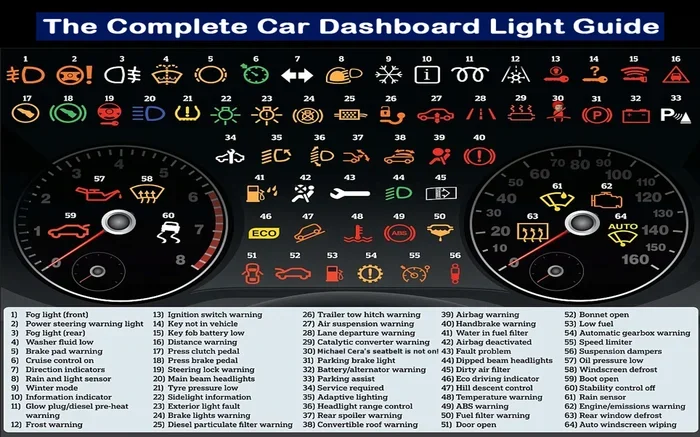
That little orange engine light on your dashboard can send anyone into a panic. One moment your car feels fine, and the next, you see a symbol that looks like a tiny engine staring back at you. It is frustrating, confusing, and honestly a bit scary.
Many car owners search for quick fixes when that light comes on. One of the most popular solutions people try is disconnecting the battery to reset the check engine light. It is simple, inexpensive, and does not require any special tools. But how long should you actually leave the battery disconnected? That is the question we are going to answer today.
In this guide, we will walk you through the exact timing, the step-by-step process, and what to expect after you reconnect everything. Whether you drive a Toyota, a Ford, or anything in between, this article has you covered. Let us dive right in.
Key Takeaways
- Wait 15 to 30 minutes after disconnecting the battery cables to fully reset the check engine light and clear error codes.
- Always disconnect the negative terminal first and reconnect it last for safety.
- This method works on most vehicles but may not clear deeply stored codes in some newer cars.
- Your radio presets and clock may reset after a battery disconnect, so be prepared to reconfigure them.
- A drive cycle is often needed after the reset to allow the ECU to relearn sensor values.
- An OBD scanner is a faster alternative if you want to clear codes without losing other settings.
- Recurring check engine lights may signal a deeper problem that needs professional attention.
📑 Table of Contents
- How Long to Disconnect Battery to Reset Check Engine Light
- Step-by-Step Guide to Disconnecting Your Battery
- What Happens When You Disconnect the Battery
- Common Mistakes to Avoid
- When Disconnecting the Battery Does Not Work
- Alternative Methods to Reset the Check Engine Light
- How to Prevent the Check Engine Light From Coming Back
- Conclusion
How Long to Disconnect Battery to Reset Check Engine Light
The short answer is 15 to 30 minutes. Most car experts recommend leaving the battery disconnected for at least 15 minutes to ensure the vehicle’s computer fully resets. Some cars need closer to 30 minutes, especially if the system has stored multiple error codes.
Here is why timing matters. When you disconnect the battery, you cut power to the Engine Control Unit (ECU). The ECU is your car’s brain. It stores diagnostic trouble codes, also known as DTCs, when something goes wrong. Leaving the battery disconnected long enough gives the ECU time to clear those codes and start fresh.
However, not all cars are the same. Older vehicles tend to reset quickly. Newer models with advanced computer systems might hold onto some codes even after a disconnect. That is why 30 minutes is a safer bet if you are unsure.
Factors That Affect Reset Time
Several things can change how long you need to wait. Let us look at the main factors.
- Car Model and Year: Newer cars from 2010 and later have more complex computer systems. They may take longer to fully reset.
- Battery Type: AGM batteries and standard lead-acid batteries behave slightly differently. Some hold residual charge longer.
- Number of Stored Codes: If your car has multiple error codes, the ECU might need more time to clear them all.
- Voltage Drain: Other systems in your car, like an alarm or radio, can slowly drain residual power. This affects how quickly the ECU forgets stored codes.
Quick Tip: If you want the fastest reset, remove both battery cables and wait 30 minutes. This gives the system plenty of time to fully power down and clear all stored data.
Step-by-Step Guide to Disconnecting Your Battery
Resetting your check engine light by disconnecting the battery is straightforward. But you need to follow the right steps to stay safe and get the best results.
Step 1: Gather Your Tools
You do not need much for this job. Here is what you will need:
- A wrench or socket set (usually 10mm)
- Rubber gloves for protection
- Safety glasses
- A memory saver (optional, but helpful)
A memory saver is a small device that plugs into your car’s OBD port or cigarette lighter. It keeps your radio presets, clock, and other settings intact while you disconnect the battery. If you do not have one, expect to reset your clock and radio after reconnecting.
Step 2: Turn Off the Engine and Remove the Keys
Make sure your car is completely off. Remove the key from the ignition or press the start button without the key fob inside. This prevents any electrical shorts while you work.
Step 3: Locate the Battery
Open your hood and find the battery. Most cars have the battery in the engine bay, but some vehicles store it in the trunk or under a seat. Check your owner’s manual if you are not sure.
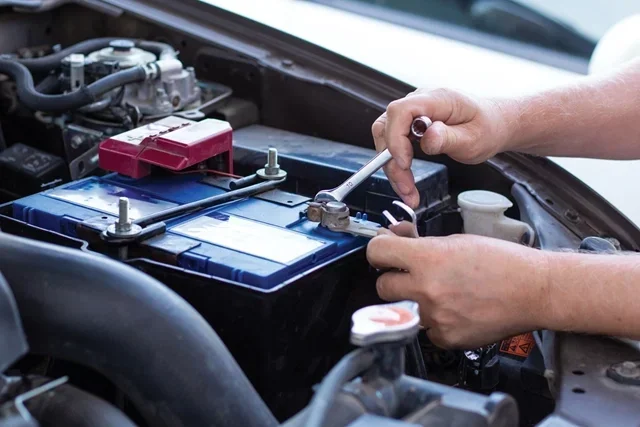
Step 4: Disconnect the Negative Terminal First
This is the most important safety step. Always disconnect the negative terminal first. The negative cable is usually marked with a minus sign (-) and often has a black cover.
Use your wrench to loosen the nut on the negative terminal clamp. Once loose, carefully lift the cable off the battery post. Tuck it away from the battery so it cannot accidentally touch the terminal again.
Step 5: Disconnect the Positive Terminal
Now disconnect the positive terminal. The positive cable is marked with a plus sign (+) and usually has a red cover. Loosen the nut and remove the cable. Keep both cables away from each other and the battery.
Step 6: Wait 15 to 30 Minutes
Now comes the waiting part. Set a timer and wait at least 15 minutes. For most vehicles, 30 minutes gives the best results. During this time, the ECU drains its remaining power and clears all stored diagnostic codes.
Step 7: Reconnect the Positive Terminal First
When the waiting time is up, reconnect the cables in reverse order. Attach the positive terminal first, then the negative terminal. Tighten both nuts securely.
Step 8: Start the Engine and Check
Turn the key or press the start button. The check engine light may stay on for a few seconds when you first start the car. That is normal. If the light stays off after a few seconds, your reset was successful.
Expert Insight: If the light comes back on immediately or within a few days, there is likely an underlying issue that needs to be addressed. A battery reset clears the light but does not fix the actual problem.
What Happens When You Disconnect the Battery
Understanding what actually happens during a battery disconnect helps you feel more confident about the process. Let us break it down.
The ECU Forgets Stored Codes
Your car’s Engine Control Unit stores information about everything going on under the hood. When a sensor reads outside the normal range, the ECU logs a diagnostic trouble code. These codes are what trigger the check engine light.
When you disconnect the battery, you remove power from the ECU. This causes the unit to forget all the stored codes. Without codes, the check engine light turns off. Simple as that.
Other Systems Reset Too
It is not just the ECU that resets. Several other systems lose their stored data when you disconnect the battery:
- Radio Presets: Your saved stations will be gone.
- Clock and Settings: The time and date will need to be reset.
- Power Window Calibration: Some cars need the windows recalibrated.
- Fuel Trim Values: The ECU relearns your driving habits from scratch.
- Adaptive Transmission Shifts: The transmission may feel slightly different for the first few drives.
Most of these resets are temporary. The systems relearn themselves within a few drives. But it is good to know what to expect so you are not caught off guard.
Voltage Reset and Electrical System Reboot
When the battery is disconnected, the entire electrical system undergoes a reboot. Think of it like restarting your computer. The system clears temporary glitches, refreshes connections, and starts with a clean slate. This is why a battery disconnect can sometimes fix minor electrical issues that come and go.
Common Mistakes to Avoid
Disconnecting a battery seems easy, but people make mistakes that can cause problems. Here are the most common ones to watch out for.
Disconnecting the Positive Terminal First
This is the number one mistake. If you disconnect the positive terminal first, you risk creating a short circuit. The wrench or socket can touch the car’s metal body, which is grounded. This can blow fuses, damage sensors, or even cause sparks.
Always, always disconnect the negative terminal first. This breaks the ground connection and makes the entire system safe to work on.
Not Waiting Long Enough
Some people disconnect the battery and reconnect it after just five minutes. That is not enough time. The ECU needs time to fully power down and clear all codes. If you reconnect too soon, the reset may not work.
Set a timer and be patient. Waiting the full 15 to 30 minutes makes a big difference.
Ignoring the Underlying Problem
A battery reset clears the light, but it does not fix the root cause. If your car has a loose gas cap, a failing oxygen sensor, or a misfire, the light will come back. Ignoring the real problem can lead to bigger issues and costly repairs down the road.
After resetting the light, pay attention to how your car runs. If you notice any unusual behavior, get a proper diagnostic scan done. You can also try clearing the check engine light yourself using an OBD scanner, which gives you more control over the process.
Forgetting to Reconnect the Negative Terminal Last
When you are done waiting, reconnect the cables in the correct order. Positive first, negative second. Reversing this order can cause sparks and potential damage to your car’s electrical components.
When Disconnecting the Battery Does Not Work
Sometimes, disconnecting the battery does not turn off the check engine light. If the light comes back on after you reconnect the battery and drive for a few minutes, something deeper is going on.
Permanent Error Codes
Some newer vehicles store what are called “permanent” or “pending” codes. These codes do not clear with a simple battery disconnect. They require a professional scan tool or a specific reset procedure unique to your car’s make and model.
Ongoing Electrical Issues
If your car has a wiring problem, a failing sensor, or a short circuit, the check engine light will keep coming back. A battery reset will not fix these issues. You need to identify and repair the actual fault.
Emission System Problems
Issues with your car’s emission system are a common reason for a persistent check engine light. These include problems with the catalytic converter, EVAP system, or exhaust gas recirculation valve. These need proper diagnosis and repair.
If the light keeps returning, it might be worth visiting a mechanic or using a home OBD scanner. You can also check if your check engine light is related to a previous repair or service by looking up your vehicle’s diagnostic trouble codes online.
In some cases, the light may turn off on its own if the issue was temporary. Learn more about whether a check engine light can turn off on its own in our detailed guide.
Alternative Methods to Reset the Check Engine Light
Disconnecting the battery is not the only way to reset the check engine light. Let us look at a couple of alternatives.
Using an OBD Scanner
An OBD scanner is a device that plugs into your car’s diagnostic port. It reads and clears error codes directly from the ECU. This method is faster and does not affect your radio presets or other settings.
OBD scanners range from basic code readers to advanced diagnostic tools. You can find affordable Bluetooth OBD scanners that connect to your phone for under $30. This is a great investment for any car owner who wants to understand what is going on with their vehicle.
Driving Through a Reset Cycle
Some cars clear certain codes after you complete a specific drive cycle. A drive cycle involves a series of starts, stops, and steady-state driving conditions. This method works for some vehicles but is not as reliable as a battery disconnect or OBD scan.
If you want to try this approach, check your owner’s manual for the specific drive cycle procedure for your car model.
Visiting a Mechanic or Auto Parts Store
Many auto parts stores offer free diagnostic scanning. They can read your codes, clear them, and tell you what might be causing the light. This is a convenient option if you do not want to disconnect your battery or buy a scanner.
Keep in mind that some stores may only read the codes and not clear them. Always call ahead to confirm their services.
How to Prevent the Check Engine Light From Coming Back
Once you have successfully reset the light, you probably want to keep it off. Here are some tips to help prevent it from returning.
- Check Your Gas Cap: A loose or damaged gas cap is one of the most common triggers. Make sure it clicks tightly after every fill-up.
- Keep Up with Regular Maintenance: Follow your manufacturer’s maintenance schedule. Regular oil changes, spark plug replacements, and air filter changes go a long way.
- Address Warning Signs Early: If you notice rough idling, reduced fuel economy, or unusual sounds, get your car checked right away.
- Use Quality Fuel: Cheap or contaminated fuel can trigger emission-related codes. Stick with reputable gas stations.
- Monitor Your Dashboard: Pay attention to other warning lights. They often give early hints before the check engine light comes on.
Taking care of your car goes a long way in keeping the check engine light off and your vehicle running smoothly. If you ever find yourself dealing with a persistent light, remember that a simple battery disconnect is often the first step you can take at home.
For more information about car maintenance and troubleshooting, check out our articles on whether a check engine light can go off by itself and how a check engine light can turn off on its own. These resources provide helpful insights into what to do when that pesky light appears and disappears without explanation.
Also, if you are curious about how long you can safely drive with the light on, we have covered that topic extensively. Understanding the difference between a minor glitch and a serious issue can save you time, money, and a lot of stress.
Conclusion
So, how long should you leave your battery disconnected to reset the check engine light? The answer is 15 to 30 minutes. This gives your car’s ECU enough time to fully reset and clear all stored diagnostic codes. The process is simple, safe, and requires nothing more than a basic wrench and a little patience.
Just remember to disconnect the negative terminal first, wait the full amount of time, and reconnect in the correct order. If the light comes back, there is a real issue that needs attention. Use an OBD scanner or visit a mechanic to get to the bottom of it.
Keeping your car in good shape does not have to be complicated. Sometimes, the simplest solutions are the most effective. A battery disconnect is a quick and easy way to address a check engine light, and now you know exactly how to do it the right way.
Take what you learned today, try it out if your light is on, and keep your car running strong. And if you ever need more car care tips, you know where to find us.
Frequently Asked Questions
Can I drive my car while the battery is disconnected?
No, you cannot drive your car while the battery is disconnected. The battery provides power to the starter motor, ignition system, and other essential components. Without it, your car will not start or run. Always make sure your car is completely off before disconnecting the battery.
Will disconnecting the battery erase my car’s radio presets?
Yes, in most cases, disconnecting the battery will reset your radio presets, clock, and other personalized settings. Using a memory saver device can prevent this. However, these settings are easy to reconfigure and do not cause any lasting damage to your car’s systems.
How do I know if the reset was successful?
After reconnecting the battery, start your car and look at the dashboard. If the check engine light stays off after a few seconds, the reset was successful. If the light returns after driving for a while, there is likely an underlying issue that needs to be addressed.
Can a loose gas cap trigger the check engine light?
Yes, a loose or damaged gas cap is one of the most common reasons for a check engine light. The gas cap seals the fuel system and prevents vapors from escaping. When it is loose or cracked, it can trigger an EVAP system code. Try tightening the cap first before doing a battery reset.
Is it safe to disconnect the battery in the rain?
It is best to avoid disconnecting your battery in wet conditions. Water increases the risk of electrical shorts and corrosion. If you must work on your car in the rain, find a dry, covered area first. Always wear rubber gloves and safety glasses when working with car batteries.
What if the check engine light does not come back on after the reset?
If the light stays off after a battery disconnect, that is a great sign. It usually means the issue was temporary, such as a loose gas cap or a momentary sensor glitch. Continue driving normally and monitor the light. If it does not return within a few weeks, the problem was likely resolved on its own.