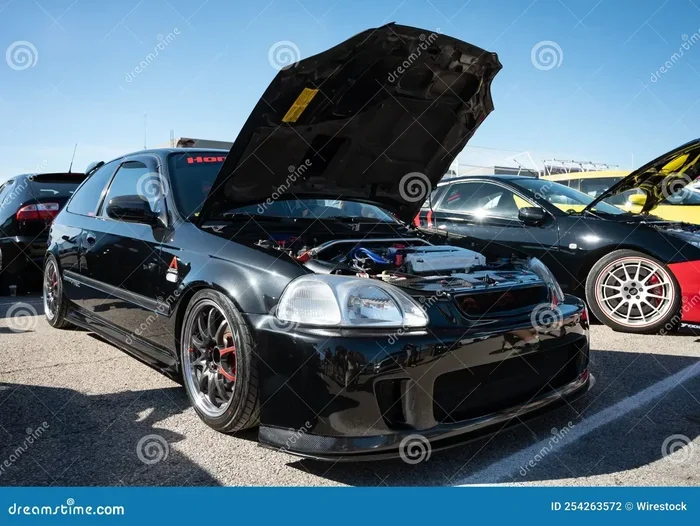
Here Is How to Easily Open the Bonnet on a Honda Civic
Opening the bonnet on a Honda Civic is a straightforward process once you know where the release levers are located. This guide walks you through every step, from the interior pull handle to the secondary safety latch. You will also learn common problems, what to check under the hood, and how to keep your Honda Civic bonnet working smoothly for years.
There is something satisfying about popping the bonnet on your Honda Civic and taking a look under the hood. Whether you need to check the engine oil, top up the washer fluid, or inspect the battery terminals, knowing how to open the bonnet on a Honda Civic is a basic skill every driver should have.
The good news is that the process is simple. Honda designed the Civic with an easy-to-use release system that anyone can operate. In this guide, we will walk you through every step, share tips for fixing common problems, and show you what to look for once the bonnet is up.
If you have ever stood in front of your car feeling confused about where to pull or push, you are in the right place. This article covers everything from the interior release lever to the safety latch, and even gives you maintenance tips to keep things working smoothly. Let us get started.
Before we dive in, it is worth noting that the bonnet release process is similar across most Honda Civic generations. Whether you drive a 2006 model or a 2023 Civic, the basic steps remain the same. That said, small differences do exist, so we will cover those too.
Key Takeaways
- Two release mechanisms: Every Honda Civic has an interior lever and a secondary latch under the front edge of the bonnet.
- Safety first: Always park on a flat surface and let the engine cool before opening the bonnet.
- Common issues are fixable: Stuck levers, broken prop rods, and frozen latches can usually be resolved at home.
- Regular maintenance helps: Lubricating hinges and checking the hood seal prevents most bonnet problems.
- Under-hood checks are easy: You can inspect engine oil, coolant, battery terminals, and the air filter yourself.
- Link to other car access guides: If you also need help with other car openings, check out how to open the boot from the outside and how to open the gas cap on a car.
📑 Table of Contents
Understanding the Bonnet Release System on a Honda Civic
The Honda Civic bonnet uses a two-stage release system. This design keeps the bonnet securely closed while driving but makes it easy to open when you need access to the engine bay. Understanding how the system works helps you troubleshoot when something does not go as planned.
The Primary Release Lever
The first release mechanism is the interior lever. You will find it on the lower left side of the dashboard, near the driver’s seat. It usually has a small icon of a bonnet on the handle. When you pull this lever, you hear a click. That click releases the primary latch on the front of the engine bay.
Once the primary latch is released, the bonnet pops up slightly. It does not open all the way. This is by design. The second safety latch keeps the bonnet from flying open while you are driving at speed.
The Secondary Safety Latch
The secondary latch is located under the front edge of the bonnet. You will feel it as a small lever or button near the center of the bonnet’s leading edge. To fully open the bonnet, you need to push or pull this secondary latch while holding the bonnet up.
Some Honda Civic models use a latch that you squeeze, while others have a lever you slide to the side. The exact mechanism depends on your model year, but the principle is the same across all generations.
What Happens If the Bonnet Won’t Open
Sometimes the bonnet release system gets stuck. This can happen for several reasons. A broken release cable, a rusted latch, or even a blown fuse can prevent the bonnet from opening. In cold weather, moisture can freeze the latch mechanism, making it nearly impossible to release.
If the interior lever feels loose or does not click, the cable connecting it to the latch may have snapped. This is a common issue on older Honda Civics. The good news is that fixing a broken release cable is usually a quick and affordable repair.
Also, if you have ever dealt with a stuck boot or a gas cap that will not open, you know how frustrating car access issues can be. The same principles apply here. Patience and the right approach make all the difference.
Step-by-Step Guide to Opening the Bonnet on a Honda Civic
Follow these steps carefully to safely open the bonnet on your Honda Civic. Each step is simple, but skipping one can cause problems.
Step 1: Park on a Flat Surface and Turn Off the Engine
First, pull your Honda Civic onto a flat, level surface. Turn off the engine and let it cool for at least five minutes. Opening the bonnet on a hot engine can cause burns from steam or hot coolant. Safety always comes first.
Make sure you engage the parking brake. This prevents the car from rolling while you are working. It is a small step that makes a big difference.
Step 2: Locate the Interior Release Lever
Sit in the driver’s seat and look down on the lower left side of the dashboard. You are looking for a lever or handle with a bonnet icon. It is usually located near the footwell, below the steering column.
Once you find it, pull the lever toward you. You should hear a distinct click from the front of the car. The bonnet will pop up slightly, about one to two inches. If you do not hear a click, the release cable may be disconnected or broken.
Step 3: Go to the Front of the Car and Release the Secondary Latch
Walk to the front of the Honda Civic. Place your fingers under the front edge of the bonnet. You should feel a small lever, button, or tab near the center. This is the secondary latch.
Push, pull, or slide the secondary latch to the side, depending on your model. While holding the latch, lift the bonnet upward. It should rise smoothly and stay open on its own.
If the bonnet feels heavy or stiff, check the hood prop rod. This rod holds the bonnet up while you work underneath. More on that in the next section.
Step 4: Secure the Bonnet with the Prop Rod
Most Honda Civics use a manual prop rod to hold the bonnet open. The rod is usually stored in a bracket near the front of the engine bay. Lift the rod from its bracket and insert it into the designated hole on the underside of the bonnet.
Some newer Honda Civic models use a gas strut system instead of a manual prop rod. These struts automatically hold the bonnet open. If your car has struts, you simply lift the bonnet and it stays in place. No rod needed.
Always make sure the bonnet is fully secured before you lean over the engine bay. A bonnet that falls unexpectedly can cause serious injury.
Step 5: Close the Bonnet Properly
When you are done, remove the prop rod or let the gas strut retract. Lower the bonnet from about two feet above the car. Let it drop under its own weight. Do not push down on the bonnet with your hands, as this can damage the latch mechanism.
Listen for a solid click when the bonnet closes. If you do not hear the click, the bonnet may not be fully latched. Open it again and try closing it a second time. A properly closed bonnet should not open while driving, even on rough roads.
Common Problems When Opening the Honda Civic Bonnet
Even though the bonnet release system is simple, problems can and do occur. Here are the most common issues Honda Civic owners face, along with practical solutions.
Stuck or Jammed Release Lever
If the interior release lever feels stiff or does not move, try spraying a small amount of WD-40 or a similar lubricant around the lever mechanism. Sometimes dust and grime build up over time, causing the lever to stick. A little lubricant usually fixes the problem.
If the lever moves but the bonnet does not pop, the cable may be disconnected. The cable runs from the interior lever to the latch under the bonnet. You may need to open the car from the outside or have a helper pull the lever while you watch the engine bay to see if the cable moves.
Broken Hood Prop Rod
The hood prop rod is a small but essential part. If the rod is missing, bent, or broken, you cannot safely hold the bonnet open. Do not attempt to work under the bonnet without proper support.
Replacement prop rods are inexpensive and easy to find. You can also upgrade to a gas strut system if your model supports it. Gas struts are more convenient and reduce the risk of the bonnet falling unexpectedly.
Frozen Latch in Cold Weather
In cold climates, moisture can freeze inside the latch mechanism. This is especially common if the car sits outside overnight in winter. If your bonnet will not open on a freezing morning, try pouring warm (not boiling) water over the front edge of the bonnet where the latch sits.
You can also spray a de-icer product around the latch area. Once the ice melts, the latch should release normally. To prevent this problem, consider parking in a garage or using a car cover during winter months.
Bonnet Not Closing Properly
If the bonnet does not latch when you close it, check for debris or obstructions around the latch area. Leaves, dirt, and small stones can get caught in the mechanism and prevent a proper seal.
Also, check the alignment of the bonnet. Over time, the hinges can loosen or shift, causing the bonnet to sit unevenly. Tightening the hinge bolts or adjusting the latch position usually resolves this issue. If you are unsure, a quick trip to a mechanic can fix alignment problems in minutes.
For more tips on car maintenance and access, you might also want to read about tightening a loose heat shield and how long a full car diagnostic takes to help you understand what else you can check under the hood.
What You Can Check Under the Honda Civic Hood
Once you know how to open the bonnet on a Honda Civic, you can perform several useful checks yourself. These inspections help you catch small problems before they become expensive repairs.
Engine Oil Level
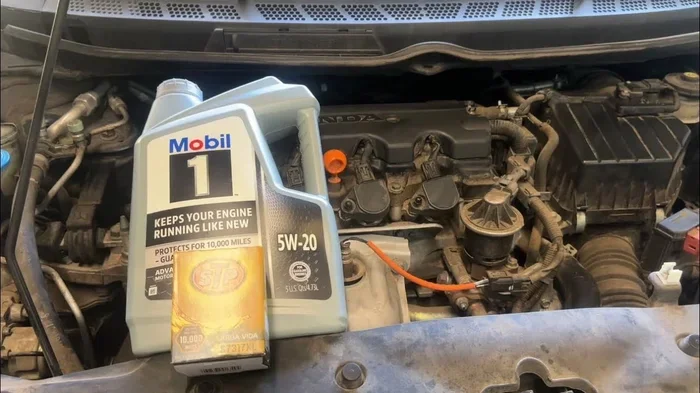
The engine oil dipstick is usually located near the front of the engine bay. Pull it out, wipe it clean, reinsert it, then pull it out again to read the level. The oil should fall between the minimum and maximum marks on the dipstick.
If the oil level is low, top it up with the recommended grade for your Honda Civic. You can find the correct oil type in your owner’s manual. Checking the oil once a month is a great habit for any car owner.
Coolant and Washer Fluid
The coolant reservoir is a translucent plastic tank near the radiator. Check the fluid level against the markings on the side of the tank. Never open the radiator cap when the engine is hot, as pressurized coolant can cause serious burns.
The washer fluid reservoir is usually a white or translucent tank with a blue cap. Topping up washer fluid is one of the easiest maintenance tasks you can do. Simply unscrew the cap and pour in windshield washer fluid until the tank is full.
Battery and Fuses
The battery in a Honda Civic is typically located near the front of the engine bay. Check that the terminals are clean and free of corrosion. A white or greenish buildup on the terminals can cause starting problems.
The fuse box is usually located under the bonnet, often near the battery. If a electrical component stops working, a blown fuse could be the culprit. Checking fuses is quick and easy with a visual inspection.
Air Filter Condition
The air filter housing is a rectangular box near the top of the engine bay. Open the clips or screws to remove the cover and inspect the filter. A dirty air filter can reduce engine performance and fuel efficiency.
Replacing the air filter is one of the simplest maintenance tasks you can do at home. Most Honda Civic air filters cost under twenty dollars and take just a few minutes to swap out.
Serpentine Belt and Hoses
Look for cracks, fraying, or glazing on the serpentine belt. This belt drives the alternator, power steering pump, and other accessories. A worn belt can snap and leave you stranded.
Also inspect the rubber hoses for any swelling, leaks, or soft spots. Hoses carry coolant and other fluids through the engine bay. Catching a worn hose early can prevent a costly coolant leak.
For more information about car maintenance, check out how to open the gas cap on a cylinder for another common car access task.
Tips for Maintaining Your Honda Civic Bonnet
Regular maintenance keeps your Honda Civic bonnet operating smoothly. A few simple habits can extend the life of the release mechanism, hinges, and latch for many years.
Lubricating the Hood Hinges
The hood hinges are moving parts that experience friction every time you open and close the bonnet. Apply a silicone-based lubricant to the hinge points every six months. This prevents squeaking and ensures smooth operation.
Avoid using WD-40 as a long-term lubricant for hinges. While WD-40 works well for freeing stuck mechanisms, it tends to attract dust and can become gummy over time. A dedicated hinge lubricant or white lithium grease works better for long-term protection.
Inspecting the Hood Seal
The hood seal is the rubber strip that runs along the underside of the bonnet. It creates a tight seal that keeps wind, water, and noise out of the engine bay. Over time, the seal can crack, dry out, or come loose.
Inspect the hood seal regularly. If you notice gaps or cracks, replace the seal promptly. A damaged hood seal can let water into the engine bay, which can cause corrosion and electrical problems. Replacing a hood seal is a simple and inexpensive job.
When to See a Professional
Most bonnet issues are easy to fix at home. However, some problems require professional attention. If the release cable is broken and you cannot access the secondary latch from outside, a mechanic can replace the cable quickly.
Also, if you notice any unusual noises when opening or closing the bonnet, such as grinding or popping, have a professional inspect the mechanism. These sounds can indicate worn hinges or a misaligned latch that could worsen over time.
Regular maintenance and prompt attention to small issues will keep your Honda Civic bonnet working perfectly. A well-maintained bonnet also contributes to the overall safety and aerodynamics of your vehicle.
Final Thoughts
Knowing how to open the bonnet on a Honda Civic is an essential skill that gives you confidence as a driver. From checking the engine oil to inspecting the battery terminals, the ability to access the engine bay puts you in control of your car’s maintenance.
The two-stage release system on the Honda Civic is designed to be simple and reliable. Once you know where the interior lever and secondary latch are, opening the bonnet becomes second nature. And if problems arise, most issues can be resolved with a little lubricant, a replacement part, or a quick visit to a mechanic.
Take a few minutes to familiarize yourself with your Honda Civic’s bonnet mechanism. Practice opening and closing it a few times until you feel comfortable. The more you do it, the easier it gets. Your future self will thank you the first time you need to check something under the hood on a roadside or in your own driveway.
Remember, car maintenance does not have to be intimidating. Start with the basics, build your confidence, and enjoy the satisfaction of taking care of your own vehicle.
Frequently Asked Questions
Where is the bonnet release lever on a Honda Civic?
The interior release lever is located on the lower left side of the dashboard, near the driver’s footwell. It has a small icon of a bonnet on the handle. Pulling this lever releases the primary latch, which pops the bonnet up slightly. You then need to go to the front of the car to release the secondary latch.
Why won’t my Honda Civic bonnet open?
A bonnet that will not open is usually caused by a broken release cable, a stuck latch, or a frozen mechanism in cold weather. Try lubricating the lever and latch with a penetrating spray first. If the interior lever feels loose, the cable may have disconnected and needs to be reattached or replaced.
How do I keep my Honda Civic bonnet from freezing in winter?
Park in a garage or use a car cover to protect the front of the car from ice and snow. If the latch freezes, pour warm water over the front edge of the bonnet where the latch sits. A de-icer spray can also help melt the ice quickly and safely.
Can I drive with the bonnet slightly open?
No, you should never drive with the bonnet open. An open bonnet obstructs your view and can fly open at speed, causing a serious accident. Always make sure the bonnet is fully latched before driving. If the bonnet opens while driving, pull over safely and secure it before continuing.
How often should I check under my Honda Civic bonnet?
It is a good practice to pop the bonnet once a month to check engine oil, coolant levels, and the condition of hoses and belts. Regular inspections help you catch small problems early and prevent costly repairs down the road.
What is the difference between a bonnet and a hood?
Bonnet and hood refer to the same part of the car. “Bonnet” is the British and international term, while “hood” is the American English term. Honda Civics sold in different markets may use either term in the owner’s manual, but the mechanism works the same way regardless of what you call it.