How to Check Transmission Fluid on a 2012 Nissan Altima
Checking the transmission fluid on your 2012 Nissan Altima is a simple maintenance task you can do at home. This guide walks you through every step, from locating the dipstick to reading fluid levels and condition. Regular checks help prevent costly repairs and keep your Altima running smoothly.
Your 2012 Nissan Altima is a reliable car, but even the best vehicles need regular care. One of the most overlooked maintenance tasks is checking the transmission fluid. Many car owners skip this simple step until something goes wrong. And by then, the repair bill can be steep. This guide shows you exactly how to check transmission fluid on a 2012 Nissan Altima in just a few minutes. You will learn where the dipstick is, what healthy fluid looks like, and when it is time for a change.
Think of transmission fluid as the lifeblood of your car’s gearbox. It lubricates all the moving parts inside the transmission. It also helps cool the system and enables smooth gear shifts. Without enough fluid or with dirty fluid, your transmission can overheat. Over time, this leads to wear and eventually failure. The good news? A quick check can prevent all of that. Whether you are a seasoned DIYer or a complete beginner, this guide makes it easy.
The 2012 Nissan Altima uses a continuously variable transmission, commonly known as a CVT. CVT transmissions work differently from traditional automatic gearboxes. They use a belt and pulley system instead of fixed gears. This design requires specific attention to fluid levels and condition. Nissan recommends checking the transmission fluid with the engine warm and running. Following the right steps ensures you get an accurate reading every time. Let us dive into the full process.
Key Takeaways
- Regular Checks Matter: Checking your transmission fluid on a 2012 Nissan Altima every few months helps catch problems early.
- Engine Must Be Warm: You need to run the engine for a few minutes before checking the fluid for an accurate reading.
- Fluid Color Tells a Story: Healthy transmission fluid is reddish and clear. Dark or burnt-smelling fluid needs attention.
- Low Fluid Causes Damage: Driving with low transmission fluid can lead to serious and expensive transmission problems.
- Use the Right Fluid Type: Always use the manufacturer-recommended ATF fluid for your 2012 Altima.
- DIY Saves Money: A simple fluid check takes just minutes and can save you hundreds in mechanic bills.
📑 Table of Contents
- Understanding Your 2012 Nissan Altima Transmission
- Tools and Materials You Will Need
- Step-by-Step Guide to Checking Transmission Fluid
- What Your Transmission Fluid Should Look Like
- Common Transmission Fluid Problems in the 2012 Altima
- When to See a Professional
- Quick Tips for Maintaining Your Transmission
Understanding Your 2012 Nissan Altima Transmission
Before you pop the hood, it helps to understand what you are working with. The 2012 Altima comes with a CVT transmission that relies on proper fluid levels to function correctly. Knowing the basics gives you confidence when you do the check yourself.
What Type of Transmission Does the 2012 Altima Have?
The 2012 Nissan Altima uses a Nissan Xtronic CVT transmission. This is a variable-speed automatic transmission. Unlike traditional automatics with fixed gear ratios, the CVT provides seamless acceleration. It does this by varying the diameter of two pulleys connected by a steel belt. The system is clever and efficient, but it is also sensitive to fluid condition.
CVT transmissions are more common in modern cars than you might think. They offer better fuel economy and smoother driving. But they also have unique maintenance needs. The fluid in a CVT system handles more stress than in a standard automatic. This means staying on top of fluid checks matters even more.
Why Checking Transmission Fluid Matters
Transmission fluid does several critical jobs inside your Altima. It reduces friction between moving metal parts. It transfers power from the engine to the wheels. It also acts as a coolant to prevent overheating. When the fluid level drops or the fluid becomes contaminated, none of these jobs work properly.
Low transmission fluid can cause slipping gears. You might notice your Altima hesitates when accelerating. The car may vibrate or shudder during shifts. In worse cases, the transmission can overheat and fail completely. Rebuilding or replacing a transmission costs thousands of dollars. A simple fluid check costs you nothing and takes less than ten minutes.
Many drivers do not realize that transmission fluid degrades over time. Heat and use break down the fluid. Dirt and metal particles from inside the transmission mix in. This dirty fluid does not lubricate as well. It can actually speed up wear instead of preventing it. Regular checks let you catch problems before they become expensive ones.
Tools and Materials You Will Need
One of the best things about checking your transmission fluid is that you do not need many tools. Here is what you should have ready before you start.
- Clean rag or paper towel — for wiping the dipstick
- Nissan-recommended ATF fluid — typically Nissan NS-3 or NS-4 for CVT models
- A funnel — for adding fluid without spills
- Gloves — transmission fluid can stain clothing
- Your 2012 Nissan Altima owner manual — for reference on fluid type and capacity
You can find the correct fluid type in your owner manual or at any Nissan dealership. Using the wrong fluid type can damage your CVT transmission. So do not guess here. If you are unsure, it is always a good idea to check with a professional. You can also look up the AC compressor replacement guide for the Nissan Altima if you are already doing maintenance work on your car.
Step-by-Step Guide to Checking Transmission Fluid
Now for the part you have been waiting for. Here is the complete process for checking your transmission fluid on a 2012 Nissan Altima. Follow each step carefully for the most accurate results.
Step 1: Prepare Your Vehicle
Start by parking your Altima on a flat, level surface. This is important because an uneven surface will give you a false reading. Engage the parking brake and make sure the car is not on a slope.
Next, start the engine and let it idle for about 3 to 5 minutes. This warms up the transmission fluid so it flows properly and gives you an accurate level reading. Do not turn the engine off before checking. The fluid needs to be warm to give a correct measurement. If you check it when cold, the reading will be low and you might add fluid you do not need.
While the engine is running, shift through all the gears. Move from Park to Reverse, then to Drive, and back to Park. Hold each gear for about two seconds. This cycles the fluid through the transmission and ensures an even distribution. Then return the gear selector to Park and keep the engine running.
Step 2: Locate the Transmission Dipstick
Open the hood of your 2012 Nissan Altima. The transmission dipstick is located toward the back of the engine bay. On the 2012 Altima, it is usually near the firewall, which is the metal wall separating the engine from the cabin.
The dipstick handle is often red or yellow, making it easy to spot. It may be labeled “Transmission” or simply have a circular or T-shaped handle. If you have trouble finding it, refer to your owner manual. The manual includes a detailed diagram of the engine bay that shows the exact location.
Note that some newer vehicles do not have a transmission dipstick at all. They use sealed transmission units that require a dealer visit. But the 2012 Altima still has one, so you are in luck. Pull the dipstick out carefully and keep it in your hand.
Step 3: Wipe and Reinsert the Dipstick
Take your clean rag or paper towel and wipe the dipstick completely clean. You want to remove all the old fluid from the measuring end. This ensures you get a fresh, accurate reading.
Once the dipstick is clean, reinsert it fully into the transmission tube. Push it all the way down until it seats properly. Then pull it back out again. This time, look at the fluid marks on the end of the dipstick. You will see two lines or holes — one for the full mark and one for the add mark.
Step 4: Read the Fluid Level
With the dipstick pulled out, look at where the fluid reaches on the markings. The fluid level should fall between the “Full” and “Add” marks. If it is at or near the “Add” line, you need to add more fluid. If it is at or below the “Add” line, you should add fluid right away.
Do not overfill the transmission. Too much fluid can cause foaming and pressure buildup inside the system. This leads to its own set of problems, including leaks and erratic shifting. Add fluid in small amounts and recheck the level each time.
If you are unsure about the reading, it never hurts to double-check. Repeat the wipe, reinsert, and pull process one more time. Consistency is key. If the reading varies significantly between checks, there may be an underlying issue worth investigating.
Step 5: Assess the Fluid Condition
Checking the level is only half the job. You also need to evaluate the condition of the fluid. This tells you a lot about the health of your transmission.
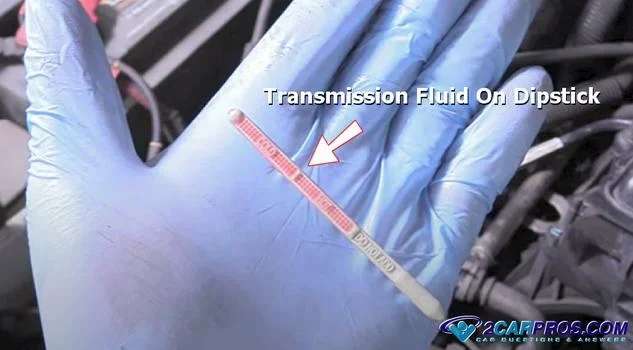
Healthy transmission fluid on a 2012 Nissan Altima should be reddish or pinkish in color. It should feel smooth and slippery between your fingers. It should not have a strong burnt smell. If the fluid looks dark brown or black, it is old and needs to be changed. If it smells burnt, the transmission may be overheating.
You should also look for any particles or debris on the dipstick. A small amount of dark residue is normal over time. But if you see metal shavings or large chunks, that is a red flag. This could indicate internal transmission wear. In that case, you should have a mechanic inspect the transmission as soon as possible.
What Your Transmission Fluid Should Look Like
Understanding what good transmission fluid looks like helps you spot problems early. Here is a quick reference guide to fluid conditions.
Healthy Fluid: Reddish or pinkish color. Smooth texture. No strong odor. This means your transmission is well-lubricated and functioning properly.
Aging Fluid: Slightly darker red or light brown. Still smooth but may have a mild odor. This fluid is still okay but may need changing soon.
Worn Fluid: Dark brown or black. May feel gritty. Has a noticeable burnt smell. This fluid needs to be replaced immediately to protect your transmission.
Contaminated Fluid: Very dark with visible particles or metal shavings. This indicates serious internal damage. Seek professional help right away.
When in doubt, compare the fluid on your dipstick to these descriptions. The color and smell give you a lot of information without any special tools.
Common Transmission Fluid Problems in the 2012 Altima
The 2012 Nissan Altima is a great car, but like any vehicle, it can develop transmission fluid issues. Here are the most common problems to watch for.
Low Fluid Level
Low fluid is the most common issue. It usually happens slowly over time as fluid naturally degrades and evaporates in small amounts. Symptoms include delayed engagement when shifting into Drive or Reverse. You might also notice the transmission slipping under heavy acceleration. If you suspect low fluid, check the level right away and top it off if needed.
Burnt or Dirty Fluid
Burnt fluid is a sign of overheating. This can happen if you frequently tow heavy loads or drive in stop-and-go traffic for long periods. Dirty fluid loses its lubricating properties. It causes increased friction and wear inside the transmission. Regular fluid changes prevent this problem from developing.
Fluid Leaks
If you notice fluid pooling under your Altima, you may have a leak. Transmission fluid leaks often come from the pan gasket, seals, or cooler lines. Check under the car for any signs of dripping or puddling. Even small leaks can lead to low fluid levels over time. Address leaks promptly to avoid bigger problems.
If you notice any warning signs, consider having the vehicle inspected. Sometimes a full car diagnostic can reveal transmission issues before they become serious. A professional mechanic can use diagnostic tools to read transmission codes and identify problems early.
When to See a Professional
Checking your transmission fluid at home is straightforward and empowering. But there are times when you should leave it to the experts. If you notice any of the following signs, it is time to visit a mechanic.
- Fluid leaks that do not stop after topping off the fluid
- Metal particles in the fluid on the dipstick
- Gritty or rough texture when you rub the fluid between your fingers
- Burning smell that returns shortly after a fluid top-off
- Erratic shifting or the transmission slipping in and out of gears
- Check engine light accompanied by transmission warning messages
These symptoms could indicate deeper transmission problems that go beyond fluid level or condition. A qualified mechanic can perform a thorough inspection and recommend the right repair. If you have a Toyota Camry and are wondering about similar issues, you might find this article on driving with the check engine light on helpful for general guidance.
Regular maintenance is the best way to avoid major transmission repairs. This includes checking the fluid level, monitoring fluid condition, and following the manufacturer’s recommended service intervals. Nissan recommends changing the CVT transmission fluid every 30,000 to 60,000 miles for the 2012 Altima. Sticking to this schedule keeps your transmission in great shape for years to come.
Quick Tips for Maintaining Your Transmission
Here are some extra tips to keep your 2012 Altima transmission in top condition.
- Check fluid monthly: Make it a habit to check the transmission fluid at least once a month. It takes just a few minutes.
- Always use Nissan-approved fluid: Using the wrong fluid type can void your warranty and damage the CVT.
- Check when the engine is warm: Cold fluid gives inaccurate readings. Always warm up the engine first.
- Do not overfill: Too much fluid is just as bad as too little. Add slowly and recheck.
- Watch for warning signs: Slipping, hesitation, or unusual noises mean it is time to investigate.
- Keep records: Write down when you checked the fluid and any observations. This helps track changes over time.
Taking care of your transmission fluid is one of the simplest and most cost-effective things you can do for your car. A few minutes of attention now can save you from a major headache later. Your 2012 Nissan Altima will reward you with smooth, reliable performance for many miles to come.
Remember, transmission fluid is the lifeblood of your CVT system. Keep it at the right level, keep it clean, and use the right type. Your transmission will thank you with years of trouble-free driving. So pop the hood, grab a rag, and give your Altima the care it deserves.
For more tips on keeping your Nissan Altima in great shape, explore other maintenance guides on our site. Whether you are checking fluid, diagnosing warning lights, or planning a service visit, we have you covered. Stay proactive, stay informed, and enjoy the drive.
Frequently Asked Questions
How often should I check the transmission fluid on my 2012 Nissan Altima?
You should check your transmission fluid at least once a month. It only takes a few minutes and helps you catch low fluid levels early. Regular checks also let you monitor the fluid condition over time. If you notice any changes in color or smell, it is time for a closer look.
Can I check the transmission fluid with the engine off?
No, for the 2012 Nissan Altima, you need to check the fluid with the engine warm and running. Nissan recommends this method for CVT transmissions. Checking with a cold or turned-off engine gives an inaccurate reading. Always warm up the engine first, shift through the gears, and then check the dipstick.
What color should the transmission fluid be on a 2012 Altima?
Healthy transmission fluid should be reddish or pinkish in color. If it turns dark brown or black, it is old and needs to be changed. Burnt-smelling or dark fluid with particles is a sign of serious problems. Regular fluid changes keep your transmission running smoothly.
Can low transmission fluid cause the check engine light to come on?
Yes, low transmission fluid can trigger the check engine light in some cases. The transmission relies on proper fluid pressure to shift gears correctly. When fluid is low, the system may detect abnormal pressure and illuminate the warning light. If your check engine light is on, checking the transmission fluid is a good first step.
Do I need to change the transmission fluid if it looks fine?
Yes, Nissan recommends changing the CVT transmission fluid every 30,000 to 60,000 miles. Even if the fluid looks okay, it degrades over time from heat and use. Old fluid loses its protective properties and can cause wear inside the transmission. Sticking to the recommended change interval is the best way to prevent problems.
What happens if I overfill the transmission fluid?
Overfilling causes the fluid to foam inside the transmission. Foamed fluid does not lubricate properly and can lead to increased wear. It may also cause pressure buildup that leads to leaks. Always add fluid in small amounts and recheck the level on the dipstick before adding more.