Can I Drive My Toyota Camry With the Check Engine Light On
You can often drive your Toyota Camry with the check engine light on, but it depends on what triggered the warning. A steady light usually means a minor issue like a loose gas cap, while a flashing light signals a serious problem that needs immediate attention. Understanding the difference keeps your car safe and your wallet happy.
Can I Drive My Toyota Camry With the Check Engine Light On? This is one of the most common questions Toyota Camry owners ask themselves when that little yellow engine icon pops up on the dashboard. The short answer is: it depends. Sometimes you can keep driving safely, and other times you need to pull over right away. In this guide, we will walk you through everything you need to know about driving your Camry with the engine light on. You will learn what the light means, when it is safe to keep going, what common causes trigger it, and how to fix the problem before it gets worse.
The check engine light is part of your vehicle’s onboard diagnostics system. It acts as an early warning system that alerts you to potential issues with the engine or emission system. Modern Toyota Camry models use a standardized system called OBD-II, which stores trouble codes when something goes wrong. These codes help mechanics and DIYers identify the root cause quickly. Understanding this system can save you time, money, and a lot of stress.
Whether your engine light is steady or flashing makes a huge difference in how urgently you need to act. A steady light usually points to a less severe problem, while a flashing light often means a serious issue like an engine misfire that could damage the catalytic converter. We will break down all of this in detail below so you feel confident making the right decision for your car.
Key Takeaways
- Steady check engine light: Often safe to drive short distances while you diagnose the issue.
- Flashing check engine light: Stop driving immediately and get your Toyota Camry towed to a repair shop.
- Loose gas cap: The most common and easiest fix for the engine warning light.
- OBD-II scanner: A handy tool that reads diagnostic trouble codes and helps you understand the problem.
- Ignoring the light: Can lead to costly repairs, poor fuel economy, and engine damage over time.
- Regular Camry maintenance: Prevents many issues that trigger the check engine light in the first place.
- Professional diagnosis: Always visit a trusted repair shop for a thorough engine light inspection.
📑 Table of Contents
- What Does the Check Engine Light Mean on a Toyota Camry?
- Can You Actually Drive With the Check Engine Light On?
- Common Reasons the Check Engine Light Comes on in a Toyota Camry
- How to Diagnose the Problem Yourself
- What Happens If You Ignore the Check Engine Light?
- Expert Tips for Toyota Camry Owners
- Comparison: Common Check Engine Light Causes and Repair Costs
- Conclusion
What Does the Check Engine Light Mean on a Toyota Camry?
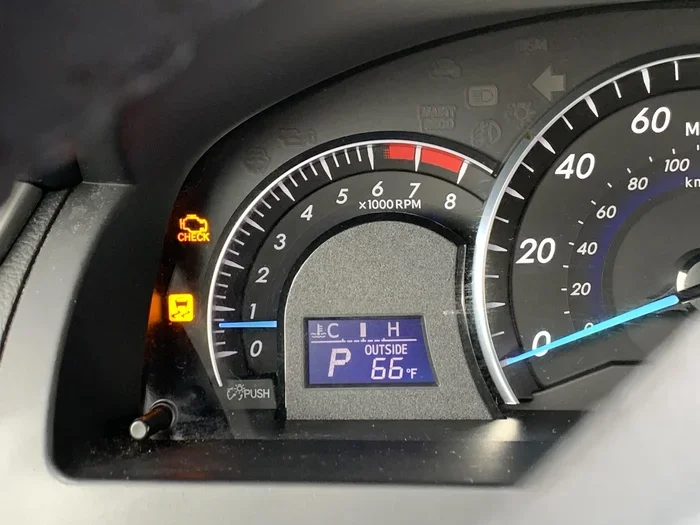
The check engine light, also called the engine warning light, is part of your Camry’s dashboard warning lights. It is shaped like an engine and is typically yellow or orange. When it turns on, it means the vehicle’s Engine Control Unit (ECU) has detected something unusual in the engine or emission system. The ECU monitors dozens of sensors throughout the car, and when a sensor reading falls outside the normal range, it triggers the light and stores a diagnostic trouble code.
Steady Light vs. Flashing Light
The behavior of the check engine light gives you important clues about how serious the issue is. A steady light means the problem is real but not necessarily an emergency. You should get your Camry inspected soon, but you can usually drive it to a repair shop or home safely. A flashing check engine light, on the other hand, is a red flag. It typically indicates a severe misfire or catalyst problem that can cause permanent damage if you keep driving. If your light is flashing, pull over and arrange for a tow.
Common Causes of the Engine Light on a Camry
Many things can trigger the check engine light on a Toyota Camry. Some causes are very simple and cheap to fix, while others require professional attention. Here are the most common reasons:
- Loose or damaged gas cap: This is the number one cause of the engine light. A loose fuel cap lets vapor escape from the tank, which messes with the emission system.
- Faulty oxygen sensor: The oxygen sensor measures unburned oxygen in the exhaust. When it fails, your Camry may use more fuel and run poorly.
- Bad catalytic converter: This part reduces harmful emissions. A failing converter can trigger the light and cause poor engine performance.
- Engine misfire: A misfire happens when one or more cylinders fail to fire correctly. This can damage the catalytic converter over time.
- Mass airflow sensor issues: This sensor tells the ECU how much air is entering the engine. A faulty reading can cause rough idling and reduced fuel economy.
- Spark plug or ignition coil problems: Worn spark plugs or bad coils can cause misfires and trigger the engine warning light.
- EVAP system leak: The evaporative emission control system prevents fuel vapors from escaping. A leak in this system is a common Camry issue.
Can You Actually Drive With the Check Engine Light On?
The answer to can I drive my Toyota Camry with the check engine light on depends on several factors. Let us look at when it is okay and when it is not.
When It Is Safe to Keep Driving
If the check engine light is steady and your Camry is running normally, you can usually drive it for a short distance. Here are the signs that suggest it is relatively safe:
- The engine runs smoothly with no unusual sounds.
- There is no loss of power or rough idling.
- The temperature gauge reads normal.
- No other warning lights are on, such as the oil pressure or battery light.
- The light came on after refueling, which often points to a loose gas cap.
In these situations, you can drive to the nearest auto parts store or repair shop to get the codes read. Many stores like AutoZone or O’Reilly offer free diagnostic scans. Just keep your trip short and avoid highway speeds if possible.
When You Should Stop Driving Immediately
There are situations where you should not drive your Camry at all. Stop immediately and call for roadside assistance if you notice any of the following:
- The check engine light is flashing rapidly.
- The engine is shaking, stalling, or losing significant power.
- You hear loud knocking or unusual noises from the engine bay.
- The temperature gauge is in the red or overheating.
- The oil pressure light is also on.
- You smell burning or see smoke from the exhaust.
Driving with these symptoms can cause severe and expensive damage to your engine. It is always better to be safe than sorry. A tow truck is a small cost compared to a rebuilt engine.
Common Reasons the Check Engine Light Comes on in a Toyota Camry
Toyota Camry models from 2007 to 2024 share many common issues that trigger the engine light. Let us dive deeper into the most frequent culprits.
Loose Gas Cap Issues
A loose or cracked fuel cap is the simplest and most common reason for the check engine light. The fuel cap seals the fuel system and maintains proper pressure. When it is not tight, fuel vapors escape, and the ECU flags an EVAP system leak. This is one of the easiest fixes you can do yourself. Simply tighten the cap until you hear it click, and the light may turn off after a few drive cycles.
Quick Tip: If your check engine light came on right after filling up, check the gas cap first. It solves the problem more often than you might think.
Oxygen Sensor Problems
The oxygen sensor is a small device that measures the amount of oxygen in your Camry’s exhaust gases. It helps the ECU adjust the fuel-to-air mixture for optimal combustion. When the sensor fails, your Camry may run rich (too much fuel) or lean (too little fuel). This leads to poor fuel economy, rough idling, and increased emissions. Oxygen sensor replacement is a common and affordable repair for Camry owners.
Catalytic Converter Failure
The catalytic converter is one of the most expensive parts to replace on a Toyota Camry. It converts harmful gases like carbon monoxide into less harmful emissions. A failing converter often triggers a flashing check engine light and a rotten egg smell from the exhaust. Catalytic converter failure is usually caused by long-term neglect of engine misfires or rich fuel mixtures. Regular maintenance helps prevent this costly repair.
How to Diagnose the Problem Yourself
You do not need to be a mechanic to figure out what is causing the engine light on your Camry. With the right tools, you can diagnose many issues at home.
Using an OBD-II Scanner
An OBD-II scanner is a device that plugs into the diagnostic port under your dashboard. It reads the diagnostic trouble codes stored by the ECU and tells you what is wrong. You can buy a basic scanner for under $30 at any auto parts store or online. Some advanced scanners even connect to your smartphone via Bluetooth and provide detailed explanations of each code.
To use the scanner:
- Locate the OBD-II port under the dashboard on the driver’s side.
- Plug the scanner into the port.
- Turn the ignition to the “On” position (do not start the engine).
- Follow the scanner’s instructions to read the codes.
- Write down the codes and look them up online or in your Camry’s service manual.
Common trouble codes for the Toyota Camry include P0300 (random misfire), P0420 (catalyst efficiency below threshold), P0171 (system too lean), and P0440 (EVAP system malfunction). These codes give you a starting point for understanding the problem.
Reading Diagnostic Trouble Codes
Each diagnostic trouble code starts with a letter followed by four numbers. The letter tells you the system affected:
- P = Powertrain (engine and transmission)
- B = Body (air conditioning, airbags)
- C = Chassis (ABS, suspension)
- U = Network (communication between modules)
The first number after the letter indicates whether the code is generic (0) or manufacturer-specific (1). For example, P0300 is a generic code for a random misfire that applies to many vehicles, including the Toyota Camry. Understanding these codes helps you communicate better with your mechanic and avoid unnecessary repairs.
What Happens If You Ignore the Check Engine Light?
It is tempting to ignore the engine light, especially if your Camry seems to drive fine. But ignoring the warning can lead to serious consequences over time.
Long-Term Damage Risks
Even if your Camry drives normally, the underlying issue will likely get worse. A small problem like a faulty oxygen sensor can lead to a rich fuel mixture, which can damage the catalytic converter. A minor engine misfire can cause unburned fuel to enter the exhaust system and destroy the converter. What starts as a $50 repair can turn into a $1,500 repair if you wait too long.
Impact on Fuel Economy
Many issues that trigger the check engine light also reduce your Camry’s fuel economy. A bad oxygen sensor, for example, can lower your gas mileage by up to 40 percent. A misfiring engine wastes fuel that should be burned efficiently. If you notice your Camry is going through gas faster than usual, the engine light is a good place to start investigating.
Emission Test Failures
If you live in a state that requires vehicle emissions testing, a lit check engine light will automatically fail your inspection. You will not be able to register your Camry until the issue is resolved and the light is cleared. Fixing the problem early saves you from this headache.
Common Mistake: Many Camry owners disconnect the battery to turn off the check engine light. This does not fix the actual problem. The ECU will simply turn the light back on once it detects the issue again. Always diagnose and repair the root cause instead of trying to silence the warning.
Expert Tips for Toyota Camry Owners
Taking care of your Camry and responding quickly to warning lights can save you thousands of dollars over the life of the vehicle. Here are some expert-backed tips.
Regular Maintenance Habits
Preventive maintenance is the best way to keep the check engine light off and your Camry running strong. Follow these habits:
- Check your gas cap every time you refuel. Make sure it clicks tightly into place.
- Follow the recommended service schedule. Toyota recommends oil changes every 5,000 to 10,000 miles depending on the model year.
- Replace spark plugs on time. Worn spark plugs are a common cause of misfires and engine lights.
- Use the recommended fuel grade. Most Camry models run best on regular unleaded, but check your owner’s manual.
- Inspect engine hoses and belts regularly. Cracked hoses and worn belts can cause leaks and performance issues.
When to Visit a Repair Shop
While some issues are simple enough to handle yourself, others require professional expertise. Visit a trusted repair shop if:
- The check engine light stays on after you tighten the gas cap.
- You are unsure what the diagnostic trouble codes mean.
- Your Camry shows any signs of poor performance, such as rough idling or hesitation.
- The light is flashing.
- Multiple warning lights are on at the same time.
A certified Toyota mechanic or a trusted independent shop can perform a thorough engine light inspection and recommend the right repairs. Always ask for a written estimate before any work is done, and make sure the shop uses OEM or quality aftermarket parts.
Quick Tips for Camry Owners
Here are some quick tips to keep in mind:
- Keep an OBD-II scanner in your glove box. It is a small investment that can save you hundreds of dollars in diagnostic fees.
- Write down when the light first appeared and any driving conditions at the time. This information helps mechanics diagnose the issue faster.
- Do not panic. The check engine light is a warning, not necessarily a breakdown call.
- Keep up with your Camry maintenance schedule. Prevention is always cheaper than repair.
- If you buy a used Camry, have the previous owner’s maintenance records and get a diagnostic scan done before purchase.
So, can I drive my Toyota Camry with the check engine light on? The answer is: sometimes yes, but with caution. A steady light on a running Camry usually allows you to drive to a service center safely. A flashing light means stop and get help. The most important thing is to address the issue promptly. Ignoring the engine warning light can lead to bigger problems, higher repair costs, and reduced vehicle performance. Use an OBD-II scanner to read the codes, understand what they mean, and take action. Your Toyota Camry is a reliable and well-engineered vehicle, and with proper care and attention, it will serve you well for many miles to come.
Comparison: Common Check Engine Light Causes and Repair Costs
| Cause | Severity | Typical Repair Cost | Can You Drive? |
|---|---|---|---|
| Loose gas cap | Low | $0 – $20 | Yes, safe |
| Oxygen sensor failure | Medium | $100 – $300 | Yes, with caution |
| Spark plug issues | Medium | $50 – $200 | Yes, with caution |
| Mass airflow sensor | Medium | $100 – $350 | Yes, with caution |
| Engine misfire | High | $200 – $1,000+ | Short distances only |
| Catalytic converter failure | High | $500 – $2,500 | Avoid if possible |
| Flashing check engine light | Critical | Varies | No, tow to shop |
Use this table as a general guide. Actual repair costs vary depending on your Camry model year, location, and the severity of the issue. Always get a professional diagnosis before committing to any major repair.
Conclusion
Driving your Toyota Camry with the check engine light on is something many owners face at some point. The key is understanding what the light is telling you and responding appropriately. A steady light often means a minor issue that you can address in a day or two. A flashing light demands immediate attention and possibly a tow. By using an OBD-II scanner, understanding diagnostic trouble codes, and staying on top of regular Camry maintenance, you can handle check engine light situations with confidence. Do not ignore the warning, and do not panic either. Take action, get your vehicle inspected, and keep your Camry running strong for years to come.
Frequently Asked Questions
What should I do if my Toyota Camry check engine light is flashing?
A flashing check engine light on a Toyota Camry is a serious warning that indicates a severe engine misfire or catalyst problem. You should stop driving immediately and arrange for a tow to a repair shop. Continuing to drive with a flashing light can cause permanent damage to the catalytic converter and other expensive components.
Can a loose gas cap really trigger the check engine light?
Yes, a loose or damaged gas cap is the most common reason for the check engine light on a Toyota Camry. The fuel cap seals the evaporative emission system, and when it is not tight, fuel vapors escape. Simply tightening the cap until it clicks may resolve the issue, and the light often turns off after a few drive cycles.
How much does it cost to diagnose a check engine light on a Camry?
Many auto parts stores offer free OBD-II diagnostic scans. If you visit a repair shop, the diagnostic fee typically ranges from $50 to $150 depending on your location. The actual repair cost depends entirely on what triggered the light, ranging from a free gas cap fix to several hundred dollars for sensor replacements.
Will the check engine light turn off by itself?
In some cases, yes. If the issue was temporary, such as a slightly loose gas cap, the light may turn off after a few successful drive cycles. However, if the underlying problem persists, the light will stay on or return. It is always best to get the codes read and address the root cause rather than waiting for the light to go away on its own.
How long can I drive my Camry with the check engine light on before it causes damage?
This depends entirely on what caused the light. A loose gas cap or minor sensor issue poses little risk for short drives. But an engine misfire or catalytic converter problem can cause serious damage within a short distance. The safest approach is to get the issue diagnosed as soon as possible, regardless of how minor it seems.
Is it safe to drive my Toyota Camry to a repair shop with the check engine light on?
Generally yes, if the light is steady and your Camry is driving normally with no loss of power, unusual noises, or overheating. Keep the trip short and avoid heavy acceleration. If the light is flashing or your car is showing any other symptoms of poor performance, call a tow truck instead of risking further damage to your vehicle.