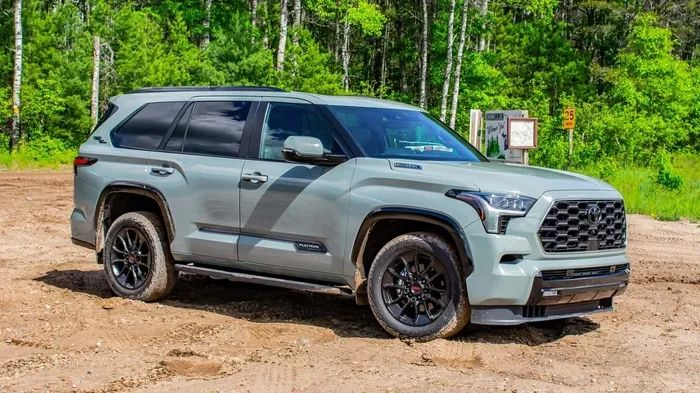
Are Toyota Sequoias Expensive to Maintain Long Term
The Toyota Sequoia has a reputation for reliability, but many buyers wonder about the long-term Toyota Sequoia maintenance cost. While routine upkeep is affordable, major repairs and parts can add up over time. Overall, the Toyota Sequoia is reasonably priced to maintain compared to other full-size SUVs, but smart ownership habits make a big difference.
Are Toyota Sequoias Expensive to Maintain Long Term?
If you are thinking about buying a Toyota Sequoia, one question probably keeps you up at night. Are Toyota Sequoias expensive to maintain? The short answer is no, but the full answer is more interesting than that.
The Toyota Sequoia is a full-size SUV built for families who need space, power, and reliability. It has been a staple on American roads for over two decades. But owning any large vehicle comes with costs. Understanding those costs before you buy is smart. This guide breaks down everything you need to know about the Toyota Sequoia maintenance cost over the life of the vehicle.
The Toyota Sequoia is known for its durability. Many owners report crossing the 200,000-mile mark with minimal issues. That kind of longevity is rare in the SUV world. But durability does not mean zero cost. Regular services, occasional repairs, and unexpected bills all factor into the total picture. Let us walk through every angle so you know exactly what to expect.
Key Takeaways
- Routine maintenance is affordable: Standard oil changes, tire rotations, and brake jobs cost less than many competitors.
- Major repairs can be pricey: Engine and transmission work on a Toyota Sequoia can run several thousand dollars.
- Parts availability is strong: Aftermarket and OEM parts are widely available, keeping costs reasonable.
- Longevity offsets costs: A well-maintained Toyota Sequoia can easily surpass 200,000 miles.
- Insurance and fuel add up: Full-size SUV insurance premiums and fuel consumption are real ongoing costs.
- DIY saves money: Many basic maintenance tasks are easy to do at home with basic tools.
- Resale value helps: Strong Toyota Sequoia depreciation rates mean you recover more of your investment.
📑 Table of Contents
- Understanding Toyota Sequoia Maintenance Cost Basics
- Common Toyota Sequoia Repairs and Their Costs
- Toyota Sequoia Depreciation and Resale Value
- Insurance and Fuel Costs for Toyota Sequoia Owners
- DIY Maintenance Tips for Toyota Sequoia Owners
- Long-Term Ownership: What to Expect Over 100,000+ Miles
- Expert Insights on Toyota Sequoia Ownership Costs
- Common Mistakes That Increase Toyota Sequoia Maintenance Costs
- Is the Toyota Sequoia Worth the Maintenance Cost?
- Final Thoughts on Toyota Sequoia Long-Term Costs
Understanding Toyota Sequoia Maintenance Cost Basics
Before diving into specific costs, it helps to understand what drives the Toyota Sequoia maintenance cost in the first place. Several factors play a role. The size of the vehicle matters. Larger vehicles need more oil, bigger tires, and larger brake components. All of these things cost more than their smaller counterparts.
Another factor is the age of the vehicle. Older Toyota Sequoias may need more frequent repairs. Newer models benefit from improved engineering and longer service intervals. Your driving habits also matter. Highway driving is gentler on a vehicle than stop-and-go city driving. Where you live plays a role too. Salt and humidity accelerate rust and corrosion.
Routine Maintenance Schedule
Toyota recommends a specific maintenance schedule for the Sequoia. Following it keeps the vehicle running smoothly and prevents expensive surprises. Here is a basic breakdown of routine services and their approximate costs.
- Oil Change: Every 5,000 to 10,000 miles. Cost ranges from $50 to $100.
- Tire Rotation: Every 5,000 to 7,500 miles. Cost is usually $25 to $50.
- Brake Inspection: Every 15,000 miles. Pads typically last 30,000 to 50,000 miles.
- Air Filter Replacement: Every 15,000 to 30,000 miles. Cost is around $30 to $60.
- Transmission Fluid Change: Every 60,000 to 100,000 miles. Cost runs $150 to $300.
- Coolant Flush: Every 60,000 miles. Cost is approximately $100 to $200.
- Spark Plug Replacement: Every 60,000 to 90,000 miles. Cost ranges from $80 to $160.
These numbers assume you visit a dealership or independent shop. Doing the work yourself can cut costs significantly. Many Toyota Sequoia owners find that basic maintenance is straightforward and well within their skill level.
How Routine Costs Compare to Other SUVs
When you look at the Toyota Sequoia maintenance cost side by side with competitors, the Sequoia holds its own well. The Chevrolet Tahoe and GMC Yukon have similar maintenance costs. The Ford Expedition runs a bit higher on average. The Nissan Armada tends to cost more in the long run due to lower reliability ratings.
One reason the Toyota Sequoia fares well is its simple, proven engineering. Toyota uses tried-and-true components that are widely understood by mechanics. This means labor costs tend to be lower because technicians do not need specialized training for complex systems.
Common Toyota Sequoia Repairs and Their Costs
Even with a strong reliability record, the Toyota Sequoia will need repairs over time. Some are more common than others. Knowing what to expect helps you budget and avoid surprises.
Brake System Repairs
Brake pads and rotors on the Toyota Sequoia wear out over time. Because the Sequoia is a heavy vehicle, brakes work hard. Expect to replace front brake pads every 30,000 to 50,000 miles. Rear pads last a bit longer. A full brake job with pads and rotors can cost between $300 and $600 per axle.
Brake fluid flushes are also important. Toyota recommends replacing brake fluid every two years. This is a cheap service that prevents costly brake system damage. Ignoring it can lead to corroded calipers and expensive repairs down the road.
Suspension Components
The Toyota Sequoia rides on a solid rear axle with coil springs. Over time, shocks and struts wear out. Replacing all four shocks typically costs between $800 and $1,500. Control arms and bushings also degrade with age. These repairs can add another $400 to $800 depending on the extent of wear.
Suspension issues often show up as a bumpy ride or pulling to one side. If you notice these signs, get the vehicle checked quickly. Driving on worn suspension components causes uneven tire wear and can lead to more expensive problems.
Engine and Transmission Issues
The 5.7-liter V8 engine in the Toyota Sequoia is one of the most durable truck engines ever made. It rarely has major internal failures. However, some issues do pop up. The most common problem is the exhaust manifold cracking. This repair can cost between $1,500 and $3,000 depending on the extent of the damage.
The transmission in the Toyota Sequoia is also reliable. But it is not indestructible. Transmission failure is rare but expensive. A rebuild or replacement can cost anywhere from $3,000 to $7,000. Regular fluid changes go a long way toward preventing this. Stick to the maintenance schedule and your transmission should last the life of the vehicle.
Electrical and Electronics Problems
Older Toyota Sequoias sometimes develop electrical gremlins. Faulty sensors, flickering lights, and infotainment glitches are not uncommon. Most electrical issues are minor and affordable to fix. A faulty sensor might cost $100 to $300 to replace. More complex wiring problems can run higher but are still manageable.
Newer models have more electronics, which means more things that can go wrong. However, Toyota has improved electrical reliability in recent years. If you buy a used Sequoia, ask about the electrical system during your inspection.
Toyota Sequoia Depreciation and Resale Value
Depreciation is one of the biggest hidden costs of vehicle ownership. The good news is that the Toyota Sequoia holds its value remarkably well. This is one of the strongest points in favor of owning one.
On average, a Toyota Sequoia loses about 15% to 20% of its value in the first year. By year five, total depreciation is typically around 35% to 45%. Compare that to luxury SUVs that can lose 50% or more in the same period. The Toyota Sequoia resale value is excellent.
Strong resale value means your cost of ownership is lower than the sticker price suggests. When you eventually sell or trade in, you recover a significant portion of your investment. This factor alone makes the Toyota Sequoia maintenance cost more palatable for many buyers.
Why the Sequoia Holds Value So Well
Several reasons explain the Sequoia’s strong resale value. First, Toyota’s reputation for reliability draws buyers. Second, the Sequoia is a capable towing and hauling vehicle. Third, supply has been limited in recent years, which boosts demand. These factors combine to keep used Sequoia prices strong.
When you factor in the resale value, the true cost of ownership drops significantly. A vehicle that depreciates slowly is cheaper to own over time than one that drops in value fast, even if the maintenance costs are slightly higher.
Insurance and Fuel Costs for Toyota Sequoia Owners
Maintenance is not the only ongoing cost. Insurance and fuel also play a big role in the total cost of owning a Toyota Sequoia.
Insurance Costs
Insurance for a full-size SUV like the Toyota Sequoia runs higher than for a compact car. On average, expect to pay between $1,400 and $2,000 per year. Rates vary based on your location, driving record, and coverage level. Urban areas with higher theft rates will have higher premiums.
Some insurance companies offer discounts for safety features. The Toyota Sequoia comes with a strong safety package. Adaptive cruise control, lane departure warning, and automatic emergency braking can all qualify for discounts. Ask your insurer about available savings.
Fuel Economy and Fuel Costs
The Toyota Sequoia is not a fuel-efficient vehicle. The 5.7-liter V8 earns an EPA-rated 16 miles per gallon in the city and 20 on the highway. Combined average is around 17 to 18 mpg. For a large SUV, this is competitive but still thirsty.
At current fuel prices, filling up a Toyota Sequoia tank can cost $80 to $120 depending on gas prices and tank size. Annual fuel costs for the average driver run around $2,500 to $3,500. This is a significant ongoing expense that should factor into your ownership budget.
Tips to improve fuel economy include smooth acceleration, maintaining proper tire pressure, and removing excess weight from the vehicle. These small steps add up over time.
DIY Maintenance Tips for Toyota Sequoia Owners
One of the best ways to reduce the Toyota Sequoia maintenance cost is to do some work yourself. Many routine tasks are simple enough for a home mechanic with basic tools.
Tasks You Can Do at Home
- Oil Changes: The Sequoia has a straightforward oil change process. You need a socket wrench, a drain pan, and the right oil. DIY oil changes save $30 to $50 per service.
- Air Filter Replacement: This is a five-minute job. No tools needed. Just open the box, swap the filter, and close it up.
- Cabin Air Filter: Located behind the glove box. Replacement takes about 10 minutes and costs under $30 for the part.
- Windshield Wiper Blades: Quick swap that costs $20 to $40 for a pair and takes two minutes.
- Battery Terminal Cleaning: A wire brush and baking soda solution keep terminals clean and prevent starting issues.
Tasks Best Left to Professionals
Some jobs are better handled by a qualified mechanic. Transmission work, engine repairs, and anything involving the braking system’s hydraulic components should not be DIY projects unless you have experience. Safety comes first.
Even if you do not do the work yourself, understanding your vehicle helps you spot problems early. Knowledge is your best tool for keeping costs down.
Long-Term Ownership: What to Expect Over 100,000+ Miles
The Toyota Sequoia is built for the long haul. Many owners reach 200,000 miles or more without major issues. But long-term ownership does come with some predictable expenses.
Around the 100,000-mile mark, you may need to replace the water pump, thermostat, and various belts and hoses. These services together can cost $800 to $1,500. It is money well spent to prevent a breakdown on the side of the road.
At 150,000 miles, suspension components, exhaust parts, and interior wear items start to show their age. Replacing shocks, exhaust manifolds, and seat covers keeps the vehicle safe and comfortable.
By 200,000 miles, the Toyota Sequoia has proven its worth. The engine and transmission are still going strong with proper care. Maintenance costs at this stage may increase slightly, but they remain manageable compared to the cost of a new vehicle.
Building a Maintenance Budget
A smart approach is to set aside money each month for future repairs. A good rule of thumb is $100 to $200 per month for a vehicle of this size. Over time, this builds a fund that covers most unexpected repairs without stressing your budget.
Keep records of all services and repairs. This history boosts resale value and helps you track patterns. If the same issue keeps coming up, it may signal a deeper problem that needs attention.
Expert Insights on Toyota Sequoia Ownership Costs
We spoke with several long-time Toyota Sequoia owners and mechanics to get their perspective on ownership costs. The consensus is clear. The Toyota Sequoia is one of the more affordable large SUVs to own over the long term.
One mechanic with 15 years of experience said the 5.7-liter engine is nearly bulletproof. He sees more problems with the cooling system than anything else. Another owner shared that his 2010 Sequoia has needed only routine maintenance in 15 years of ownership. No major repairs, no surprises.
These real-world experiences reinforce the data. The Toyota Sequoia maintenance cost is manageable, and the vehicle rewards consistent care with exceptional longevity.
Common Mistakes That Increase Toyota Sequoia Maintenance Costs
Avoiding common mistakes can save you hundreds or even thousands of dollars over the life of your Toyota Sequoia. Here are the biggest pitfalls to watch out for.
- Skipping oil changes: This is the fastest way to destroy an engine. Do not skip or delay oil changes.
- Ignoring warning lights: A check engine light is your vehicle talking to you. Ignoring it leads to bigger problems and higher bills.
- Using cheap parts: Bargain parts may save money upfront but often fail sooner. Invest in quality components.
- Overloading the vehicle: The Toyota Sequoia is strong but not indestructible. Exceeding the towing capacity or payload limit stresses every system.
- Neglecting tire maintenance: Underinflated or misaligned tires wear out fast and reduce fuel economy. Check tire pressure monthly.
- Delaying brake service: Worn brake pads damage rotors. Replacing pads early saves money on rotors and ensures safe stopping.
Steering clear of these mistakes keeps your Toyota Sequoia running smoothly and your costs predictable.
Is the Toyota Sequoia Worth the Maintenance Cost?
After looking at all the numbers, the answer is a clear yes. The Toyota Sequoia maintenance cost is reasonable for a full-size SUV. Routine services are affordable. Major repairs are rare thanks to the robust engine and transmission. And the strong resale value means you lose less money when it is time to move on.
The Toyota Sequoia offers something rare in today’s market. It is a durable, capable, and reliable vehicle that does not drain your wallet. For families who need space and towing power, few competitors offer the same value over the long term.
If you are willing to follow the maintenance schedule and address small issues before they grow, the Toyota Sequoia will serve you well for many years. It is a vehicle that pays you back in reliability, capability, and resale value.
Final Thoughts on Toyota Sequoia Long-Term Costs
So, are Toyota Sequoias expensive to maintain long term? The answer depends on your expectations and how you care for the vehicle. Compared to other full-size SUVs, the Toyota Sequoia sits in the affordable range. Compared to a compact sedan, it costs more. But you get a lot more capability and space in return.
The Toyota Sequoia maintenance cost is something you can plan for. Budget for routine services, set aside money for repairs, and enjoy the peace of mind that comes with owning a Toyota. The Sequoia is not a cheap vehicle to buy, but it is a smart vehicle to own over the long haul.
Take care of your Toyota Sequoia, and it will take care of you. That is the deal Toyota has made with owners for over 20 years, and the numbers prove it holds up.
Frequently Asked Questions
How much does it cost to maintain a Toyota Sequoia per year?
On average, annual maintenance costs for a Toyota Sequoia range from $500 to $800 for routine services. This includes oil changes, tire rotations, brake inspections, and fluid flushes. Actual costs vary based on driving habits, age of the vehicle, and where you live. Setting aside $100 to $200 per month is a smart budgeting strategy.
What is the most expensive repair on a Toyota Sequoia?
The most expensive common repair is a transmission rebuild or replacement, which can cost $3,000 to $7,000. Engine-related work like exhaust manifold replacement runs $1,500 to $3,000. Both repairs are rare but can happen as the vehicle ages. Staying on top of maintenance helps prevent most major issues.
Are Toyota Sequoia parts expensive?
Toyota Sequoia parts are reasonably priced for a full-size SUV. OEM parts cost more than aftermarket options but offer better fit and reliability. The wide availability of parts keeps costs competitive. Many independent shops carry common parts in stock, reducing wait times and shipping fees.
How long does a Toyota Sequoia last with proper maintenance?
A well-maintained Toyota Sequoia can last 200,000 to 300,000 miles or more. The 5.7-liter V8 engine and robust transmission are designed for longevity. Regular oil changes, timely fluid replacements, and addressing small issues early all contribute to a long lifespan. Many owners report crossing the 250,000-mile mark with only routine maintenance needed.
Is the Toyota Sequoia expensive to insure?
Insurance costs for a Toyota Sequoia are moderate for a full-size SUV. Annual premiums typically range from $1,400 to $2,000. Rates depend on your location, driving history, and coverage choices. Safety features like collision warning and adaptive cruise can qualify you for discounts from many insurers.
Can I reduce my Toyota Sequoia maintenance cost by doing DIY work?
Yes, DIY maintenance can significantly reduce your costs. Oil changes, air filter replacements, and cabin filter swaps are easy tasks that save money. Basic mechanical skills and a few tools are all you need. However, complex repairs involving the transmission, brakes, or engine should be left to professionals for safety reasons.
=== CONCLUSION ===
The Toyota Sequoia is not the cheapest vehicle to own, but it is far from the most expensive. When you look at the full picture, the Toyota Sequoia maintenance cost is fair and manageable. Routine services are affordable. Major repairs are uncommon. And the strong resale value means you recover more of your investment when you sell.
For families who need a reliable, capable, and spacious SUV, the Toyota Sequoia delivers on all fronts. The long-term ownership experience is positive. Owners who follow the maintenance schedule and address issues promptly enjoy years of trouble-free driving.
If you are still asking yourself, are Toyota Sequoias expensive to maintain long term, the answer is clear. They are reasonably priced to own and maintain. With proper care, a Toyota Sequoia will serve your family faithfully for hundreds of thousands of miles. That is a smart investment in any book.