Are Old Toyota Supras Rare and Why Everyone Wants One
Old Toyota Supras are genuinely rare, especially the beloved MK4 generation, and their scarcity continues to grow every year. Production numbers were limited, demand surged after the Fast and Furious franchise, and many models were scrapped or modified beyond recognition. Today, surviving clean examples command premium prices and remain one of the most iconic JDM sports cars ever built.
Old Toyota Supras are rare, and that fact only gets more true with each passing year. If you have ever dreamed about owning one or wondered why these cars command such high prices, you are in the right place. This guide covers everything you need to know about the scarcity, history, and appeal of the old Toyota Supra. We will explore production numbers, why so many were lost, and what makes certain models so valuable today.
Whether you are a longtime fan or just discovering the magic of the Toyota Supra, this article will give you real answers. The old Toyota Supra is not just a car. It is a legend. And legends tend to become rarer as time goes on.
Key Takeaways
- Limited production numbers: Toyota built far fewer Supras than popular mass-market cars, making them inherently scarce.
- MK4 Supra is the holy grail: The fourth generation is the most sought-after and hardest to find in good condition.
- Value keeps climbing: Prices for old Toyota Supras have risen sharply over the past decade and show no signs of slowing.
- Pop culture boosted demand: Movies and car culture turned the Supra into a global icon, increasing collector interest.
- Many were modified or scrapped: Decades of use, drifting, and racing have reduced the pool of stock examples.
- Clean examples are gold: Unmodified, low-mileage Supras are becoming nearly impossible to find at reasonable prices.
- The future looks bright for Supra fans: Interest in old Toyota Supras shows no sign of fading among new generations of car lovers.
📑 Table of Contents
- The History of the Toyota Supra
- How Many Old Toyota Supras Were Made?
- Why Are Old Toyota Supras So Rare?
- The MK4 Supra: The Most Iconic Generation
- What Makes Old Toyota Supras So Valuable?
- Are Old Toyota Supras Getting Harder to Find?
- Common Mistakes People Make When Buying Old Toyota Supras
- The Future of Old Toyota Supras
The History of the Toyota Supra
The Toyota Supra has a rich and exciting history that spans several decades. Toyota first introduced the Supra in the late 1970s as a performance variant of the Celica. Over the years, it evolved into its own standalone model and earned a reputation as one of the best sports cars in the world.
The name “Supra” comes from the Latin word meaning “above” or “superior.” Toyota wanted to signal that this car sat above their other offerings in terms of performance and luxury. The strategy worked. Car enthusiasts around the globe fell in love with the Supra’s sleek design, powerful engines, and thrilling driving experience.
First Generation: The A40/A50 Era (1978-1981)
The first generation Supra, known as the A40/A50, debuted in 1978. It was a stylish coupe that offered a smooth ride and respectable performance for its time. Toyota equipped it with inline-six engines that were reliable and refined. However, the first-gen Supra did not sell in massive numbers. Toyota built it as a niche sports car, not a mass-market vehicle. This limited production is one reason why early Supras are uncommon today.
Second Generation: The A60 Era (1981-1986)
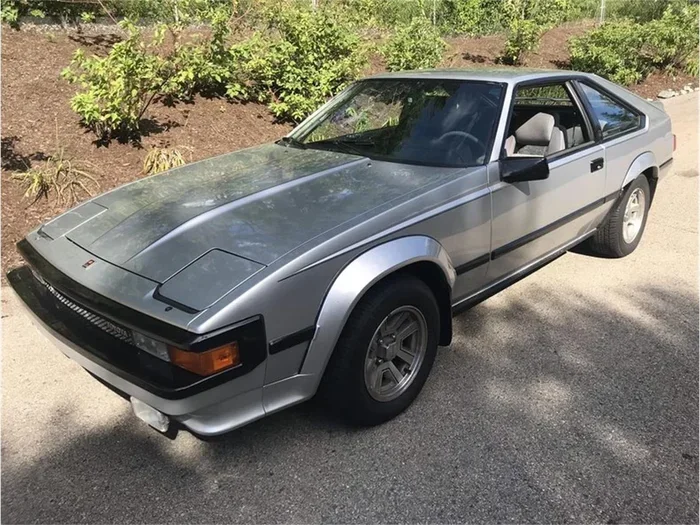
The second generation brought sharper styling and more advanced technology. Toyota introduced the world’s first turbo timer and active cruise control in this generation. The A60 Supra also offered a 2.8-liter inline-six engine that produced solid power. Still, Toyota kept production numbers relatively modest. These cars were meant for driving enthusiasts, not the average commuter. As a result, second-generation Supras have become increasingly rare on today’s market.
Third Generation: The A70 Era (1986-1993)
The third generation, or A70 Supra, marked a major leap in performance. Toyota offered the legendary 2JZ inline-six engine, which would become the backbone of the Supra’s reputation. The twin-turbo version of the 2JZ engine produced incredible power and laid the groundwork for the Supra’s legendary status. The A70 Supra gained a massive following in Japan and around the world. Even so, Toyota built these cars in limited quantities compared to mainstream vehicles. This contributes to the rarity of old Toyota Supras from this era.
Fourth Generation: The A80 Era (1993-2002)
The fourth generation Supra, or MK4, is the most famous of them all. It featured a stunning design, a turbocharged 2JZ-GTE engine producing up to 320 horsepower, and a top speed that rivaled many supercars. The MK4 Supra became a pop culture icon thanks to movies like “The Fast and the Furious.” Toyota built the A80 Supra for nearly a decade, but even then, production numbers were never in the millions. The MK4 Supra is the crown jewel of old Toyota Supras, and its rarity only adds to its allure.
How Many Old Toyota Supras Were Made?
Production numbers tell a big part of the rarity story. Toyota never mass-produced the Supra the way they did the Corolla or Camry. Each generation rolled off the assembly line in relatively small batches, which means fewer survive today.
Estimated Production Numbers by Generation
Here is a general look at how many Supras Toyota built across the generations:
- First Generation (A40/A50): Approximately 70,000 units worldwide.
- Second Generation (A60): Around 80,000 units globally.
- Third Generation (A70): Roughly 100,000 units produced.
- Fourth Generation (A80/MK4): Approximately 100,000 units, with many exported to the United States and Europe.
Compare those numbers to modern mass-market cars, and you can see why old Toyota Supras are rare. Hundreds of thousands of units sounds like a lot, but over several decades of natural attrition, many have been scrapped, crashed, or modified beyond recognition. The pool of clean, stock examples shrinks every year.
Why Are Old Toyota Supras So Rare?
Several factors have contributed to the rarity of old Toyota Supras. It is not just about production numbers. The passage of time, driving culture, and market forces have all played a role.
Natural Attrition Over the Decades
Cars are not meant to last forever, even well-built ones like the Supra. Over the past 30 years, many old Toyota Supras have been involved in accidents, left to rust in junkyards, or simply worn out from daily driving. Mechanical failures, rust, and neglect have all taken their toll. The surviving examples represent only a fraction of what once existed.
Modifications and Drifting Culture
The Supra became a favorite among tuning and drifting communities. Many owners modified their cars heavily, swapping engines, reinforcing chassis, and changing aesthetics. While some of these builds are impressive, they also mean that original, unmodified Supras are becoming harder to find. A clean, stock MK4 Supra with low mileage is a true unicorn in today’s market.
Scrappage and Export Markets
In Japan, older cars are often scrapped as part of strict vehicle inspection laws. Many Supras that were once on Japanese roads ended up in junkyards when owners could not pass inspections. At the same time, thousands of Supras were exported to the United States, Europe, and Australia. This global spread means Supras exist in many countries, but it also means many were driven hard and discarded when newer models arrived.
The Fast and Furious Effect
The “Fast and Furious” movie franchise turned the Toyota Supra into a global superstar. After the first film in 2001, demand for Supras skyrocketed. Collectors and fans rushed to buy them, which drove prices up and made clean examples even scarcer. The movie effect created a surge in demand that has never fully cooled down.
The MK4 Supra: The Most Iconic Generation
If there is one old Toyota Supra that stands above all others, it is the MK4. The A80 Supra is the car that most people think of when they hear the name “Toyota Supra.” Its aggressive styling, thunderous 2JZ-GTE engine, and pop culture fame make it the most desirable generation by far.
Why the MK4 Supra Is So Special
The MK4 Supra offered a driving experience that few cars could match. The twin-turbo 2JZ engine was incredibly tunable, capable of producing well over 1,000 horsepower with basic modifications. This made the Supra a favorite among drag racers and car enthusiasts alike. The car also handled beautifully, with a balanced chassis and responsive steering.
Toyota originally rated the MK4 Supra at 320 horsepower, but many experts believe the actual output was higher. This mysterious underrating added to the car’s mystique. Today, the MK4 Supra is a collector’s dream and one of the most valuable old Toyota Supras on the market.
MK4 Supra Production and Rarity
Toyota produced the MK4 Supra from 1993 to 2002. In its home market of Japan, the car was available with both naturally aspirated and turbocharged engines. In the United States, only the turbocharged version was sold for most of its run. Production numbers were never massive, and the car was discontinued in 2002 after Toyota decided to focus on other models.
Since then, the MK4 Supra has only grown in popularity. Finding a clean, unmodified example today is a serious challenge. Many have been modified with aftermarket parts, rebuilt engines, or custom interiors. A truly stock MK4 Supra with original paint and low mileage is an incredibly rare find.
What Makes Old Toyota Supras So Valuable?
The value of old Toyota Supras has climbed dramatically in recent years. Several factors drive this trend, and understanding them helps explain why these cars are so sought after.
Limited Supply Meets Growing Demand
The basic economics of supply and demand apply directly to the Supra market. Fewer clean Supras are available each year, while interest from collectors and enthusiasts continues to grow. This imbalance pushes prices higher. A MK4 Supra in good condition that might have cost $15,000 a decade ago can now sell for $50,000 or more, depending on condition and mileage.
The 2JZ Engine Legacy
The 2JZ engine family is one of the most legendary engines in automotive history. It is known for its durability, tunability, and smooth power delivery. Car enthusiasts around the world revere the 2JZ, and this admiration extends to every Supra that houses one. The engine’s reputation adds significant value to old Toyota Supras.
Cultural and Nostalgic Appeal
For many car fans, the Supra represents the golden era of JDM sports cars. It was a time when manufacturers built exciting, powerful cars that were accessible to regular enthusiasts. The Supra embodies that spirit, and nostalgia plays a big role in its enduring popularity. Owning an old Toyota Supra is like owning a piece of automotive history.
Investment Potential
Some people buy old Toyota Supras as investments. The market for rare sports cars has grown significantly, and the Supra is at the center of that trend. Well-preserved examples, especially low-mileage turbo MK4s, have shown strong appreciation over time. This investment potential draws more buyers into the market, which further drives up prices and reduces availability.
Are Old Toyota Supras Getting Harder to Find?
The short answer is yes. Every year, the number of old Toyota Supras on the market decreases. Several trends point to continued scarcity in the future.
Fewer Cars on the Road Each Year
Every time an old Supra is involved in a serious accident, suffers from mechanical failure, or gets scrapped, the total number of surviving cars drops. Toyota is not building new old Supras, so the pool of available cars only gets smaller. This natural decline is one of the main reasons old Toyota Supras are becoming rarer.
Rising Prices Limit the Buyer Pool
As prices climb, fewer people can afford to buy old Toyota Supras. This might seem like it would reduce demand, but in reality, it often has the opposite effect. High prices create a sense of urgency and exclusivity. Buyers who can afford Supras move quickly to secure them before prices go even higher. This fast turnover means good cars disappear from the market almost as soon as they appear.
The Next Generation of Supra Fans
Interestingly, younger car enthusiasts are discovering the Supra in large numbers. Social media, YouTube car channels, and online forums have introduced a new generation to the magic of the old Toyota Supra. This growing interest from younger buyers means demand will likely stay strong or even increase in the coming years.
What to Expect in the Next Five Years
Experts predict that clean, unmodified old Toyota Supras will become even rarer and more expensive. MK4 Supras with original engines, transmissions, and body panels will command the highest prices. Early MK3 and MK2 Supras may also see increased interest as collectors seek out the rarest models.
Quick Tips for Buying an Old Toyota Supra
- Check the vehicle history report thoroughly for accidents or title issues.
- Look for unmodified examples if you want the best long-term value.
- Inspect the 2JZ engine carefully for oil leaks, blue smoke, or unusual noises.
- Verify the mileage and compare it to the car’s overall condition.
- Buy from a reputable seller or dealer with a solid return policy.
- Get a pre-purchase inspection from a mechanic who knows Supras well.
- Be prepared to act fast when you find a good one, because they do not stay available long.
Common Mistakes People Make When Buying Old Toyota Supras
Buying an old Toyota Supra can be exciting, but it also comes with risks. Many buyers make mistakes that cost them money or lead to disappointing purchases. Here are some common pitfalls to avoid.
Skipping the Pre-Purchase Inspection
This is the biggest mistake new buyers make. A Supra might look great on the outside, but hidden problems can lurk underneath. Always get a professional inspection before buying.
Ignoring Rust and Body Condition
Old cars develop rust, and Supras are no exception. Check the wheel wells, rocker panels, undercarriage, and frame rails carefully. Rust repairs can be expensive and may compromise the car’s safety and value.
Overpaying for Modified Cars
A heavily modified Supra might look impressive, but it is often worth less than a clean stock example. Modifications can also hide underlying problems or reduce reliability. If you want a daily driver or a show car, buy the best stock example you can afford.
Not Factoring in Maintenance Costs
Old Toyota Supras need regular maintenance to stay in good shape. Parts can be expensive, especially for the MK4 model. Budget for routine services, repairs, and potential upgrades before you buy.
Expert Insight: Why the Supra Endures
“The Toyota Supra represents everything great about Japanese sports cars from the 1990s,” says automotive historian and Supra collector Mark Davidson. “It was affordable, reliable, fast, and beautiful. Those qualities do not go out of style. As more cars from that era disappear, the Supra will only become more valuable and desirable.”
The Future of Old Toyota Supras
The old Toyota Supra has secured its place in automotive history, and its future looks bright. As these cars become rarer, they will only grow in value and cultural significance. Whether you are a collector, a restorer, or simply a fan, the Supra will continue to captivate car lovers for decades to come.
Toyota has not announced plans to revive the old Supra nameplate in its original form, but the MK5 Supra that arrived in 2019 has kept the spirit alive. Many fans of the old Toyota Supra appreciate the new model but still hold a special place in their hearts for the classic generations. The legacy of the old Supra is secure, and its rarity only adds to its mystique.
If you are considering buying an old Toyota Supra, now is the time to act. Prices will continue to rise, and clean examples will only become scarcer. Do your research, set a budget, and find the right car for you. The journey of owning an old Supra is one of the most rewarding experiences in the automotive world.
Old Toyota Supras are rare, and that rarity is what makes them so special. Every surviving car tells a story of performance, style, and passion. Whether it is the first-gen A40, the legendary MK4 A80, or any generation in between, the Supra remains an icon that deserves its place at the top of every car enthusiast’s wishlist.
Frequently Asked Questions
Are old Toyota Supras still being produced?
No, Toyota stopped producing the old Supra in 2002 with the end of the MK4 generation. A new Supra (MK5) returned in 2019, but it is a completely different car built with BMW technology. The classic old Toyota Supras are no longer in production.
Why is the MK4 Supra the most popular old Toyota Supra?
The MK4 Supra is the most popular because of its incredible performance, iconic design, and pop culture fame. The 2JZ-GTE engine, featured in “The Fast and the Furious,” made the car a global sensation. Its combination of speed, style, and tunability makes it the most desirable old Toyota Supra.
How much does an old Toyota Supra cost today?
Prices vary widely depending on the generation, condition, and mileage. A first or second-gen Supra might cost $10,000 to $30,000, while a clean MK4 Supra can range from $40,000 to over $100,000 for low-mileage, unmodified examples. Prices have risen significantly in recent years.
Are old Toyota Supras reliable daily drivers?
Yes, old Toyota Supras are generally reliable, especially the ones with well-maintained 2JZ engines. However, they are older cars, so regular maintenance is essential. Finding parts can be more challenging than for modern vehicles, and some components may need replacement over time.
What should I look for when buying an old Toyota Supra?
Look for a clean title, low mileage, and minimal modifications. Check the engine, transmission, and suspension for signs of wear. Always get a pre-purchase inspection from a qualified mechanic who has experience with Supras. A clean, stock example will hold its value best.
Will old Toyota Supras become even rarer in the future?
Yes, old Toyota Supras will almost certainly become rarer over time. Each year, more cars are scrapped, crashed, or modified beyond recognition. The surviving pool shrinks steadily, which is why clean examples are already commanding premium prices and are expected to rise further.
=== CONCLUSION ===
Old Toyota Supras are rare, and that rarity is only going to increase with time. From the first-generation A40 to the legendary MK4 A80, each generation of the Supra holds a special place in automotive history. Limited production numbers, decades of attrition, heavy modifications, and surging global demand have all contributed to the scarcity of these incredible cars.
If you are a fan of the old Toyota Supra, you already know what makes these cars so special. They are fast, beautiful, reliable, and full of character. They represent an era when sports cars were accessible, exciting, and built to be driven. The fact that fewer and fewer clean examples exist only makes them more precious.
Whether you are looking to buy one, sell one, or simply appreciate them from afar, the old Toyota Supra deserves your attention. These cars are more than machines. They are rolling pieces of art that capture the heart of Japanese sports car engineering. The old Toyota Supra is rare, and that is exactly what makes it so incredible.