Are Prius Expensive to Maintain Compared to Other Cars
Are Prius expensive to maintain? The short answer is no. Toyota Prius maintenance costs are generally lower than gas-powered cars thanks to regenerative braking, fewer brake replacements, and a proven hybrid drivetrain. This guide breaks down real repair costs, compares them to popular competitors, and shows you how to keep your Prius running strong for years.
Are Prius expensive to maintain? That is the first question most buyers ask when they start shopping for a Toyota Prius. The Prius has been a top-selling hybrid car for over 25 years. People love its fuel economy, low emissions, and reputation for reliability. But the real question that keeps buyers up at night is about long-term costs. Does owning a Prius save you money over time, or do hidden repair bills add up?
The truth might surprise you. Most Prius owners spend less on upkeep than drivers of gas-powered cars. The hybrid system, regenerative braking, and Toyota’s proven engineering all play a role. In this article, we will walk through every major cost category in detail. We will compare Prius maintenance costs to popular rivals like the Honda Civic and Toyota Camry. By the end, you will know exactly what to expect for your wallet.
Whether you are thinking about buying a Prius or you already own one, this guide has practical value. We will cover routine maintenance, major repair expenses, and long-term cost of ownership. You will learn real numbers, practical tips, and common mistakes to avoid. Let us dive in.
Key Takeaways
- Lower routine costs: Prius oil changes, filter replacements, and fluid services cost the same or less than gas-powered rivals.
- Regenerative braking saves big: Brake pads last much longer, cutting a major maintenance expense significantly.
- Hybrid battery replacements are rare: Most Prius batteries last 150,000 to 200,000 miles, and refurbished options cut costs in half.
- Cheaper than the Honda Civic and Toyota Camry: Annual maintenance costs for the Prius sit below both popular competitors.
- Long-term ownership is affordable: Fuel savings, strong resale value, and proven longevity make the Prius a smart financial choice.
- DIY-friendly maintenance: Many simple tasks like air filter and cabin filter swaps can be done at home for minimal cost.
- Follow the Toyota maintenance schedule: Staying on top of recommended services prevents costly surprises and keeps the car reliable.
📑 Table of Contents
What Does It Actually Cost to Maintain a Prius?
Are Prius expensive to maintain when it comes to routine service? The answer is reassuring. A standard Prius oil change costs around 50 to 70 dollars. That is comparable to or even less than many gas cars. Toyota recommends an oil change every 10,000 miles or 12 months. This is longer than the 5,000-mile interval many gas cars need, which means fewer trips to the shop and lower annual costs.
Here is a quick look at common routine maintenance costs for a Toyota Prius:
- Oil change: 50 to 70 dollars every 10,000 miles
- Tire rotation: 30 to 50 dollars every 5,000 to 7,500 miles
- Cabin air filter: 20 to 40 dollars every 15,000 miles
- Engine air filter: 25 to 50 dollars every 30,000 miles
- Brake fluid flush: 70 to 100 dollars every 30,000 miles
- Coolant system flush: 100 to 150 dollars every 60,000 miles
Notice something interesting? The Prius does not need a traditional transmission fluid change. The hybrid drivetrain uses a planetary gear set that requires no regular fluid service. This alone saves owners hundreds of dollars over the life of the car. When you add up all the routine services, the Toyota Prius maintenance cost stays remarkably low.
Routine Maintenance Costs Compared to Gas Cars
When you compare Toyota Prius maintenance cost to a similar gas car, the Prius often wins. Gas engines have more moving parts that wear out faster. They need spark plug replacements, transmission service, and more frequent oil changes. The Prius engine runs fewer hours because the electric motor shares the load. This means less wear and fewer trips to the shop. Hybrid vehicle maintenance is simply less demanding on the mechanical components.
According to RepairPal, the average annual repair cost for a Prius is around 400 dollars. The Toyota Camry comes in at about 410 dollars. The Honda Civic averages around 450 dollars. So the Prius sits at the lower end of the Toyota reliability rating spectrum. These numbers reflect real-world data from thousands of vehicles on the road.
Major Repair Expenses You Should Know About
Are Prius expensive to maintain when something breaks? Most major repairs are rare. Toyota built the Prius with a strong, simple hybrid system. But some repairs can be pricey if they are not covered by warranty. Knowing what to expect helps you budget wisely.
Here are the big-ticket items every potential Prius owner should be aware of:
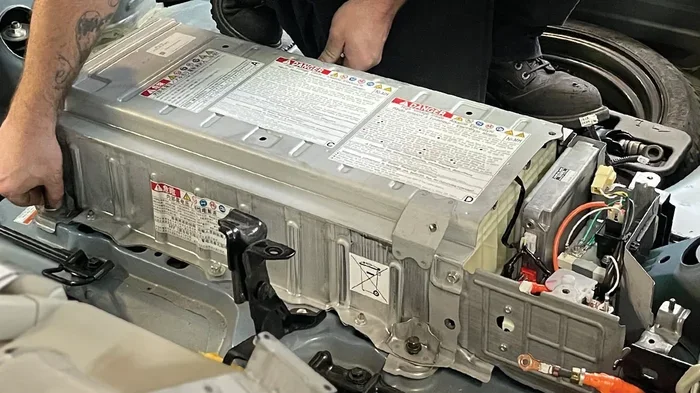
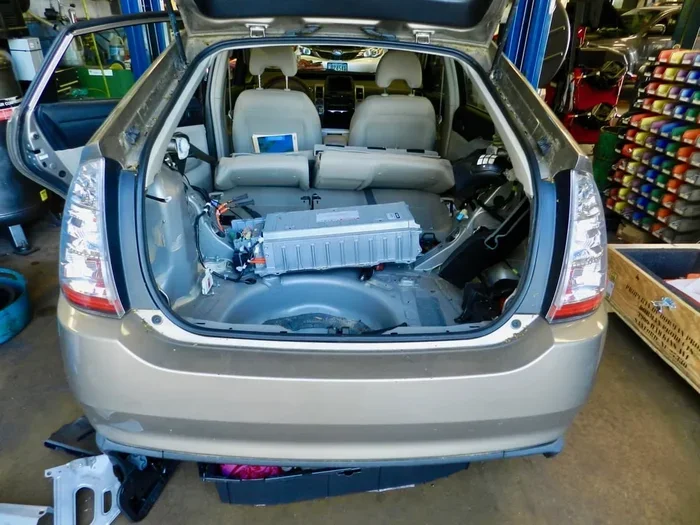
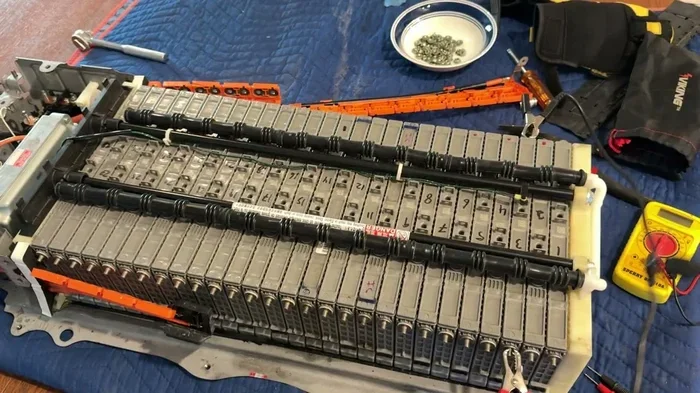
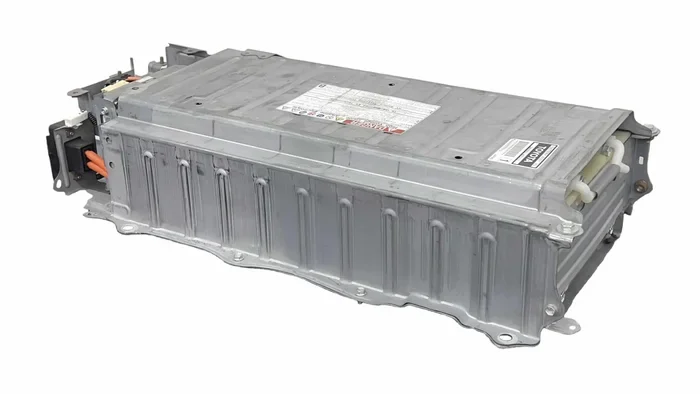
- Hybrid battery replacement: This is the biggest potential cost. A new Toyota hybrid battery can range from 2,000 to 4,500 dollars. However, most Prius batteries last 150,000 to 200,000 miles. Many owners never need a replacement during their ownership period.
- Inverter assembly: The inverter converts DC power to AC for the electric motor. Replacing one costs roughly 1,500 to 3,000 dollars. This is uncommon before 150,000 miles and rarely an issue in well-maintained vehicles.
- Powertrain control module: Rare electrical failures can cost 1,000 to 2,500 dollars to fix. These issues are uncommon and usually covered under the hybrid warranty.
The good news is that many of these parts are now available as refurbished or remanufactured options. You can often find a refurbished hybrid battery for 800 to 1,500 dollars. This cuts the cost significantly and gives your car new life without the dealer price tag. Always ask your mechanic about refurbished alternatives before agreeing to a full-price replacement.
How Does Prius Maintenance Compare to Gas Cars?
Are Prius expensive to maintain compared to other popular cars? Let us put it to the test. We will look at three common comparables: the Honda Civic, the Toyota Camry, and the Hyundai Elantra. These are all solid, reliable cars. But how do their maintenance costs stack up against the Prius?
Prius vs. Honda Civic
The Honda Civic is one of the most popular compact cars in America. It is known for being affordable and fun to drive. But when it comes to upkeep, the Prius has a clear edge. The Civic needs regular oil changes every 5,000 to 7,500 miles. It also requires transmission fluid changes and spark plug replacements every 30,000 miles. The Prius skips the transmission service entirely. Its electric motor handles much of the driving, so the gas engine wears less.
Over a 10-year ownership period, Prius owners typically save 800 to 1,200 dollars in maintenance costs compared to Civic owners. The Prius vs Honda Civic cost difference is driven by the hybrid system’s reduced wear on the engine and drivetrain. Fewer oil changes, no transmission service, and longer-lasting brake pads all add up.
Prius vs. Toyota Camry
The Toyota Camry is the direct rival from Toyota’s own lineup. Both cars share many parts and service procedures. So the cost difference between them is smaller than with the Civic. However, the Camry still has a traditional gas engine that needs more frequent service. The Prius engine runs less often and for shorter periods. This means less oil degradation and fewer brake jobs.
On average, Camry owners spend about 100 to 200 dollars more per year on maintenance than Prius owners. Over 10 years, that adds up to 1,000 to 2,000 dollars. When you consider the Prius vs Camry maintenance comparison, the hybrid advantage is clear even within the same manufacturer.
Prius vs. Hyundai Elantra
The Hyundai Elantra is a strong value competitor. It offers a lot of features for the price. But its maintenance costs are slightly higher than the Prius. The Elantra needs conventional oil changes and has a more complex gas-only powertrain. The Prius benefits from its simpler hybrid drivetrain and regenerative braking system. The Elantra also tends to need brake pad replacements more frequently, adding to the lifetime cost difference.
Maintenance Cost Comparison Table
| Model | Annual Maintenance Cost | 10-Year Estimated Total | Major Repair Risk |
|---|---|---|---|
| Toyota Prius | 400 dollars | 4,000 dollars | Low |
| Toyota Camry | 410 dollars | 4,100 dollars | Low |
| Honda Civic | 450 dollars | 4,500 dollars | Medium |
| Hyundai Elantra | 460 dollars | 4,600 dollars | Medium |
As you can see, the Prius sits at or near the top of the list for lowest maintenance cost. The numbers speak for themselves. When you factor in fuel efficiency savings on top of lower repair costs, the Prius becomes an even stronger value proposition.
Why the Prius Is Cheaper to Maintain Than You Think
Are Prius expensive to maintain? Once you understand the technology behind the Prius, the answer becomes clear. The Prius was designed with simplicity and efficiency in mind. Several engineering features work together to reduce wear and lower costs over time. Understanding these features helps you appreciate why the Prius is such an affordable car to own.
Regenerative Braking Saves Money
This is the Prius’s biggest money-saving feature. Regenerative braking captures energy during deceleration and feeds it back to the hybrid battery. This means the brake pads wear out much more slowly. Many Prius owners get 100,000 miles or more out of a set of brake pads. In a typical gas car, pads might last 30,000 to 50,000 miles. That is a dramatic difference.
Replacing brake pads on a Prius costs around 150 to 250 dollars per axle. Gas car owners might replace pads two or three times as often. Over the life of the car, regenerative braking can save 300 to 600 dollars in brake costs alone. This is one of the biggest reasons Prius repair cost stays so low over time.
Fewer Moving Parts Equals Less Wear
The Prius hybrid drivetrain has fewer moving parts than a conventional gas engine. There is no traditional transmission with gears to shift. The electric motor handles low-speed driving. The gas engine kicks in for highway cruising and quick acceleration. This sharing of duties means less stress on every component in the drivetrain.
No clutch to wear out. No torque converter to fail. No complex multi-speed gearbox to service. The hybrid powertrain is elegant in its simplicity. This design philosophy is why Toyota hybrid maintenance is so straightforward and affordable compared to more complex drivetrains.
Toyota Reliability and Proven Track Record
Toyota has built a reputation for reliability over decades. The Prius is no exception. Consumer Reports consistently rates the Prius as one of the most reliable cars on the road. The 2001 to 2003 first-generation Prius models are still on the road today with over 300,000 miles. The 2010 to 2015 second-generation models are equally durable. This Prius longevity is a testament to Toyota’s engineering and build quality.
Toyota’s hybrid system has been refined through multiple generations. Each version is more reliable and efficient than the last. This means fewer unexpected repairs and lower long-term costs. When you buy a Prius, you are buying into a proven track record of durability and low ownership expenses.
Common Prius Maintenance Issues to Watch For
Are Prius expensive to maintain when things go wrong? Most issues are minor and affordable. But a few common problems are worth knowing about. Catching them early can save you from bigger expenses later. Being proactive is the best way to keep your Prius repair cost low.
Hybrid Battery Degradation
The hybrid battery is the heart of the Prius system. Over time, the battery capacity may slowly decline. You might notice slightly reduced fuel economy. The car may use less electric-only driving and rely more on the gas engine. This is normal and gradual. Most Prius batteries last well beyond 150,000 miles.
If you notice a significant drop in fuel economy, have the battery tested. Often, a simple reconditioning or balancing of cells can restore performance without a full replacement. Many shops specialize in hybrid battery testing and can give you a clear picture of your battery health. This is much cheaper than just assuming you need a new battery.
Coolant System Flushes
The Prius uses coolant for both the engine and the hybrid battery thermal management system. Toyota recommends a coolant flush every 60,000 miles. This is more frequent than many gas cars. The cost is around 100 to 150 dollars. It is a straightforward service that prevents overheating and corrosion. Skipping this service can lead to more expensive problems down the road.
12-Volt Battery Replacement
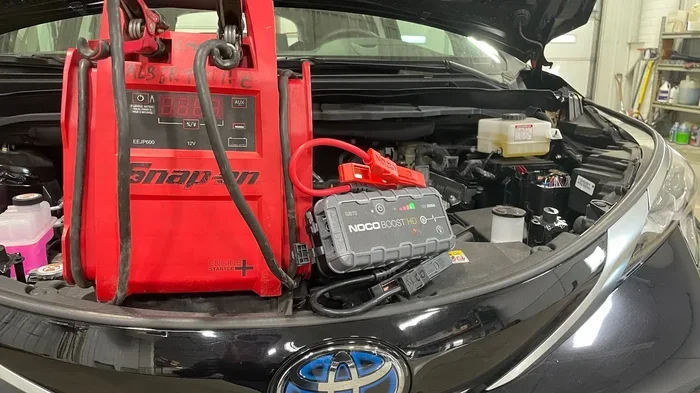
Every car has a small 12-volt battery for accessories and computer systems. In the Prius, this battery can drain if the car sits unused for long periods. Replacement costs around 100 to 200 dollars. To avoid this, drive the car regularly or use a battery maintainer if it will sit for weeks. This is a simple and inexpensive tip that saves you from a frustrating morning start-up problem.
Rust and Exterior Wear
Some Prius owners report rust on the rear wheel wells and undercarriage. This is more common in northern states where salt is used on roads. Washing the undercarriage regularly and applying rust-proofing can prevent this issue. It is not a major expense but can become one if ignored. A rust-proofing treatment costs around 150 to 300 dollars and can save thousands in body repair later.
Tips to Keep Your Prius Running Smoothly and Save Money
Are Prius expensive to maintain if you take good care of it? Not at all. Regular care goes a long way toward keeping costs low. Here are practical tips every Prius owner should follow to minimize expenses and maximize reliability.
Follow the Toyota Maintenance Schedule
Toyota provides a detailed Toyota maintenance schedule for every Prius model year. Stick to it. The schedule covers oil changes, fluid flushes, filter replacements, and inspections. Following it ensures small problems do not become big ones. Most Toyota dealerships will stamp your service records. This is valuable for warranty claims and resale value. A well-documented service history also makes your car more attractive to future buyers.
Do Simple Tasks Yourself
You can save money by handling basic maintenance yourself. Replacing the cabin air filter is easy. It usually takes five minutes and costs under 30 dollars for the part. The engine air filter is also simple to swap out. Windshield wiper blades can be replaced in minutes. These small DIY tasks add up to real savings over the years. You can find plenty of online tutorials specific to your Prius model year. The owner’s manual is also an excellent resource for step-by-step guidance.
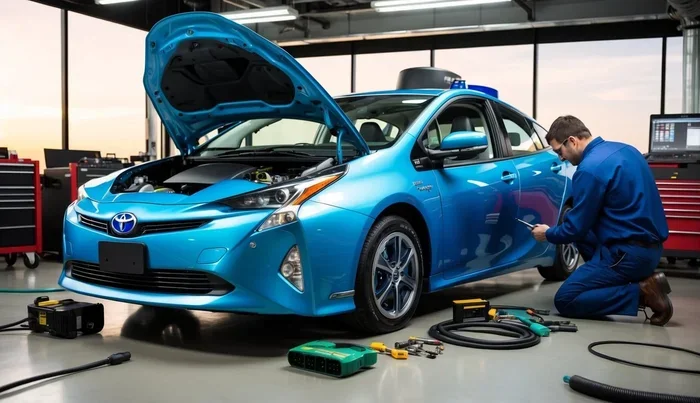
Find a Good Independent Mechanic
Toyota dealership service can be pricey. Many independent mechanics now specialize in hybrid vehicles. They often charge 30 to 50 percent less than dealers for the same work. Look for a mechanic with hybrid-specific training and experience. Ask for referrals from other Prius owners in your area. Online forums and local hybrid clubs are great places to find trusted recommendations. A good independent mechanic becomes a long-term partner in keeping your car healthy and affordable.
Keep Records and Track Expenses
Maintain a log of all service and repairs. Note the date, mileage, and cost of each service. This helps you spot patterns. If a repair keeps coming up, you can address the root cause rather than just patching the symptom. Good records also boost resale value. Buyers trust a well-documented maintenance history, and it can justify a higher asking price when you sell. Use a simple spreadsheet or a phone app to stay organized.
The Long-Term Cost of Owning a Prius
Are Prius expensive to maintain over the full ownership period? The long-term picture is very favorable. Let us break down the total cost of ownership so you can see the full financial picture.
Fuel Savings Add Up Fast
The Prius gets an average of 50 to 55 miles per gallon in combined driving. A comparable gas sedan might get 30 miles per gallon. If you drive 15,000 miles per year and gas costs 3.50 dollars per gallon, the Prius saves you about 700 dollars per year in fuel. Over 10 years, that is 7,000 dollars in fuel savings alone. These fuel savings far outweigh any extra maintenance costs. The Prius pays for itself quickly, making it one of the smartest financial decisions for many car buyers.
Resale Value and Longevity
Toyota Prius models hold their value well. The strong reputation for reliability drives demand in the used car market. A 5-year-old Prius often retains 55 to 65 percent of its original value. A comparable gas car might retain only 45 to 55 percent. This strong Prius resale value means you lose less money when it is time to sell or trade in.
The Prius is also known for longevity. Many owners report 200,000 to 300,000 miles with proper care. The hybrid battery and electric motor are designed to last the life of the vehicle. Toyota offers an 8-year or 100,000-mile warranty on hybrid components. This gives owners peace of mind and financial protection against unexpected major repairs. The combination of durability and warranty coverage makes the Prius a low-risk investment.
Insurance and Registration Costs
Insurance costs for a Prius are generally similar to other Toyota models. Some insurers offer discounts for hybrid vehicles because they are safer and less likely to be stolen. Registration fees vary by state. In some states, hybrid vehicles qualify for reduced registration or emissions testing exemptions. Check with your local DMV and insurance provider to see what savings might be available in your area. These small savings contribute to the overall lower cost of ownership.
Environmental Impact and Hidden Savings
Owning a Prius also has environmental benefits that translate to savings. Lower emissions mean fewer emissions testing failures in states that require them. Some cities offer HOV lane access for hybrid vehicles, saving time and reducing stress on commutes. These perks add real value to ownership beyond just dollars and cents. The Prius delivers both financial and lifestyle benefits that make it a compelling choice.
Conclusion
Are Prius expensive to maintain? The evidence is clear. The Toyota Prius is one of the most affordable cars to own and maintain. Routine costs are low. Major repairs are rare. The hybrid system reduces wear on brakes, engine, and transmission. When compared to gas-powered rivals like the Honda Civic and Toyota Camry, the Prius comes out ahead on total cost of ownership.
The key is simple: follow the maintenance schedule, find a good mechanic, and take care of small issues before they grow. Do this, and your Prius will reward you with years of reliable, affordable service. Whether you are a first-time hybrid buyer or a long-time Prius fan, the numbers confirm what owners already know. The Prius is a smart, economical choice that keeps on giving. Invest in one today and enjoy the benefits of lower maintenance costs, better fuel economy, and peace of mind for miles to come.
Frequently Asked Questions
Are Prius expensive to maintain compared to Honda Civic?
No, the Prius is generally cheaper to maintain than the Honda Civic. The Prius needs fewer oil changes, no transmission service, and brake pads last much longer. Over 10 years, Prius owners save several hundred dollars compared to Civic owners.
How often does a Prius need major repairs?
Major repairs on a Prius are rare. The hybrid battery typically lasts 150,000 to 200,000 miles. Most Prius owners only need routine services like oil changes and brake pad replacements throughout their ownership period.
Is the Toyota Prius battery expensive to replace?
A new Toyota hybrid battery can cost 2,000 to 4,500 dollars. However, refurbished options are available for 800 to 1,500 dollars. Most Prius batteries last well beyond 150,000 miles, so replacement is not a common expense.
What is the average annual maintenance cost for a Prius?
The average annual maintenance cost for a Toyota Prius is around 400 dollars. This includes routine services like oil changes, tire rotations, and fluid flushes. It is lower than most comparable gas-powered cars.
Can I do Prius maintenance myself to save money?
Yes, many basic maintenance tasks are easy to do yourself. Replacing the cabin air filter, engine air filter, and windshield wiper blades are simple jobs. These DIY tasks can save you 50 to 100 dollars per service visit.
Do Prius owners spend less on gas and maintenance combined?
Yes, Prius owners spend significantly less on fuel and maintenance combined. The Prius gets 50 to 55 miles per gallon, saving hundreds of dollars per year in fuel. Add lower maintenance costs, and the total savings are substantial over any ownership period.