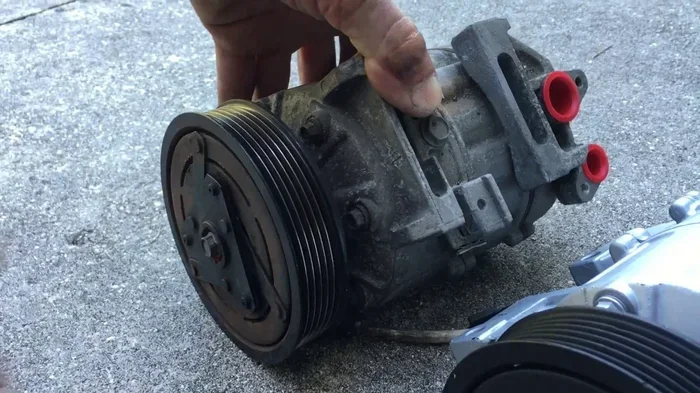
AC Compressor for Nissan Altima: Cost and Replacement Guide
A broken AC compressor for Nissan Altima can leave you sweating in traffic, but replacing it doesn’t have to drain your wallet. This guide covers the AC compressor replacement cost, step-by-step installation process, and tips to keep your Nissan Altima cooling system running strong for years to come.
Your Nissan Altima’s air conditioning system is more than just a luxury. On a hot summer day, it’s a necessity. But what happens when the AC compressor for Nissan Altima starts to fail? You’re left with warm air blowing through your vents and a very uncomfortable drive. Whether you’re dealing with a noisy compressor, a refrigerant leak, or complete AC failure, understanding the AC compressor replacement cost and the replacement process can save you time, money, and a lot of frustration.
This guide breaks everything down in simple, easy-to-understand terms. We’ll walk you through the signs of a failing compressor, the cost breakdown, the replacement process, and tips to keep your Nissan Altima cooling system in top shape. No jargon. No fluff. Just practical advice you can use right away.
The AC compressor is the heart of your car’s air conditioning system. It pumps refrigerant through the system and keeps your cabin cool. When it goes bad, the entire automotive AC system suffers. Let’s dive into what you need to know about AC compressor for Nissan Altima repair and replacement.
Key Takeaways
- AC compressor replacement cost for a Nissan Altima typically ranges from $500 to $1,200, depending on the model year and labor rates.
- Common AC compressor symptoms include warm air, strange noises, and refrigerant leaks under the car.
- Replacing the AC compressor clutch separately can save money if the compressor body is still in good shape.
- Regular Nissan Altima maintenance and cabin air filter changes help extend the life of your automotive AC system.
- DIY replacement is possible for experienced DIYers, but professional installation is recommended for most drivers.
- Always replace the AC condenser Nissan Altima if it shows signs of damage during compressor replacement.
- Using OEM or high-quality aftermarket parts ensures long-term reliability and avoids repeat repairs.
📑 Table of Contents
- Signs Your AC Compressor for Nissan Altima Needs Replacement
- AC Compressor Replacement Cost for Nissan Altima
- How the AC Compressor Works in Your Nissan Altima
- Step-by-Step AC Compressor Replacement Process
- Common Mistakes to Avoid When Replacing Your AC Compressor
- Tips for Maintaining Your Nissan Altima AC System
- When to See a Professional vs. DIY
- Final Thoughts on AC Compressor Replacement for Nissan Altima
Signs Your AC Compressor for Nissan Altima Needs Replacement
Spotting the warning signs early can save you from a completely dead AC system on the worst day of the year. Here are the most common AC compressor symptoms to watch for.
Warm Air Blowing From the Vents
This is the most obvious sign. If you turn on the AC and feel nothing but warm air, the compressor might not be engaging. Sometimes the AC compressor clutch fails, which stops the compressor from cycling. Other times, the compressor itself has seized up internally. Either way, warm air means something in the Nissan Altima cooling system isn’t working.
Strange Noises From the Engine Bay
A healthy compressor runs quietly. If you hear grinding, screeching, or knocking sounds when you turn on the AC, that’s a red flag. These noises often mean the internal bearings or clutch are worn out. Ignoring them can lead to a full compressor failure and damage to other automotive AC system components.
Visible Refrigerant Leaks
Look for oily residue or wet spots near the compressor and AC lines. Refrigerant leaks are a serious problem. They not only kill your cooling power but also harm the environment. Low refrigerant levels put extra strain on the AC compressor for Nissan Altima and can cause it to overheat and fail prematurely.
AC Compressor Doesn’t Engage
When you turn on the AC, you should hear a slight click as the clutch engages. If nothing happens, the issue could be a bad AC compressor relay, a blown fuse, or a seized compressor. A mechanic can run a simple AC system diagnosis to pinpoint the exact cause.
Frequent AC Cycling
If your AC keeps turning on and off rapidly, the compressor might be struggling. This short-cycling behavior puts extra wear on the system and drives up your car AC repair cost. It’s often a sign of low refrigerant, a failing clutch, or electrical issues in the Nissan Altima AC system.
AC Compressor Replacement Cost for Nissan Altima
The AC compressor replacement cost for a Nissan Altima varies based on several factors. Let’s break down what you can expect to pay and why the price fluctuates.
Parts Cost Breakdown
The compressor itself is the biggest expense. OEM compressors for the Nissan Altima typically cost between $300 and $600. Aftermarket options run from $150 to $400, depending on the brand and quality. Premium brands like Sanden or Denso offer excellent reliability and often come with warranties.
If the AC compressor clutch is the only part that failed, you might get away with replacing just the clutch assembly. This costs significantly less, usually between $80 and $200 for the part alone. However, this only makes sense if the compressor body is still in good working condition.
Labor Cost Breakdown
Labor for AC compressor replacement typically runs between $300 and $800 at most repair shops. The exact price depends on your location, the mechanic’s hourly rate, and the complexity of the job. Some Nissan Altima models have easier access to the compressor, which reduces labor time. Others require removing additional components, which drives up the bill.
Total Cost Estimates by Model Year
- Nissan Altima 2013-2018: Total cost of $500 to $1,000 for parts and labor combined.
- Nissan Altima 2007-2012: Total cost of $450 to $900 for parts and labor combined.
- Nissan Altima 2019-2023: Total cost of $600 to $1,200 for parts and labor combined.
These are average estimates. Your actual car AC compressor cost could be higher or lower depending on your local labor rates and whether you need additional parts like a new AC condenser Nissan Altima or receiver drier.
How to Save Money on AC Compressor Replacement
You have several options to reduce the AC compressor replacement cost for your Nissan Altima. First, consider aftermarket compressors from reputable brands. They offer similar performance to OEM parts at a fraction of the price. Second, get quotes from at least three repair shops. Labor rates vary widely, and you might find a better deal at an independent mechanic than at a dealership.
Third, ask the shop if they offer a warranty on both parts and labor. A good warranty protects you if something goes wrong shortly after the repair. Finally, if you’re handy with tools, you can save on labor by doing the replacement yourself. We’ll cover the process in detail below.
How the AC Compressor Works in Your Nissan Altima
Understanding how the AC compressor for Nissan Altima works helps you appreciate why it’s so important. It also makes it easier to understand what goes wrong and how to prevent future problems.
The Basic Cycle
The AC compressor is the pump of the system. It takes low-pressure refrigerant gas from the evaporator and compresses it into high-pressure, high-temperature gas. This hot gas then flows to the condenser, where it releases heat and turns into a liquid. The liquid moves through the expansion valve and into the evaporator, where it absorbs heat from your cabin and cools the air. The cycle repeats continuously while the AC is on.
Role of the AC Compressor Clutch
The AC compressor clutch is a magnetic device that engages and disengages the compressor. When you turn on the AC, an electrical signal activates the clutch, which locks the compressor pulley to the compressor shaft. When you turn off the AC, the clutch releases, and the compressor stops spinning. This on-and-off cycling is what allows your AC to maintain a consistent temperature without overworking the system.
Common Failure Points
Several things can cause AC compressor failure in a Nissan Altima. Low refrigerant is the biggest culprit. When the system is low on refrigerant, the compressor has to work harder, which leads to overheating and eventual failure. Contaminated refrigerant, a clogged expansion valve, or a failing AC compressor relay can also cause problems. In some cases, simply wear and tear over 100,000+ miles causes the internal bearings to degrade.
Step-by-Step AC Compressor Replacement Process
Replacing the AC compressor for Nissan Altima is a moderately complex repair. It requires specific tools and knowledge of the automotive AC system. Here’s what the process looks like from start to finish.
Step 1: Recover the Refrigerant
Before you touch anything, the refrigerant must be safely recovered using a recovery machine. Releasing refrigerant into the atmosphere is illegal and harmful to the environment. A certified technician will use a manifold gauge set and recovery unit to extract all the refrigerant from the system.
Step 2: Remove the Serpentine Belt
The compressor is driven by the serpentine belt. You’ll need to loosen the belt tensioner and slide the belt off the compressor pulley. This step is straightforward on most Nissan Altima models but can be tricky on engines with tight engine bay layouts.
Step 3: Disconnect Electrical Connections
Unplug the AC compressor relay and any wiring harnesses connected to the compressor. Label each connector so you can reconnect them correctly later. Taking a photo before disconnecting anything is a great habit to build.
Step 4: Remove the Old Compressor
Unbolt the compressor from its mounting bracket. You may need to remove other components for better access, depending on your model year. Once all the bolts are out, carefully pull the compressor away from the engine bay. Plug any exposed lines immediately to prevent refrigerant loss and contamination.
Step 5: Install the New Compressor
Position the new AC compressor for Nissan Altima in place and hand-tighten the mounting bolts. Make sure the compressor is oriented correctly and that the clutch has proper clearance. Tighten all bolts to the manufacturer’s torque specifications. Reconnect all electrical connectors and reinstall the serpentine belt.
Step 6: Evacuate and Recharge the System
This is the most critical step. The system must be evacuated using a vacuum pump to remove all moisture and air. A proper vacuum hold test ensures there are no leaks. Once the system holds vacuum, you can recharge it with the correct amount of refrigerant and oil. The system should then be tested for proper cooling performance.
Quick Tips for DIYers
- Always use the correct type of refrigerant for your Nissan Altima model year. Most newer models use R-134a, while some 2020+ models may use R-1234yf.
- Replace the receiver drier or accumulator when you replace the compressor. This removes moisture and contaminants from the system.
- Check the AC compressor belt for wear and replace it if it shows cracks or glazing. A new belt ensures proper compressor operation.
- Never mix different types of refrigerant. This can cause chemical reactions that destroy the entire Nissan Altima cooling system.
- Wear safety glasses and gloves when handling refrigerant and tools.
Common Mistakes to Avoid When Replacing Your AC Compressor
Even experienced mechanics make mistakes during AC compressor replacement. Here are the most common ones and how to avoid them.
Skipping the Evacuation Step
Some people skip the vacuum evacuation step to save time. This is a huge mistake. Air and moisture trapped in the system can cause corrosion, ice formation in the expansion valve, and poor cooling performance. Always evacuate the system for at least 30 minutes before recharging.
Using the Wrong Refrigerant
Using the wrong refrigerant or mixing types can cause catastrophic damage to the compressor and other components. Always verify the correct refrigerant type for your specific Nissan Altima model year before adding any refrigerant.
Ignoring the Condenser
If the original compressor failure was caused by internal debris, that debris may have circulated through the entire automotive AC system. In this case, replacing just the compressor is a temporary fix. Have the condenser and other components inspected and replaced if needed.
Over-tightening or Under-tightening Bolts
Over-tightening compressor mounting bolts can warp the mounting bracket or crack the compressor housing. Under-tightening can cause vibrations that damage the AC compressor clutch and lead to premature failure. Always use a torque wrench and follow the manufacturer’s specifications.
Neglecting the AC Compressor Relay
Sometimes the compressor isn’t the problem at all. A faulty AC compressor relay can mimic compressor failure symptoms. Before replacing the compressor, have a mechanic test the relay and electrical connections. This simple check can save you hundreds of dollars.
Tips for Maintaining Your Nissan Altima AC System
Prevention is always better than repair. Regular Nissan Altima maintenance can extend the life of your AC compressor and keep your car AC system running smoothly for years.
Run Your AC Regularly
Even in winter, run your AC for 10 to 15 minutes at least once a week. This keeps the compressor lubricated and prevents seals from drying out. It also helps maintain proper refrigerant circulation throughout the Nissan Altima cooling system.
Check Refrigerant Levels
Low refrigerant is the number one cause of AC compressor failure. Have your refrigerant levels checked during every oil change or annual service. If you notice the AC isn’t cooling as well as it used to, get a car AC repair cost estimate and have the system inspected right away.
Replace the Cabin Air Filter
A clogged cabin air filter restricts airflow and forces the evaporator to work harder. This puts extra strain on the compressor over time. Replace your cabin air filter every 15,000 to 20,000 miles as part of routine Nissan Altima maintenance.
Keep the Condenser Clean
The condenser sits in front of the radiator and can get clogged with dirt, bugs, and debris. A dirty condenser reduces cooling efficiency and causes the compressor to overwork. Hose down the front of your car periodically to keep the condenser clear.
Address Strange Noises Immediately
If you hear any unusual sounds from the compressor area, don’t ignore them. Early detection of AC compressor symptoms can prevent a minor repair from turning into a full compressor replacement. A quick AC system diagnosis can identify problems before they escalate.
Use Quality Replacement Parts
When it’s time for replacement, invest in quality parts. OEM compressors from the dealership offer the best fit and performance. High-quality aftermarket compressors from trusted brands like Sanden, Denso, or Four Seasons are also excellent choices. Avoid the cheapest options, as they often fail prematurely and end up costing more in the long run.
When to See a Professional vs. DIY
Deciding between DIY and professional AC compressor for Nissan Altima replacement depends on your skill level and available tools. Here’s how to decide.
Choose DIY if you have experience working on cars, own a manifold gauge set and vacuum pump, and feel comfortable handling refrigerant. The process requires about 3 to 5 hours of work and basic hand tools. However, keep in mind that refrigerant handling requires EPA certification in the United States. Working without certification can result in fines.
Choose a professional if you don’t have the tools or experience. A certified mechanic will have the proper equipment for AC system diagnosis, evacuation, and recharge. They’ll also be able to identify related issues, like a failing AC condenser Nissan Altima or a clogged expansion valve, that you might miss. For most drivers, the peace of mind that comes with professional installation is well worth the extra cost.
Final Thoughts on AC Compressor Replacement for Nissan Altima
The AC compressor for Nissan Altima is a critical component that directly affects your comfort on the road. Whether you’re dealing with a noisy compressor, warm air from the vents, or a complete system failure, understanding the AC compressor replacement cost and the replacement process puts you in a much better position. You’ll avoid being overcharged, make informed decisions, and know exactly what to expect.
Remember, the key to a long-lasting compressor is proper maintenance. Run your AC regularly, check refrigerant levels, and address warning signs immediately. These simple habits can add years of life to your Nissan Altima cooling system and save you from costly repairs down the road.
If you’re facing a compressor replacement, don’t panic. The car AC compressor cost is manageable, especially when you know what you’re paying for. Use the cost breakdown and tips in this guide to plan your repair, get fair pricing, and get back to enjoying cool air on every drive. Your Nissan Altima deserves to keep you comfortable, no matter how hot it gets outside.
Frequently Asked Questions
How long does AC compressor replacement take for a Nissan Altima?
Most mechanics complete the job in 3 to 5 hours. The exact time depends on the model year, engine type, and accessibility of the compressor. DIY replacements may take longer if you’re less experienced with automotive AC systems.
Can I drive my Nissan Altima with a bad AC compressor?
Yes, you can drive with a bad compressor, but it’s not recommended for long periods. A seized compressor can damage the serpentine belt and other engine accessories. If the clutch has failed but the compressor spins freely, driving short distances is usually safe.
What causes AC compressor failure in Nissan Altima models?
The most common causes are low refrigerant, contaminated refrigerant, worn internal bearings, and electrical failures. Regular maintenance and prompt attention to warning signs can significantly reduce the risk of premature failure.
Is it better to replace the compressor or the entire AC unit?
Usually, just the compressor needs replacement. However, if the failure was caused by internal contamination, the condenser and other components may also need replacement. A professional AC system diagnosis will determine the best approach for your specific situation.
How much does an OEM AC compressor cost for a Nissan Altima?
OEM compressors typically cost between $300 and $600. Aftermarket options range from $150 to $400. The total AC compressor replacement cost including labor generally falls between $500 and $1,200, depending on your model year and location.
How can I extend the life of my Nissan Altima AC compressor?
Run your AC regularly, even in winter, to keep the compressor lubricated. Check refrigerant levels annually, replace the cabin air filter on schedule, and keep the condenser clean. Address any strange noises or weak cooling immediately before small issues become expensive repairs.