Car Paint Protection Film Cost Is It Worth The Investment
The car paint protection film cost typically ranges from $1,000 to $10,000 depending on your vehicle size, PPF quality, and whether you go full or partial coverage. While the upfront price may seem steep, PPF shields your car from chips, scratches, and road debris, preserving its resale value. This guide breaks down every cost factor so you can decide if paint protection film is truly worth it for your ride.
Have you ever parked your car and noticed a tiny rock chip on the hood? Or maybe a long scratch running down the side panel from a careless driver in a parking lot? It happens to all of us. And every time it does, you think about what it would cost to fix the paint. That thought alone leads most car owners to ask the same question: what is the car paint protection film cost, and is it really worth spending the money?
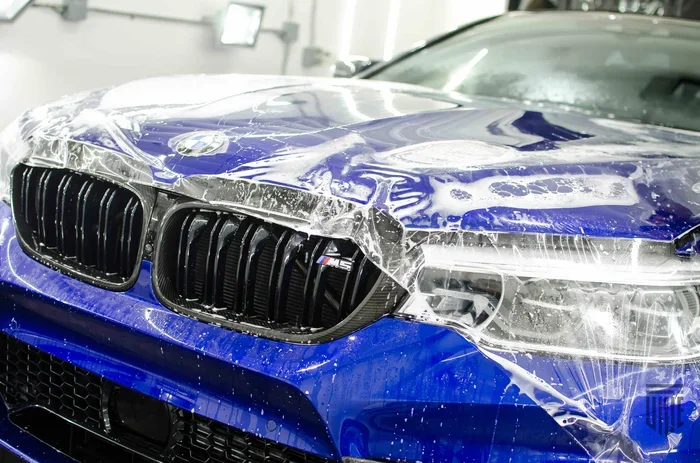
Paint protection film, commonly known as PPF or a clear bra, is a transparent urethane layer applied directly to your vehicle’s paint surface. It acts as a shield against rocks, bugs, UV rays, and everyday wear. But here is the thing most people do not expect: the PPF price varies a lot depending on the brand, the coverage area, and the quality of installation. In this article, we will walk through every cost factor in detail. By the end, you will know exactly what to expect and whether clear paint protection makes sense for your car.
Let us be real for a moment. Nobody loves spending thousands of dollars on something they cannot see. PPF is invisible once installed, which makes it hard to justify the expense. But think about this: a single paint repair can cost anywhere from $150 to $1,500 depending on the damage. Multiple chips and scratches over a few years can easily add up to far more than the car paint protection film cost. That is the core argument for investing in PPF. Let us dig deeper into the numbers and help you decide.
Key Takeaways
- Average PPF Cost: Full vehicle paint protection film cost ranges from $2,000 to $10,000, with partial coverage starting around $500.
- Quality Matters: Premium PPF brands like XPEL and 3M cost more but offer better self-healing and warranty coverage.
- Long-Term Savings: PPF before and after comparisons show that PPF prevents expensive paint repairs over time.
- Vehicle Size Affects Price: SUVs and trucks cost significantly more to wrap than sedans or compact cars.
- Installation Quality Is Key: Professional paint protection film installation ensures durability and avoids costly mistakes.
- Worth the Investment: For new or luxury vehicles, clear paint protection pays for itself through preserved value and reduced repairs.
📑 Table of Contents
- Understanding Car Paint Protection Film Cost
- Comparing PPF vs Other Paint Protection Options
- Is Car Paint Protection Film Worth the Investment?
- Common Mistakes That Increase PPF Cost
- Tips to Save Money on PPF Without Sacrificing Quality
- What to Expect During PPF Installation
- The Bottom Line: Is PPF Worth It?
- FAQs
- Conclusion
Understanding Car Paint Protection Film Cost
The car paint protection film cost is not a single fixed number. It is a range. And the reason for that is simple: every vehicle is different, every driver has different needs, and every installation shop charges different rates. Let us break down what goes into the final price so there are no surprises.
What Affects the PPF Price
Several factors determine how much you will pay for paint protection film. Understanding these helps you make a smarter buying decision.
- Vehicle Size: A compact sedan needs less film than a full-size truck or SUV. More material means a higher PPF cost.
- Coverage Level: Full front-end coverage costs less than a full vehicle wrap. Partial coverage is a popular budget-friendly option.
- Film Quality: Premium PPF brands like XPEL, 3M, and SunTek offer superior self-healing properties and longer warranties. Budget films cost less but may yellow or peel faster.
- Installation Labor: Skilled installers charge more, but their work lasts longer and looks better. Cheap installation often leads to bubbles, peeling, and premature failure.
- Region and Shop: Labor rates vary by city and state. Metropolitan areas tend to have higher prices than smaller towns.
- Additional Services: Some shops include paint correction before PPF application, which adds to the total paint protection film installation cost.
Average PPF Cost Breakdown by Coverage
To give you a clearer picture, here is a general breakdown of what different coverage levels cost. Keep in mind these are national averages and can vary based on your location and the PPF brands you choose.
| Coverage Type | Approximate Cost Range | Best For |
|---|---|---|
| Front Hood & Fenders Only | $500 – $1,500 | Daily drivers with minor rock chip risk |
| Front-End Full Coverage | $1,000 – $3,000 | Most common choice for everyday vehicles |
| Partial Body Coverage | $1,500 – $4,000 | Owners wanting key areas protected |
| Full Vehicle Wrap | $4,000 – $10,000+ | New cars, luxury vehicles, and enthusiasts |
| High-Performance Premium Film | $6,000 – $12,000+ | Exotic cars and show vehicles |
As you can see, the PPF price spans a wide range. The good news is that you do not need to spend a fortune to get meaningful protection. Even a basic front-end clear paint protection setup can save you hundreds in paint repair costs over a few years.
Comparing PPF vs Other Paint Protection Options
Before you commit to paint protection film, it helps to compare it against the other options available. There are two main alternatives: ceramic coatings and regular wax. Each has its strengths and weaknesses.
PPF vs Ceramic Coating
A ceramic coating cost is generally lower than PPF, ranging from $500 to $3,000 for a full vehicle. Ceramic coatings create a chemical bond with your paint, adding a layer of hardness and water repellency. However, ceramic coatings do not stop physical damage. They cannot prevent rock chips or deep scratches. Paint protection film, on the other hand, absorbs impact and takes the hits that would otherwise damage your paint.
Some car owners choose to combine both. They apply PPF for impact protection and then add a ceramic coating on top for extra gloss and ease of cleaning. This dual approach offers the best of both worlds but comes at a higher combined car paint protection film cost.
PPF vs Wax and Sealant
Wax and paint sealants are the most affordable options. A good wax job costs between $100 and $300 and lasts a few months. Sealants can last up to a year. But neither offers real protection against physical damage. They mainly improve appearance and provide a barrier against UV fading and light contaminants.
If you live in an area with a lot of gravel roads, highway driving, or harsh weather, wax alone will not cut it. That is where clear paint protection becomes essential.
Quick Comparison Table
| Feature | Paint Protection Film | Ceramic Coating | Wax/Sealant |
|---|---|---|---|
| Rock Chip Protection | Yes | No | No |
| Scratch Resistance | High | Moderate | Low |
| UV Protection | Yes | Yes | Yes |
| Water Repellency | Moderate | High | Moderate |
| Lifespan | 5-10 years | 2-5 years | 2-6 months |
| Typical Cost | $1,000 – $10,000 | $500 – $3,000 | $100 – $300 |
| Self-Healing | Yes (premium films) | No | No |
This comparison shows why so many car owners are turning to paint protection film as their primary defense. It simply outperforms the alternatives when it comes to preventing physical damage.
Is Car Paint Protection Film Worth the Investment?
This is the million-dollar question, and the answer depends on your situation. Let us look at the real-world benefits and who benefits most from clear paint protection.
Who Should Invest in PPF
Not every car owner needs PPF. But if you fall into any of these categories, the investment makes a lot of sense:
- New Car Owners: Protecting brand-new paint from day one keeps your vehicle looking flawless for years.
- Luxury and High-Value Vehicles: A Ferrari or Mercedes with damaged paint loses significant resale value. PPF preserves the factory finish.
- Daily Commuters: If you drive on highways with lots of trucks and gravel, your front end takes a beating every day.
- Car Enthusiasts: People who take pride in their vehicle’s appearance want to keep the paint perfect.
- Harsh Climate Drivers: Salt, sand, and extreme weather all damage paint over time. Vehicle protection film acts as a barrier.
The Resale Value Argument
Here is one of the strongest arguments for PPF that many people overlook: resale value. A car with flawless, original paint sells for significantly more than a car with chips, scratches, and repainted panels. When you think about it this way, the car paint protection film cost is really an investment, not just an expense. A $3,000 PPF installation could help you sell your car for $2,000 to $5,000 more down the road. That alone makes it a smart financial decision.
Expert Insights on PPF Value
Industry professionals consistently agree that PPF offers the best return on investment among all paint protection options. According to leading PPF brands and automotive detailers, the key is choosing the right film grade and a certified installer. Cheap, low-quality film from an unexperienced shop will not deliver the results you want. It is worth paying more for a reputable shop that uses genuine PPF brands and stands behind their work with a solid warranty.
Expert Insight: “I always tell customers to think of PPF like insurance,” says a certified PPF installer with over 10 years of experience. “You hope you never need it, but when you do, it saves you thousands. The paint protection film warranty is your safety net.”
Common Mistakes That Increase PPF Cost
Many car owners end up paying more for paint protection film than they need to because of preventable mistakes. Here are the most common ones to avoid.
Choosing the Cheapest Option
It is tempting to go with the lowest-priced installer or the cheapest film available. But here is the truth: budget films often yellow within a year, lose their self-healing ability, and peel off prematurely. You end up paying for removal and re-installation, which costs more than going with a quality product the first time.
Skipping Professional Installation
Some DIY enthusiasts try to apply vehicle protection film themselves. While PPF kits are available for home installation, the results are often disappointing. Bubbles, misalignment, and edge lifting are common problems. Professional paint protection film installation ensures a flawless finish that lasts for years.
Not Getting a Warranty
Reputable PPF brands offer warranties that cover yellowing, peeling, and cracking. If your installer does not offer a warranty, that is a red flag. Always ask about the paint protection film warranty before signing any contract.
Ignoring Partial Coverage Options
You do not need to wrap your entire vehicle to get great protection. Many owners choose front-end protection or high-impact zone coverage for the hood, fenders, mirrors, and bumper. This targeted approach keeps the car paint protection film cost manageable while still protecting the most vulnerable areas.
Tips to Save Money on PPF Without Sacrificing Quality
Protecting your car’s paint does not have to break the bank. Here are some practical tips to help you manage the PPF cost while still getting excellent results.
1. Choose Partial Coverage for High-Impact Zones
Focus your budget on the areas most likely to get damaged: the hood, front bumper, fenders, side mirrors, and rocker panels. These areas take the brunt of road debris and take the most abuse. Protecting just these zones can cost as little as $500 to $1,500, depending on your vehicle.
2. Compare Multiple Installers
Get quotes from at least three shops in your area. Look for certified installers who work with top PPF brands. A higher price does not always mean better quality, but an unusually low price usually does mean lower quality materials or inexperienced installation.
3. Ask About Seasonal Deals
Many PPF shops offer discounts during slower months. If you are not in a rush, waiting for a promotion can save you several hundred dollars. Ask your local shop about any current deals or package pricing.
4. Consider the Long-Term Savings
When you calculate the PPF cost, also factor in the money you will save on paint repairs. One rock chip repair can cost $150 or more. Over five years, multiple repairs can easily exceed the cost of a partial PPF installation. Think of PPF as a way to avoid future expenses.
Quick Tips for PPF Owners
- Wash your car gently with a pH-neutral soap to preserve the film.
- Avoid automatic car washes with harsh brushes that can damage the film edges.
- Let any cured film fully set for 30 days before washing after installation.
- Use a microfiber cloth or foam wrap when drying to prevent scratching.
- Inspect the edges of your clear paint protection every few months for lifting.
What to Expect During PPF Installation
If you have never had paint protection film installed before, you might wonder what the process looks like. It is straightforward and professional.
First, your vehicle gets thoroughly washed and decontaminated. Any existing paint imperfections may be corrected first, especially if you are going for a premium finish. The film is then carefully measured, cut to fit, and applied section by section. Installers use heat guns to mold the film around curves and contours. Once applied, the film is squeegeed to remove any air bubbles and trimmed at the edges.
The entire process for a full vehicle wrap typically takes one to three days, depending on the complexity and the number of panels being covered. After installation, you will want to wait at least 30 days before washing your car to let the adhesive fully cure.
The paint protection film installation itself is painless, and most owners report that the film becomes virtually invisible after a few days. It blends seamlessly with your factory paint, offering protection without changing how your car looks.
Common Mistakes During PPF Installation
- Rushing the prep work, which leads to poor adhesion and bubbling.
- Applying film in direct sunlight, which causes premature curing and shrinking.
- Using low-quality installation tools that leave marks or residue.
- Skipping the edge sealing step, which exposes the film to moisture and peeling.
These mistakes are avoidable when you choose a skilled, experienced installer. Always check reviews, ask for before-and-after photos, and confirm that the shop uses high-quality PPF brands and proper installation techniques.
The Bottom Line: Is PPF Worth It?
So, is the car paint protection film cost worth it? For most car owners who care about preserving their vehicle’s appearance and value, the answer is yes. The upfront cost is significant, but the long-term benefits far outweigh the expense. You get protection against rock chips, scratches, UV damage, and everyday wear. You preserve your factory paint, which directly impacts resale value. And you gain peace of mind every time you hit the road.
The key is to do your research. Choose a reputable installer, invest in quality PPF brands, and select a coverage level that fits your budget and driving habits. Whether you go with a simple front-end setup or a full vehicle wrap, clear paint protection is one of the smartest investments you can make for your car.
Remember, the best time to install PPF is as soon as possible. The sooner you protect your paint, the longer it stays in perfect condition. Your future self, when you go to sell or trade in your vehicle, will thank you for it.
FAQs
How long does paint protection film last?
High-quality PPF typically lasts between 5 and 10 years, depending on the brand, film grade, and how well you maintain it. Premium PPF brands like XPEL and 3M often come with warranties that extend up to 10 years, covering yellowing, peeling, and cracking. Regular washing and proper care help extend the lifespan of your vehicle protection film significantly.
Can you remove paint protection film without damaging the paint?
Yes, professional paint protection film removal is designed to be clean and safe. When installed and removed correctly by a trained technician, PPF does not damage your factory paint. In fact, it often leaves the paint underneath in better condition than unprotected paint because the film blocked UV rays and prevented chips. The key is to have it removed by a professional rather than attempting it yourself.
Does PPF really self-heal?
Premium paint protection film does have self-healing properties. The top layer of the film is made from a thermoplastic urethane that can absorb minor scratches and swirl marks when exposed to heat. Pouring warm water over the film or parking in the sun can activate the self-healing process. However, deep scratches that cut through the film will not heal. This is why choosing a high-quality film with true self-healing technology is so important.
What is the PPF cost per square foot?
The PPF cost per square foot typically ranges from $8 to $25 depending on the film quality and brand. Premium films with advanced self-healing and hydrophobic properties tend to be on the higher end. When you factor in labor and installation, the total car paint protection film cost for a full vehicle can range from $4,000 to $10,000 or more. Partial coverage areas like the hood and fenders cost less per square foot because less labor is involved.
Is ceramic coating better than PPF for paint protection?
Ceramic coating and PPF serve different purposes. A ceramic coating cost is lower and provides excellent chemical and UV protection, but it does not stop physical impacts like rock chips. Paint protection film physically absorbs impacts and prevents damage to your paint. The best approach for maximum protection is to combine both: PPF for impact defense and ceramic coating for added gloss and ease of cleaning. Together, they offer comprehensive car paint maintenance and long-lasting protection.
How soon after buying a car should I install PPF?
The ideal time to install clear paint protection is as soon as possible after purchasing your vehicle. New paint is in its best condition, and protecting it from day one ensures zero damage over time. Many dealerships now offer PPF installation as an add-on at the time of purchase. If you are buying a used car, the sooner you apply vehicle protection film, the better your chances of maintaining the paint in good condition for years to come.
Conclusion
The car paint protection film cost is an investment that pays for itself in multiple ways. From preventing expensive paint repairs to preserving your vehicle’s resale value, paint protection film delivers real, measurable benefits. Whether you choose a budget-friendly front-end setup or invest in a full premium wrap, the protection you get is unmatched by any other product on the market.
Take the time to research PPF brands, find a certified installer, and select a coverage plan that fits your needs and budget. The car paint protection film cost may seem high at first glance, but when you compare it to the cost of repeated paint repairs and the loss in resale value, it becomes clear that PPF is one of the smartest decisions you can make for your car. Protect your investment today, and enjoy a flawless finish for years to come.