How Long Does a Full Car Diagnostic Take to Complete
A full car diagnostic typically takes between 30 minutes and 2 hours, depending on your vehicle and the issues being checked. The process uses an OBD scanner to read trouble codes from your car’s computer system. Simple scans may take just a few minutes, while a thorough vehicle diagnostic can uncover deeper problems that need more time to investigate.
Have you ever wondered how long a full car diagnostic really takes? Maybe your check engine light just came on, or your car is making a weird noise. Either way, you probably want answers fast.
The truth is, the time it takes can vary a lot. A simple scan might be done in minutes. But a deep, thorough check could take a couple of hours. Let us walk you through everything you need to know about car diagnostic timing, what the process involves, and how to get the most out of your visit.
Key Takeaways
- Average Time: A full car diagnostic usually takes 30 minutes to 2 hours.
- Basic Scan: A quick OBD scan can be done in under 10 minutes.
- Full Diagnostic: A comprehensive check covers engine, transmission, brakes, and more.
- Factors Matter: Vehicle age, model, and issue severity affect the time needed.
- DIY Option: You can do a basic scan at home with a handheld scanner.
- Warning Signs: Check engine lights, strange noises, or poor fuel economy signal the need for a diagnostic.
- Cost Range: Diagnostic fees typically range from $50 to $150 at most shops.
📑 Table of Contents
- What Is a Full Car Diagnostic?
- How Long Does Each Type of Diagnostic Take?
- Factors That Affect Diagnostic Time
- What Can a Full Car Diagnostic Reveal?
- Should You Get a Full Car Diagnostic?
- Tips to Speed Up Your Car Diagnostic
- How Much Does a Car Diagnostic Cost?
- Common Mistakes People Make with Car Diagnostics
- Expert Insight: What Mechanics Wish You Knew
- Key Takeaways
- Conclusion
What Is a Full Car Diagnostic?
A full car diagnostic is a complete check of your vehicle’s computer systems. Modern cars have dozens of sensors and computers working together. When something goes wrong, these systems store trouble codes that a mechanic can read.
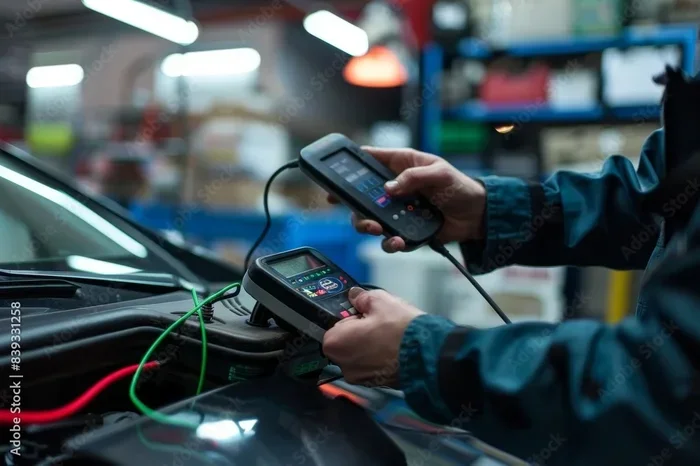
The process uses a tool called an OBD scanner (On-Board Diagnostics). This device plugs into your car’s diagnostic port, usually found under the dashboard. It talks to your car’s ECU (Engine Control Unit) and pulls data about how your vehicle is running.
What Does the Diagnostic Process Look Like?
Here is a simple breakdown of what happens during a vehicle diagnostic:
- The mechanic connects the scan tool to your car’s port.
- The tool reads stored fault codes from the ECU.
- The mechanic interprets each code and checks the related systems.
- Additional tests may be done on specific parts like the engine, transmission, or brakes.
- A report is generated with findings and recommended repairs.
This whole process is non-invasive. It does not require taking your car apart. That is one reason why diagnostics are so useful. They give you a clear picture of your car’s health without guesswork.
How Long Does Each Type of Diagnostic Take?
Not all diagnostics are the same. The time depends on what kind of check you are getting. Let us break it down.
Basic OBD Scan
A basic OBD scan is the quickest option. It usually takes about 5 to 10 minutes. The mechanic plugs in the scanner and pulls any stored codes. This is great if you just want to know why your check engine light is on.
However, a basic scan does not dig deep. It gives you a starting point. If the codes point to a simple issue, you may get your answer right away.
Standard Full Diagnostic
A standard full car diagnostic takes about 30 minutes to 1 hour. This includes:
- Reading all stored and pending codes
- Checking engine performance data
- Reviewing transmission readings
- Inspecting emission system status
- Looking at fuel system data
This is the most common type of diagnostic people get. It covers the major systems and gives a solid overview of your car’s condition.
Comprehensive Deep Diagnostic
A comprehensive diagnostic can take 1 to 2 hours or even longer. This is a deep dive into every system in your vehicle. It is usually done when multiple issues are suspected or when a car has complex problems.
During a deep diagnostic, the mechanic may also:
- Test drive the vehicle to feel for issues
- Check wiring and connectors for damage
- Use advanced tools to monitor live data streams
- Inspect individual components like sensors and relays
Diagnostic Time Comparison
| Type of Diagnostic | Average Time | What It Covers |
|---|---|---|
| Basic OBD Scan | 5-10 minutes | Stored fault codes only |
| Standard Full Diagnostic | 30-60 minutes | Engine, transmission, emissions, fuel system |
| Comprehensive Deep Diagnostic | 1-2+ hours | All systems, live data, test drive, wiring |
| DIY Scan with Handheld Tool | 5-15 minutes | Basic codes, limited detail |
Factors That Affect Diagnostic Time
Several things can change how long your full car diagnostic takes. Understanding these factors helps you set the right expectations.
Vehicle Age and Model
Older cars may take longer to diagnose. They often have simpler computer systems, but finding parts and trouble codes can be trickier. Newer vehicles have very complex networks of computers. A single issue might trigger codes across multiple systems.
Luxury and European models like BMW, Mercedes, or Audi sometimes need specialized diagnostic equipment. Not all shops have these tools. If a shop needs to order the right scanner, that adds time.
Severity and Number of Issues
If your car has one simple problem, the diagnostic will be fast. But if multiple things are wrong, the mechanic needs to check each one. A car with five stored codes will naturally take longer to diagnose than one with a single code.
Also, some issues are harder to pin down. Intermittent problems that come and go can take extra time to track down. The mechanic might need to monitor your car over several days using advanced diagnostic equipment.
Shop Equipment and Expertise
The quality of the diagnostic equipment matters a lot. A basic OBD-II scanner gives limited information. Professional-grade tools provide deep access to your car’s systems and can speed up the process significantly.
Experienced mechanics also work faster. They know what to look for and can interpret codes quickly. A skilled tech might finish a diagnostic in half the time it takes a less experienced one.
Are There Additional Tests Needed?
Sometimes the initial scan reveals a code, but more testing is needed. For example:
- A code pointing to a misfire might need a compression test
- Transmission codes could require a fluid check and road test
- Electrical issues may need wiring diagrams and multimeter testing
These extra steps add time. But they are important for getting the right diagnosis the first time.
What Can a Full Car Diagnostic Reveal?
A full car diagnostic can uncover a surprising number of issues. Many car owners do not realize how much information is stored in their vehicle’s computer. Here are some of the most common things a diagnostic can reveal:
Common Issues Found
- Oxygen sensor failure: This is one of the most common codes. It affects fuel economy and emissions.
- Catalytic converter problems: A failing converter can cause poor performance and failed emissions tests.
- Mass airflow sensor issues: This sensor tells the computer how much air is entering the engine. When it fails, the car runs poorly.
- Spark plug or ignition coil problems: These cause misfires and rough idling.
- EVAP system leaks: This relates to your fuel vapor system and can trigger the check engine light.
- Transmission faults: Codes in the transmission system can signal slipping, shifting problems, or solenoid failures.
- Battery or charging issues: A weak battery or failing alternator can cause all sorts of strange electrical problems.
Why Early Diagnostics Matter
Catching problems early saves you money. A small issue like a faulty oxygen sensor can grow into a bigger problem if ignored. It can damage your catalytic converter, which is an expensive repair. A quick car diagnostic can prevent that.
Regular diagnostics also help you stay on top of car maintenance. They give you a clear picture of what needs attention now and what can wait. This helps you plan repairs and avoid surprises.
Should You Get a Full Car Diagnostic?
Not every car issue requires a full diagnostic. But certain situations make it a smart move. Here is when you should consider getting one.
When to Visit a Mechanic for a Diagnostic
- Your check engine light is on and does not go off
- You notice a sudden drop in fuel efficiency
- Your car is making unusual sounds or vibrations
- You experience rough idling or stalling
- Your dashboard shows multiple warning lights
- You are buying a used car and want a full vehicle health check
- Your car failed an emissions test
Can You Do It Yourself?
Yes, you can do a basic diagnostic at home. OBD-II scanners are available at auto parts stores for under $50. You plug the scanner into your diagnostic port, and it reads the codes.
However, a home scanner gives you limited information. It tells you the code but not always what it means or how to fix it. A professional mechanic has the training and tools to interpret the codes properly. They can also perform hands-on tests that a scanner alone cannot do.
If you just want a quick peek at what is going on, a home scanner works fine. But for a real fix, a professional auto repair shop with proper diagnostic tools is the way to go.
Tips to Speed Up Your Car Diagnostic
Want to get in and out of the shop faster? These tips can help streamline the process.
- Note when the problem started. Tell your mechanic exactly when you first noticed the issue. This helps narrow things down quickly.
- Describe the symptoms clearly. Instead of saying “it sounds weird,” try “it makes a grinding noise when I brake at low speeds.” Specific details save time.
- Bring your maintenance records. If you have service history, share it. This tells the mechanic what has already been done and what might need attention.
- Check your fluid levels first. Low oil, coolant, or brake fluid can trigger codes. Topping them off before the diagnostic might save time.
- Choose a shop with the right equipment. Make sure the shop has diagnostic equipment that matches your vehicle’s make and model.
- Ask for a written estimate. Before work begins, ask how long the diagnostic will take and what it will cost. This avoids surprises.
How Much Does a Car Diagnostic Cost?
The cost of a full car diagnostic varies by location and shop. Most shops charge between $50 and $150 for a standard diagnostic. Some independent mechanics charge less, while dealerships may charge more.
Many shops waive the diagnostic fee if you have the repair done with them. This is a common practice and worth asking about. The diagnostic fee often goes toward the cost of the repair.
Keep in mind that a diagnostic is an investment. It tells you exactly what is wrong, so you are not guessing or spending money on unnecessary repairs. A good diagnostic can save you hundreds of dollars in the long run.
Common Mistakes People Make with Car Diagnostics
Avoid these common pitfalls to get the best results from your diagnostic visit.
- Ignoring the check engine light: Many people ignore this light for weeks or months. The longer you wait, the worse the problem can get.
- Guessing the problem: Do not assume you know what is wrong based on internet searches. A proper diagnostic gives you facts, not guesses.
- Choosing the cheapest option: The lowest price does not always mean the best service. Cheap diagnostics may use outdated equipment or skip important steps.
- Not asking questions: If you do not understand something, ask. A good mechanic will explain the findings in plain language.
- Skipping follow-up repairs: Getting the diagnostic is only half the battle. Fixing the problem is what actually solves the issue.
Expert Insight: What Mechanics Wish You Knew
Experienced mechanics often say that most car problems are caught early if owners just pay attention. Your car talks to you through sounds, smells, and warning lights. A vehicle diagnostic is the best way to understand what your car is trying to say.
One mechanic shared that the most common thing they see is people waiting too long. “A small sensor issue that costs $50 to fix can turn into a $500 repair if you ignore it,” they explained. Getting a quick diagnostic when something feels off can save you a lot of money and stress.
Key Takeaways
- Average Diagnostic Time: A full car diagnostic typically takes 30 minutes to 2 hours, depending on the complexity.
- Basic vs. Deep Checks: A simple OBD scan takes minutes, while a comprehensive diagnostic covers all systems and takes longer.
- Vehicle Factors: Your car’s age, model, and the number of issues all affect the time needed.
- Early Detection Saves Money: Catching problems early through regular diagnostics prevents costly repairs down the road.
- DIY Has Limits: Home scanners give basic info, but professional diagnostics provide the full picture and real solutions.
- Ask Questions: Understanding your diagnostic results helps you make informed decisions about repairs.
Conclusion
A full car diagnostic is one of the best tools you have for keeping your vehicle healthy. The time it takes ranges from a quick 10-minute scan to a thorough 2-hour deep check. The right choice depends on your car’s symptoms and how detailed you need the information to be.
Do not ignore warning signs like a lit check engine light, strange sounds, or poor performance. These are your car’s way of telling you something needs attention. A timely diagnostic gives you clarity and peace of mind.
Whether you visit a local mechanic or try a home scanner first, understanding the process helps you make smarter decisions about your car. The key is to act early, ask good questions, and trust the professionals who have the right tools and training.
Take care of your car, and it will take care of you. Schedule your full car diagnostic today and drive with confidence knowing exactly what is going on under the hood.
Frequently Asked Questions
Can a full car diagnostic find all problems with my vehicle?
A full car diagnostic catches most computer-related issues by reading stored codes and live data. However, some mechanical problems like worn brakes or a damaged belt may not show up in the computer. That is why a good mechanic also performs physical inspections alongside the scan.
Is it okay to drive my car with the check engine light on?
It is usually safe to drive a short distance if the light is steady and your car is running normally. However, if the light is flashing, you should stop driving and get a car diagnostic right away. A flashing light often signals a serious issue like engine misfire that can damage your catalytic converter.
Can I reset my check engine light without fixing the problem?
Yes, you can clear the codes with a scanner. But the light will come back on if the underlying problem is not fixed. The trouble codes will return once the car’s computer detects the issue again. Always address the root cause instead of just clearing the light.
How often should I get a full car diagnostic?
There is no set schedule for diagnostics. Get one whenever you notice warning signs like the check engine light, unusual sounds, or poor performance. Many experts also recommend a diagnostic check during routine car maintenance visits, especially before long trips.
Does a dealership charge more for a car diagnostic than an independent shop?
Dealerships often charge more because they have brand-specific diagnostic equipment and specialized training. Independent shops can be more affordable and still provide excellent service. Choose a shop that has experience with your specific vehicle make and model.
What should I do after I receive my diagnostic results?
Ask your mechanic to explain each code and what it means for your vehicle. Request a written estimate for any recommended repairs. Make sure you understand the urgency of each issue. Some codes need immediate attention while others can wait until your next service visit.