How Do You Open the Gas Cap on a Car Without Trouble
Struggling to find how to open the gas cap on a car? This detailed guide walks you through every method for sedans, SUVs, trucks, and newer electronic vehicles. You will learn about manual release levers, dashboard buttons, trunk releases, and what to do when your fuel door won’t budge. By the end, you will feel confident handling any gas cap situation like a pro.
Have you ever pulled up to a gas station, ready to fill up, and then realized you have no idea how to open the gas cap on your car? It happens more often than you might think. Whether you just bought a new vehicle, borrowed a friend’s car, or are driving a rental, the fuel door can sometimes be tricky to figure out. The good news is that opening a gas cap is usually simple once you know where to look and what to do.
This guide will show you every method used across different vehicles. From older cars with a manual lever inside the cabin to modern vehicles with push-button fuel doors, we have you covered. You will also learn what to do when the gas cap is stuck, how to replace a broken one, and some quick tips that will save you time and frustration at the pump. Let’s get into it.
Key Takeaways
- Multiple Release Methods: Every vehicle uses a different method to open the gas cap, including levers, buttons, and trunk releases.
- Check Your Owner’s Manual: The fastest way to find your release method is to consult the car manual or look near the fuel gauge on the dashboard.
- Stuck Gas Caps Are Common: Freezing temperatures, rust, or a broken latch can cause a gas cap to stick, but simple tools can fix most problems.
- Electronic Fuel Doors Are Growing: Newer cars often feature push-button or remote fuel door releases that make fueling up even easier.
- Safety First: Always turn off the engine and avoid smoking before opening the fuel filler door to prevent accidents.
- Replacement Is Affordable: A damaged or missing gas cap can be replaced cheaply and helps maintain fuel efficiency and emissions control.
📑 Table of Contents
- Why Knowing How to Open the Gas Cap on a Car Matters
- Where to Find the Gas Cap Release on Different Vehicles
- Step-by-Step: How to Open the Gas Cap on a Car
- What to Do When the Gas Cap Won’t Open
- How to Replace a Damaged or Missing Gas Cap
- Gas Cap Types and Vehicle-Specific Differences
- Common Mistakes People Make With Their Gas Caps
- Expert Insights on Fuel Door and Gas Cap Care
- Key Takeaways
- Conclusion
Why Knowing How to Open the Gas Cap on a Car Matters
You might wonder why this even needs an article. But think about it. How many times have you seen someone standing next to their car, pressing every button, looking confused? It is more common than you think. Understanding your vehicle’s fuel door system saves you time and embarrassment at the gas station. It also helps you avoid damaging the fuel filler door or the gas cap itself by forcing it open the wrong way.
Beyond convenience, knowing how your fuel door works is important for safety. The fuel system is designed to keep vapors contained and prevent leaks. Forcing open a fuel cap or fuel door incorrectly can damage the seal, trigger warning lights on your dashboard, or even create a fire hazard in extreme cases. Taking a moment to understand the proper release method keeps you and your vehicle safe.
Common Reasons You Might Need to Open the Gas Cap
- Refueling: The most obvious reason. You need to add gasoline or diesel to your tank.
- Checking the Fuel Level: Sometimes the gauge acts up, and you want to verify how much fuel is left.
- Replacing a Damaged Cap: A cracked or missing gas cap can trigger the check engine light and reduce fuel efficiency.
- Cleaning or Maintenance: Regular maintenance includes checking the fuel cap seal and the condition of the fuel filler neck.
- Emergency Situations: In rare cases, you may need to relieve pressure or access the fuel system for troubleshooting.
Where to Find the Gas Cap Release on Different Vehicles
Every car manufacturer places the fuel door release in a different location. There is no universal standard, which is why many drivers feel confused the first time they encounter a new vehicle. Below, we break down the most common release methods you will find across different types of cars, trucks, and SUVs.
The Interior Lever or Pull Handle
This is the most traditional method. Look on the driver’s side floorboard near the door, on the left side of the steering column, or sometimes on the dashboard itself. The lever is usually a small plastic handle with an icon of a fuel pump. Pull it, and the fuel filler door on the outside of the car will pop open slightly. From there, you open the gas cap by turning it counterclockwise.
Older vehicles from the 1990s and early 2000s almost always use this method. If you drive a classic car or a used vehicle, there is a good chance this is your setup. The lever is simple and reliable, but it can sometimes break or get stuck if debris builds up around the mechanism.
The Dashboard Button or Touchscreen Control
Many newer vehicles, especially those from European and Japanese manufacturers, use an electronic release. You will find the button near the driver’s seat, often next to the power window controls or in the center console area. Some vehicles allow you to control the fuel door from the touchscreen infotainment system.
Press the button, and the fuel filler door unlocks and pops open. The gas cap is then opened by hand, usually by turning it counterclockwise. These electronic systems are convenient, but they rely on electrical signals. If the car battery is dead or the system has a glitch, the fuel door may not respond. In these cases, look for a manual override latch, which many manufacturers include as a backup.
The Trunk Release Cable
Some vehicles, particularly certain models from brands like BMW, Mercedes-Benz, and Audi, route the fuel door release through the trunk area. Open the trunk, look along the left side of the trunk interior, and you may find a small lever or cable pull. Tugging this releases the fuel door on the outside of the car.
This method can be confusing for new owners because it is not intuitive. If you cannot find a release inside the cabin, check the trunk. It is one of those hidden features that manufacturers do not always highlight in their marketing materials.
The Remote Key Fob Release
Some modern vehicles allow you to open the fuel filler door using the remote key fob. Look for a dedicated button on the key fob, often shaped like a fuel pump icon. Press it while within range of the vehicle, and the fuel door unlocks. This is especially common on trucks and SUVs from brands like Ford, Chevrolet, and Toyota.
The remote release is incredibly convenient, especially when you are carrying groceries or other items and cannot easily reach inside the car. However, not all vehicles have this feature, so do not be surprised if your key fob does not include this option.
No External Release: The Silent Fuel Door
A few vehicles do not have any visible external release mechanism for the fuel door. Instead, the fuel filler door opens automatically when you unlock the car or activate the interior release. The gas cap itself is then opened by hand. If you are unsure about your vehicle, try unlocking the car and see if the fuel door pops open slightly on its own.
Step-by-Step: How to Open the Gas Cap on a Car
Now that you know the different release methods, let’s walk through the actual process step by step. This applies to most vehicles on the road today.
Step 1: Park Safely and Turn Off the Engine
Before you do anything, make sure the car is parked on a level surface and the engine is turned off. Never open the fuel door while the engine is running. This is a basic safety rule that prevents fuel vapors from igniting. It also reduces the risk of static electricity causing a spark near the fuel filler neck.
Engage the parking brake and put the car in park (or first gear if it is a manual transmission). These small precautions protect you and your vehicle every single time you refuel.
Step 2: Locate the Fuel Door Release
Start by checking the driver’s side floorboard area. Look for a small lever, handle, or button with a fuel pump icon. If you do not see it there, check the dashboard area near the steering column. Next, look at the center console and the area around the gear shift. If your vehicle has a trunk release cable, check the trunk interior as well.
If you still cannot find the release, consult the owner’s manual. Every vehicle comes with a manual that includes diagrams and instructions for the fuel system. You can also look up the vehicle’s make and model online for a quick reference. The manual is your best friend when it comes to understanding your car.
Step 3: Open the Fuel Filler Door
Once you find and activate the release, the fuel door on the outside of the car should pop open slightly or unlock entirely, depending on the vehicle design. Some fuel doors swing outward, while others lift up. Gently pull the door open the rest of the way if it does not open fully on its own.
Do not force the door. If it seems stuck or jammed, stop and check for ice, dirt, or debris around the edges. In cold weather, ice can form around the fuel door seal and prevent it from opening. Gently warming the area with your hand or a cloth can help dissolve the ice.
Step 4: Remove the Gas Cap
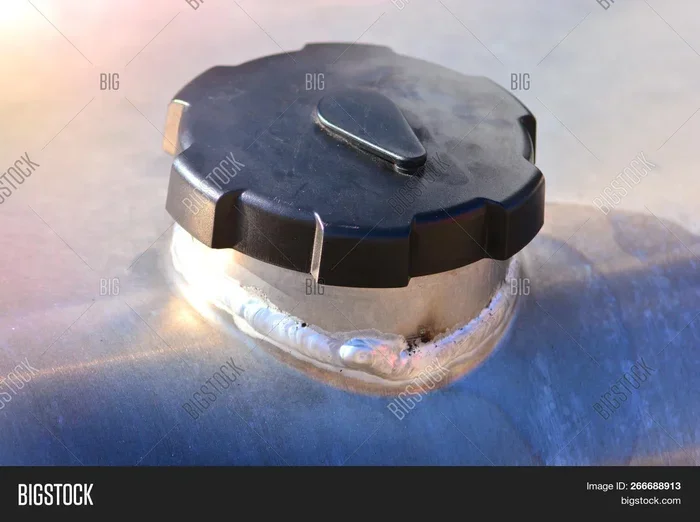
With the fuel filler door open, you will see the gas cap sitting on top of the fuel tank opening. Most gas caps simply twist off by turning them counterclockwise. They usually have a slight resistance and may click or ratchet as you turn them. Once you feel the cap loosen, you can remove it completely by hand.
Set the cap somewhere safe. Do not place it on the ground or on the car roof, where it can easily fall and get lost. Many fuel caps have a small tether or chain attached to prevent them from getting dropped. If yours does not, consider keeping the cap in your pocket or in the cupholder while you fuel up.
Step 5: Fuel Up and Replace the Cap
Insert the fuel nozzle into the tank opening and begin refueling. When you are done, place the fuel cap back on and twist it clockwise until you hear it click. The click indicates that the cap is properly sealed. A loose or missing gas cap can trigger the check engine light and reduce fuel efficiency, so make sure it is tight.
Close the fuel filler door firmly. On most vehicles, the door will latch automatically when you push it shut. Give it a gentle tug to confirm it is secure before you start the engine and drive away.
What to Do When the Gas Cap Won’t Open
Sometimes, despite your best efforts, the gas cap or fuel door just will not budge. This is frustrating, but it happens. Here are the most common reasons and what you can do about them.
A Stuck Fuel Door Latch
The fuel door latch can become stuck due to rust, dirt, or corrosion over time. If the release mechanism works but the door does not open, try gently tapping the door with your hand or the handle of a rubber mallet. This can break loose any corrosion or debris holding the latch in place.
Another trick is to spray a small amount of lubricant, like WD-40, around the edges of the fuel door. Let it sit for a few minutes and then try opening the door again. Be careful not to get lubricant on the paint, as it can damage the finish. Use a cloth to protect the surrounding area.
A Frozen Gas Cap in Winter
In cold climates, ice can form around the gas cap and fuel filler neck, making it very difficult to open. If this happens, do not use force. Instead, pour warm (not boiling) water over the area to melt the ice. A plastic ice scraper can also help gently break up the ice without damaging the fuel system.
Once the ice is melted, the gas cap should open normally. To prevent this from happening in the future, consider using a gas cap cover or parking in a garage during extremely cold weather.
A Broken Release Lever or Cable
If the release lever inside the car feels loose or does nothing when you pull it, the cable may be broken. This is a common issue in older vehicles where the cable connecting the interior lever to the fuel door latch stretches or snaps over time. A broken cable requires professional repair or replacement.
In the meantime, many vehicles have a manual override for the fuel door. Check your owner’s manual for the specific location of this override. It is usually a small hole or slot near the fuel door that you can insert a flathead screwdriver or a specialized tool into to manually release the latch.
The Gas Cap Itself Is Seized
Sometimes the problem is not the fuel door but the gas cap itself. A gas cap that is stuck on the fuel tank can be caused by vacuum pressure, rust, or cross-threading. Try pressing down on the cap while turning it counterclockwise to release the vacuum seal. If the cap is rusted in place, a gas cap wrench tool can provide the extra grip you need to break it free.
Never use excessive force when trying to remove a stuck gas cap. You risk damaging the fuel filler neck or the cap threads, which can lead to expensive repairs. If the cap will not budge after reasonable effort, take the vehicle to a mechanic or a trusted auto parts store for assistance.
How to Replace a Damaged or Missing Gas Cap
A damaged or missing gas cap is more than just an inconvenience. It can cause fuel vapor leaks, reduce fuel efficiency, and trigger the check engine light. The good news is that replacing a fuel cap is one of the easiest and most affordable car maintenance tasks you can do yourself.
First, identify the correct replacement cap for your vehicle. Check the owner’s manual for the part number, or look for the size and thread type stamped on the old cap. Most auto parts stores carry a wide selection of replacement gas caps for popular vehicle makes and models. You can also order them online for a competitive price.
Once you have the new cap, simply remove the old one (or install the new one if the old one is missing) by turning it clockwise until it clicks. Make sure it is tight and the seal is intact. You can verify the replacement by driving the vehicle for a few miles and checking if the check engine light goes off. In most cases, a new gas cap will resolve the warning light within a day or two of driving.
Quick Tips for Gas Cap Maintenance
- Clean the threads regularly: Dirt and debris can build up on the cap threads and make it harder to open and close.
- Check the seal: The rubber seal inside the cap should be flexible and free of cracks. Replace the cap if the seal looks worn.
- Do not overtighten: Twisting the cap too hard can damage the seal or the threads on the fuel filler neck.
- Listen for the click: The click indicates a proper seal. If you do not hear it, the cap may not be tight enough.
- Replace every 3-5 years: Over time, the cap seal deteriorates and may no longer provide an airtight closure.
Gas Cap Types and Vehicle-Specific Differences
Not all gas caps are the same. Different vehicles use different types of fuel caps, and understanding the type your car uses can help you troubleshoot issues and choose the right replacement.
Standard Screw-On Caps
The most common type found on sedans, SUVs, and trucks. These caps twist off and on and feature a ratcheting mechanism that clicks when properly tightened. They are simple, reliable, and easy to replace.
Capless Fuel Systems
Some newer vehicles, particularly certain models from Ford, Honda, and Toyota, use a capless fuel system. These systems do not have a traditional screw-on cap. Instead, the fuel filler opening has a spring-loaded seal that opens when the fuel nozzle is inserted and closes automatically when the nozzle is removed. These systems are convenient but require the seal to stay clean and free of debris.
Locking Fuel Caps
Some vehicles come equipped with locking gas caps that require a key to open. These are designed to prevent fuel theft. If your vehicle has a locking cap and you lose the key, you can usually purchase a replacement from the dealership or an auto parts store. Some aftermarket locking caps also use a universal key that works across multiple vehicles.
Common Mistakes People Make With Their Gas Caps
Even experienced drivers make mistakes when it comes to their fuel caps. Here are some common errors to avoid.
- Driving with the gas cap loose: A loose cap triggers the check engine light and lets fuel vapors escape, wasting money and harming the environment.
- Using the wrong cap: Every vehicle has a specific cap size and thread type. Using the wrong cap can prevent a proper seal and cause leaks.
- Forcing a stuck cap: Using too much force can break the cap, damage the fuel filler neck, or strip the threads.
- Leaving the cap off: Some drivers remove the cap and forget to put it back. This is dangerous and illegal in many areas due to fuel vapor emissions.
- Ignoring the warning light: If the fuel cap warning light comes on, check the cap first before assuming something is seriously wrong with the vehicle.
Expert Insights on Fuel Door and Gas Cap Care
Automotive experts consistently emphasize the importance of the gas cap in overall vehicle health. According to the Environmental Protection Agency, a loose or damaged fuel cap is one of the most common reasons for a check engine light. It is also one of the easiest problems to fix.
Mechanics recommend inspecting the gas cap and fuel door at least once every six months. Look for cracks in the cap, wear on the rubber seal, and any signs of rust or corrosion on the fuel door or filler neck. Catching these issues early can prevent more expensive repairs down the road.
Another expert tip is to always use genuine or OEM-approved replacement caps. Aftermarket caps may be cheaper, but they do not always fit properly or meet the same quality standards. A properly fitting cap ensures the fuel system operates as designed and keeps your vehicle running efficiently.
Key Takeaways
- Multiple Release Methods: Every vehicle uses a different method to open the gas cap, including levers, buttons, and trunk releases.
- Check Your Owner’s Manual: The fastest way to find your release method is to consult the car manual or look near the fuel gauge on the dashboard.
- Stuck Gas Caps Are Common: Freezing temperatures, rust, or a broken latch can cause a gas cap to stick, but simple tools can fix most problems.
- Electronic Fuel Doors Are Growing: Newer cars often feature push-button or remote fuel door releases that make fueling up even easier.
- Safety First: Always turn off the engine and avoid smoking before opening the fuel filler door to prevent accidents.
- Replacement Is Affordable: A damaged or missing gas cap can be replaced cheaply and helps maintain fuel efficiency and emissions control.
Conclusion
Knowing how to open the gas cap on a car is one of those basic skills every driver should have. It is simple, quick, and can save you from a lot of frustration at the gas station. Whether your vehicle uses a manual lever, a dashboard button, a trunk release cable, or a remote key fob, the process is straightforward once you know what to look for.
If you ever run into a stuck fuel door or a seized gas cap, remember the tips we covered. Warm water, lubricant, a gas cap wrench, and a little patience can solve most problems. And when it is time to replace a worn or damaged cap, the process is easy and affordable.
Take a moment to familiarize yourself with your vehicle’s fuel system. Open the fuel door, remove the cap, and examine the seal and threads. This small habit can go a long way in keeping your car running smoothly and efficiently. The next time you pull up to the pump, you will know exactly what to do, and you will handle it without a second thought.
Frequently Asked Questions
Can I drive with the gas cap light on?
You can drive a short distance with the gas cap warning light on, but you should address it as soon as possible. A loose or missing cap allows fuel vapors to escape, which reduces fuel efficiency and increases emissions. Pull over safely, check the cap, and tighten it if needed. If the light persists after tightening, the cap may need to be replaced.
What happens if I lose my gas cap?
Losing your gas cap is not an emergency, but it should be fixed promptly. Without a cap, fuel vapors escape from the tank, which can trigger the check engine light and reduce fuel economy. You can temporarily drive to the nearest auto parts store to purchase a replacement cap. Most vehicles accept standard replacement caps that are affordable and easy to install.
Why does my gas cap keep coming loose?
A gas cap that keeps coming loose usually has a worn rubber seal or damaged threads. Over time, the seal hardens and loses its ability to create a tight fit. Try replacing the cap with a new one that matches your vehicle’s specifications. Make sure you hear the click when tightening the new cap to ensure a proper seal.
How do I know which gas cap fits my car?
The easiest way to find the right gas cap is to check your owner’s manual for the part number or specifications. You can also measure the diameter of the fuel filler neck and check the thread size. Most auto parts stores have compatibility guides on their websites where you can enter your vehicle’s make, model, and year to find the correct cap.
Is it safe to open the gas cap in the rain?
Yes, it is safe to open the gas cap in the rain. The fuel system is designed to handle exposure to moisture, and the fuel tank is sealed to prevent water from entering. However, try to avoid getting water inside the fuel filler neck, as it can cause corrosion over time. If it is raining heavily, you can use an umbrella or find shelter before refueling.
Can a bad gas cap cause engine problems?
A bad gas cap can cause minor engine issues, primarily by triggering the check engine light due to fuel vapor leaks. In most cases, replacing the cap resolves the problem quickly. However, if the cap has been missing or loose for an extended period, it can allow moisture and contaminants into the fuel system, which may cause more significant issues over time. Always replace a damaged cap promptly.