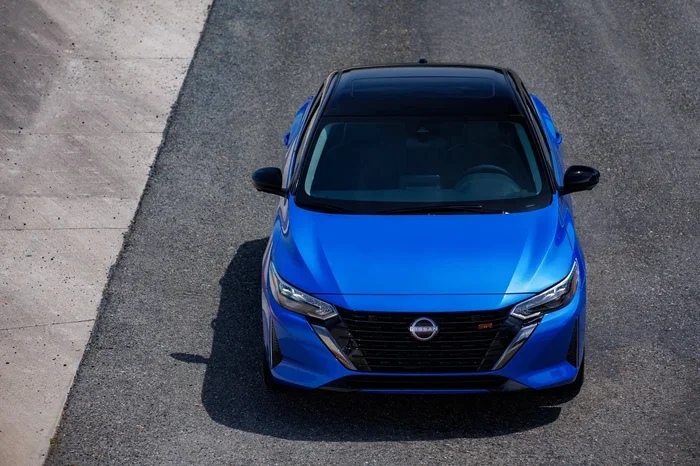
How Many Miles Per Gallon Does a Nissan Sentra Get
The Nissan Sentra delivers a respectable miles per gallon rating, making it a solid choice for daily commuters and budget-conscious drivers. The 2024 Sentra achieves around 39 mpg highway and 33 mpg city in its base engine configuration. Understanding your Sentra’s fuel economy can help you save money at the pump and plan your driving more effectively.
The Nissan Sentra has been a staple in the compact sedan market for decades. It is known for being affordable, reliable, and surprisingly efficient. One of the first questions buyers ask is simple: how many miles per gallon does a Nissan Sentra get?
This question matters more than most people think. Fuel costs add up fast. A car that sips gas saves you hundreds of dollars every year. The Sentra has always tried to deliver good fuel economy without sacrificing too much in performance or comfort.
In this guide, we break down the Nissan Sentra MPG numbers for different model years, engine options, and driving conditions. We also share practical tips to help you get the most out of every gallon. Whether you are buying a used Sentra or already own one, this article has the details you need.
Key Takeaways
- EPA Ratings: The Nissan Sentra earns an estimated 33 mpg city / 39 mpg highway combined rating for its base engine.
- Real-World MPG: Actual fuel economy varies based on driving habits, road conditions, and vehicle maintenance.
- Engine Options: The Sentra offers different powertrains across model years, each with its own fuel efficiency profile.
- Tips Help: Simple driving and maintenance habits can noticeably improve your gas mileage.
- Fuel Costs: The Sentra’s strong miles per gallon keeps annual fuel costs lower than many competitors.
- CVT Advantage: The continuously variable transmission helps optimize engine efficiency for better economy.
📑 Table of Contents
- Nissan Sentra MPG: What the Numbers Say
- Real-World Fuel Economy: What Owners Experience
- Factors That Affect Nissan Sentra Fuel Economy
- Comparing the Nissan Sentra MPG to Competitors
- How to Improve Your Nissan Sentra’s MPG
- Long-Term Fuel Costs: What the Sentra Saves You
- Common Mistakes That Hurt Sentra MPG
- Final Thoughts on Nissan Sentra MPG
Nissan Sentra MPG: What the Numbers Say
The official fuel economy numbers for the Nissan Sentra come from the EPA (Environmental Protection Agency). These ratings give you a baseline for what to expect. However, real-world results can differ quite a bit.
Base Engine MPG Ratings
The current generation Nissan Sentra comes with a 1.8-liter four-cylinder engine paired with a continuously variable transmission (CVT). The EPA rates this powertrain at approximately 33 mpg city and 39 mpg highway. The combined rating lands around 35 mpg, which is competitive in the compact sedan segment.
Older model years may show slightly different numbers. For example, the 2020 Sentra with the same 1.8L engine posted similar ratings. The 2013 through 2019 models also used the 1.8L engine and delivered comparable gas mileage. Some earlier versions with the 2.0L engine showed slightly lower efficiency.
How the CVT Transmission Helps
The continuously variable transmission plays a big role in the Sentra’s fuel economy. Unlike traditional automatic transmissions with fixed gears, the CVT adjusts seamlessly. It keeps the engine running at its most efficient RPM at all times.
This means less wasted energy and better miles per gallon. The CVT also makes the car feel smoother during acceleration. Some drivers initially find the CVT unusual, but most appreciate the efficiency gains.
Fuel Tank Size and Range
The Sentra holds about 12.2 gallons of fuel. With a combined miles per gallon rating of 35, that gives you an estimated range of roughly 427 miles per full tank. In real-world driving, you can expect somewhere between 380 and 450 miles depending on your habits.
This is a great range for daily commuters. It means fewer trips to the gas station and more money saved. If you want to maximize your range, focus on maintaining steady speeds and avoiding aggressive acceleration.
Real-World Fuel Economy: What Owners Experience
EPA ratings are useful, but they are not the whole story. Real-world Nissan Sentra MPG depends on many factors. Let us look at what actual Sentra owners report.
City Driving
City driving tends to lower fuel efficiency. Stop-and-go traffic, idling at lights, and lower speeds all work against you. Many Sentra owners report getting between 28 and 32 mpg in heavy city traffic. In lighter urban driving, numbers closer to 33 to 35 mpg are common.
If your daily commute involves a lot of city driving, keep this in mind. You may not hit the EPA ratings exactly, but the Sentra still performs well for a compact sedan.
Highway Driving
Highway driving is where the Sentra shines. Steady speeds and fewer stops allow the engine to work efficiently. Most owners report getting between 37 and 42 mpg on the highway. Some even hit the low 40s under ideal conditions.
If you do a lot of highway miles, the Sentra is a great pick. The miles per gallon really add up over long distances. Over a year of highway commuting, you could save several hundred dollars compared to a less efficient vehicle.
Mixed Driving Conditions
For most people, driving is a mix of city and highway. In mixed conditions, expect the Sentra to deliver around 33 to 36 mpg. This is a solid number that keeps fuel costs manageable.
Factors That Affect Nissan Sentra Fuel Economy
Several things influence how many miles per gallon your Sentra actually gets. Understanding these factors helps you make smarter driving choices.
Driving Habits
Aggressive driving kills fuel economy. Rapid acceleration, hard braking, and speeding all burn more gas. Smooth, steady driving is the best way to maximize your MPG.
Here are some habits that help:
- Accelerate gently from stops
- Maintain a steady speed on highways
- Use cruise control when appropriate
- Avoid excessive idling
- Anticipate traffic to reduce braking
Vehicle Maintenance
A well-maintained Sentra runs more efficiently. Neglecting basic maintenance can cause your fuel economy to drop over time.
Quick Tips for Maintaining MPG:
- Keep your tires properly inflated
- Change your oil regularly
- Replace air filters when dirty
- Use the recommended motor oil grade
- Keep the engine tuned up
Did you know that using the wrong oil can reduce your MPG? Always check what grade your Sentra needs. The right oil makes a real difference in engine efficiency and long-term performance.
Weather and Climate
Cold weather hurts fuel economy. The engine takes longer to warm up in winter. Heating the cabin also uses extra energy. In hot weather, using the air conditioning can reduce your miles per gallon by 10 to 25 percent.
Parking in the shade and using a windshield sunshade can help. These small steps keep your car cooler and reduce the need for heavy AC use.
Payload and Aerodynamics
Carrying extra weight reduces fuel economy. Roof racks and cargo carriers create drag that makes the engine work harder. If you do not need them, remove them to save gas.
Comparing the Nissan Sentra MPG to Competitors
How does the Sentra stack up against other compact sedans? Let us take a quick look.
Sentra vs. Toyota Corolla
The Toyota Corolla is one of the Sentra’s biggest rivals. The Corolla also delivers around 31 to 32 mpg city and 38 to 40 mpg highway. The numbers are very similar. Both cars offer excellent fuel economy in the compact sedan class.
Sentra vs. Honda Civic
The Honda Civic tends to be slightly more fuel efficient in some trims. The Civic can achieve around 33 mpg city and 42 mpg highway in certain configurations. The Sentra is close but may trail slightly in highway numbers.
Sentra vs. Hyundai Elantra
The Hyundai Elantra offers competitive miles per gallon figures. It achieves around 33 mpg city and 43 mpg highway in its base form. Both the Sentra and Elantra are strong choices for fuel-efficient daily driving.
How to Improve Your Nissan Sentra’s MPG
Want to squeeze more miles out of every gallon? Try these proven strategies.
Drive Smarter
The easiest way to improve fuel economy is to change how you drive. Avoid rapid starts and stops. Keep your speed steady. Use cruise control on long highway trips. These small changes can boost your MPG by 10 to 15 percent.
Keep the Car Light
Remove unnecessary items from your trunk and cabin. Every extra pound forces the engine to work harder. A lighter car uses less fuel.
Use the Right Gas
The Nissan Sentra runs fine on regular unleaded gasoline. You do not need premium fuel. Using premium when your car does not require it wastes money without improving fuel economy.
Plan Your Trips
Combine errands into one trip when possible. A warmed-up engine runs more efficiently than a cold one. Planning your route to avoid heavy traffic also helps conserve fuel.
Check for Recalls and Updates
Sometimes Nissan releases software updates that improve engine efficiency. Check with your dealer to see if any updates apply to your model year. Staying current with maintenance recalls also ensures your engine runs at peak efficiency.
Long-Term Fuel Costs: What the Sentra Saves You
Fuel economy matters most when you look at the big picture. Over the life of a car, the difference in miles per gallon can mean thousands of dollars saved.
Let us do some quick math. Say you drive 15,000 miles per year and gas costs $3.50 per gallon. A car that gets 30 mpg will cost you about $1,750 per year in fuel. The Sentra at 35 mpg costs about $1,500 per year. That is a $250 annual savings. Over five years, that adds up to $1,250.
These savings make the Sentra an attractive option for budget-minded buyers. MPG does tend to decline with age, so keeping up with maintenance is key to preserving those savings over the long haul.
Also, consider the cost of filling up. The Sentra’s 12.2-gallon tank means a full tank costs around $42 at $3.50 per gallon. With 35 mpg, that gives you over 400 miles of range. Understanding your fuel tank capacity helps you budget for trips and daily commuting more accurately.
Common Mistakes That Hurt Sentra MPG
Many drivers unknowingly reduce their fuel economy through bad habits. Here are the most common mistakes.
Ignoring Tire Pressure
Underinflated tires create more rolling resistance. This forces the engine to burn more fuel. Check your tire pressure at least once a month. The correct PSI is listed on the driver’s side door jamb.
Heavy Foot on the Gas
Flooring the accelerator wastes fuel. The Sentra does not need aggressive acceleration to perform well. Smooth inputs keep the engine in its efficient range.
Skipping Oil Changes
Old or dirty oil increases engine friction. This reduces efficiency and can damage the engine over time. Stick to the recommended oil change schedule.
Carrying a Full Tank All the Time
While it seems smart to always keep the tank full, extra fuel adds weight. Keeping the tank about half full is a good balance between convenience and efficiency.
Using the Wrong Fuel Grade
Premium gas does not make the Sentra run better. It simply costs more. Always use the grade recommended in your owner’s manual.
Final Thoughts on Nissan Sentra MPG
The Nissan Sentra delivers strong miles per gallon for a compact sedan. With ratings around 33 mpg city and 39 mpg highway, it offers excellent fuel economy for daily driving. Real-world results may vary, but most owners find the Sentra to be a thrifty and economical choice.
The key to getting the best MPG is a combination of smart driving, regular maintenance, and realistic expectations. No car will hit the exact EPA rating every time, but the Sentra comes close.
If you are considering a used Sentra, check the model year and engine options. The 1.8L engine with the CVT transmission offers the best fuel efficiency. If you want to learn more about maintaining your Sentra’s engine, understanding your 1.8L engine’s oil capacity is a great starting point for keeping everything running smoothly.
Fuel economy is one of the biggest factors in car ownership costs. The Nissan Sentra proves that you do not need to spend a fortune to save at the pump. Its combination of affordability, reliability, and strong gas mileage makes it a smart pick for a wide range of drivers.
Take the time to track your own MPG over a few tanks of gas. You will learn your personal fuel economy patterns. From there, you can make adjustments that save you money and reduce your environmental footprint. The Nissan Sentra gives you a great starting point for efficient, affordable driving.
Frequently Asked Questions
What is the Nissan Sentra’s combined MPG rating?
The 2024 Nissan Sentra earns a combined EPA rating of approximately 35 miles per gallon. This combines 33 mpg city and 39 mpg highway. Your actual combined MPG will vary based on driving conditions and habits.
Does the Nissan Sentra require premium gas?
No, the Sentra runs perfectly well on regular unleaded gasoline. Using premium fuel will not improve your miles per gallon or engine performance. Always follow the manufacturer’s recommendation in the owner’s manual.
Why is my Nissan Sentra getting lower MPG than expected?
Several factors can reduce your fuel economy. These include aggressive driving, underinflated tires, dirty air filters, old spark plugs, and excessive idling. Regular maintenance and smooth driving habits help restore optimal MPG.
How does the Sentra’s fuel economy compare to other compact sedans?
The Sentra’s miles per gallon is competitive with rivals like the Toyota Corolla and Honda Civic. It falls in the middle of the pack for fuel efficiency in the compact sedan class. Some competitors may edge ahead in highway MPG, but the Sentra holds its own overall.
Can I improve my Nissan Sentra’s MPG with aftermarket parts?
Some aftermarket parts claim to boost fuel economy, but results vary widely. Air filters, cold air intakes, and exhaust upgrades may offer marginal gains. The most reliable way to improve MPG is through proper maintenance and smart driving habits.
How often should I check my Sentra’s fuel economy?
It is a good idea to track your fuel economy every few tanks of gas. This helps you spot trends and catch potential issues early. A sudden drop in miles per gallon could signal a problem that needs attention.