Does Car Insurance Automatically Renew And What To Know
Car insurance may or may not automatically renew depending on your policy type and provider. Many standard policies do renew automatically, but you should always confirm the terms to avoid a lapse in coverage. Understanding your renewal notification and renewal date helps you stay protected and avoid unexpected gaps.
You might assume your car insurance just keeps rolling over year after year without you lifting a finger. But does that really happen? The short answer is: it depends. Some policies auto-renew by default, while others require you to take action. Either way, understanding how policy renewal works can save you money, stress, and a whole lot of headache.
Let’s be real. Insurance isn’t exactly the most exciting topic. But here is the thing: knowing what happens when your policy renewal date approaches can make a huge difference. You could end up paying less, getting better coverage, or avoiding a nasty surprise like a lapse in coverage. So let us walk through everything you need to know about automatic car insurance renewal.
Key Takeaways
- Automatic renewal is common: Many insurers renew policies without asking, but terms vary by provider.
- You can opt out: Most companies let you decline automatic renewal if you prefer to shop around.
- Watch for premium changes: Your renewal premium may be higher or lower than your current rate.
- Lapse in coverage has serious consequences: Driving uninsured can lead to fines, license suspension, and higher future rates.
- Check your driving record: A clean record often leads to better renewal terms and lower premiums.
- Act before the renewal date: Reviewing your policy early gives you time to compare options and make changes.
📑 Table of Contents
- What Does It Mean When Car Insurance Automatically Renews?
- Why You Should Never Ignore Your Renewal Notification
- Can You Opt Out of Automatic Renewal?
- How to Get the Best Deal at Renewal Time
- What to Do If Your Insurance Company Non-Renews Your Policy
- How to Make Sure Your Renewal Goes Smoothly
- Common Mistakes People Make During Car Insurance Renewal
- Final Thoughts on Automatic Car Insurance Renewal
What Does It Mean When Car Insurance Automatically Renews?
When your auto insurance renewal is automatic, your insurer simply extends your current policy for another term. They usually do this without sending you a new application or asking you to re-qualify. Your renewal date rolls around, your payment processes, and you stay covered.
This sounds convenient, right? And for the most part, it is. But convenience does not always mean you are getting the best deal. Many people end up paying higher renewal premiums year after year simply because they never bothered to compare. Let us break down how this works in practice.
How the Automatic Renewal Process Works
Most insurance companies follow a similar process when auto-renewing a policy:
- You receive a renewal notification in the mail or email.
- The notification includes your updated renewal premium and any changes to your policy terms.
- If you do not respond or cancel, the policy renews on the renewal date.
- Your payment method on file gets charged for the new term.
Some insurers require you to actively opt out if you do not want to renew. Others renew by default unless you tell them otherwise. This is why reading that renewal notice matters so much. It is easy to toss it in a pile and forget about it, but doing so could cost you.
Types of Policies That Auto-Renew
Not all insurance policies behave the same way. Here are common types and how they typically handle renewal:
- Standard auto policies: These usually auto-renew unless you cancel. This is the most common setup.
- Short-term or temporary policies: These often do not auto-renew. You need to purchase a new policy each time.
- Pay-per-mile policies: Renewal depends on your driving habits and usage.
If you are unsure about your own policy, check your policy terms or call your insurance provider. They can confirm whether your plan includes an automatic renewal clause.
Why You Should Never Ignore Your Renewal Notification
Here is a habit that costs people hundreds of dollars every year: ignoring the renewal notice. Your insurance company sends that notice for a reason. It is not just a formality. It is your chance to review everything before the renewal date hits.
What the Renewal Notice Tells You
A typical renewal notification includes several important details:
- Your new renewal premium amount
- Any changes to your coverage limits
- Adjustments based on your driving record
- Discounts you may qualify for
- Options to modify or cancel your policy terms
If your premium went up, the notice should explain why. Maybe you had a claim. Maybe your driving record changed. Or maybe the insurer simply adjusted rates across the board. Whatever the reason, you deserve to know before the money gets taken out of your account.
What Happens If You Miss the Renewal Deadline?
Missing your renewal date can lead to serious problems. Here is what could happen:
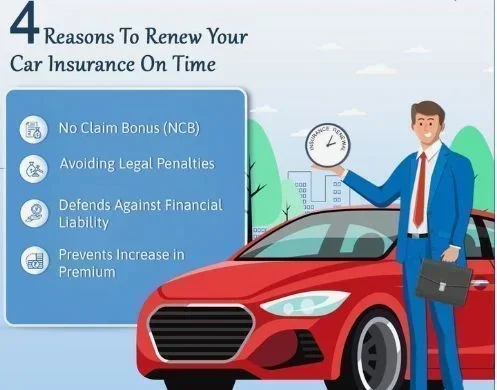
- Your coverage lapses: Without active insurance, you are driving illegally in most states.
- You face fines and penalties: Getting caught uninsured can result in hefty fines and even license suspension.
- Future premiums spike: A lapse in coverage makes you look risky to insurers, which drives up your rates.
- You lose your no-claims discount: Many insurers reward safe drivers with lower premiums. A gap wipes that out.
Some states require insurers to file a non-renewal notice before dropping a customer. But that does not mean you are off the hook. You still need to take action to secure new coverage before your current policy ends.
Can You Opt Out of Automatic Renewal?
Yes, you absolutely can. Most insurance companies give you the option to decline automatic renewal. This is helpful if you want to shop around for a better rate or switch to a different provider.
How to Opt Out
The process is usually straightforward:
- Check your renewal notice for opt-out instructions.
- Call your insurance agent or customer service line.
- Log into your online account and toggle off auto-renewal.
- Send a written request to your insurer if required.
Make sure you do this well before your renewal date. Last-minute changes can cause confusion and leave you temporarily uninsured. Give yourself at least two weeks of buffer time.
When Opting Out Makes Sense
Opting out of auto-renewal is a smart move when:
- You found a better rate from a competitor.
- Your coverage needs have changed.
- You want to review your policy terms more carefully.
- You are planning to switch vehicles or add a new driver.
Just remember: opting out means you need to actively purchase a new policy. Do not let the gap between plans leave you unprotected.
How to Get the Best Deal at Renewal Time
Renewal time is actually a great opportunity. You are already being renewed, which means the insurer has your information. But that does not mean you should just accept whatever they offer. Here is how to make sure you are getting the best value.
Compare Quotes Before You Renew
Shopping around takes a little effort, but it pays off. You can compare renewal premiums from multiple insurers in just a few minutes online. You might be surprised at how much cheaper the competition is.
Keep in mind that car insurance rates change frequently. What you paid last year might not be the market rate this year. Factors like your driving record, the car you drive, and even your zip code all influence pricing.
Ask About Discounts
Many people do not realize they qualify for discounts they are not receiving. When reviewing your renewal, ask your insurer about:
- Safe driver discounts
- Multi-policy bundling
- Good student discounts
- Low-mileage discounts
- Defensive driving course credits
Even a small discount can add up over the life of your policy. It is always worth asking.
Review Your Coverage Levels
Just because your coverage was sufficient last year does not mean it is right for this year. Maybe you paid off your car loan. Maybe you added a new driver to your household. Maybe your needs have changed in some other way. Take a few minutes to review your policy terms and make adjustments if needed.
Also, keep in mind that some aspects of insurance, like does car insurance cover tires, depend on the specific coverage you selected. Make sure your policy still matches what you need.
What to Do If Your Insurance Company Non-Renews Your Policy
Sometimes the worst happens: your insurer decides not to renew your policy. This is called a non-renewal, and it can feel alarming. But it is not the end of the world. You have options.
Reasons for Non-Renewal
Insurers non-renew policies for various reasons:
- Too many claims or traffic violations on your driving record
- Significant premium increases that you declined to pay
- The insurer is pulling out of your state or region
- You misrepresented information on your application
If you receive a non-renewal notice, read it carefully. It should explain the reason and give you a timeline for finding new coverage.
Your Next Steps After Non-Renewal
Do not panic. Here is what you should do:
- Confirm your current coverage end date.
- Start shopping for a new policy immediately.
- Check if you qualify for high-risk insurance options.
- Work on improving your driving record to qualify for better rates in the future.
- Consider asking your current insurer to reconsider if you believe the non-renewal was unfair.
If you find yourself in a situation where you need short-term protection while you search for a new provider, look into options like can I get temporary car insurance to bridge the gap safely.
How to Make Sure Your Renewal Goes Smoothly
A smooth policy renewal comes down to a few simple habits. Follow these tips and you will avoid most common problems:
- Mark your renewal date on your calendar: Set a reminder at least 30 days before the renewal date.
- Keep your payment method current: Make sure your card or bank account information is up to date.
- Read every renewal notice carefully: Do not just skim it. Look for changes in premium, coverage, and terms.
- Keep a clean driving record: Fewer violations mean better renewal terms and lower renewal premiums.
- Stay in touch with your insurer: Update them on any changes like a new address, vehicle, or driver.
These small steps add up to big savings and peace of mind. You will never have to worry about a surprise lapse or an unexpectedly high bill.
Common Mistakes People Make During Car Insurance Renewal
Let us talk about what not to do. These mistakes are surprisingly common and entirely avoidable:
- Blindly accepting the renewal: Just because it is easy does not mean it is the best option.
- Not comparing rates: Staying with the same insurer for years without checking competitors can cost you hundreds.
- Ignoring changes in your life: Moved? Got a new car? Changed jobs? Your insurance needs may have changed too.
- Letting payment method expire: A declined payment can cause a lapse in coverage that damages your record.
- Forgetting to update your address: Your premium is partly based on location. An outdated address can cause billing or coverage issues.
Avoiding these pitfalls puts you ahead of most policyholders. You will be more informed, more prepared, and more in control of your auto insurance renewal experience.
Final Thoughts on Automatic Car Insurance Renewal
The world of car insurance renewal does not have to be confusing. Whether your policy auto-renews or requires manual action, the key is staying informed and taking action before your renewal date arrives. Read your notices, compare your options, and never assume everything is fine just because you received a confirmation email.
Your coverage protects you, your family, and your finances. Treating your policy renewal as an important event rather than a routine formality is one of the smartest things you can do as a driver. A few minutes of effort each year can save you money, keep you legal on the road, and give you real peace of mind.
So the next time that renewal notice lands in your mailbox, do not toss it. Take a look. Ask questions. Make sure your auto insurance renewal is working for you, not against you. Because when it comes to car insurance, being proactive always beats being reactive.
Frequently Asked Questions
Does every car insurance policy automatically renew?
No, not every policy auto-renews. It depends on your policy terms and the insurance provider. Standard policies often do, but short-term or specialty policies may not. Always check your renewal notice or contact your agent to confirm.
What happens if I miss my car insurance renewal date?
Missing your renewal date can cause a lapse in coverage. This means you are driving uninsured, which is illegal in most states. You could face fines, license suspension, and higher premiums when you do find new coverage.
Can I cancel automatic renewal at any time?
Most insurers let you opt out of automatic renewal, but timing matters. You should do it well before your renewal date to avoid any gap in coverage. Check your renewal notice for specific opt-out instructions.
Will my premium go up at renewal?
Not necessarily, but it is common for renewal premiums to adjust based on factors like your driving record, claims history, and market conditions. Comparing quotes before renewing can help you find a better rate.
How far in advance do insurers send renewal notifications?
Most companies send renewal notifications 30 to 60 days before the renewal date. Some send them even earlier. Keep an eye on your mail and email so you do not miss the notice.
Does my driving record affect my renewal?
Yes, your driving record plays a big role in auto insurance renewal. A clean record usually leads to smoother renewals and better rates. Tickets, accidents, or DUI convictions can result in higher premiums or even non-renewal.
=== CONCLUSION ===
Car insurance automatic renewal is a feature that can work in your favor or against you, depending on how actively you manage it. The key is simple: stay informed, review your renewal notification carefully, compare your options, and never let your coverage slip without a plan. Taking these small steps gives you control over your policy terms, protects you from a lapse in coverage, and keeps your finances in good shape. So mark that renewal date on your calendar, set a reminder, and make policy renewal a part of your yearly routine. Your future self will thank you.