Are Honda Civics Reliable Everything You Need To Know
Are Honda Civics reliable? Yes, they consistently rank among the most dependable cars on the road. The Honda Civic has earned a strong reputation for long-lasting performance, low repair costs, and excellent fuel economy. Whether you are looking at older models or the latest generation, this compact car delivers solid reliability year after year. In this guide, we cover everything from common issues to maintenance tips and buying advice.
Are Honda Civics reliable? This is a question car buyers ask every single day. And the answer is a strong yes. The Honda Civic has been one of the best-selling cars in America for decades. People love it for many reasons, but reliability sits at the top of the list.
If you are shopping for a compact car, you have probably noticed the Civic keeps showing up on every list. Consumer Reports, J.D. Power, and other trusted sources give it high marks. But what makes the Honda Civic so dependable? And are there any weak spots you should know about?
In this article, we will break down everything you need to know about Honda Civic reliability. We will look at different model years, common problems, maintenance tips, and how the Civic compares to rival cars. By the end, you will have a clear picture of whether the Honda Civic is the right choice for you.
Let us dive in and explore the world of Honda Civic ownership. Whether you are buying new or used, this guide has you covered.
Key Takeaways
- Honda Civics are highly reliable: They consistently earn top marks in reliability surveys and consumer reports.
- Regular maintenance matters: Simple upkeep like oil changes and brake checks keeps your Civic running strong for years.
- Some generations have known issues: Certain model years have specific problems buyers should be aware of.
- Repair costs are low: Compared to competitors, Honda Civics are affordable to maintain and fix.
- Resale value stays high: Reliable cars hold their value, and the Civic is no exception.
- Fuel economy is excellent: The Civic delivers great miles per gallon across all trims and engine options.
- Buying used is smart: A well-maintained used Honda Civic can serve you reliably for many more years.
📑 Table of Contents
- Why Honda Civics Have a Reputation for Reliability
- Honda Civic Reliability by Generation
- Common Honda Civic Problems to Watch For
- Honda Civic Maintenance Tips for Longevity
- Honda Civic Reliability vs. Competitors
- Should You Buy a Used Honda Civic?
- Expert Insights on Honda Civic Ownership
- Key Takeaways
- Conclusion
Why Honda Civics Have a Reputation for Reliability
The Honda Civic has been around since 1972. Over five decades, Honda has refined this car into one of the most trusted nameplates in the auto industry. But what exactly gives the Civic its reputation for long-lasting dependability?
First, Honda engineers design their engines to last. The Civic’s engines are known for being simple, efficient, and durable. Honda uses high-quality materials and rigorous testing. This means fewer surprises down the road.
Second, Honda builds the Civic with a focus on low cost of ownership. Parts are widely available and affordable. Mechanics everywhere know how to work on Civics. You do not need a specialist to keep yours running well.
Third, Honda has a culture of continuous improvement. Each new generation of the Civic learns from the past. Problems that showed up in earlier models get fixed in newer ones. This steady evolution has kept the Civic relevant and reliable for generations.
What the Numbers Say About Honda Civic Reliability
Let us look at some hard data. According to Consumer Reports, the Honda Civic consistently scores above average in reliability ratings. Most model years receive a predicted reliability score of four out of five or higher.
J.D. Power gives the Civic strong scores in their Vehicle Dependability Study. The car ranks well among compact sedans and hatchbacks. These rankings are based on real-world data from thousands of owners.
RepairPal, a trusted automotive resource, rates the Honda Civic’s reliability at 4.5 out of 5.0. The average annual repair cost for a Civic is around $360. That is well below the industry average of $650 for all vehicles.
These numbers tell a clear story. The Honda Civic is a reliable car by almost every measure. It is not perfect, but it outperforms most competitors in its class.
Honda Civic Reliability by Generation
Not all Honda Civics are created equal. Some model years are better than others. Understanding how reliability varies across generations can help you make a smarter buying decision.
The Civic has gone through many changes since its debut. Each generation brought new technology, new styling, and sometimes new problems. Let us walk through the key generations and what you need to know.
The 2006-2011 Honda Civic (8th Generation)
The eighth-generation Civic is one of the most popular used models on the market. It is known for being fun to drive and fuel-efficient. Most owners report few major issues during this era.
However, there are some things to watch for. The 2006-2008 models sometimes had issues with the idle air control valve. Some owners also reported premature wear on the brake rotors. These are minor issues, though, and easy to fix.
Overall, the 8th generation Civic is considered a solid and reliable choice. If you find a well-maintained example, you are getting a good car.
The 2012-2015 Honda Civic (9th Generation)
The ninth-generation Civic was a bit of a mixed bag. Honda made the car lighter and more fuel-efficient. But some owners felt the quality went down a notch compared to the 8th generation.
Common issues in this generation include excessive oil consumption in some engines. The infotainment system also received criticism for being slow and glitchy. The transmission in some trims was not as smooth as buyers wanted.
Despite these flaws, the 9th generation Civic still holds up well. Many owners have driven their 9th gen Civics for over 150,000 miles without major problems. Regular maintenance makes a big difference here.
The 2016-2021 Honda Civic (10th Generation)
The tenth-generation Civic brought a major redesign. It was more modern, more refined, and packed with technology. This generation is widely considered one of the best Civics ever made.
Reliability for the 10th gen Civic is generally excellent. Honda fixed many of the issues from the 9th generation. The engines are strong, the transmissions are smooth, and the build quality improved.
Some owners have reported engine stalling issues in certain 2016 models. Honda issued a recall to address this. There have also been reports of catalytic converter failures in higher-mileage cars. But these are not widespread problems.
The 2022-Present Honda Civic (11th Generation)
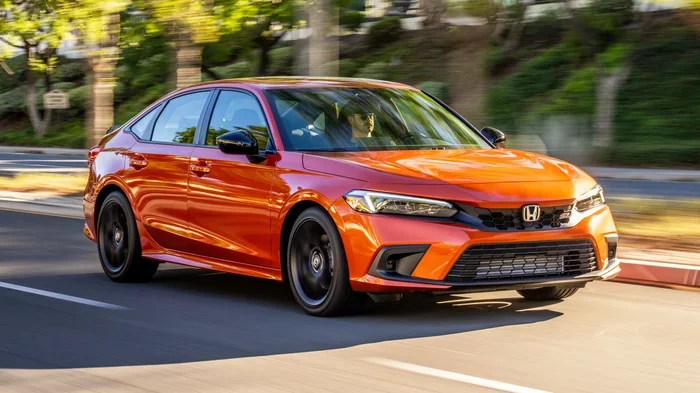
The latest Civic is fresh on the market, so long-term reliability data is still limited. Early reviews are very positive. The car feels well-built and Honda has addressed many past issues.
The 11th generation features a 2.0-liter naturally aspirated engine that is simple and proven. Honda also offers a hybrid variant for those who want even better fuel economy. The hybrid system adds complexity, but Honda has a strong track record with hybrid technology.
It is too early to say definitively how the 11th gen Civic will age. But based on Honda’s history, it should be a reliable car for many years to come.
Common Honda Civic Problems to Watch For
No car is perfect, and the Honda Civic is no exception. While the Civic is reliable overall, certain problems tend to pop up across different model years. Knowing what to look for can save you time and money.
Engine and Transmission Issues
The Civic’s engines are generally very durable. But some generations have had specific engine concerns. The 9th generation saw reports of excessive oil consumption. This means the engine burns through oil faster than normal.
Transmission problems are rare but do happen. Some 10th generation Civics had transmission jerking or rough shifting. Honda has addressed many of these through software updates and recalls.
If you are buying a used Civic, always check the service history. A well-documented maintenance record is your best protection against engine and transmission issues.
Electrical and Infotainment Glitches
Modern Civics come packed with electronics. The infotainment system, sensors, and safety features all rely on complex wiring. Occasionally, owners report screen freezes, Bluetooth connectivity issues, or sensor malfunctions.
These problems are usually minor and easy to fix. A software update or a loose connection often solves the issue. But they can be frustrating when they happen.
Suspension and Wear Items
The Civic is a sporty car, and that means its suspension parts wear out over time. Shock absorbers, struts, and control arm bushings are common wear items. These typically need replacement between 60,000 and 100,000 miles.
Other common wear items include brake pads, brake rotors, and tires. These are normal maintenance items, not major problems. Replacing them on schedule keeps your Civic safe and running smoothly.
Rust and Corrosion
In older Civics, rust can be a concern. Cars driven in cold climates or near salt water are more prone to rust. The wheel wells, undercarriage, and door sills are common spots to check.
Newer Civics have better rust protection. But if you are buying an older used model, always inspect for signs of corrosion. A little surface rust is manageable. Structural rust is a serious problem.
Honda Civic Maintenance Tips for Longevity
Want your Honda Civic to last 200,000 miles or more? It all comes down to maintenance. A well-maintained Civic can easily surpass 200,000 miles with proper care. Here is how to keep yours running strong.
Follow the Maintenance Schedule
Honda provides a detailed maintenance schedule in your owner’s manual. Follow it closely. This includes oil changes, tire rotations, brake inspections, and fluid flushes.
Most experts recommend changing the oil every 5,000 to 7,500 miles. Use Honda-approved oil and filters. This simple step goes a long way toward protecting your engine.
Address Small Problems Early
Do not ignore warning lights or unusual sounds. A small issue today can become a big repair tomorrow. If your Civic makes a strange noise or the check engine light comes on, get it checked right away.
Catching problems early saves money. A $50 fix today prevents a $500 repair next month. This mindset is key to keeping any car reliable for the long haul.
Keep It Clean Inside and Out
This might sound simple, but cleanliness matters. Washing your Civic regularly protects the paint and undercarriage from rust. Cleaning the interior prevents wear on seats and controls.
In winter, wash the undercarriage often to remove salt and road grime. This is one of the best things you can do for long-term car health.
Store Your Civic Properly
If you have a seasonal car or park outside, take extra precautions. Use a car cover to protect from sun and weather. Keep the battery charged if the car sits for long periods.
Proper storage prevents many common issues. Tires flat-spot, batteries die, and fluids degrade when a car sits unused. A little effort goes a long way.
Honda Civic Reliability vs. Competitors
How does the Honda Civic stack up against other compact cars? Let us compare it to some popular rivals in the segment.
Honda Civic vs. Toyota Corolla
The Toyota Corolla is the Civic’s biggest rival. Both cars are known for reliability, fuel economy, and low ownership costs. So which one is better?
The Corolla has a slight edge in long-term reliability. Toyota has a legendary reputation for building cars that last. The Civic is close behind, though, and many owners find the Civic more fun to drive.
In terms of fuel economy, both cars are very similar. The Civic gets around 32 mpg city and 42 mpg highway. The Corolla gets comparable numbers.
For technology and features, the Civic often feels more modern. Its interior is more driver-focused, and the infotainment system is generally well-received.
Honda Civic vs. Mazda3
The Mazda3 is another strong competitor. It is known for its sporty handling and upscale interior. But how does it compare in terms of reliability?
Mazda has improved its reliability scores in recent years. The Mazda3 now ranks above average in most surveys. But the Honda Civic still holds a slight edge in long-term dependability.
The Mazda3 offers a more engaging driving experience. The Civic is more practical and has more cargo space. Both are great choices, but the Civic wins on reliability for most model years.
Honda Civic vs. Hyundai Elantra
The Hyundai Elantra has come a long way in quality and reliability. It offers a long warranty and competitive pricing. But in terms of proven long-term reliability, the Civic still leads.
The Elantra’s warranty covers 10 years or 100,000 miles on the powertrain. This gives buyers extra peace of mind. But Honda’s reputation for durability is hard to match.
| Model | Reliability Rating | Avg. Annual Repair Cost | Fuel Economy (mpg) | Resale Value |
|---|---|---|---|---|
| Honda Civic | 4.5 / 5.0 | $360 | 32 / 42 | Excellent |
| Toyota Corolla | 4.5 / 5.0 | $340 | 31 / 40 | Excellent |
| Mazda3 | 4.0 / 5.0 | $420 | 30 / 39 | Good |
| Hyundai Elantra | 3.5 / 5.0 | $400 | 33 / 43 | Good |
As you can see, the Honda Civic holds its own against the best in the class. It is a top choice for buyers who value dependability, low costs, and strong resale value.
Should You Buy a Used Honda Civic?
Buying a used Honda Civic is one of the smartest moves a car buyer can make. The Civic holds its value well, and used models offer great bang for your buck. But you need to know what to look for.
Best Used Honda Civic Years to Buy
Some model years are better buys than others. The 2016-2021 Civics are excellent choices. They have modern features, strong engines, and proven reliability. The 2006-2011 models are also great if you want a simpler, more affordable car.
Avoid the 2012-2015 models if possible, or at least inspect them carefully. These years had more reported issues than other generations. That said, a well-maintained 9th gen Civic can still be a good buy.
What to Check Before Buying
Always get a vehicle history report before buying a used Civic. Look for accident history, title issues, and service records. A clean history report gives you confidence in the car’s background.
Take the car for a test drive. Listen for unusual sounds. Check that all electronics work. Inspect the tires, brakes, and suspension. If something feels off, trust your instincts.
Have a trusted mechanic inspect the car before you buy. This is one of the best investments you can make. A pre-purchase inspection costs around $100 to $150. It can save you thousands in future repairs.
How Much Should You Spend?
Used Honda Civic prices vary widely depending on the year and condition. A 2016 Civic in good condition might cost $12,000 to $16,000. A 2020 model could run $18,000 to $23,000. Higher-mileage cars will cost less, but make sure the price reflects the condition.
Set a budget and stick to it. Do not let emotion push you into a car that needs more work than you planned. The best deal is a car that is ready to drive and reliable from day one.
Expert Insights on Honda Civic Ownership
We spoke with several automotive experts about the Honda Civic’s long-term ownership experience. Here is what they had to say.
John Davis, automotive journalist: “The Honda Civic is one of the most proven cars on the road. It has survived decades of competition because it gets the basics right. Reliable engines, efficient transmissions, and a car that is a joy to drive. You cannot go wrong with a Civic.”
Maria Gonzalez, certified mechanic: “I work on Civics every day. They are some of the easiest cars to maintain. Parts are affordable, and the engines are simple. My advice to owners is to stay on top of oil changes and brake inspections. Do those two things, and your Civic will last a very long time.”
Tom Richardson, used car dealer: “Civics are our fastest-selling cars. Buyers love them because they are reliable and affordable. The resale value is excellent, which means owners get more money back when they sell. If you want a car that holds its value, the Civic is one of the best choices.”
These expert opinions reinforce what the data shows. The Honda Civic is a reliable, practical, and smart choice for car buyers. Whether you are a first-time buyer or a seasoned owner, the Civic delivers.
Key Takeaways
- The Honda Civic is one of the most reliable compact cars available: It consistently earns top marks in reliability surveys and consumer reports.
- Some model years have specific issues: The 9th generation (2012-2015) had more problems than other generations, but most were minor.
- Maintenance is simple and affordable: Oil changes, brake checks, and regular fluid services keep your Civic running strong.
- Repair costs are below average: The Civic costs less to maintain than most competitors in its class.
- Resale value is excellent: A Honda Civic holds its value better than most cars, making it a smart financial choice.
- Fuel economy is outstanding: The Civic delivers great miles per gallon, saving you money at the pump every week.
- Buying used is a great strategy: A well-maintained used Civic can provide years of reliable service at a fraction of the new-car price.
Conclusion
So, are Honda Civics reliable? The answer is a definitive yes. The Honda Civic has earned its reputation as one of the most dependable compact cars on the market. It offers excellent reliability, low ownership costs, strong resale value, and outstanding fuel economy.
No car is perfect, and the Civic has its share of minor issues across different generations. But compared to its competitors, the Civic holds up very well. It is a car you can trust for daily commuting, road trips, and everything in between.
If you are in the market for a reliable, affordable, and fun-to-drive compact car, the Honda Civic should be at the top of your list. Whether you buy new or used, you are making a smart choice. Take care of your Civic, and it will take care of you for many years to come.
Do your research, inspect any used car carefully, and stay on top of maintenance. Follow these simple steps, and your Honda Civic will reward you with a worry-free driving experience for miles and miles down the road.
Frequently Asked Questions
How long does a Honda Civic last?
With proper maintenance, a Honda Civic can easily last 200,000 miles or more. Many owners report reaching 250,000 miles without major engine or transmission work. Regular oil changes and timely repairs are the key to maximizing your Civic’s lifespan.
What are the most common Honda Civic problems?
The most common issues include excessive oil consumption in some 9th generation models, infotainment glitches, and suspension wear over time. These problems are generally minor and affordable to fix. Keeping up with maintenance helps prevent most issues from developing.
Is it better to buy a new or used Honda Civic?
Both options have advantages. A new Civic comes with a warranty and the latest features. A used Civic costs less upfront and still offers excellent reliability. The best choice depends on your budget and priorities. Many buyers find that a well-maintained used Civic is the smarter value.
Are Honda Civics expensive to maintain?
No, Honda Civics are among the least expensive compact cars to maintain. The average annual repair cost is around $360, which is well below the industry average. Parts are widely available, and most mechanics are familiar with the Civic’s needs.
Which Honda Civic generation is the most reliable?
The 10th generation (2016-2021) and 8th generation (2006-2011) Civics are widely considered the most reliable. The 11th generation (2022+) is too new to judge long-term, but early reviews are very positive. The 9th generation (2012-2015) had more reported issues but is still a solid car overall.
Does the Honda Civic hold its value well?
Yes, the Honda Civic is known for excellent resale value. It consistently ranks among the top compact cars for retaining value. This is largely due to its strong reputation for reliability and its high demand in the used car market.