How to Fix Electric Parking Brake Problems in Acura TLX
Electric parking brake problems in the Acura TLX are common but fixable with the right knowledge and tools. This guide covers the most frequent causes of Acura TLX brake malfunction, from sensor failures to actuator issues, and provides clear step-by-step solutions you can try at home. Whether your parking brake warning light is on or the brake won’t release, you will find practical fixes and expert advice here.
Dealing with a parking brake problem on your Acura TLX is frustrating. You turn the key, press the button, and nothing happens. Or worse, the brake won’t let go. The electric parking brake system in the TLX is reliable, but it is not immune to issues. Over time, wear and tear, electrical gremlins, and simple maintenance gaps can cause the system to act up. This guide walks you through everything you need to know about fixing electric parking brake problems in Acura TLX vehicles. You will learn what causes these issues, how to diagnose them yourself, and exactly what steps to take for each common problem.
The good news is that many of these fixes are simpler than you might think. You do not need to be a master mechanic to handle most of them. With a basic set of tools, a little patience, and the right guidance, you can save hundreds of dollars in shop labor costs. Even if some problems do require a professional, knowing the root cause helps you avoid being overcharged. So let us dive into the world of Acura TLX brake repair and get your parking brake working the way it should.
Key Takeaways
- Common Culprits: Most electric parking brake problems in the Acura TLX stem from a faulty actuator motor, worn brake pads, or a sensor malfunction.
- DIY-Friendly Fixes: Several repairs like resetting the EPB, checking brake fluid, and cleaning corroded connectors can be done at home with basic tools.
- Warning Signs Matter: Ignoring symptoms like a stuck brake, grinding noise, or dashboard warning light can lead to bigger and more expensive repairs down the road.
- Reset Procedures Work: A simple EPB reset often resolves error codes and restores normal parking brake function in many cases.
- Know When to See a Pro: Internal brake caliper motor failures or ABS module issues require professional diagnosis and should not be ignored.
- Regular Maintenance Helps: Staying on top of brake pad replacements and brake fluid flushes can prevent many electronic parking brake issues before they start.
📑 Table of Contents
- Understanding the Electric Parking Brake System in the Acura TLX
- Common Causes of Electric Parking Brake Problems
- Step-by-Step Fixes for Electric Parking Brake Problems
- How to Diagnose EPB Problems Yourself
- Preventing Future Electric Parking Brake Issues
- When to Take Your Acura TLX to a Professional
- Key Takeaways
- Conclusion
Understanding the Electric Parking Brake System in the Acura TLX
Before you start fixing anything, it helps to understand how the system works. The electric parking brake, also called the EPB, replaces the traditional manual lever or pedal. Instead of a cable you pull by hand, an electric motor actuates the brake calipers at the rear wheels. When you press the EPB button, a signal goes to the brake control module, which then sends power to the actuator motor. The motor engages the rear brake pads against the rotors, holding the car in place.
When you release the brake, the motor reverses and pulls the pads away from the rotor. This entire process relies on a network of sensors, wiring, and the electronic brake control module. If any part of this chain fails, you get a parking brake malfunction. Common symptoms include a warning light on the dashboard, the brake not engaging, the brake not releasing, or unusual grinding or clicking noises when you press the button.
Key Components of the EPB System
- EPB Switch: The button on the center console that you press to engage or release the parking brake.
- Brake Actuator Motor: Located at each rear brake caliper, this motor physically moves the brake pads.
- Brake Control Module: The brain of the system that processes inputs and sends commands to the motors.
- Sensors: These monitor brake pad wear, rotor position, and whether the brake is fully engaged or released.
- Wiring Harness: The electrical connections that link all these components together.
Knowing what each part does makes it much easier to narrow down the problem. When your Acura TLX electronic parking brake starts acting up, one of these components is almost always the root cause.
Common Causes of Electric Parking Brake Problems
Not all parking brake issues are the same. Some are simple fixes you can do in your driveway. Others need a trip to the shop. Here are the most common causes of electric parking brake malfunction in the Acura TLX.
1. Faulty Brake Actuator Motor
The actuator motor is the workhorse of the EPB system. It does the heavy lifting of engaging and releasing the brake pads. Over time, these motors wear out, especially if the car has high mileage. A failing motor may produce a grinding or whining noise when you press the button. In some cases, the motor simply stops working, and the brake either stays stuck or refuses to engage.
Actuator motor failure is one of the most common reasons drivers search for how to fix electric parking brake problems in Acura TLX. The good news is that replacing the motor is a straightforward repair for most mechanics. The part itself typically costs between $150 and $300 per side, and labor usually takes about one to two hours.
2. Worn Brake Pads
This one surprises a lot of people. The electric parking brake uses the same brake pads as your regular service brakes. When the pads wear down too thin, the system may not have enough material to engage properly. You might notice the brake light coming on, or the parking brake might not hold the car on a steep incline.
Brake pad replacement is one of the most routine maintenance items for any vehicle. For the Acura TLX, pads typically last between 30,000 and 70,000 miles depending on driving habits. If you have not replaced your pads in a while, this could very well be the source of your parking brake warning light issue.
3. Corroded or Damaged Wiring
Electrical connections corrode over time, especially in climates with road salt or heavy moisture. The wiring that runs to the rear brake actuators passes through tight spaces near the wheels where it is exposed to road debris and water. A corroded connector can interrupt the signal between the control module and the actuator motor, causing intermittent or complete EPB failure.
Corrosion is a sneaky problem because it does not always cause a total failure. Instead, you might notice the parking brake works sometimes but not others. This inconsistency makes it harder to diagnose, but a simple visual inspection of the connectors often reveals the issue.
4. Low Brake Fluid Level
The brake fluid in your Acura TLX plays a role in the hydraulic braking system, and low fluid can trigger the parking brake warning light. If the fluid drops below the minimum level, the brake fluid sensor sends a signal to the dashboard, and the EPB may disable itself as a safety precaution.
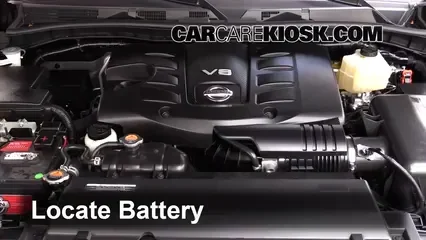
Check your brake fluid reservoir, which is located in the engine bay. If the fluid is low, top it off with the manufacturer-recommended DOT 3 or DOT 4 brake fluid. Just be aware that low brake fluid can also indicate worn pads or a leak, so investigate further if the fluid drops again quickly.
5. Failed Brake Control Module
The brake control module is the computer that manages the entire EPB system. Like any electronic component, it can fail due to water intrusion, electrical surges, or simple age. A failed module will usually throw a diagnostic trouble code, and the parking brake may stop working entirely.
This is a less common cause but one that requires professional diagnosis. A mechanic will need to hook up a diagnostic scanner to read the trouble codes and determine if the module itself needs replacement or reprogramming.
6. Stuck or Seized Brake Caliper
Sometimes the problem is mechanical rather than electrical. A rear brake caliper can seize up due to rust, lack of lubrication, or worn guide pins. When the caliper sticks, the electric parking brake cannot release properly, and you may feel the car pulling to one side or notice a burning smell after driving.
Seized calipers are serious because they can cause uneven brake pad wear and reduce braking performance. If you suspect a stuck caliper, get it checked as soon as possible. Driving with a seized caliper is not safe.
Step-by-Step Fixes for Electric Parking Brake Problems
Now that you know the common causes, let us get into the fixes. I will walk you through each one in detail so you can tackle them with confidence.
Fix 1: Reset the Electric Parking Brake
A simple reset fixes many EPB issues and clears error codes. Here is how to do it:
- Turn the ignition to the ON position without starting the engine.
- Press and hold the EPB button for about 10 seconds.
- Release the button and wait for the warning light to turn off.
- Start the engine and test the parking brake by engaging and releasing it.
This reset works because it forces the brake control module to reinitialize its self-check sequence. In many cases, a temporary electrical glitch causes the warning light to stay on even after the actual problem has resolved. The reset clears the error and gets everything back to normal.
Fix 2: Inspect and Clean the Electrical Connectors
If the reset does not work, the next step is to check the wiring. Here is what to do:
- Jack up the rear of the car and secure it on jack stands.
- Locate the electrical connectors at each rear brake caliper.
- Unplug the connectors and inspect them for corrosion, green buildup, or damaged pins.
- Clean the connectors with electrical contact cleaner and a soft brush.
- Reconnect the plugs firmly and test the parking brake.
This is a quick fix that costs almost nothing. Cleaning corroded connectors restores the electrical connection and often resolves intermittent parking brake malfunction issues. I have seen this fix work wonders for cars that have been sitting through a salty winter.
Fix 3: Replace Worn Brake Pads
If your brake pads are worn down, replacing them is essential for safe driving and proper EPB function. Here is a quick overview of the process:
- Remove the rear wheels.
- Unbolt the brake caliper and slide it off the rotor.
- Remove the old brake pads from the caliper bracket.
- Compress the caliper piston back into the caliper body.
- Install the new pads and reassemble everything.
- Repeat for the other side.
After installing new pads, you may need to reset the brake pad wear sensor if your TLX is equipped with one. The parking brake warning light should turn off after a few brake applications if the pads are properly seated.
Fix 4: Replace a Faulty Actuator Motor
If the motor is dead, you need a replacement. Here is the general process:
- Purchase the correct actuator motor for your specific Acura TLX model year.
- Remove the rear brake caliper and rotor to access the motor.
- Unbolt the old actuator motor from the caliper assembly.
- Install the new motor and reconnect the electrical connector.
- Reassemble the caliper, rotor, and wheel.
- Perform an EPB reset to initialize the new motor.
Replacing an actuator motor is a moderate-difficulty repair. If you are comfortable working on brakes and have basic mechanical skills, you can do it yourself. Otherwise, a mechanic can handle it in about an hour. I always recommend getting a second opinion before committing to a full motor replacement, because sometimes the issue is just a bad connector or corroded wiring, not the motor itself.
Fix 5: Check and Replace Brake Fluid
If the brake fluid level is low, start by topping it off. Then check for leaks around the brake lines, calipers, and master cylinder. If you find a leak, it needs to be repaired immediately. Brake fluid is hygroscopic, meaning it absorbs moisture over time. Flushing the old fluid and replacing it with fresh fluid every two years helps maintain optimal brake system performance and prevents corrosion inside the system.
How to Diagnose EPB Problems Yourself
Before you rush to the shop, there are several diagnostic steps you can take at home. Proper diagnosis saves time and money, and it helps you understand exactly what is wrong with your Acura TLX brake system.
Check the Dashboard Warning Lights
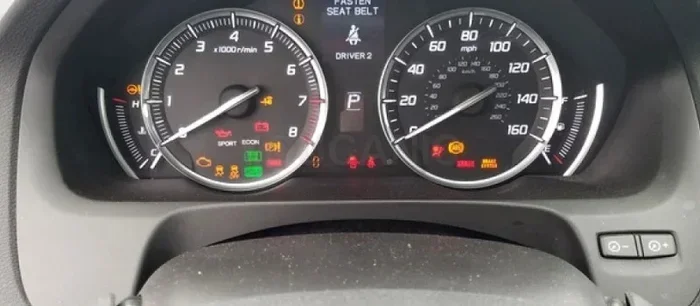
The first clue is almost always on the dashboard. If the parking brake warning light is illuminated, do not ignore it. The light may be steady or flashing, and each pattern can indicate a different problem. A steady light usually means the system has detected a fault. A flashing light often signals a more serious issue that needs immediate attention.
Use an OBD-II Scanner
An OBD-II scanner is one of the best tools for diagnosing electronic parking brake issues. Plug the scanner into the diagnostic port under the dashboard and read any stored trouble codes. Common codes related to EPB problems include:
- C0034: Left Rear Brake Actuator Motor Circuit
- C0035: Right Rear Brake Actuator Motor Circuit
- C1234: EPB Switch Fault
- C0040: Parking Brake Motor Performance
These codes point you directly to the problem area. You do not need to be a mechanic to read them. A basic OBD-II scanner costs around $30 and can save you hundreds in diagnostic fees at the shop. If you want to learn more about car diagnostics, check out our guide on how long a full car diagnostic takes.
Perform a Visual Inspection
Sometimes the problem is visible to the naked eye. Look at the rear brake components for any obvious signs of damage or wear. Check for leaking brake fluid, corroded connectors, or worn brake pads. A simple visual inspection can often point you in the right direction before you even pick up a tool.
Listen for Unusual Noises
Your ears are a great diagnostic tool. When you press the EPB button, listen carefully. A grinding noise usually indicates a mechanical issue like a seized caliper or worn pad. A clicking noise might point to an electrical problem with the actuator motor. A humming noise could mean the motor is working but stuck. Each sound tells a different story about what is going wrong.
Preventing Future Electric Parking Brake Issues
Prevention is always better than cure, and the same goes for your Acura TLX parking brake. A few simple habits can keep the EPB system working smoothly for years to come.
Follow the Maintenance Schedule
Acura provides a detailed maintenance schedule for the TLX. Following it ensures that your brake pads, brake fluid, and all electronic brake components get inspected and replaced at the right intervals. Skipping scheduled maintenance is the number one reason small problems turn into big, expensive repairs.
Keep the Brake Components Clean
Road salt, dirt, and debris can accelerate corrosion on the rear brake components. After driving through salt or heavy mud, rinse the underside of your car, paying special attention to the rear wheels. Keeping the components clean extends the life of the actuator motors, wiring, and calipers.
Do Not Ignore Warning Signs
If the parking brake warning light comes on, do not just reset it and hope it stays off. Investigate the cause. A small issue like a loose connector can become a major problem if left unaddressed. The same goes for unusual noises, a brake that sticks, or a car that pulls to one side when braking. Catching problems early is the key to keeping repair costs low.
Use Quality Replacement Parts
When it is time to replace brake pads, actuators, or other components, go with quality parts. OEM (Original Equipment Manufacturer) parts are designed specifically for your Acura TLX and meet the same standards as the parts that came with the car. Aftermarket parts can be a good budget option, but make sure they come from a reputable brand. Cheap parts fail faster and can cause additional damage to the brake system.
When to Take Your Acura TLX to a Professional
While many electric parking brake fixes are DIY-friendly, some situations call for a professional. If you have tried the basic resets and inspections and the problem persists, it is time to see a mechanic. Similarly, if you are not comfortable working on brake systems, do not hesitate to seek help. Brakes are safety-critical components, and doing a repair incorrectly can have serious consequences.
A professional mechanic has access to advanced diagnostic tools and manufacturer-specific software that can pinpoint problems faster than a basic OBD-II scanner. They can also perform software updates on the brake control module, which sometimes resolves EPB errors without any hardware replacement at all. If you want to understand more about vehicle upgrades and maintenance, our article on how to upgrade your vehicle covers additional ways to keep your car running at its best.
Also, if the brake control module itself needs replacement or reprogramming, this is definitely a job for a professional. These components require specialized knowledge and calibration to ensure they work correctly with the rest of the braking system. A certified Acura mechanic or a shop that specializes in Honda and Acura vehicles will have the expertise to handle it properly.
Key Takeaways
- Electric parking brake problems in the Acura TLX are common and usually fixable: Most issues stem from actuator motor failure, worn brake pads, corroded wiring, or low brake fluid.
- Start with the basics: A simple EPB reset and visual inspection of connectors often resolve the problem without any parts replacement.
- Use an OBD-II scanner: Reading trouble codes gives you valuable insight into what is wrong and helps you avoid unnecessary repairs.
- Replace worn brake pads regularly: Since the EPB shares the same pads as the service brakes, keeping pads fresh ensures the parking brake works properly.
- Clean and protect electrical connections: Corrosion is one of the leading causes of intermittent EPB failures, especially in harsh climates.
- Know your limits: Simple fixes are great for DIYers, but complex electrical or hydraulic brake repairs should be left to professionals.
- Stay on top of maintenance: Regular brake inspections and fluid flushes prevent most electric parking brake issues before they start.
Conclusion
Fixing electric parking brake problems in Acura TLX does not have to be intimidating. Most of the common issues are well within the reach of a motivated car owner with basic tools and a little patience. Whether it is a simple reset, cleaning corroded connectors, replacing worn brake pads, or swapping out a faulty actuator motor, the fixes are straightforward and well-documented.
The key is to pay attention to warning signs early and not ignore the parking brake warning light. Addressing small problems quickly prevents them from turning into major repairs. And remember, when in doubt, a professional diagnosis can save you time, money, and most importantly, keep you safe on the road.
Your Acura TLX is a well-engineered vehicle, and its electronic parking brake system is designed to last the life of the car with proper care. By staying proactive with maintenance and responding quickly to any issues, you will enjoy reliable braking performance for many miles to come. Keep this guide bookmarked for reference, and do not let a parking brake problem slow you down.
Frequently Asked Questions
How do I reset the electric parking brake on my Acura TLX?
To reset the EPB, turn the ignition to ON without starting the engine, press and hold the parking brake button for about 10 seconds, then release it. Start the engine and test the brake by engaging and releasing it. This simple reset clears most temporary error codes and restores normal function.
Why is my Acura TLX parking brake warning light staying on?
A persistent warning light usually indicates a fault in the EPB system. Common causes include a faulty actuator motor, worn brake pads, corroded wiring, or low brake fluid. Using an OBD-II scanner to read the trouble codes will help you pinpoint the exact cause.
Can I drive my Acura TLX with a broken electric parking brake?
You can drive short distances, but it is not safe. The parking brake is a critical safety system, and a broken EPB means your car is not securely held in place when parked. Get the issue diagnosed and repaired as soon as possible to avoid accidents or towing problems.
How much does it cost to fix the electric parking brake on an Acura TLX?
Costs vary depending on the root cause. A simple reset or connector cleaning costs nothing. Brake pad replacement typically runs $150 to $300 per axle. Actuator motor replacement can range from $300 to $600 per side including parts and labor. A full brake control module replacement is more expensive, often $500 to $1,000 or more.
What should I do if the parking brake won’t release?
First, try a full EPB reset by holding the button for 10 seconds. If that does not work, check the brake fluid level and inspect the rear brake calipers for seized guide pins. If the actuator motor is the culprit, you may need to replace it. If you are unsure, take the car to a professional mechanic for diagnosis.
How often should I maintain the electric parking brake system on my Acura TLX?
Follow Acura’s recommended maintenance schedule, which typically includes brake inspections every 15,000 miles and brake fluid flushes every 30,000 miles. Regular maintenance keeps the EPB system functioning properly and prevents most common problems before they develop.