How Much Are Tires for a Nissan Altima and What to Know
Tires for a Nissan Altima typically range from $450 to $850 for a full set of four, depending on the model year, tire size, and brand you choose. The Nissan Altima tire cost varies based on whether you pick OEM tires or aftermarket options, with popular choices like Michelin, Bridgestone, and Goodyear offering different price points. This guide covers everything you need to know about Altima tire prices, tire sizes, replacement timing, and how to save money without sacrificing quality.
If you own a Nissan Altima, there comes a time when you need to replace your tires. Maybe you noticed uneven tread wear, or perhaps you heard a strange noise while driving. Whatever the reason, understanding how much tires cost for a Nissan Altima helps you make a smart buying decision.
The good news is that Altima tires are widely available and come in a broad price range. Whether you drive a 2013 Altima or a 2024 model, this guide walks you through everything you need to know. We cover tire pricing, sizing, brand comparisons, and tips to save money. Let us get started.
Key Takeaways
- Average Cost Range: A full set of four tires for a Nissan Altima costs between $450 and $850, with installation fees adding $20 to $50 per tire.
- Tire Size Matters: The Altima uses different tire sizes depending on the trim and model year, typically ranging from 195/65R15 to 225/45R18.
- Brand Choice Affects Price: Premium brands like Michelin cost more but often last longer, while budget brands like General offer solid value for money.
- Replace in Sets of Four: Always replace all four tires at once for balanced handling, traction, and safety on your Altima.
- Check Warranty and Tread Depth: Most quality tires come with a 50,000- to 65,000-mile warranty and a tread depth of around 10/32 inches new.
- DIY vs. Professional Installation: Professional installation costs $80 to $200 total, but you can save money by buying tires online and having them mounted locally.
📑 Table of Contents
- Understanding Nissan Altima Tire Sizes
- How Much Are Tires for a Nissan Altima: Price Breakdown
- Factors That Affect Tire Pricing for the Altima
- Best Tire Brands for the Nissan Altima
- How Often Should You Replace Altima Tires?
- Tips to Save Money on Nissan Altima Tires
- How Tire Quality Affects Your Altima’s Performance
- Common Mistakes People Make When Buying Altima Tires
- Final Thoughts on Nissan Altima Tire Costs
Understanding Nissan Altima Tire Sizes
Before looking at prices, you need to know your tire size. The right size ensures a safe and smooth ride. Every Altima model uses a specific tire dimension based on the trim level and model year.
Common Tire Sizes by Model Year
- 2013-2018 Altima (S, SV, SL trims): 195/65R15 or 215/50R17
- 2019-2023 Altima (S, SR, SL trims): 215/50R17 or 225/45R18
- Older models (2007-2012): 195/65R15 or 205/55R16
You can find your exact tire size on the driver-side door jamb sticker. This sticker lists the recommended tire pressure and dimensions. Always match your new tires to these specs. Using the wrong size can affect handling, fuel economy, and safety.
Also, check whether your Altima came with run-flat tires or standard all-season tires. Run-flat tires allow you to drive a short distance after a puncture, but they cost more. Knowing your tire type helps you shop smarter.
How Much Are Tires for a Nissan Altima: Price Breakdown
The Nissan Altima tire cost depends on several factors. Let us break down the numbers so you know what to expect at the checkout counter.
Budget Tier Tires ($80-$130 Per Tire)
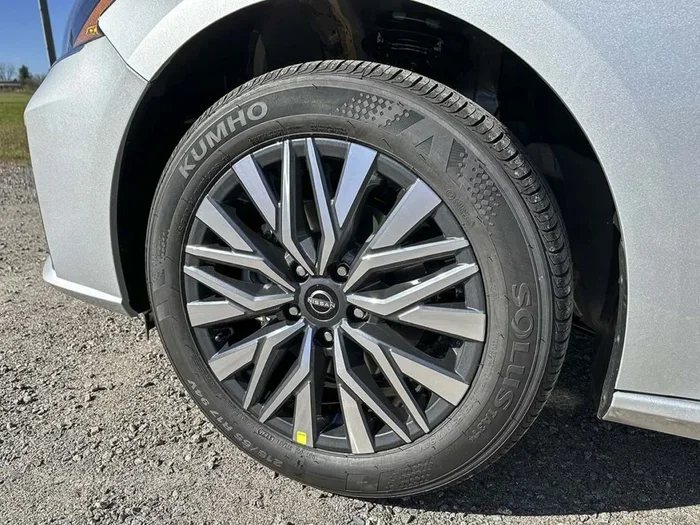
Budget tires are the most affordable option. Brands like General, Cooper, and Kumho offer solid performance at a lower price. These tires work well for daily commuting and light driving. You can expect to pay around $320 to $520 for a full set of four, plus installation.
Mid-Range Tires ($130-$180 Per Tire)
Mid-range tires strike the best balance between price and performance. Popular choices include Michelin Defender LTX M/S, Bridgestone Turanza QuietTrack, and Continental TrueContact Tour. These tires offer excellent tread life, quiet ride quality, and reliable all-season traction. A full set typically costs $520 to $720 before installation.
Premium Tires ($180-$240 Per Tire)
Premium tires deliver top-tier performance, comfort, and durability. Brands like Michelin Pilot Sport and Pirelli P4 Four Seasons Plus fall in this category. They often feature advanced rubber compounds and noise-reduction technology. Expect to pay $720 to $960 for the set, not including mounting and balancing fees.
Installation and Additional Fees
Installation costs typically run $20 to $50 per tire. This includes mounting, balancing, and valve stem replacement. Some shops also charge a small fee for tire disposal of your old set. In total, budget for roughly $80 to $200 in installation costs on top of the tire price. If you are wondering whether car insurance covers tires, check your policy, as some comprehensive plans may include tire damage.
Factors That Affect Tire Pricing for the Altima
Not all tires are priced the same way. Several factors influence the final Nissan Altima tire cost. Understanding these helps you make a smarter purchase.
Tire Brand and Reputation
Premium brands invest heavily in research and development. Their tires use advanced materials and engineering, which raises the price. Budget brands cut costs on materials but still meet safety standards. The trick is finding a brand that offers good value for your specific driving needs.
Tire Type and Purpose
- All-Season Tires: Best for most Altima owners. They handle dry, wet, and light winter conditions.
- Touring Tires: Focus on comfort and quiet ride. Great for highway driving.
- Performance Tires: Offer better handling and grip but wear out faster.
- Fuel-Efficient Tires: Reduce rolling resistance, which can improve your fuel economy over time.
Tire Age and Availability
Newer tire models often cost more because they feature updated technology. Older stock tires may be cheaper but could have reduced shelf life. Always check the DOT code on the tire sidewall. This four-digit code tells you when the tire was manufactured. Avoid tires older than two years, even if they are on sale.
Seasonal Demand
Tire prices can fluctuate with the seasons. Winter tires and all-weather sets tend to cost more in the fall. Shopping during spring or summer sales can save you a noticeable amount. Some retailers also offer loyalty discounts or coupon codes during holiday weekends.
Best Tire Brands for the Nissan Altima
Not every tire brand works equally well for the Altima. Some excel in quiet ride quality, while others shine in tread durability. Here are the top brands to consider based on real-world performance and value.
Michelin
Michelin tires are widely regarded as some of the best on the market. The Michelin Defender LTX M/S is a popular choice for Altima owners. It delivers excellent tread life, often lasting 70,000 to 80,000 miles. The ride is smooth and quiet, making it ideal for long commutes. The downside? Michelin tires carry a premium price tag.
Bridgestone
Bridgestone offers a great mix of quality and affordability. The Bridgestone Turanza QuietTrack is a favorite among Altima drivers who value a peaceful cabin. These tires provide reliable wet and dry traction. They also come with a strong warranty, often covering up to 65,000 miles.
Continental
Continental tires are engineered for comfort and precision handling. The Continental TrueContact Tour is an excellent all-season option. It offers impressive braking distances and even tread wear. Continental tires tend to be moderately priced, sitting between budget and premium tiers.
Goodyear
Goodyear has a long history of producing reliable tires. The Goodyear Assurance MaxLife is designed for longevity and all-season performance. It is a strong contender for Altima owners who want durability without overspending. Goodyear tires are widely available at most auto shops and online retailers.
Budget-Friendly Options
If you want to keep costs low, consider brands like General, Falken, or Kumho. The General Altimax RT45 offers solid all-season performance at an affordable price. These tires may not match premium brands in noise reduction or tread life, but they get the job done safely for daily driving.
How Often Should You Replace Altima Tires?
Knowing when to replace your tires is just as important as knowing the cost. Driving on worn tires is dangerous and can reduce your vehicle’s fuel efficiency.
The Penny Test
The simplest way to check your tire tread is the penny test. Insert a penny into the tread groove with Lincoln’s head facing down. If you can see the top of his head, your tread is too worn. It is time for new tires. If part of his head is covered, you still have adequate tread depth.
Tire Age Guidelines
Even if your tires look fine, rubber degrades over time. Most tire manufacturers recommend replacing tires that are six years old or older, regardless of tread depth. Check the DOT code on the sidewall to determine the age. If your Nissan Altima has been sitting in the garage for a long time, inspect the tires carefully before driving.
Signs You Need New Tires
- Cracks or bulges on the sidewall
- Frequent loss of air pressure
- Vibrations while driving at highway speeds
- Reduced traction on wet roads
- Visible tread wear indicators (small bars across the tread)
Replacing tires on time keeps you safe and can even improve your car’s fuel economy. Worn tires create more rolling resistance, which means your engine works harder and uses more gas. If you are curious about how much fuel your Altima actually uses, check out how many gallons it takes to fill up a car for a better picture of your overall fuel costs.
Tips to Save Money on Nissan Altima Tires
Replacing tires does not have to break the bank. With a little planning, you can find great tires at fair prices. Here are some proven tips to help you save.
Buy Online and Install Locally
Online tire retailers like TireRack, Discount Tire, and Walmart often offer lower prices than local shops. You can order the tires and have them shipped to a nearby installation partner. This approach can save you $30 to $80 compared to buying fully installed from a dealership.
Look for Warranty and Road Hazard Coverage
Many tire brands offer limited warranties that cover premature tread wear. Some also include road hazard protection, which helps pay for repairs or replacements if you get a puncture. Always ask about warranty details before purchasing. A good warranty can save you significant money over the life of the tires.
Consider Tire Rotation and Maintenance
Regular tire rotation extends the life of your tires. Rotating them every 5,000 to 7,500 miles ensures even wear across all four positions. Proper tire pressure also plays a big role. Under-inflated tires wear out faster on the outer edges of the tread, while over-inflated tires wear in the center. Check your pressure monthly to get the most miles out of your set.
Avoid Dealership Markup When Possible
Dealerships often charge a markup for tires compared to independent shops or online retailers. While the dealership offers convenience, you can usually find the same tires elsewhere for less. If you need Nissan Altima repairs or maintenance, the dealership is a great option, but for tires alone, you often have better alternatives.
Time Your Purchase Strategically
Shop for tires during seasonal transitions when demand is lower. Early spring and late summer often bring the best deals. Retailers also run promotions during events like Black Friday and Memorial Day sales. Patience can save you a surprising amount of money.
Proper tire care also connects to overall vehicle health. For instance, if you notice unusual noises or vibrations, it might not always be the tires. Sometimes issues like a failing ac compressor for Nissan Altima can cause discomfort that feels tire-related. Staying on top of regular maintenance helps you catch problems early and avoid costly surprises.
How Tire Quality Affects Your Altima’s Performance
The tires you choose directly impact how your Altima drives. Quality tires improve handling, comfort, and safety. Cheap tires might save money upfront but could cost more in the long run through shorter lifespan and reduced performance.
Premium tires often feature advanced rubber compounds that maintain grip in various weather conditions. They also provide better noise insulation, which makes your cabin quieter on long drives. For the Altima, which is a comfortable touring sedan, investing in quality tires enhances the driving experience significantly.
Fuel efficiency is another factor to consider. Low rolling resistance tires reduce the energy needed to keep your car moving. This translates to better miles per gallon over time. If you want to maximize your Altima’s fuel economy, look for tires rated for low rolling resistance. You can also learn more about how much fuel your vehicle holds by reading how many gallons to fill up a car.
Tire longevity also plays a role in overall value. A $200 tire that lasts 70,000 miles costs less per mile than a $120 tire that lasts 40,000 miles. Always calculate the cost per mile when comparing options. This simple math reveals which tires offer the best long-term value for your Nissan Altima.
Driving habits matter too. Aggressive acceleration and hard braking wear tires faster. Smooth driving, regular rotations, and proper inflation can add thousands of miles to your tire life. If you drive your Altima for many years, as discussed in how long 200,000 miles on a car can be, maintaining your tires becomes even more critical for overall vehicle reliability and safety.
Common Mistakes People Make When Buying Altima Tires
Avoid these common pitfalls to make a smarter tire purchase for your Nissan Altima.
- Buying only two tires: Always replace all four tires at once. Mixing old and new tires causes uneven handling and can damage your drivetrain.
- Ignoring tire size: Using the wrong size affects speedometer accuracy, fuel economy, and safety.
- Skipping the installation inspection: Ask the installer to check your wheel alignment and suspension. Misaligned wheels cause premature tire wear.
- Chasing the cheapest option: The lowest-priced tires may compromise safety and durability. Look for value, not just the lowest sticker price.
- Forgetting about spare tire compatibility: If your Altima has a compact spare, make sure your new tires are compatible with the spare wheel mount.
Final Thoughts on Nissan Altima Tire Costs
So, how much are tires for a Nissan Altima? The answer depends on your budget, driving habits, and brand preference. Most Altima owners will spend between $450 and $850 for a quality set of four tires, including installation. Premium brands like Michelin and Bridgestone offer the best longevity and performance, while budget brands provide solid value for those watching their spending.
The key is to balance upfront cost with long-term value. A slightly more expensive tire that lasts longer and performs better is almost always the smarter choice. Take the time to compare options, read reviews, and check warranties before you buy.
Your Altima is a reliable and comfortable sedan. Equipping it with the right tires ensures you get the most out of every drive. Whether you commute daily or take weekend road trips, good tires make all the difference in safety, comfort, and fuel efficiency.
Stay proactive about tire maintenance. Check your pressure monthly, rotate your tires regularly, and replace them when the tread wears down. These simple habits keep your Altima running smoothly for years to come and protect your investment in the vehicle.
Frequently Asked Questions
How much does it cost to replace all four tires on a Nissan Altima?
Replacing all four tires on a Nissan Altima typically costs between $450 and $850 for the tires alone, with installation fees adding $80 to $200. The total comes to roughly $530 to $1,050 depending on the brand and tire size you choose. Mid-range all-season tires like the Michelin Defender or Bridgestone Turanza fall in the middle of this range.
What size tires does a Nissan Altima use?
Nissan Altima tire sizes vary by model year and trim. Common sizes include 195/65R15, 215/50R17, and 225/45R18. Check the driver-side door jamb sticker or your owner’s manual to find the exact size recommended for your specific Altima.
How often should I replace my Nissan Altima tires?
Most tires last between 50,000 and 70,000 miles depending on the brand and driving habits. Replace your tires when the tread depth reaches 2/32 of an inch, or when you notice cracks, bulges, or frequent air loss. Even if the tread looks fine, consider replacing tires that are six years old or older.
Can I put different brands of tires on my Nissan Altima?
It is best to use the same brand, model, and size on all four tires. Mixing different brands can cause uneven handling, reduced traction, and potential drivetrain issues. If you must replace only two tires, always put the new ones on the rear axle for better stability and control.
Are expensive tires worth it for a Nissan Altima?
Premium tires like Michelin and Continental offer better tread life, quieter ride quality, and improved wet-weather performance. For daily commuters and long-distance drivers, the extra cost is often worth the extended lifespan and enhanced safety. Budget tires work fine for low-mileage, short-distance driving.
Does tire warranty cover blowouts or damage?
Most tire warranties cover premature tread wear and manufacturing defects. Road hazard coverage, which may be offered separately, can help cover damage from punctures or blowouts. Check the specific warranty terms from the manufacturer or retailer, as coverage varies widely between brands and purchase locations.