How Long to Let an Engine Cool Before Adding Coolant
Always wait at least 30 minutes to 1 hour after turning off your engine before adding coolant. Opening a hot radiator or coolant reservoir can cause serious burns from pressurized hot liquid. This guide covers safe cooling times, why patience matters, and step-by-step instructions for adding coolant without risking injury or engine damage.
You just got back from a long drive, and your coolant level is low. The thought of popping the hood and topping it up feels simple enough. But here is the thing many drivers overlook: how long to let an engine cool before adding coolant matters more than most people realize.
Opening a hot cooling system can lead to painful burns, engine damage, or even costly repairs. This guide walks you through everything you need to know about cooling times, safe procedures, and common mistakes. Whether you are a first-time car owner or someone who has been doing DIY maintenance for years, you will find practical advice here.
The cooling system in your vehicle keeps your engine from overheating. It relies on a mixture of water and antifreeze, also known as engine coolant, to absorb and dissipate heat. When the engine runs, temperatures inside the block can reach over 200 degrees Fahrenheit. That is why giving the system enough time to cool down is absolutely essential before you open any part of it.
Key Takeaways
- Wait 30 to 60 minutes: Let your engine cool for at least half an hour before touching the coolant system.
- Never open a hot radiator cap: Pressurized hot coolant can spray out and cause severe burns.
- Check the temperature gauge first: Make sure the needle is in the normal range before you proceed.
- Use the right coolant type: Mixing coolant types can damage your cooling system over time.
- Inspect for leaks first: Low coolant often signals a leak that needs attention before you simply top up.
- Follow your owner manual: Every vehicle has specific coolant requirements and fill procedures.
📑 Table of Contents
- Why You Must Wait Before Adding Coolant
- How Long to Wait Before Adding Coolant
- Signs Your Engine Is Cool Enough
- Step-by-Step Guide to Adding Coolant Safely
- Common Mistakes When Adding Coolant
- How Often Should You Check and Change Your Coolant?
- What to Do If Your Engine Overheats
- Understanding Your Vehicle’s Cooling System
- When to See a Mechanic About Coolant Issues
- Final Thoughts
Why You Must Wait Before Adding Coolant
The cooling system in your car operates under pressure. When the engine is running or has just been turned off, the coolant inside becomes extremely hot and pressurized. The radiator cap seals the system tightly to maintain this pressure, which helps the coolant reach higher temperatures without boiling.
When you open a hot system, that pressure releases instantly. The result is a sudden burst of scalding liquid and steam. This can cause serious burns to your face, hands, and arms. Beyond the personal injury risk, opening the system too early can also introduce air pockets into the cooling lines, which leads to poor circulation and potential engine overheating later on.
Here is what happens inside a hot engine:
- The thermostat regulates coolant flow to maintain optimal temperature.
- The water pump circulates coolant through the engine block and radiator.
- The cooling fan helps dissipate heat once the vehicle slows down or stops.
- Coolant temperatures can exceed 200 degrees Fahrenheit during operation.
- The radiator cap maintains 15 to 18 PSI of pressure in the system.
All of these components retain heat long after the engine is off. That is why waiting is not just a safety precaution. It is also the right way to protect your cooling system from damage.
The Science Behind Engine Cooling
Heat transfer plays a big role in how quickly your engine cools down. When you shut off the ignition, the engine no longer generates new heat. But the metal components, the coolant, and the radiator still hold a significant amount of thermal energy. Natural convection and radiation slowly dissipate this heat into the surrounding air.
A metal engine block can take anywhere from 30 minutes to over an hour to drop to a safe temperature. The exact time depends on several factors, which we will cover in the next section.
How Long to Wait Before Adding Coolant
The general rule of thumb is to wait at least 30 minutes after turning off your engine. However, 30 minutes might not always be enough. In many cases, waiting a full hour provides a much safer margin, especially during hot weather or after heavy driving.
Here is a simple breakdown of cooling times based on driving conditions:
- Short, light drives (under 15 minutes): 30 minutes of cooling is usually sufficient.
- Highway driving or towing: Wait at least 45 minutes to 1 hour.
- Hot weather or heavy traffic: Wait a full hour or more.
- After hard driving (racing, steep hills): Wait up to 90 minutes for safety.
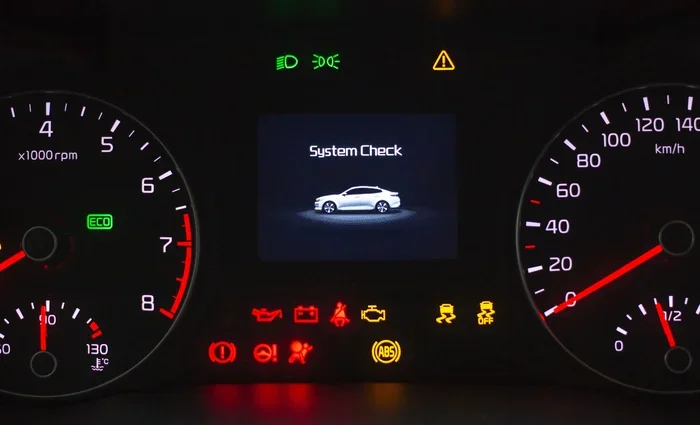
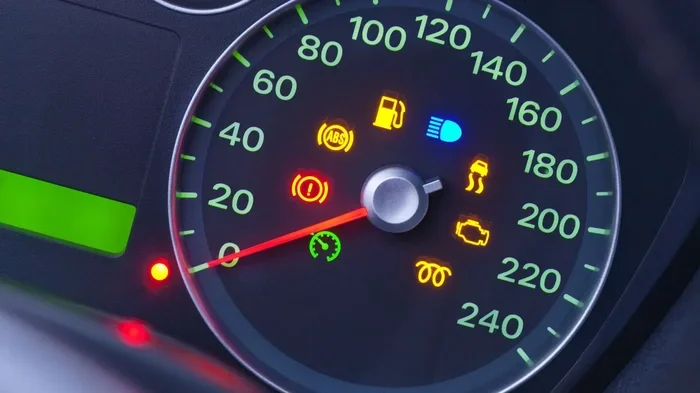
The best way to check if your engine is cool enough is by looking at the temperature gauge on your dashboard. If the needle is in the normal range, you are likely safe to proceed. But even if the gauge looks fine, use your judgment. If the hood feels hot to the touch, give it more time.
How to Safely Check Coolant Temperature
Before you open anything, follow these steps to make sure the system is safe to touch:
- Turn off the engine and let the car sit in a safe, flat location.
- Wait at least 30 minutes. Longer is better.
- Check the temperature gauge. It should be in the normal or cold range.
- Place a towel over the radiator cap for extra protection.
- Turn the cap slowly counterclockwise to release any remaining pressure.
- Once you hear a hiss, stop turning. Wait a few more seconds.
- Remove the cap fully and check the coolant level in the coolant reservoir.
Never attempt to open the radiator cap while the engine is running or hot. Even a slightly warm system can surprise you with residual pressure. Always err on the side of caution and wait longer rather than shorter.
Signs Your Engine Is Cool Enough
Knowing when to add coolant is not just about the clock. Your vehicle gives you several signals that tell you the system has cooled down enough to be safe. Learning to read these signs helps you avoid rushing the process.
The most obvious sign is the temperature gauge on your dashboard. When the needle sits in the normal zone, the engine has cooled to a safe level. Most vehicles show this between the C and H marks, with the ideal spot right in the middle.
Another indicator is the coolant warning light. If this light is no longer illuminated on your dashboard, the engine temperature has returned to normal. However, do not rely solely on the warning light. Use it as one of several confirmation methods.
You can also use the sense of touch carefully. After waiting at least 30 minutes, gently place the back of your hand near the hood opening. If you feel strong heat radiating out, wait another 15 to 20 minutes. The hood itself should feel warm but not painfully hot.
Listen for any hissing sounds coming from the radiator or reservoir. A hissing noise means there is still pressure in the system. Wait until the hissing stops completely before you attempt to open the cap.
Quick Tips for Checking If Your Engine Is Cool
- Use the temperature gauge as your primary indicator.
- Wait longer in hot weather or after strenuous driving.
- Never rely on the appearance of steam alone to judge cooling.
- If in doubt, wait an extra 15 to 20 minutes.
- Keep a clean rag or towel handy for the radiator cap.
Step-by-Step Guide to Adding Coolant Safely
Once your engine has cooled sufficiently, you are ready to add coolant. Following the right steps ensures you do the job safely and effectively. Here is a detailed walkthrough.
Step 1: Gather Your Supplies
Before you start, make sure you have everything you need. You will require the correct type of engine coolant for your vehicle, a clean funnel, a rag or towel, and gloves for hand protection. Check your owner manual to confirm the right coolant type. Using the wrong coolant can cause corrosion or reduce the effectiveness of your cooling system.
Step 2: Locate the Coolant Reservoir
Open the hood and find the coolant reservoir. This is usually a translucent plastic tank near the radiator. It will have minimum and maximum markings on the side. Some vehicles use the radiator itself as the fill point, but most modern cars use a separate reservoir tank.
Step 3: Check the Coolant Level
Look at the side of the reservoir. If the coolant level is below the minimum mark, you need to add more. If the level is between the minimum and maximum marks, you may not need to add anything yet. Always check when the engine is cool for an accurate reading.
Step 4: Add the Coolant
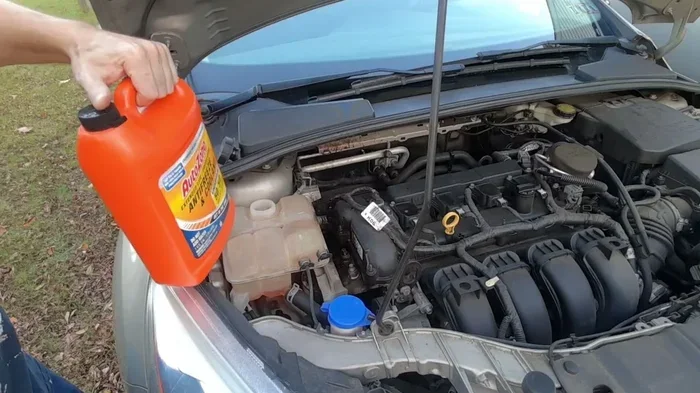
Place a funnel in the opening of the reservoir. Pour the coolant slowly until it reaches the maximum fill line. Do not overfill. Leave a small amount of space because the coolant expands as it heats up during operation.
Step 5: Replace the Cap and Check for Leaks
Secure the reservoir cap tightly. Start the engine and let it idle for a few minutes. Watch the area around the reservoir and radiator for any signs of leaking. If you notice a drip or puddle, turn off the engine and inspect the connection more closely.
Step 6: Monitor the Temperature Gauge
After adding coolant, keep an eye on the temperature gauge as you drive. The needle should remain in the normal range. If it starts climbing toward the hot zone, pull over safely and turn off the engine. This could indicate a deeper problem that simply adding coolant will not fix.
Common Mistakes When Adding Coolant
Even experienced car owners sometimes make mistakes when dealing with coolant. Being aware of these errors helps you avoid them and keeps your cooling system in top shape.
Mistake 1: Adding Coolant to a Hot Engine
This is the most dangerous and common mistake. Opening the system while the engine is hot can cause severe burns from pressurized steam and hot liquid. Always wait the full cooling time before you attempt to open any part of the system. If you are ever unsure, wait longer.
Mistake 2: Mixing Different Coolant Types
Not all coolants are the same. There are ethylene glycol-based coolants, propylene glycol-based coolants, and various hybrid formulas. Mixing incompatible types can create a chemical reaction that turns the coolant into a gel-like substance. This clogs the cooling system and can lead to engine overheating and expensive repairs.
Mistake 3: Overfilling the Reservoir
Coolant expands as it heats up. If you fill the reservoir to the brim when the engine is cold, the expanding fluid will have nowhere to go. This can cause the reservoir to crack or the cap to blow off, creating a mess and potentially damaging the cooling system.
Mistake 4: Ignoring the Root Cause of Low Coolant
Topping up the coolant is a temporary fix if there is an underlying leak. Low coolant levels often point to a coolant leak somewhere in the system, such as a cracked hose, a faulty radiator cap, or a leaking water pump. If you find yourself needing to add coolant frequently, have a mechanic inspect the entire cooling system.
Mistake 5: Using Water Instead of Coolant
In an emergency, you can top up with distilled water temporarily. But water alone does not provide the same protection as proper coolant. It has a lower boiling point and does not prevent corrosion. Replace water with the correct coolant mixture as soon as possible.
How Often Should You Check and Change Your Coolant?
Regular coolant maintenance keeps your cooling system working efficiently. Most manufacturers recommend checking the coolant level at least once a month. This simple habit helps you catch low levels early before they turn into bigger problems.
As for changing the coolant, the schedule varies by vehicle and coolant type. Traditional green coolant typically needs replacement every 24,000 to 36,000 miles. Extended-life coolants, which are often orange or purple, can last up to 100,000 miles or five years. Always refer to your owner manual for the specific interval recommended for your vehicle.
If you are unsure about your coolant condition, you can have a mechanic perform a coolant flush. This process drains the old coolant, cleans the system, and refills it with fresh fluid. A coolant flush removes built-up sediment and contaminants that reduce the cooling system’s effectiveness over time.
You might also want to read about can old coolant cause engine overheating to understand why fresh coolant matters for engine health. Similarly, if you are dealing with an empty coolant situation, check out can I add coolant if it is empty for guidance on handling critically low levels safely.
What to Do If Your Engine Overheats
Despite your best efforts, engines can overheat. If the temperature gauge spikes into the red zone while you are driving, take immediate action. Pull over to a safe location and turn off the engine. Do not open the hood or any coolant system components for at least 30 minutes.
Once the engine has cooled, check the coolant level. If it is low, you can carefully add more following the steps outlined above. However, frequent overheating is a sign of a serious problem. Possible causes include a broken thermostat, a failing water pump, a clogged radiator, or a blown head gasket. Have your vehicle inspected by a qualified mechanic as soon as possible.
Never ignore an overheating engine. Driving with an overheated engine, even for a short distance, can cause catastrophic damage such as a warped cylinder head or a cracked engine block. The cost of these repairs far exceeds the cost of proper coolant maintenance and timely attention to warning signs.
Emergency Coolant Tips
- Keep a bottle of the correct coolant in your trunk for emergencies.
- If you must add coolant to a warm engine, do so very slowly and carefully.
- Use a thick rag to protect your hands when opening any cooling system component.
- Never pour cold coolant directly into a very hot engine block, as the sudden temperature change can crack the engine.
- Keep a safe distance from the radiator cap when you do open it.
Understanding Your Vehicle’s Cooling System
Your car’s cooling system is a complex network of components that work together to regulate engine temperature. Understanding how each part functions helps you appreciate why proper coolant maintenance is so important.
The radiator is the heart of the cooling system. It uses a series of thin tubes and fins to transfer heat from the coolant to the outside air. The radiator fan kicks in when the vehicle slows down or sits idle, ensuring that air continues to flow through the radiator even when there is no forward motion.
The thermostat acts as a valve that opens and closes to regulate coolant flow. When the engine is cold, the thermostat stays closed to help the engine warm up quickly. Once the engine reaches operating temperature, the thermostat opens to allow coolant to circulate through the radiator for cooling.
Hoses connect all the components of the cooling system. Over time, these hoses can become brittle, crack, or develop leaks. Regular inspection of the cooling hoses is an easy way to prevent unexpected coolant loss and engine overheating.
The water pump is responsible for circulating coolant throughout the engine block and radiator. It operates continuously while the engine is running. A failing water pump is one of the most common causes of coolant-related overheating issues.
Finally, the coolant reservoir stores excess coolant that expands during operation. It also serves as the fill point for adding new coolant. Keeping the reservoir clean and at the proper level is a simple but effective way to maintain cooling system health.
For more information on maintaining your vehicle, you might also find can coolant last 10 years helpful for understanding coolant longevity. And if you are curious about general vehicle maintenance, check out do you reset after an oil change for tips on keeping up with routine service tasks.
When to See a Mechanic About Coolant Issues
There are times when adding coolant is not enough, and professional help is necessary. If you notice any of the following signs, schedule a visit with a trusted mechanic right away.
- You need to add coolant frequently, which suggests a hidden leak.
- The coolant appears rusty, oily, or has an unusual color.
- You see white smoke coming from the exhaust, which may indicate a head gasket issue.
- The temperature gauge fluctuates unpredictably despite having adequate coolant.
- You notice a sweet smell coming from the engine bay, which often signals a coolant leak.
- The coolant warning light stays on even after you have topped up the reservoir.
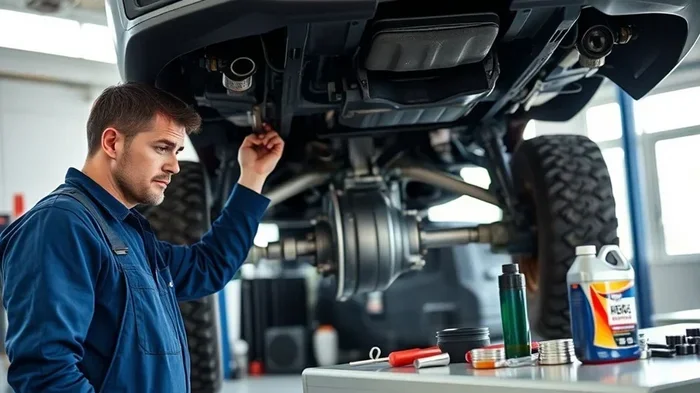
A mechanic can perform a pressure test on the cooling system to identify leaks and inspect components like the radiator, water pump, and thermostat for wear. Early detection of cooling system problems saves you from expensive repairs down the road.
For more context on related maintenance topics, you may want to explore how do I upgrade my vehicle for tips on improving overall vehicle performance, including cooling system upgrades.
Final Thoughts
Knowing how long to let an engine cool before adding coolant is one of the simplest yet most important pieces of car maintenance knowledge you can have. Waiting at least 30 minutes, and ideally closer to an hour, protects you from burns and protects your engine from damage. Pair this patience with regular coolant checks and timely coolant flushes, and your cooling system will keep your engine running at the right temperature for years to come.
Always use the correct coolant type, never ignore warning signs, and do not hesitate to seek professional help when something does not feel right. Your vehicle will reward you with reliable performance and a long, healthy life on the road.
Frequently Asked Questions
Can I add coolant immediately after turning off the engine?
No, you should never add coolant immediately after turning off the engine. The coolant inside the system is extremely hot and pressurized. Wait at least 30 minutes, and ideally up to an hour, before opening any part of the cooling system to avoid burns and engine damage.
What happens if I open the radiator cap when the engine is hot?
Opening the radiator cap on a hot engine releases built-up pressure suddenly. This causes hot coolant and steam to spray out violently, which can result in severe burns to your face, hands, and arms. Always let the engine cool completely first.
Can I use water instead of coolant in an emergency?
Yes, you can use distilled water as a temporary emergency measure. However, water does not provide the same freeze protection, boil resistance, or corrosion prevention as proper coolant. Replace water with the correct coolant type as soon as possible.
How do I know if my coolant is low?
Check the coolant reservoir when the engine is cool. If the level is below the minimum mark, you need to add more coolant. Other signs of low coolant include a rising temperature gauge, a sweet smell from the engine bay, and the coolant warning light illuminating on the dashboard.
How often should I flush my cooling system?
Most manufacturers recommend flushing the cooling system every 30,000 to 50,000 miles, or every two to three years. Extended-life coolants may last longer, up to 100,000 miles. Always check your owner manual for the specific recommendation for your vehicle.
Is it safe to drive with a low coolant level?
Driving with low coolant is not safe. It can cause the engine to overheat, which may lead to serious and expensive damage such as a cracked engine block or a blown head gasket. Top up the coolant as soon as possible and investigate the cause of the low level.
=== CONCLUSION ===
How long to let an engine cool before adding coolant is a question that every driver should know the answer to. The simple rule is to wait at least 30 minutes, preferably closer to an hour, before you open any part of the cooling system. This patience protects you from painful burns and keeps your engine running smoothly. Follow the steps outlined in this guide, avoid common mistakes, and make coolant maintenance a regular part of your car care routine. Your vehicle will stay cool, reliable, and ready for the road ahead.