How Do I Get the Service Engine Soon Light to Go Off
The service engine soon light can feel scary, but it is often a simple fix. You can clear the light yourself in many cases by checking the gas cap, resetting codes, or fixing a minor sensor issue. This guide walks you through every step to get that annoying light off your dashboard quickly and safely.
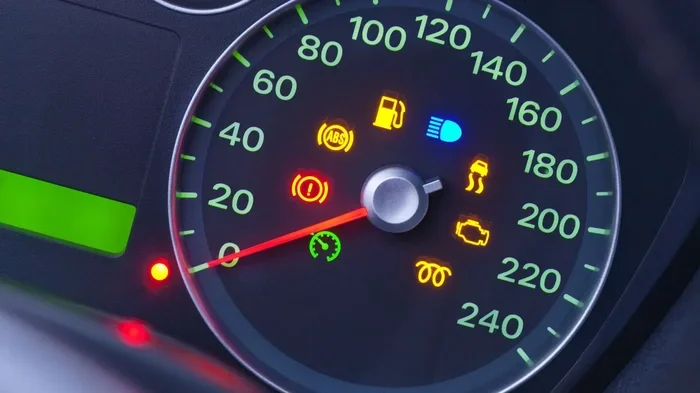
You are driving down the road. Then you see it. That little yellow or orange engine-shaped icon lights up on your dashboard. It says “Service Engine Soon.” Your heart drops a little. What does it mean? Should you pull over? Is your car about to break down?
Here is the good news. In most cases, the service engine soon light is not a reason to panic. It is your car’s way of telling you something needs attention. Often, the fix is quick and inexpensive. Sometimes, you can even turn the light off yourself.
This article gives you everything you need to know. You will learn what the light means, what causes it, and exactly how to get it to go off. We will cover simple fixes you can do at home. We will also cover when you need to visit a mechanic. By the end, you will feel confident and ready to handle this common car warning.
The service engine soon light is part of your car’s onboard diagnostics system. This system monitors dozens of sensors and components. When something is out of range, the computer stores a code and turns on the light. Think of it as your car sending you a text message. It is saying, “Hey, check me out.”
The light is different from other dashboard warnings. A red oil pressure light means stop right now. A temperature warning means your engine is overheating. The service engine soon light is usually yellow or amber. It means something is wrong, but it is not always an emergency. Still, you should not ignore it.
The light may stay solid or it may flash. A solid light usually means a minor issue. A flashing light is more serious. It often signals an engine misfire that can damage your catalytic converter. If your light is flashing, get your car checked as soon as possible.
Key Takeaways
- Check your gas cap first: A loose or faulty fuel cap is the most common reason the light comes on.
- Use an OBD-II scanner: This tool reads the diagnostic trouble codes hiding in your car’s computer.
- You can often clear the light yourself: Simple resets work when the issue is minor and already fixed.
- Never ignore the light: Driving with it on can lead to bigger, costlier engine problems over time.
- Know when to visit a mechanic: Flashing lights or serious symptoms mean you need professional help right away.
- Prevention saves money: Regular maintenance keeps the service engine soon light from coming back.
📑 Table of Contents
- Common Causes of the Service Engine Soon Light
- How to Diagnose the Problem
- Step-by-Step Guide to Getting the Light to Go Off
- When to See a Professional
- Preventing the Service Engine Soon Light from Coming Back
- Common Mistakes People Make When the Light Comes On
- Expert Insights on the Service Engine Soon Light
- Final Thoughts
Common Causes of the Service Engine Soon Light
Many things can trigger the service engine soon light. Some causes are very simple. Others need a mechanic’s attention. Here are the most common reasons this light comes on.
Loose or Faulty Gas Cap
This is the number one cause. Your gas cap seals the fuel system. It keeps vapors from escaping. If the cap is loose, cracked, or missing, the system detects a leak. The light turns on. This is called an evaporative emissions leak, or EVAP leak for short.
Before you do anything else, check your gas cap. Turn it until it clicks. If it clicks and the light goes off after a few drive cycles, you are all set. If the cap is damaged, replace it. A new gas cap costs just a few dollars at any auto parts store.
Oxygen Sensor Problems
Your car has oxygen sensors. They measure how much oxygen is in your exhaust. This data helps the engine control unit adjust the fuel mixture. When an oxygen sensor fails, the light comes on. A bad sensor can reduce fuel economy and increase emissions.
Oxygen sensor issues are very common. They happen as cars age. If you have a higher-mileage vehicle, this is a likely suspect. Replacing an oxygen sensor is not too expensive. Most mechanics can do it in under an hour.
Catalytic Converter Failure
The catalytic converter cleans your exhaust gases. It turns harmful pollutants into less harmful emissions. Over time, it can clog or fail. A failing catalytic converter will trigger the service engine soon light. This is one of the more expensive repairs. That is why you should not ignore the light early on.
Spark Plug or Ignition Coil Issues
Spark plugs ignite the fuel in your engine cylinders. Ignition coils provide the spark. When these components wear out, your engine may misfire. A misfire is one of the most common reasons the light flashes. Worn spark plugs are easy and cheap to replace. Ignition coils cost a bit more but are still a straightforward fix.
Mass Airflow Sensor Problems
The mass airflow sensor measures the air entering your engine. It tells the computer how much fuel to inject. A dirty or failing sensor causes poor performance. You may notice rough idling or reduced power. Cleaning the sensor sometimes fixes the issue. Other times, replacement is needed.
Fuel Injector or Fuel Pump Issues
Your fuel injectors spray fuel into the engine. They must work precisely. A clogged or failing injector throws off the fuel mixture. This can trigger the warning light. Fuel pump problems are less common but more serious. If your fuel pump is failing, you may also notice stalling or hesitation.
How to Diagnose the Problem
Once the light is on, you need to find out why. Diagnosing the problem is easier than most people think. You do not need to be a mechanic. You just need the right tools and a little patience.
Step 1: Read the Diagnostic Trouble Codes
Every modern car has an OBD-II port. This is your car’s diagnostic connection point. It is usually located under your dashboard on the driver’s side. You plug an OBD-II scanner into this port. The scanner reads the codes stored in your car’s computer.
You can buy a basic scanner for under $30. Some auto parts stores will read the codes for free. The codes tell you which system or component has a problem. For example, a code starting with P0300 means a random misfire. A code starting with P0420 means a catalytic converter efficiency issue.
If you want to try reading codes yourself, make sure you get a scanner that works with your vehicle. Many modern scanners connect to your phone via Bluetooth. You download an app and read the codes right from your phone. This makes DIY diagnostics very accessible.
Step 2: Understand What the Codes Mean
Once you have the codes, look them up. Each code has a specific meaning. You can find code definitions online or in your vehicle’s service manual. Not all codes are equal. Some point to simple fixes. Others signal serious problems.
Do not guess. Take the time to understand each code. Misdiagnosing a problem can waste money and time. If a code is unclear, write it down and bring it to a trusted mechanic. A good mechanic will explain what the code means in plain language.
Step 3: Check for Visible Issues
Before you assume the worst, do a quick visual check. Look under the hood. Are there any hoses that look disconnected or cracked? Is there a wire that looks loose? Sometimes the problem is something you can see without any tools at all.
Also check your oil level and coolant level. Low fluids can sometimes trigger warning lights. While they are not the most common cause of the service engine soon light, they are worth checking. A simple top-off might solve the problem.
You can also run diagnostics even if the check engine light is not on in some cases. This helps you catch issues early before the light comes on.
Step-by-Step Guide to Getting the Light to Go Off
Now for the part you have been waiting for. How do you actually get the service engine soon light to turn off? The answer depends on what caused the light in the first place. Here is a step-by-step guide that covers the most common scenarios.
Method 1: Fix the Underlying Problem
The most important step is fixing the actual problem. The light will not stay off if the issue is not resolved. If your gas cap was loose, tighten it. If a sensor is bad, replace it. If spark plugs are worn, install new ones. You must address the root cause first.
Once the problem is fixed, the light will usually go off on its own after a few drive cycles. A drive cycle means driving the car for a certain distance and speed. Most cars need three to five drive cycles to recheck all systems. This can take a few days of normal driving.
Method 2: Disconnect the Battery
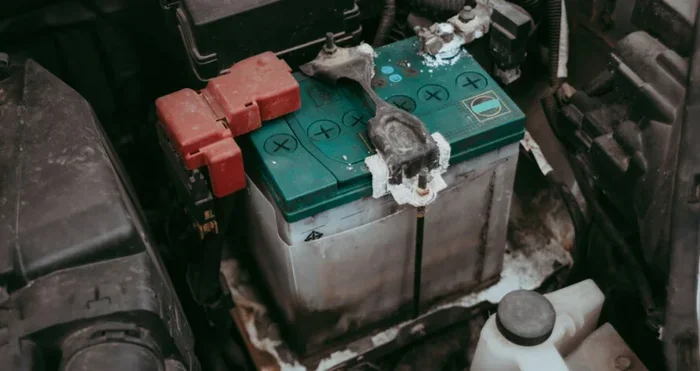
If you have fixed the problem and the light is still on, you can try resetting it. One way is to disconnect your car battery. This clears the codes stored in the computer. Here is how to do it safely.
- Turn off your engine and all accessories.
- Open the hood and locate the battery.
- Use a wrench to loosen the negative terminal first. Always remove the negative cable first for safety.
- Wait at least 15 minutes. This gives the computer time to fully reset.
- Reconnect the negative terminal and tighten it securely.
- Start the car and check if the light is off.
Be careful when disconnecting the battery. You may lose your radio presets and clock settings. Some cars also need to relearn certain settings after a battery disconnect. This method works well for minor issues that have already been resolved.
Method 3: Use an OBD-II Scanner to Clear Codes
A faster way to reset the light is to use an OBD-II scanner to clear the codes. Plug the scanner into your OBD-II port. Follow the on-screen instructions to erase the stored codes. Once the codes are cleared, the light should turn off.
However, there is a catch. If the underlying problem has not been fixed, the light will come back. The computer will detect the issue again during the next drive cycle. This is why fixing the root cause is so important. You can also manually clear your car codes with the right tools and a bit of know-how.
Method 4: Let the Light Go Off on Its Own
Sometimes the light goes off by itself. This happens when the issue was minor and temporary. For example, if you ran out of gas and then refilled, the light might stay on for a while. After a few normal trips, it usually turns off.
You can also check if a check engine light can go off by itself to understand when self-resolution happens. But do not count on this. If the light stays on for more than a few days, take action.
Method 5: Visit a Mechanic for a Professional Reset
If you cannot figure out the problem, take your car to a mechanic. A professional has advanced diagnostic tools. They can read codes more accurately and fix the issue properly. After the repair, they will clear the codes and reset the light for you.
Many quick-lube shops and dealerships offer free code reads. You can get the codes checked without committing to a repair at that location. This is a great first step if you are unsure where to start.
When to See a Professional
Not every service engine soon light situation is a DIY job. Some issues require professional attention. Knowing when to see a mechanic can save you time and prevent further damage.
You should see a professional right away if the light is flashing. A flashing light usually means a severe engine misfire. Driving with a misfire can damage your catalytic converter. This repair can cost over $1,000. You do not want to let it get that far.
You should also see a mechanic if you notice other symptoms along with the light. These include:
- Rough idling or stalling
- Loss of power or acceleration
- Unusual noises from the engine
- Smoke or strange smells from the exhaust
- Poor fuel economy that has gotten worse quickly
- Difficulty starting the car
If you experience any of these, do not keep driving the car. Have it towed to a shop if necessary. Driving with a serious engine problem can make the damage worse and the repair more expensive.
It is also a good idea to see a mechanic if you have tried clearing the light and it comes back within a day or two. This means there is a persistent problem that needs proper diagnosis. A mechanic can run a full vehicle diagnostic test and pinpoint the exact issue.
Preventing the Service Engine Soon Light from Coming Back
Once you have the light off, you want to keep it off. Prevention is the best strategy. A little regular maintenance goes a long way toward avoiding future warning lights.
Stick to Your Maintenance Schedule
Follow your vehicle manufacturer’s maintenance schedule. This includes regular oil changes, spark plug replacements, and air filter changes. Skipping maintenance is one of the top reasons the service engine soon light keeps coming back. A well-maintained car runs smoothly and reliably.
Use Quality Fuel and Parts
Fill up at reputable gas stations. Low-quality fuel can cause sensor issues and performance problems. When replacing parts like spark plugs or oxygen sensors, use quality replacements. Cheap parts may save money upfront but can cause problems down the road.
Pay Attention to Early Warning Signs
Your car usually gives you clues before a warning light comes on. Listen for unusual sounds. Notice any changes in performance. If your car starts running rough or your fuel economy drops, get it checked. Catching small problems early prevents the light from coming on.
Keep Your Gas Cap Tight
This simple habit prevents one of the most common causes of the service engine soon light. Always make sure your gas cap is tight after filling up. If your gas cap is old or cracked, replace it. It is one of the cheapest and easiest maintenance tasks you can do.
Common Mistakes People Make When the Light Comes On
There are some mistakes that many drivers make when the service engine soon light appears. Avoiding these can save you time, money, and stress.
- Ignoring the light: This is the biggest mistake. Even if the car seems to run fine, the issue could be getting worse.
- Clearing the light without fixing the problem: This just masks the issue. The light will come back, and you will have wasted time.
- Guessing at the repair: Do not assume you know what is wrong. Always read the codes first and understand what they mean.
- Using cheap parts: Low-quality replacement parts can cause the same problem again or create new issues.
- Driving too long with the light on: Some problems get worse the longer you drive. A small issue can become a big expense.
Expert Insights on the Service Engine Soon Light
Experienced mechanics agree on a few key points about the service engine soon light. First, do not panic. Most causes are minor and fixable. Second, do not delay. The longer you wait, the more potential damage can occur. Third, invest in an OBD-II scanner. It is one of the most useful tools a car owner can have.
Many modern vehicles have extended service intervals. This means some maintenance tasks are less frequent than they used to be. But the onboard diagnostics system is always watching. It will let you know when something needs attention. Trust the system. It is designed to protect your engine and your wallet.
If you are unsure about a code or a repair, ask a professional. A good mechanic will walk you through the diagnosis. They will explain what needs to be fixed and why. Do not be afraid to ask questions. Understanding your car builds confidence and saves money in the long run.
Final Thoughts
The service engine soon light does not have to be scary. In most cases, it is a signal for something that is fixable. Whether it is a loose gas cap or a sensor that needs replacing, you have options. You can diagnose the problem yourself with an OBD-II scanner. You can often clear the light and resolve the issue without visiting a mechanic.
Remember to always fix the root cause before clearing the codes. A temporary reset is not a real solution. And know when to seek professional help. Flashing lights and serious symptoms mean it is time to see a mechanic.
With the knowledge in this guide, you are now equipped to handle the service engine soon light with confidence. The next time that little icon lights up on your dashboard, you will know exactly what to do. Stay calm, diagnose the problem, and take the right steps to get back on the road safely.
Frequently Asked Questions
Can I drive my car with the service engine soon light on?
In most cases, yes. If the light is solid and your car is running normally, you can usually drive a short distance. However, you should get the car checked as soon as possible. If the light is flashing, reduce your speed and avoid heavy acceleration. A flashing light often indicates a serious issue that can cause further damage if you keep driving.
How much does it cost to fix the service engine soon light?
The cost varies widely depending on the cause. A loose gas cap fix costs just a few dollars. An oxygen sensor replacement might run $100 to $300. A catalytic converter repair can cost over $1,000. The best way to know the cost is to get the diagnostic codes read first. This tells you exactly what needs to be fixed.
Will the service engine soon light reset itself?
Yes, sometimes. If the issue was minor and temporary, the light may turn off after a few drive cycles. However, if the underlying problem persists, the light will come back. You can also manually reset it by clearing the codes with an OBD-II scanner or by disconnecting the battery. But again, make sure the root cause is fixed first.
What is the difference between the service engine soon light and the check engine light?
They are essentially the same thing. Different car manufacturers use different terms. Chevrolet and GMC vehicles often use “Service Engine Soon.” Toyota, Honda, and Ford typically use “Check Engine.” Both lights are part of the same onboard diagnostics system and serve the same purpose. They both alert you to a problem detected by your car’s computer.
Can a bad gas cap cause the service engine soon light to come on?
Yes, absolutely. A loose, cracked, or missing gas cap is the most common cause of the service engine soon light. The gas cap seals the fuel system and prevents vapor leaks. When the seal is broken, the car’s computer detects an evaporative emissions leak and turns on the warning light. Tightening or replacing the cap usually solves the problem quickly.
How long does it take for the service engine soon light to go off after a repair?
After a repair, the light usually goes off after three to five drive cycles. A drive cycle means driving the car normally for 10 to 20 miles. Some cars reset faster than others. If the light is still on after a week of normal driving, you may need to use an OBD-II scanner to manually clear the codes. If it persists after that, there may be another issue that needs attention.