What to Do When Your Car Overheats and Breaks Down
Knowing what to do when your car overheats can save your engine and your wallet. This guide walks you through every step — from spotting early warning signs to handling a full breakdown on the road. You’ll learn simple checks, smart prevention habits, and when it is time to call a professional.
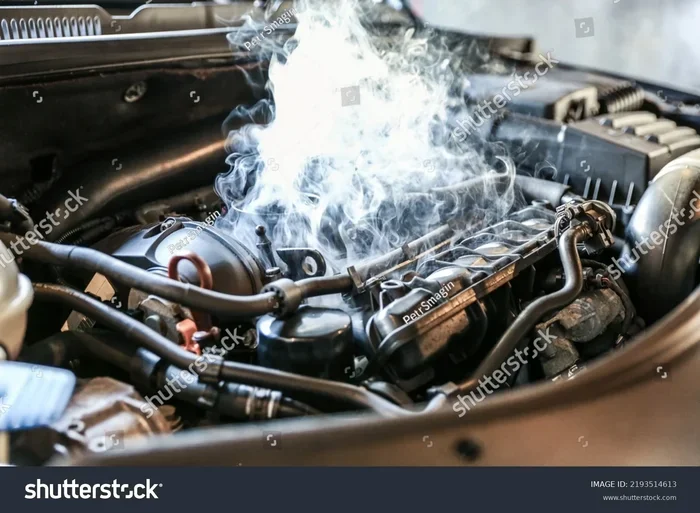
You are driving down the road, minding your own business, when suddenly you see a wisp of white steam curling up from under your hood. Your heart drops. Your car is overheating. It happens to millions of drivers every year, and it can turn a perfectly good day into a stressful nightmare. But here is the good news — most overheating situations are manageable if you know what to do.
Whether you are stuck in traffic on a hot summer day or cruising down a rural highway, understanding how to handle an overheating car can make all the difference. This guide covers everything you need to know. You will learn the warning signs, the immediate steps to take, common causes, and how to prevent it from happening again. Let us get into it.
Key Takeaways
- Pull over safely and turn off the engine immediately — this is the single most important step to prevent engine damage.
- Check your coolant level and radiator cap carefully — low coolant is the most common cause of overheating.
- Never open the radiator cap while the engine is hot — serious burns can result from pressurized steam.
- Know the warning signs early — a rising temperature gauge or steam from the hood means act fast.
- Regular car maintenance prevents most overheating problems — flush your coolant and inspect hoses routinely.
- Keep an emergency kit in your car — water, coolant, and basic tools can help you handle minor issues on the spot.
📑 Table of Contents
- What Causes a Car to Overheat
- Warning Signs Your Car Is About to Overheat
- What to Do When Your Car Overheats: Step by Step
- When to Call for Help vs. When You Can Fix It Yourself
- How to Prevent Your Car From Overheating
- Common Mistakes People Make When Their Car Overheats
- What to Do After the Overheating Incident
- What to Keep in Your Car for Overheating Emergencies
- Conclusion
What Causes a Car to Overheat
Before you can fix a problem, you need to understand what caused it. Cars have a complex cooling system that keeps the engine at the right temperature. When something goes wrong in that system, heat builds up fast. Here are the most common reasons your car might be overheating.
Low Coolant Levels
Coolant, also called antifreeze, is the lifeblood of your car’s cooling system. It flows through the engine and absorbs heat. When the level drops too low, the engine cannot cool itself properly. Coolant leaks are the number one culprit behind engine overheating. Leaks can happen in the radiator, hoses, water pump, or even the heater core.
Faulty Thermostat
Your thermostat regulates the flow of coolant through the engine. It opens and closes to keep the temperature in the right range. When a thermostat gets stuck closed, coolant cannot circulate. The engine heats up quickly, and you are in trouble. This is a simple and inexpensive fix, but ignoring it can lead to serious engine damage.
Broken Radiator Fan
The radiator fan pulls air through the radiator to cool the coolant down. If the fan motor fails or the fan blades break, your car cannot lose heat efficiently. This is especially common in stop-and-go traffic when there is no natural airflow from driving. A dead fan is a common reason cars break down on hot days.
Water Pump Failure
The water pump pushes coolant through the entire cooling system. Think of it as the heart of the system. When it fails, coolant stops moving, and heat builds up fast. Water pump failure can result from wear and tear over time or from a contaminated coolant mixture.
Clogged Radiator
Over the years, dirt, rust, and debris can build up inside the radiator. This blocks the flow of coolant and reduces its ability to release heat. An old radiator that has not been flushed in a long time is a prime candidate for clogging.
Warning Signs Your Car Is About to Overheat
The good news is that cars usually give you plenty of warning before a full car overheating emergency. The key is knowing what to look for. Here are the most common overheating warning signs every driver should recognize.
- Temperature gauge climbing into the red zone — your dashboard temperature gauge is your first line of defense. If it starts moving toward the hot side, pay attention immediately.
- Steam or smoke coming from under the hood — this is the most obvious and alarming sign. If you see steam, pull over right away.
- Strange smells from the engine bay — a sweet smell might mean a coolant leak. A burning smell could indicate oil or rubber getting too hot.
- Coolant puddles under your car — if you see green, orange, or pink fluid pooling where you parked, you likely have a leak.
- Sluggish engine performance — an overheating engine often loses power or runs rough before it fully overheats.
What to Do When Your Car Overheats: Step by Step
This is the part you came here for. If your car is overheating right now, stay calm. Follow these steps in order, and you will protect yourself and your vehicle.
Step 1: Pull Over Safely
The moment you notice the temperature gauge climbing or steam appearing, find a safe place to pull over. Turn on your hazard lights. Get off the road completely if possible. Do not try to drive to your destination — even a few more minutes of driving with an overheating engine can cause catastrophic damage.
Step 2: Turn Off the Engine
Once you are safely stopped, turn off the engine. This stops the heat generation and gives the system a chance to cool down. Do not turn the heater on full blast — that might feel tempting, but it adds heat to the engine and can make things worse.
Step 3: Wait and Do Not Open the Hood Immediately
Give the engine at least 15 to 20 minutes to cool down. The radiator and hoses are under pressure and filled with extremely hot coolant. Opening the hood too soon can result in burns from steam or hot liquid spraying out. Keep your distance and let things cool.
Step 4: Check the Coolant Level
Once the engine is cool, carefully open the hood. Locate the coolant reservoir — it is usually a translucent plastic tank near the radiator. Check the fluid level against the minimum and maximum marks. If it is low, you can add a mix of coolant and distilled water. Never open the radiator cap while the system is still hot.
Step 5: Look for Visible Leaks
While you are under the hood, look for any obvious leaks. Check the hoses, the radiator, and the area around the water pump. A wet or dripping spot often points you right to the problem. If you see a major leak, do not try to drive the car — call for roadside assistance.
Step 6: Restart Carefully and Monitor
If the coolant level was low and you have topped it off, you can try restarting the engine. Keep a close eye on the temperature gauge. If it starts climbing again, pull over immediately and call for help. Do not push your luck.
Quick Tips for Handling an Overheating Car
- Keep a bottle of water in your trunk — it can serve as an emergency coolant substitute in a pinch.
- Carry a flashlight — if your car overheats at night, you need to see under the hood safely.
- Know where your fuse box is — a blown fan fuse is an easy fix that many people overlook.
- Do not pour cold water directly onto a hot engine — the sudden temperature change can crack the engine block or warp the cylinder head.
When to Call for Help vs. When You Can Fix It Yourself
Not every overheating situation requires a tow truck. But some situations are too dangerous to handle on your own. Here is a simple way to decide.
| Situation | Action |
|---|---|
| Low coolant level with no visible major leak | Top off coolant and drive carefully to a mechanic |
| Steam coming from the hood but temperature stabilizes | Let it cool, check for leaks, and get it inspected soon |
| Temperature gauge stays in the red after adding coolant | Call a tow truck — do not keep driving |
| Coolant is leaking rapidly from a hose or radiator | Call roadside assistance immediately |
| Car overheats in the middle of nowhere | Stay with the car, call for help, and wait safely |
| White smoke and a sweet smell with no steam | Possible head gasket issue — call a mechanic right away |
The bottom line is this: if you are unsure, call for help. A tow truck is far cheaper than a new engine.
How to Prevent Your Car From Overheating
Prevention is always better than cure, and this is especially true when it comes to your car’s cooling system. A little regular car maintenance can save you from a lot of headaches. Here is what you should do.
Check Your Coolant Regularly
Make it a habit to check your coolant level once a month. Look for the right color — it should be bright green, orange, or pink depending on the type. If it looks rusty or brown, it is time for a flush. Also, check for any puddles under your car when you park.
Inspect Hoses and Belts
Your radiator hoses and drive belts take a lot of abuse. Over time, they can crack, swell, or develop weak spots. Give them a visual inspection every few months. If they feel brittle or look worn, replace them before they fail. A broken hose on the highway is one of the most common reasons for sudden car breakdowns.
Flush the Cooling System on Schedule
Most manufacturers recommend flushing the cooling system every 30,000 to 50,000 miles. Old coolant loses its effectiveness over time and can become acidic, which damages internal components. Staying on top of this simple service goes a long way in preventing engine overheating.
Keep Your Radiator Clean
Debris like leaves, bugs, and dirt can block airflow through the radiator. Periodically hose down the front of the radiator to keep it clear. This is especially important if you drive on dirt roads or through areas with a lot of bugs.
Monitor Your Temperature Gauge While Driving
Get into the habit of glancing at your temperature gauge every few minutes. Most of the time it stays in the middle, and that is normal. But if you notice it creeping up, you can catch a problem early before it turns into a full car overheating emergency.
Common Mistakes People Make When Their Car Overheats
Even well-meaning drivers make mistakes when faced with an overheating car. Here are the most common ones to avoid.
Mistake 1: Continuing to drive. Some people try to push through and make it to the next exit. This is the worst thing you can do. Even a few extra minutes of driving with an overheating engine can warp the cylinder head, blow the head gasket, or crack the engine block. The repair costs for these problems can easily run into thousands of dollars.
Mistake 2: Opening the radiator cap too soon. The cooling system is pressurized when hot. If you pop the cap before it cools, hot coolant can spray out and cause severe burns. Always wait at least 15 to 20 minutes after turning off the engine.
Mistake 3: Pouring cold water into a hot engine. This might seem like a quick fix, but the thermal shock can crack the engine block or damage the cylinder head. Use room-temperature water or wait for the engine to cool.
Mistake 4: Ignoring the problem. Some drivers notice the temperature gauge climbing and just ignore it, hoping it will go away. It will not. An overheating engine will only get worse, and the damage gets more expensive the longer you wait.
Expert Insight: What Mechanics Wish You Knew
Experienced mechanics will tell you that most overheating problems start small. A tiny coolant leak, a slightly stuck thermostat, or a radiator fan that is just beginning to fail. If you address these minor issues early, you can avoid a complete car overheating and breakdown situation. The best advice from seasoned professionals is simple: do not ignore your temperature gauge. It is there for a reason.
What to Do After the Overheating Incident
Once you have dealt with the immediate crisis, there are a few important follow-up steps. These will help you get back on the road safely and prevent the same problem from happening again.
- Have a mechanic inspect the cooling system — even if the problem seemed minor, a professional should check for hidden leaks, worn parts, and system pressure.
- Check for engine damage — signs of engine damage include white exhaust smoke, coolant mixing with oil, or a rough idle. These could indicate a blown head gasket.
- Replace your coolant with the right type — not all coolants are the same. Check your owner’s manual for the correct type and mixture.
- Keep records of the incident — write down what happened, when, and what you did. This information is valuable if you need to make a warranty claim or discuss repairs with a mechanic.
Taking these steps after an overheating episode shows that you care about your vehicle’s long-term health. It also helps you avoid the same stressful situation on the side of the road again.
What to Keep in Your Car for Overheating Emergencies
Being prepared makes all the difference when your car overheats and breaks down. Here is a short list of items every driver should keep in their vehicle during the warmer months.
- Extra coolant or distilled water
- A small flashlight or headlamp
- Work gloves to protect your hands
- A basic toolkit with pliers and screwdrivers
- A bottle of water for yourself
- A phone charger or portable battery pack
- The phone number for your roadside assistance provider
These items take up very little space, but they can turn a scary situation into a manageable one. A small car emergency kit is one of the smartest investments you can make as a driver.
Conclusion
Dealing with a car overheating and breaking down is stressful, but it does not have to be a disaster. If you know the warning signs, follow the right steps, and stay calm, you can protect your engine and get back on the road safely. Remember to pull over, turn off the engine, and never rush into opening the hood while things are still hot. Regular car maintenance — checking your coolant, inspecting hoses, and flushing the system on schedule — will prevent most overheating problems before they start.
Keep this guide bookmarked or saved on your phone. You never know when it might come in handy. And if you ever find yourself stuck on the side of the road with a smoking hood, just take a deep breath and follow the steps outlined here. You have got this. Stay safe, stay prepared, and keep your engine running cool.
Frequently Asked Questions
Can I keep driving my car if the temperature gauge is in the red?
No. Driving with the temperature gauge in the red zone can cause serious and expensive engine damage. Pull over safely, turn off the engine, and let it cool down before taking any further action.
How long should I wait before opening the hood after my car overheats?
Wait at least 15 to 20 minutes after turning off the engine. The cooling system is under pressure and extremely hot, and opening it too soon can cause burns from steam or hot coolant spraying out.
Is it safe to add water to my radiator if I am out of coolant?
In an emergency, plain water is better than nothing. However, water does not protect against freezing or boiling as well as coolant does. Use distilled water if possible, and get proper coolant added as soon as you can.
What should I do if my car overheats on the highway?
Turn on your hazard lights, move to the right lane or shoulder, and pull over safely. Turn off the engine and wait for it to cool. If you cannot get to the shoulder, stay in the car with your seatbelt on and call for help.
Can low oil cause a car to overheat?
Yes. Engine oil helps lubricate and cool internal components. When oil levels are too low, friction increases and heat builds up. Always check your oil level regularly as part of routine car maintenance.
How much does it cost to fix an overheating car?
The cost varies widely depending on the cause. A simple coolant top-off or thermostat replacement might cost under $100, while a blown head gasket or cracked engine block can run into thousands of dollars. The sooner you address overheating, the less it will cost.