What Is the Bank Code for System Too Lean at Idle
The bank code for system too lean at idle is a diagnostic trouble code that alerts you your engine is running with too much air and not enough fuel while stationary. The most common codes are P0171 for Bank 1 and P0174 for Bank 2, both pointing to a lean fuel condition that can damage your engine over time. Understanding these codes helps you take quick action before minor issues become expensive repairs.
This is a comprehensive guide about What Is the Bank Code for System Too Lean at Idle.
Key Takeaways
- Bank 1 and Bank 2 refer to sides of the engine: Bank 1 contains cylinder 1, while Bank 2 is the opposite side.
- The P0171 and P0174 codes are the most common lean-at-idle codes: They tell you the fuel mixture is too thin on a specific bank.
- Vacuum leaks are the #1 cause: Unmetered air sneaking into the engine is the most frequent reason for a lean condition at idle.
- Dirty or failing sensors can trigger the code: The mass airflow sensor, oxygen sensor, and MAP sensor all play a role in fuel mixture balance.
- You can often fix this yourself: Many causes like vacuum leaks, dirty sensors, and clogged fuel filters are DIY-friendly repairs.
- Ignoring the code can lead to serious engine damage: Running lean at idle can cause overheating, misfires, and catalytic converter failure.
- Fuel quality matters: Bad gas or low fuel pressure from a weak pump can also cause a lean condition at idle.
[FEATURED_IMAGE_PLACEHOLDER]
You are driving down the road, and suddenly your check engine light pops on. You plug in a scanner and see a code that reads something like P0171 or P0174, and the description says “System Too Lean at Idle.” If you have ever seen this and thought, “What does that even mean?” — you are not alone. This is one of the most common OBD2 trouble codes that drivers encounter, and it can leave even experienced car owners scratching their heads.
Here is the good news. A bank code for system too lean at idle is not always a sign of a catastrophic engine failure. In most cases, it points to a fixable issue that you can handle with basic tools and a little patience. Whether you are a weekend wrench-turner or someone who just wants to understand what the mechanic is talking about, this guide will walk you through everything you need to know.
We will break down what these codes actually mean, why they happen, what causes them, and exactly how to diagnose and fix the problem. By the end of this article, you will have a clear picture of what is going on inside your engine and what steps to take next. Let us get into it.
What Does “System Too Lean at Idle” Actually Mean?
Before we dive into the bank code for system too lean at idle, let us first understand what “too lean” really means in plain English. Your engine runs on a precise mixture of fuel and air. Engineers call this the air-fuel ratio, and the ideal ratio for most gasoline engines is about 14.7 parts air to 1 part fuel. This is known as the stoichiometric ratio.
When your engine runs “lean,” it means there is too much air and not enough fuel in that mixture. Think of it like baking a cake with too much flour and not enough water. The result is not going to be right. Similarly, when your engine runs lean at idle, it does not get the smooth, consistent combustion it needs to run properly while the car is stationary.
At idle, your engine is already working with limited airflow. The engine control unit, also called the ECU or PCM, carefully manages the fuel delivery to keep things running smoothly. When the system detects that the mixture is too lean — meaning the oxygen sensors are reading more oxygen than expected — it triggers a diagnostic trouble code. This is your car’s way of saying, “Hey, something is off with the fuel mixture, and I need your attention.”
The term “at idle” specifically means the engine is running while the vehicle is not moving. This is when the engine is most vulnerable to mixture problems because it is operating at low RPMs with minimal margin for error. A lean condition at idle can cause rough running, stalling, or even damage to internal components if left unresolved.
Bank 1 vs. Bank 2: What Is the Difference?
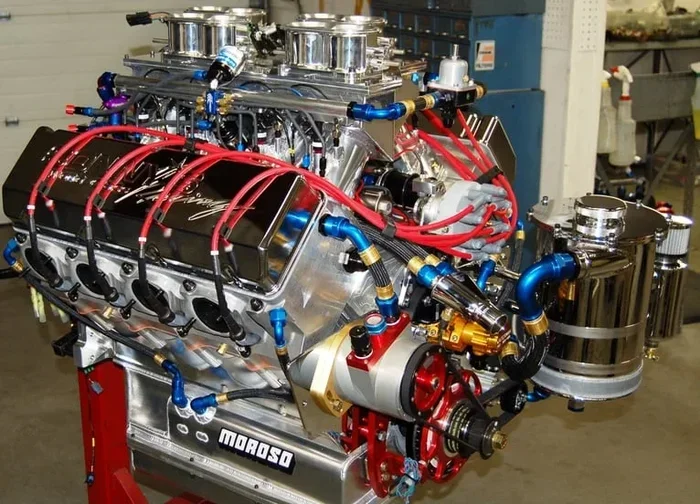
Now let us talk about banks. In a inline-four or V6 engine, the cylinders are split into two groups called Bank 1 and Bank 2. Bank 1 always contains the number one cylinder, which is the first cylinder in the firing order. Bank 2 is the other side of the engine.
When your scanner shows a code like P0171, it means Bank 1 is running too lean. When it shows P0174, Bank 2 is the one with the lean condition. This distinction matters because it helps you narrow down which side of the engine has the problem. In a four-cylinder engine, there is only one bank, so a P0171 code applies to the entire engine. In V-shaped engines with six or eight cylinders, knowing which bank is affected can save you a lot of guesswork.
Common OBD2 Codes for Lean Condition at Idle
The bank code for system too lean at idle comes in a few specific flavors. Each code points to a particular bank or a general issue. Here are the codes you are most likely to encounter:
- P0171 — System Too Lean (Bank 1): This is the most common lean code. It tells you the fuel mixture on Bank 1 is too thin. You will see this on most four-cylinder engines since they only have one bank.
- P0174 — System Too Lean (Bank 2): This code appears on V6 and V8 engines when Bank 2 is running lean. It means the same thing as P0171 but on the opposite side of the engine.
- P0170 — Fuel Trim Malfunction (Bank 1): This is related but focuses on the fuel trim values rather than a direct lean condition. It often precedes P0171.
- P0175 — System Too Rich (Bank 2): While not a lean code, this is the opposite problem and sometimes appears alongside lean codes during diagnosis.
Each of these codes gives your OBD2 scanner a specific piece of information. The key is understanding what the code is telling you and then using that information to dig deeper into the root cause. A code alone does not tell you what is broken — it tells you where to look.
Top Causes of a Lean Condition at Idle
So what actually causes your engine to run too lean at idle? There are several common culprits, and some are much more frequent than others. Let us go through them one by one so you know what to check first.
1. Vacuum Leaks
Vacuum leaks are the number one cause of a lean condition at idle. Your engine relies on a sealed intake system to measure the exact amount of air entering the combustion chamber. When there is a crack or a loose connection somewhere in the vacuum system, extra air sneaks in without being measured by the mass airflow sensor or the MAP sensor.
This unmetered air dilutes the fuel mixture, making it lean. Common places where vacuum leaks occur include:
- Cracked or brittle vacuum hoses
- A loose or damaged intake manifold gasket
- A faulty brake booster diaphragm
- Cracked PCV valve hose
- Loose or damaged throttle body gasket
Vacuum leaks are often easy to find with a simple smoke test or by spraying carburetor cleaner around the intake manifold and hoses while the engine is idling. If the RPMs change when you spray a certain area, you have found your leak.
2. Dirty or Failing Mass Airflow Sensor
The mass airflow sensor, or MAF sensor, measures the amount of air flowing into the engine. The ECU uses this data to calculate how much fuel to inject. When the MAF sensor gets dirty or fails, it sends incorrect readings to the ECU, which can result in too little fuel being delivered.
A dirty MAF sensor is often caused by a clogged air filter or oil contamination from aftermarket air filters. Cleaning the sensor with a dedicated MAF cleaner spray can often restore proper function. If cleaning does not help, the sensor may need to be replaced.
3. Faulty Oxygen Sensors
The oxygen sensors, also called O2 sensors, monitor the amount of oxygen in your exhaust gases. They send this data back to the ECU so it can adjust the fuel mixture in real time. When an O2 sensor goes bad, it can send incorrect lean readings even when the mixture is actually correct.
O2 sensors wear out over time, especially in vehicles with higher mileage. Replacing a faulty oxygen sensor is usually straightforward and relatively inexpensive compared to the damage a bad sensor can cause if left unchecked.
4. Low Fuel Pressure
If your fuel pump is weak or your fuel filter is clogged, not enough fuel may be reaching the engine. This creates a lean condition because the injectors cannot deliver the proper amount of fuel even when they are working correctly.
You can test fuel pressure with a gauge connected to the fuel rail. Compare your readings to the manufacturer specifications for your vehicle. If the pressure is too low, check the fuel filter first, as it is the cheapest and easiest component to replace. If the filter is fine, the fuel pump may need attention.
5. Intake Manifold Gasket Leak
The intake manifold gasket seals the intake manifold to the engine block. Over time, this gasket can deteriorate and develop leaks. When it does, unmetered air enters the engine through the gap, causing a lean condition.
Intake manifold gasket leaks are more common in older vehicles or those with higher mileage. They can be tricky to diagnose because the leak is internal and not always visible. A smoke test or a careful inspection of the intake manifold area is usually needed.
6. EGR Valve Malfunction
The exhaust gas recirculation valve, or EGR valve, recirculates a portion of exhaust gas back into the intake manifold to reduce emissions. When the EGR valve gets stuck open, it allows too much exhaust gas into the intake, which can lean out the fuel mixture, especially at idle.
A stuck-open EGR valve is a relatively common issue on many vehicle models. Cleaning the EGR valve or replacing it if it is faulty can resolve the lean code and improve idle quality.
How to Diagnose a Lean Code at Idle
Diagnosing a bank code for system too lean at idle is a systematic process. You do not want to start replacing parts randomly. Here is a step-by-step approach that most experienced mechanics follow.
Step 1: Read the Codes and Freeze Frame Data
Start by plugging your OBD2 scanner into the diagnostic port, which is usually located under the dashboard on the driver side. Read all stored codes and note the freeze frame data. The freeze frame captures the engine conditions at the exact moment the code was set, including RPM, load, temperature, and fuel trim values.
This data is incredibly valuable because it tells you exactly what the engine was doing when the problem occurred. If the freeze frame shows a lean condition at idle, you know you are on the right track.
Step 2: Check for Vacuum Leaks
Since vacuum leaks are the most common cause, this should be your first physical inspection. Look at all vacuum hoses for cracks, dry rot, or loose connections. Pay special attention to the hose that connects the intake manifold to the brake booster and the PCV valve hose.
If you do not see anything obvious, try the carburetor cleaner spray test. With the engine idling, carefully spray small amounts of carburetor cleaner around the intake manifold, vacuum hoses, and throttle body. If the idle RPM changes when you spray a specific area, you have found your leak.
Step 3: Inspect the MAF Sensor
Remove the MAF sensor and inspect it visually. If it looks dirty or has a film on the sensing element, clean it with a proper MAF sensor cleaner. Do not touch the sensing wires or elements with your fingers. After cleaning, reinstall the sensor and clear the codes to see if the problem returns.
Step 4: Check Fuel Pressure
Attach a fuel pressure gauge to the fuel rail and start the engine. Compare the pressure to your vehicle’s specifications. If the pressure is low, check the fuel filter first. If the filter is clean, the issue may be the fuel pump or the fuel pressure regulator.
Step 5: Examine the Oxygen Sensors
Use your scanner to look at the live data from the oxygen sensors. A healthy O2 sensor should fluctuate between rich and lean readings rapidly as the ECU adjusts the mixture. If the sensor is stuck on one side or responds very slowly, it is likely faulty and needs replacement.
Step 6: Check the EGR Valve
Inspect the EGR valve to see if it is stuck open. You can do this by removing the vacuum line and plugging it. If the idle improves after plugging the line, the EGR valve is likely the problem.
How to Fix a System Too Lean at Idle Code
Once you have identified the root cause, fixing a lean code is usually straightforward. Here are the most common fixes based on the diagnosis:
- Replace vacuum hoses: If you found a cracked or deteriorated hose, replace it with a new one of the same size and type. This is a five-minute fix that costs just a few dollars.
- Clean or replace the MAF sensor: A $10 can of MAF cleaner can often solve the problem. If cleaning does not work, a new MAF sensor typically costs between $50 and $200 depending on your vehicle.
- Replace the oxygen sensor: O2 sensors usually cost between $50 and $250 each, plus labor if you are not doing it yourself. Replacing a faulty sensor can immediately resolve the lean code.
- Replace the fuel filter: A clogged fuel filter is an easy and inexpensive fix. Most fuel filters cost between $15 and $40 and can be swapped out in under 30 minutes.
- Fix the intake manifold gasket: This repair is more involved and may require removing the intake manifold. Parts cost between $20 and $80, but labor can be longer depending on the engine design.
- Replace or clean the EGR valve: EGR valve replacement costs between $150 and $400 including parts and labor. Cleaning it with a dedicated EGR cleaner can sometimes avoid the need for replacement.
After completing any repair, always clear the codes with your scanner and take the car for a test drive. Monitor the live data to confirm the fuel trims have returned to normal range and the lean code has not returned.
Quick Tips for Preventing Lean Codes
Prevention is always better than cure. Here are some simple habits that can help you avoid a system too lean at idle code in the future:
- Change your air filter regularly: A clogged air filter can restrict airflow and cause the MAF sensor to read incorrectly. Check it every oil change.
- Use quality fuel: Cheap or contaminated fuel can cause all sorts of engine problems, including lean conditions. Try to stick with reputable gas stations.
- Inspect vacuum hoses during oil changes: A quick visual inspection of your engine bay can catch cracked hoses before they become a problem.
- Do not ignore the check engine light: The longer you drive with a lean code, the more damage it can cause. Address it promptly.
- Keep up with scheduled maintenance: Regular fuel system cleaning and sensor replacements can prevent many lean code issues before they start.
When Should You See a Professional Mechanic?
Many of the causes behind a bank code for system too lean at idle are DIY-friendly. But there are times when it makes sense to hand the job over to a professional. If you have checked for vacuum leaks, cleaned the MAF sensor, and inspected the fuel system but the code keeps coming back, it is time to call in the experts.
Internal engine problems like a blown head gasket can also cause a lean condition. If you notice coolant loss, white exhaust smoke, or overheating alongside the lean code, stop driving and get the vehicle towed to a shop. A head gasket leak can allow coolant to enter the combustion chamber, which creates a lean condition and can cause severe engine damage if ignored.
Similarly, if you are not comfortable using diagnostic tools or interpreting live data from your scanner, a professional mechanic can save you time and frustration. They have access to advanced diagnostic equipment and years of experience that can pinpoint the issue quickly.
Common Mistakes People Make When Diagnosing Lean Codes
Even experienced car owners can make mistakes when diagnosing a system too lean at idle code. Here are the most common ones to avoid:
- Replacing parts without proper diagnosis: Throwing oxygen sensors or MAF sensors at the problem without checking for vacuum leaks first is a waste of money.
- Ignoring fuel trim values: The short-term and long-term fuel trims on your scanner tell you a lot about what is happening. Ignoring this data means you are flying blind.
- Assuming one code means one problem: Sometimes a lean code is caused by multiple issues at once. A vacuum leak combined with a weak fuel pump, for example.
- Not clearing codes after repairs: Always clear the codes after fixing the problem and verify the repair with a test drive and live data monitoring.
- Using the wrong fuel pressure spec: Every vehicle has different fuel pressure requirements. Always check your service manual for the correct specifications.
Understanding Fuel Trim and Why It Matters
Fuel trim is one of the most important diagnostic tools when dealing with a lean code. The ECU constantly adjusts the fuel delivery based on feedback from the oxygen sensors. Short-term fuel trim makes rapid adjustments, while long-term fuel trim stores the cumulative corrections over time.
When your engine is running lean, the ECU tries to compensate by adding more fuel. This shows up as a positive fuel trim value. If you see fuel trim values consistently above 10%, that is a strong indicator of a lean condition that needs attention. Values above 20% usually mean there is a significant problem that will trigger a code like P0171 or P0174.
Monitoring fuel trim is one of the best ways to catch a lean condition early, even before the check engine light comes on. If you have a scanner that supports live data monitoring, make it a habit to check your fuel trims periodically.
Can a Lean Code Clear Itself?
Sometimes a system too lean at idle code will clear itself if the root cause was temporary. For example, if a vacuum hose was briefly disconnected and then reseated, the code might clear after a few drive cycles. However, this does not mean the problem is gone. The underlying issue that caused the lean condition is still there, and the code will likely return.
Even if the code clears, it is a good idea to investigate the root cause. A code that appears and disappears is often a warning sign of something that will become a bigger problem if not addressed.
Conclusion
The bank code for system too lean at idle is one of the most common diagnostic trouble codes you will encounter, but it is also one of the most manageable once you understand what it means. Whether the code is P0171 for Bank 1 or P0174 for Bank 2, the underlying message is the same: your engine needs more fuel relative to the air it is receiving.
Start your diagnosis with the most common causes — vacuum leaks, dirty MAF sensors, and low fuel pressure — and work your way through the checklist systematically. Most lean codes can be resolved with basic tools and a little patience. And remember, addressing the problem early saves you from more serious and expensive damage down the road.
Do not ignore that check engine light. Take the time to understand what your car is telling you, and you will keep your engine running strong for years to come.
FAQs About Bank Code for System Too Lean at Idle
Can I drive my car with a P0171 or P0174 code?
You can drive a short distance, but it is not recommended to drive far with a lean code. Running lean can cause overheating, misfires, and damage to the catalytic converter over time. Get the issue diagnosed and fixed as soon as possible.
How much does it cost to fix a system too lean at idle code?
The cost varies widely depending on the cause. A vacuum hose replacement might cost under $20, while a new MAF sensor could be $50 to $200. Fuel pump replacements can run $200 to $500 including labor. Always diagnose the root cause before committing to a repair.
Is a lean code the same as a rich code?
No. A lean code like P0171 means too much air and not enough fuel. A rich code like P0172 means too much fuel and not enough air. They are opposite problems with different causes and different fixes.
Can bad gas cause a system too lean at idle code?
Yes. Low-quality or contaminated fuel can cause inconsistent fuel delivery, leading to a lean condition. If you recently filled up and the lean code appeared, try adding a tank of quality fuel and see if the code clears.
Will a dirty air filter cause a lean code?
A dirty air filter usually causes a rich condition by restricting airflow, but in some cases it can cause the MAF sensor to read inaccurately, leading to incorrect fuel delivery and potentially a lean condition.
How many drive cycles does it take for a lean code to clear?
Most OBD2 systems require three to five consecutive drive cycles without the problem reoccurring before the code clears automatically. If the underlying issue is not fixed, the code will return each time.
Frequently Asked Questions
What is What Is the Bank Code for System Too Lean at Idle?
What Is the Bank Code for System Too Lean at Idle is an important topic with many practical applications.