What Is the Lifespan of a Car Engine and How to Extend It
The lifespan of a car engine depends on maintenance, driving habits, and engine type. Most modern engines last between 150,000 and 300,000 miles with proper care. Regular oil changes, cooling system upkeep, and timely repairs are the simplest ways to push your engine well beyond average expectations.
Your car engine is the heart of your vehicle. It works hard every single day to get you from point A to point B. So it makes sense to wonder: what is the lifespan of a car engine, and how can you make yours last longer?
The truth is, there is no single answer. Some engines blow past 300,000 miles with basic care. Others fail at 80,000 miles due to neglect. The difference usually comes down to a few key factors that are entirely within your control. Understanding those factors can save you thousands of dollars in repairs or a full engine replacement.
In this guide, we will break down exactly how long car engines last, what shortens their life, and the simple maintenance habits that add years of reliable service. Whether you drive a brand-new sedan or a high-mileage truck, this article has practical advice you can use today.
Key Takeaways
- Average engine lifespan: Most car engines last 150,000 to 300,000 miles with proper care.
- Oil changes matter most: Regular oil changes are the single best thing you can do for engine longevity.
- Driving habits count: Gentle driving and avoiding extreme temperatures reduce engine wear significantly.
- Cooling system maintenance: Keeping your cooling system in top shape prevents overheating and costly damage.
- Know your engine type: Diesel engines often last longer than gasoline engines, but they have different maintenance needs.
- Timing belt awareness: Replacing your timing belt on schedule prevents catastrophic engine failure.
- Spot warning signs early: Unusual noises, reduced power, and check engine lights should never be ignored.
📑 Table of Contents
How Long Does a Car Engine Typically Last?
The average lifespan of a car engine varies widely. But most modern engines are designed to last somewhere between 150,000 and 300,000 miles. That is a big range, right? So what determines where your engine falls within it?
Gasoline vs. Diesel Engine Life Expectancy
Diesel engines tend to outlast gasoline engines. Why? Diesel fuel lubricates engine components better than gasoline does. This reduces wear on internal parts over time. Many diesel engines easily hit 400,000 or even 500,000 miles with proper maintenance.
On the other hand, gasoline engines are more common and generally less expensive to repair. 000 miles a lot for a diesel engine might be normal, but for a gas engine, that same number could signal serious trouble. Keep this in mind when comparing engine longevity across fuel types.
Average Mileage by Engine Type
Here is a quick look at what you can expect from different engine types:
- Standard gasoline engines: 150,000 to 250,000 miles
- Diesel engines: 300,000 to 500,000 miles
- Hybrid engines: 200,000+ miles (the electric motor reduces wear on the gas engine)
- Electric vehicle motors: 300,000+ miles (fewer moving parts means less wear)
These numbers are averages. Your engine might exceed them or fall short depending on how well you take care of it. Maintenance habits play a bigger role than engine type in most cases.
What Shortens Engine Lifespan?
Several common habits and conditions can eat away at your engine’s life faster than you might think. Let us look at the biggest culprits.
Neglecting Oil Changes
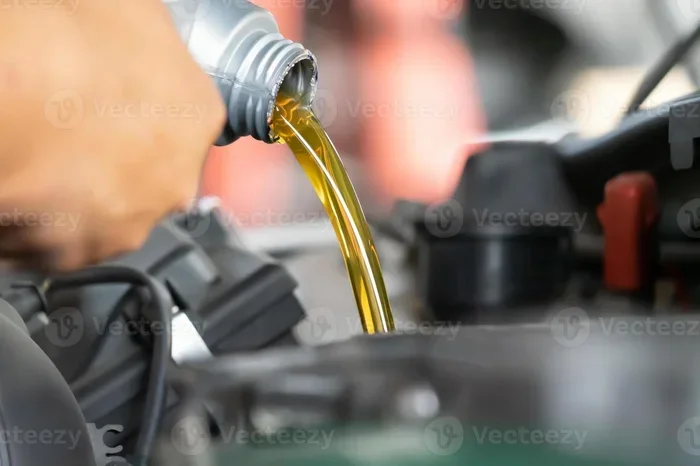
This is the number one killer of engines. Oil lubricates moving parts inside your engine. Over time, oil breaks down and loses its effectiveness. Dirty oil creates friction, which creates heat, which creates wear. Skipping oil changes is like running your engine without protection.
Most mechanics recommend changing your oil every 5,000 to 7,500 miles for conventional oil. Synthetic oil can go longer, sometimes up to 10,000 miles. Check your owner’s manual and stick to the recommended oil change schedule. It is one of the cheapest ways to protect your engine.
Overheating
Engines run hot. That is normal. But when temperatures spike beyond normal levels, serious damage can happen. Overheating can warp cylinder heads, blow head gaskets, and crack engine blocks.
Common causes of overheating include:
- Low coolant levels
- A broken thermostat
- Clogged radiator hoses
- A failing water pump
- Driving in extreme heat without proper cooling
If your temperature gauge rises into the red zone, pull over immediately. Continuing to drive an overheating engine can cause irreversible damage in just a few minutes.
Poor Driving Habits
How you drive affects your engine more than you might realize. Aggressive acceleration, redlining the RPMs, and slamming the brakes all put extra stress on engine components. Gentle, steady driving is much easier on your engine and can add years to its life.
Ignoring Warning Signs
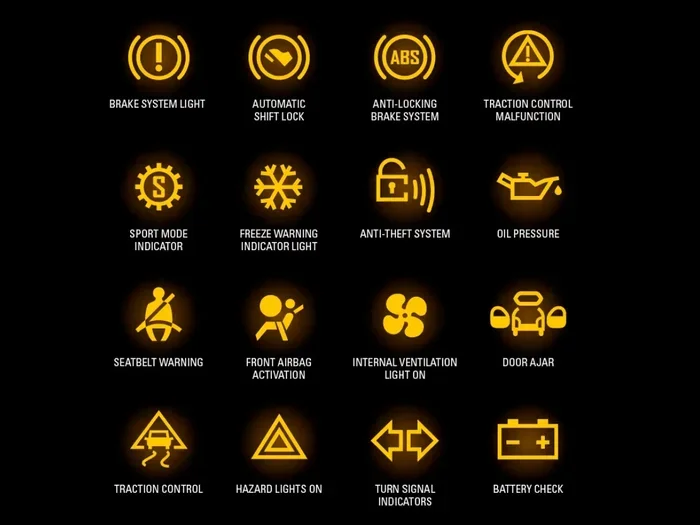
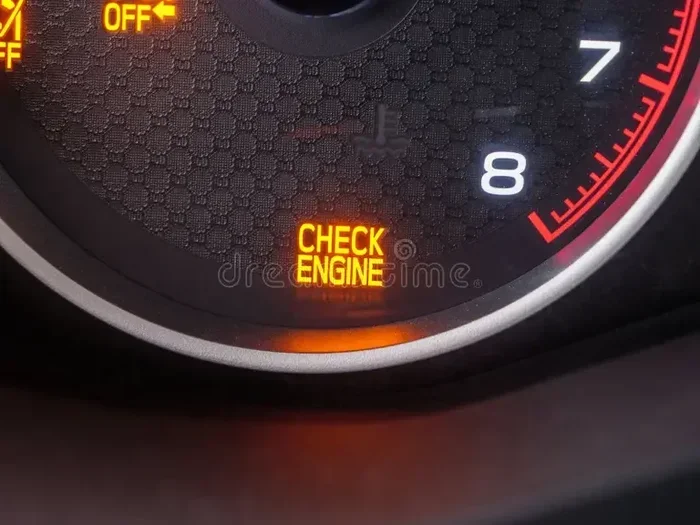
Your car talks to you. Strange noises, reduced power, unusual vibrations, and the check engine light are all signals something is wrong. Ignoring these signs lets small problems grow into big, expensive ones. If something feels off, get it checked out right away.
How to Extend the Lifespan of Your Car Engine
The good news is that extending your engine life is not complicated. It mostly comes down to consistency and paying attention. Here are the most effective steps you can take.
Stick to a Regular Maintenance Schedule
Your owner’s manual has a maintenance schedule for a reason. It tells you exactly when to service each component of your engine. Following this schedule ensures that worn parts get replaced before they cause bigger problems. Regular car service is the foundation of engine longevity.
Use Quality Fluids and Filters
Not all oil, coolant, and transmission fluid is created equal. Using high-quality fluids that meet your manufacturer’s specifications makes a real difference. Cheap fluids can break down faster and leave harmful deposits inside your engine.
Here are the key fluids to keep an eye on:
- Engine oil: The lifeblood of your engine. Change it regularly.
- Coolant: Prevents overheating and corrosion.
- Transmission fluid: Keeps your drivetrain smooth.
- Brake fluid: Ensures safe stopping power.
Replace Filters on Time
Your engine air filter, oil filter, and fuel filter all work to keep contaminants out of sensitive engine parts. Clogged filters restrict flow and force your engine to work harder. Replacing filters at the recommended intervals is a small cost that pays big dividends.
Add Oil When Needed
If your oil level drops between changes, top it off. Running low on oil is incredibly damaging. Can I add oil to my car if it is low? Absolutely yes. Just make sure you use the correct grade of oil for your engine. Check your owner’s manual or the oil cap under the hood for the right specification.
Let Your Engine Warm Up
Especially in cold weather, give your engine a minute or two to warm up before driving hard. Cold oil is thick and does not flow well. Letting it circulate properly reduces wear on startup. This simple habit can add significant mileage to your engine’s life.
Address Issues Promptly
Do not put off repairs. A small oil leak today can become a seized engine tomorrow. If you notice anything unusual, have a mechanic take a look. Catching problems early is always cheaper than fixing them after they cause major damage.
Common Engine Problems That Reduce Lifespan
Some engine problems are more common than others, and knowing what to watch for can help you stay ahead of serious damage.
Timing Belt Failure
The timing belt synchronizes your engine’s camshaft and crankshaft. If it breaks, the engine can suffer catastrophic damage. Most manufacturers recommend replacing the timing belt between 60,000 and 100,000 miles. Do not skip this replacement. The cost of a new timing belt is a fraction of what an engine repair would cost.
Worn Spark Plugs
Spark plugs ignite the fuel-air mixture in your engine’s combustion chambers. Worn spark plugs cause misfires, reduced fuel efficiency, and increased emissions. Replacing them is inexpensive and straightforward. Check your manual for the recommended replacement interval.
Clogged Fuel Injectors
Fuel injectors spray fuel into the engine in a fine mist. Over time, they can become clogged with deposits. This leads to poor fuel economy, rough idling, and reduced power. Using fuel system cleaner periodically can help keep injectors flowing smoothly.
Head Gasket Leaks
The head gasket seals the connection between the engine block and cylinder head. A blown head gasket is a serious and expensive problem. Signs include white smoke from the exhaust, coolant loss without visible leaks, and engine overheating. Addressing overheating issues quickly is the best prevention.
Can You Extend a High-Mileage Engine?
If your car already has high mileage, do not lose hope. Many engines with 200,000+ miles still run strong. The key is proactive maintenance and smart driving.
Switch to Synthetic Oil
Synthetic oil provides better protection than conventional oil, especially for high-mileage engines. It flows more smoothly at high temperatures and resists breakdown. Many mechanics recommend switching to synthetic oil once an engine crosses the 100,000-mile mark.
Monitor Your Engine Codes
Modern cars store diagnostic codes that can alert you to problems before they become serious. You do not always need a mechanic for this. You can run diagnostics without a check engine light using an OBD-II scanner. These affordable tools plug right into your car and give you real-time data on engine performance.
Checking codes regularly helps you catch small issues before they turn into expensive repairs. It is one of the best investments a high-mileage car owner can make.
Consider an Engine Rebuild
When an engine is worn out but the rest of the car is in good shape, a rebuild can be a smart choice. An engine rebuild replaces worn components like pistons, rings, and bearings. It essentially gives your engine a new lease on life. Engine replacement cost for a rebuild is typically much lower than buying a whole new engine.
How to Know When an Engine Is Nearing the End
Even with the best care, every engine eventually reaches the end of its useful life. Here are the signs that your engine may be on its way out:
- Excessive smoke from the exhaust: Blue smoke means oil is burning. White smoke can indicate a head gasket issue. Black smoke suggests too much fuel.
- Knocking or ticking sounds: These noises often mean internal components are wearing out.
- Significant loss of power: If your engine struggles to accelerate, internal parts may be failing.
- Frequent overheating: Repeated overheating episodes cause cumulative damage.
- Oil consumption increases: Needing to add oil frequently between changes is a red flag.
- Check engine light stays on: A persistent check engine light often points to serious engine issues.
If you notice several of these signs together, it is time to consult a trusted mechanic. They can perform a thorough inspection and advise you on whether to repair or replace the engine.
Final Thoughts on Engine Lifespan
The lifespan of a car engine is not just about luck or brand reputation. It is about what you do every day. Regular oil changes, quality fluids, timely repairs, and gentle driving habits all add up to thousands of extra miles. Your engine is a durable machine, but it needs your attention to perform at its best.
Do not wait for something to break. Take a proactive approach to engine maintenance and enjoy a reliable, long-lasting vehicle. The effort you put in today will pay off every time you turn the key.
Remember, whether you are maintaining a daily commuter or a long-distance road trip vehicle, the principles are the same. Keep your fluids clean, your filters fresh, and your driving smooth. A well-maintained engine can comfortably exceed 200,000 miles or more. Start applying these tips today, and your engine will thank you for years to come.
For more information on related topics, check out our articles on whether you can put any engine in any car and how to safely add oil when your levels are low. You might also find our guide on diesel engine mileage expectations helpful if you drive a diesel vehicle.
Frequently Asked Questions
How many miles should a car engine last?
Most modern car engines are designed to last between 150,000 and 300,000 miles. With excellent maintenance and gentle driving, many engines exceed 300,000 miles. Diesel engines often last even longer than gasoline engines.
What is the most important thing I can do to extend my engine’s life?
Regular oil changes are the single most important maintenance task for engine longevity. Clean oil reduces friction, prevents overheating, and removes harmful particles from your engine. Stick to the oil change schedule in your owner’s manual.
Can a high-mileage engine still be reliable?
Absolutely. Many cars with 200,000 or more miles run reliably when properly maintained. The key is staying on top of fluid changes, filter replacements, and addressing small issues before they become big problems.
Does driving style really affect engine lifespan?
Yes, it does. Aggressive driving, frequent hard acceleration, and redlining the RPMs all increase engine wear. Gentle, steady driving reduces stress on engine components and can significantly extend engine life.
How do I know if my engine needs to be rebuilt or replaced?
A mechanic can assess your engine by checking compression, inspecting for internal damage, and evaluating overall performance. If the engine block and other major components are still in good shape, a rebuild is often the more cost-effective option.
Is synthetic oil worth the extra cost for engine longevity?
Yes, synthetic oil provides superior protection compared to conventional oil. It flows better at low temperatures, resists breakdown at high temperatures, and keeps your engine cleaner. For most drivers, the extra cost is well worth the added protection.
=== CONCLUSION ===
The lifespan of a car engine is largely in your hands. By following a consistent maintenance routine and adopting smart driving habits, you can push your engine well beyond average expectations. Focus on the basics: change your oil, replace your filters, keep your cooling system healthy, and never ignore warning signs. Your engine will reward you with years of dependable service.