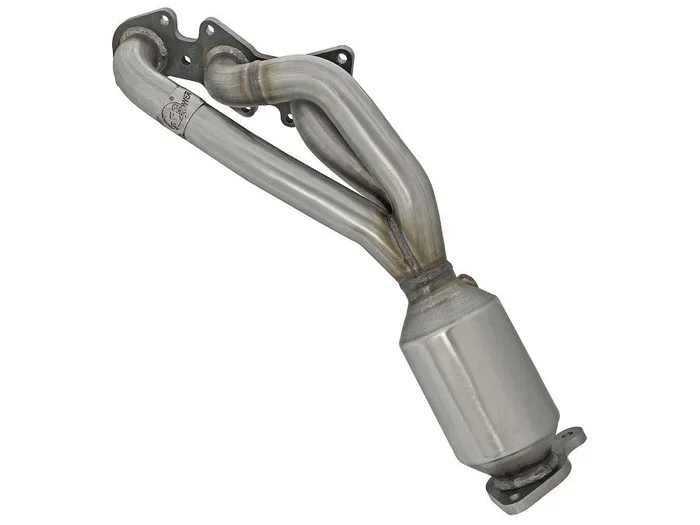
How Many Catalytic Converters Does a Toyota Tacoma Have
A Toyota Tacoma typically has two catalytic converters, one for each exhaust header. The exact number depends on your model year, engine type, and trim level. Knowing how many converters your Tacoma has helps with maintenance, emissions testing, and avoiding costly repairs.
This is a comprehensive guide about How Many Catalytic Converters Does a Toyota Tacoma Have.
Key Takeaways
- Most Toyota Tacomas have two catalytic converters: one per exhaust manifold, regardless of engine type.
- Model year matters: older and newer Tacomas may differ slightly in converter setup and design.
- Catalytic converter theft is rising: Tacomas are increasingly targeted due to their high ground clearance and accessible exhaust.
- Symptoms of a bad converter include: check engine light, reduced fuel economy, and sluggish acceleration.
- Replacement costs vary widely: OEM parts run $1,000 to $2,500, while aftermarket options are cheaper but may not last as long.
- You can still drive without one (temporarily): but it is illegal in most states and harmful to the environment.
- Regular maintenance helps: keeping your exhaust system healthy extends the life of your catalytic converters.
[FEATURED_IMAGE_PLACEHOLDER]
When you own a Toyota Tacoma, you quickly learn that this truck is built tough. It handles trails, hauls cargo, and powers through daily commutes without breaking a sweat. But under the hood, there is a lot going on that most drivers never think about. One of those hidden components is the catalytic converter.
So, how many catalytic converters does a Toyota Tacoma have? The short answer is usually two. But the full story is a bit more interesting than that. Your Tacoma’s exhaust system plays a huge role in performance, fuel efficiency, and keeping the air clean. Understanding how it works can save you money, time, and headaches down the road.
In this guide, we will walk through everything you need to know. From the number of converters to their location, replacement costs, and warning signs of failure. Whether you are a Tacoma owner for five years or five days, this article has you covered. Let us dive in.
How Many Catalytic Converters Does a Toyota Tacoma Have?
The standard answer is that most Toyota Tacomas come equipped with two catalytic converters. These are located on the exhaust manifold, with one converter per cylinder head. This setup applies to both the four-cylinder and V6 engine options that Toyota has offered over the years.
However, the number can vary depending on a few factors. Let us break those down.
Two-Cat Setup (Most Common)
The vast majority of Toyota Tacomas, from older models to the latest generation, use a two-catalytic-converter system. Each exhaust header routes gases through its own converter before they merge into a single exhaust pipe. This design is efficient and meets federal emissions standards across all 50 states.
Here is how it works in simple terms:
- Engine #1 side: Exhaust gases flow through the first catalytic converter.
- Engine #2 side: Exhaust gases flow through the second catalytic converter.
- Both streams merge: Into a single exhaust pipe that runs under the truck.
This two-converter setup has been the standard for decades. It keeps emissions in check while allowing the Tacoma to deliver the power and torque drivers expect from a midsize truck.
Do All Tacoma Years Have Two Converters?
For the most part, yes. Whether you have a 2005 Tacoma or a 2024 Tacoma, the two-converter layout remains the norm. Toyota has kept this design consistent because it works well. It balances cost, performance, and emissions compliance.
That said, some special editions or trims might have slightly different exhaust configurations. For example, trucks with aftermarket exhaust systems may have had their original converters replaced or removed. In those cases, the number could be different. But from the factory, you can almost always count on two.
What About the V6 Tacoma?
The V6 Tacoma has the same two-converter setup as the four-cylinder version. Even though the V6 has more cylinders, it still uses a single converter per exhaust bank. The V6 engine has two exhaust banks, and each bank gets its own converter. So the math stays the same: two converters total.
The V6 Tacoma simply produces more exhaust volume. The converters handle this without any issues. Toyota engineered the system to match the engine’s output perfectly.
Where Are the Catalytic Converters Located on a Toyota Tacoma?
Knowing the location of your Tacoma’s catalytic converters is useful for several reasons. It helps during inspections, repairs, and even when you are trying to protect them from theft.
Front-Wheel-Location Converters
On most Toyota Tacomas, the catalytic converters sit close to the engine, right at the front of the exhaust system. They are bolted directly to the exhaust manifold or headers. Because they are near the front of the truck, they are among the first components you can access when looking under the vehicle.
This placement also means the converters heat up quickly. They need to reach a specific temperature to function properly. Being close to the engine helps them warm up fast, which is great for emissions control from the moment you start driving.
Mid-Exhaust and Rear Converters (If Applicable)
Some vehicles have additional converters further back in the exhaust system. The Toyota Tacoma, however, generally does not. Most Tacomas rely on the front-mounted converters to handle all emissions processing. There is no need for a second set of converters further down the line.
That said, some modified or lifted trucks might have added aftermarket exhaust components. If you have upgraded your Tacoma’s exhaust, you may have added or removed converters. Always check your specific setup if you are unsure.
Why Does the Number of Catalytic Converters Matter?
You might wonder why the number of converters matters so much. The answer ties into performance, legality, and your wallet. Let us look at the key reasons.
Emissions Compliance
Every vehicle sold in the United States must meet strict emissions standards. The catalytic converter is the primary component that reduces harmful exhaust gases. It converts carbon monoxide, nitrogen oxides, and hydrocarbons into less harmful substances before they leave the tailpipe.
Having the correct number of converters ensures your Tacoma passes vehicle emissions testing in states that require it. If you remove or disable a converter, you risk failing inspection and facing fines.
Engine Performance
A functioning catalytic converter allows exhaust gases to flow smoothly. When converters become clogged or damaged, they restrict airflow. This restriction can cause a noticeable drop in engine performance. You might experience sluggish acceleration, reduced power, or difficulty climbing hills.
Keeping both converters in good shape helps your Tacoma run the way it should. The engine breathes easier, and you get better overall performance.
Fuel Economy
Did you know that a bad catalytic converter can hurt your fuel economy? When exhaust flow is restricted, the engine works harder to produce power. This extra effort burns more fuel. Over time, a failing converter can cost you several miles per gallon.
Many drivers do not realize the connection between their converter and fuel efficiency. If you notice your mileage dropping, the catalytic converter could be the culprit. Checking it early can save you from bigger problems later.
Common Signs of a Failing Catalytic Converter
Catalytic converters do not last forever. They wear out over time, especially in trucks that see heavy use. Recognizing the warning signs early can prevent costly damage to other parts of the exhaust system.
Check Engine Light
The most common sign of a bad catalytic converter is the check engine light. When the converter is not working properly, the oxygen sensors detect irregular exhaust gas levels. This triggers the light on your dashboard. If you see this light, do not ignore it. A quick diagnostic check can confirm whether the converter is the issue.
Rotten Egg Smell
A healthy catalytic converter converts hydrogen sulfide into odorless sulfur dioxide. When the converter fails, that conversion stops. You may notice a strong rotten egg smell coming from your exhaust. This is a clear sign that something is wrong and needs attention.
Reduced Acceleration
A clogged converter restricts exhaust flow. This creates back pressure that makes the engine work harder. You will feel it when you press the gas pedal. The Tacoma may hesitate, stumble, or simply feel slower than usual. If your Tacoma feels sluggish, the converter should be one of the first things you check.
Dark Exhaust Smoke
Black or dark smoke from the tailpipe often signals a failing converter. The converter is not processing exhaust gases properly, and unburned fuel is escaping. This is not just a performance issue. It also means your Tacoma is polluting more than it should.
Rattling Noise
Inside the catalytic converter, there is a honeycomb structure that can break apart over time. When this happens, you may hear a rattling sound, especially when starting the truck or idling. This rattling means the converter is physically damaged and will need replacement.
How Much Does It Cost to Replace a Toyota Tacoma Catalytic Converter?
The cost of replacing a catalytic converter is one of the most common questions Tacoma owners ask. The answer depends on several factors, including the year of your truck and whether you choose OEM or aftermarket parts.
OEM Converter Costs
Original Equipment Manufacturer converters are built to Toyota’s exact specifications. They fit perfectly and last a long time. The downside is the price. For a Toyota Tacoma, OEM catalytic converters typically cost between $1,000 and $2,500 for parts alone. Add labor, and the total bill can reach $1,500 to $3,500 depending on your location and the shop’s rates.
Aftermarket Converter Costs
Aftermarket converters are more affordable. You can find quality replacements for $300 to $800 per unit. That brings the total parts cost for both converters to around $600 to $1,600. Labor costs remain similar, so the total might run $1,000 to $2,500.
Aftermarket converters work well for most drivers. However, they may not last as long as OEM parts. Some cheaper options also do not meet emissions standards, which can cause problems during inspections.
Converter Theft and Its Financial Impact
Catalytic converter theft has become a serious problem across the country. Toyota Tacomas are frequent targets because they sit high off the ground, making it easy for thieves to slide underneath and cut the converters. The precious metals inside the converter, like platinum and palladium, make them valuable on the black market.
Replacing a stolen converter can cost the same as a regular replacement. But the hassle, downtime, and stress add up quickly. Many owners invest in converter anti-theft devices or parking strategies to reduce their risk.
Want to learn more about driving your Tacoma without a converter? Check out can I drive my Toyota Tacoma without a catalytic converter for detailed guidance.
How to Extend the Life of Your Toyota Tacoma’s Catalytic Converters
Your catalytic converters are not cheap, and replacing them is never fun. The good news is that with proper care, they can last the lifetime of the truck. Here are some practical tips to keep them healthy.
Keep Up with Regular Maintenance
Regular oil changes and spark plug replacements go a long way. When your engine runs cleanly, it produces fewer unburned hydrocarbons. This reduces the workload on your catalytic converters. Sticking to Toyota’s maintenance schedule is one of the best things you can do.
Fix Engine Problems Promptly
Engine misfires, rich fuel mixtures, and coolant leaks all damage catalytic converters over time. If your Tacoma is running rough or showing any engine warning signs, get it checked right away. Ignoring small problems can lead to converter failure, which is far more expensive to fix.
Use Quality Fuel
Cheap fuel with contaminants can cause buildup inside the exhaust system. Over time, this gunk can clog the catalytic converter. Using top-tier gasoline and keeping your fuel system clean helps the converter breathe easier and last longer.
Avoid Short Trips When Possible
Catalytic converters need to reach high temperatures to function properly. Short trips that do not allow the converter to fully warm up can cause moisture buildup inside. Over time, this moisture leads to corrosion and premature failure. If you can, combine errands into longer trips when possible.
Protect Against Theft
Invest in a converter anti-theft shield or cage. These devices make it much harder for thieves to remove your converter. Parking in well-lit areas and secured lots also reduces your risk. Some insurance policies even cover converter theft, so check with your provider.
What Happens If You Remove a Catalytic Converter?
Some Tacoma owners consider removing one or both catalytic converters. Maybe they want more power. Maybe they want a louder exhaust. Or maybe they are trying to save money on a repair. Whatever the reason, removing a converter comes with serious consequences.
First, it is illegal in all 50 states. Removing a converter violates federal emissions laws. You can face fines, failed inspections, and even have your registration revoked. Second, your Tacoma will likely run worse. Without the converter, the oxygen sensors cannot function properly. The engine may run rough, idle poorly, or trigger constant check engine lights.
Third, removing a converter can damage other parts of the exhaust system. The increased exhaust flow and heat can harm the muffler, exhaust pipes, and oxygen sensors. You might end up spending more on repairs than you saved by removing the converter in the first place.
If you are concerned about the cost of a converter, consider a catalytic converter replacement with a quality aftermarket part. It is a more affordable option that keeps your Tacoma legal and running well.
Frequently Asked Questions
Can I drive my Toyota Tacoma without a catalytic converter?
Technically, yes, you can drive short distances without a converter. However, it is illegal in all 50 states and will cause your truck to fail emissions testing. The engine will also run poorly without proper back pressure from the converter. If you need to drive a short distance to get to a repair shop, it is usually okay, but do not make it a habit.
How long do Toyota Tacoma catalytic converters last?
Most catalytic converters last between 100,000 and 150,000 miles. With proper maintenance and good driving habits, some last even longer. Factors like fuel quality, engine health, and driving conditions all affect the lifespan. Keeping up with regular service is the best way to maximize converter life.
Why are catalytic converters stolen from Toyota Tacomas?
Tacomas are popular targets because they sit high off the ground, making converters easy to access. The precious metals inside the converter, such as platinum and palladium, are valuable on the scrap market. Thieves can remove a converter in minutes with a simple wrench or saw, making it a quick and profitable crime.
How can I protect my Tacoma’s catalytic converter from theft?
You can install an anti-theft shield or cage around the converter. Parking in well-lit, secure areas also helps. Some owners engrave their vehicle identification number on the converter to make it harder to sell. Checking with your insurance provider about theft coverage is also a smart move.
What is the difference between OEM and aftermarket catalytic converters?
OEM converters are made by Toyota or certified suppliers and meet exact factory specifications. They tend to last longer and fit perfectly. Aftermarket converters are made by third-party manufacturers and are generally more affordable. They work well for most drivers but may not match the durability or emissions compliance of OEM parts.
Will removing a catalytic converter improve my Tacoma’s performance?
You might notice a slight increase in exhaust flow and a louder exhaust sound. However, the performance gains are minimal on a stock Tacoma. The downsides far outweigh any benefits. You will fail emissions tests, risk damaging other exhaust components, and potentially face legal penalties. A better approach is to keep the converter and address any performance issues through proper maintenance.
Final Thoughts
So, how many catalytic converters does a Toyota Tacoma have? The answer is almost always two. This simple fact connects to a lot of important topics for Tacoma owners. From emissions compliance to performance, fuel economy, and even theft prevention, understanding your converter setup makes you a smarter truck owner.
Your Tacoma’s catalytic converters work hard every day. They clean up exhaust gases, help the engine run efficiently, and keep your truck road-legal. Taking care of them through regular maintenance and prompt repairs pays off in the long run. You avoid costly replacements, keep your truck running strong, and protect the environment at the same time.
If you ever notice warning signs like a check engine light, strange smells, or reduced performance, do not wait. Get your Tacoma inspected right away. Catching converter problems early saves money and keeps your truck on the road where it belongs. For more details on driving with a faulty converter, you can read our guide on driving your Toyota Tacoma without a catalytic converter.
Stay proactive with your Tacoma’s exhaust system, and it will reward you with years of reliable service. Happy trails, and keep that truck running strong.
Frequently Asked Questions
What is How Many Catalytic Converters Does a Toyota Tacoma Have?
How Many Catalytic Converters Does a Toyota Tacoma Have is an important topic with many practical applications.