How to Fix the AT Light on a Mazda 6 the Easy Way Now
The AT light on a Mazda 6 signals a transmission issue that you should never ignore. This guide walks you through the most common causes, simple diagnostic steps, and proven fixes you can try at home. Whether it is a fluid top-up, a solenoid replacement, or a simple reset, we cover it all so you can tackle the problem with confidence.
That little warning light on your dashboard can send anyone into a spiral of worry. If you drive a Mazda 6 and the AT light suddenly pops on, you are not alone. Thousands of Mazda owners face this exact issue every year, and the good news is that most causes are fixable without breaking the bank.
The AT light, short for Automatic Transmission, is your Mazda 6’s way of telling you something is off with the gearbox. It might be as simple as low fluid or as complex as a failing solenoid. Either way, understanding what the light means and how to respond is the first step toward a solution. In this guide, we walk you through everything you need to know about fixing the AT light on a Mazda 6 the easy way.
We will cover the most common causes, show you how to diagnose the problem step by step, and give you practical fixes you can try right in your driveway. No jargon, no fluff, just clear and actionable advice. Let us get started.
Key Takeaways
- Know the meaning: The AT light means your Mazda 6 automatic transmission has detected a fault that needs attention.
- Check fluid first: Low or dirty transmission fluid is the most common and easiest fix.
- Use an OBD2 scanner: Reading error codes helps you pinpoint the exact problem fast.
- Try a reset: Sometimes the light is a false alert and a simple reset clears it up.
- Don’t ignore it: Driving with the AT light on can lead to costly transmission damage over time.
- Seek help when needed: Serious issues like solenoid or torque converter failure need a professional touch.
- Prevent future problems: Regular fluid changes and maintenance keep the AT light from coming back.
📑 Table of Contents
What the AT Light on a Mazda 6 Means
The AT warning light on your Mazda 6 dashboard looks like a gear icon, often with an exclamation point in the middle. When this light illuminates, it means the transmission control module has detected an abnormal condition. Your car is essentially telling you, “Hey, something is not right with the automatic gearbox.”
Do not panic if you see this light. In many cases, the issue is minor and easy to resolve. However, ignoring it is a bad idea. A small problem today can turn into a major repair tomorrow if you do not address it. Think of the AT light as an early warning system designed to protect your wallet and your safety.
The light might come on for a variety of reasons. Sometimes it flashes steadily, and other times it stays solid. A flashing light usually signals a more urgent problem that needs immediate attention. A solid light might indicate a less severe issue, but you should still get it checked soon.
AT Light vs Check Engine Light
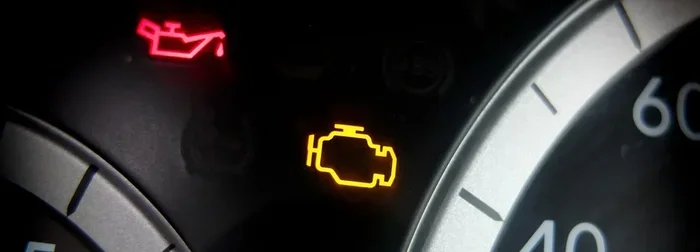
It is easy to confuse the AT light with the check engine light, but they are not the same thing. The check engine light is a general warning that covers many systems in your vehicle. The AT light, on the other hand, is specific to the automatic transmission. That said, the two lights can sometimes appear together if the transmission issue triggers a broader error code.
If you see the check engine light alongside the AT light, the problem is likely transmission-related. Using an OBD2 scanner can help you read the specific codes and figure out exactly what is going on. Many auto parts stores will read these codes for free if you do not have a scanner at home.
Common Causes of the AT Light on a Mazda 6
Understanding what triggers the AT light is the first step toward fixing it. Here are the most common reasons this light shows up on a Mazda 6.
Low or Dirty Transmission Fluid
This is by far the most common cause of the AT light. Transmission fluid keeps all the internal parts of your gearbox lubricated and cool. When the fluid level drops or becomes dirty, the transmission cannot operate properly, and the warning light comes on.
Over time, transmission fluid breaks down and loses its effectiveness. It can also leak from seals, gaskets, or the transmission pan. If you have not checked your fluid in a while, this should be your first stop. Top off the fluid or perform a full transmission fluid change if it looks dark or smells burnt.
Faulty Transmission Solenoid
The solenoid is a small valve that controls the flow of transmission fluid inside the gearbox. When a solenoid gets stuck or fails, it disrupts the pressure needed for smooth gear shifts. This often triggers the AT light and may cause noticeable symptoms like rough shifting or hesitation.
Replacing a solenoid is usually not too expensive, especially if you catch the problem early. A mechanic can test each solenoid and swap out the faulty one in a relatively short time.
Worn Torque Converter
The torque converter connects the engine to the transmission and helps transfer power smoothly. Over time, it can wear out or develop problems, especially in higher-mileage vehicles. A failing torque converter often causes the AT light to come on along with symptoms like slipping gears or unusual vibrations.
Sensor or Electrical Issues
Your Mazda 6 relies on various sensors to monitor transmission performance. If a sensor malfunctions or a wiring connection becomes loose, the transmission control module may receive incorrect data and trigger the AT light. Electrical issues can be tricky to diagnose but are often resolved with a simple repair or replacement.
Software or Programming Glitch
Modern vehicles are essentially computers on wheels. Sometimes a software glitch in the transmission control module can cause the AT light to come on even when there is no real mechanical problem. A software update or reset often fixes this type of issue.
How to Diagnose the AT Light Problem
Before you start replacing parts, it helps to narrow down the cause. Diagnosing the problem properly saves you time, money, and frustration.
Step 1: Check the Transmission Fluid
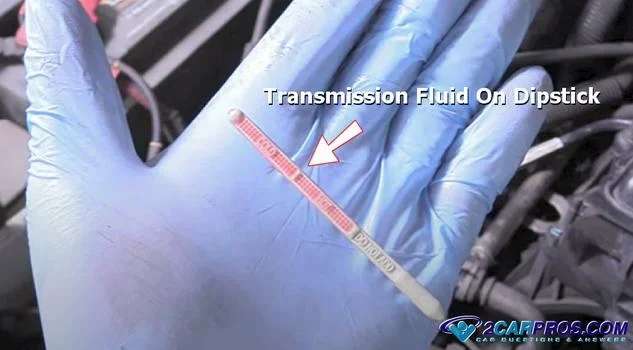
Start with the simplest and most obvious check. Park your Mazda 6 on a level surface, let the engine warm up, and locate the transmission dipstick. Pull it out, wipe it clean, reinsert it, and pull it out again to read the level. The fluid should be pinkish-red and not smell burnt. If it is low, top it off with the correct type of fluid recommended in your owner’s manual.
Step 2: Scan for Error Codes
An OBD2 scanner is your best friend when diagnosing dashboard lights. Plug it into the diagnostic port under your steering column and read the stored codes. Transmission-related codes often start with the letter P followed by numbers. Write down all the codes and look them up in a reliable database or app. This gives you a much clearer picture of what is going wrong.
Many people wonder if they can drive their Mazda 6 with warning lights on. If you are unsure, check out this article on driving with the check engine light on for general guidance on when it is safe to keep driving and when you should pull over.
Step 3: Look for Visible Leaks
Get under your Mazda 6 with a flashlight and look for any signs of transmission fluid leaking. Check around the transmission pan, seals, and cooler lines. A puddle of red or brown fluid underneath your car is a clear sign of a leak that needs to be addressed.
Step 4: Test Drive the Vehicle
Take your Mazda 6 for a careful test drive and pay attention to how the transmission behaves. Do the gears shift smoothly? Do you notice any slipping, hesitation, or strange noises? These observations help you and your mechanic pinpoint the problem faster.
Step-by-Step Fixes for the AT Light on a Mazda 6
Now that you have a better idea of what might be causing the AT light, let us look at the fixes. Some you can do yourself, and others will need a professional.
Fix 1: Top Off or Change the Transmission Fluid
If the fluid level is low, simply adding more fluid may turn off the AT light. Use only the type of fluid specified in your Mazda 6 owner’s manual. Using the wrong fluid can cause more harm than good.
For a full fluid change, you will need to drain the old fluid, replace the transmission filter if applicable, and refill with fresh fluid. This is a straightforward job if you have basic mechanical skills and the right tools. A transmission fluid change typically costs between $100 and $300 if you do it yourself, or $200 to $500 at a shop.
Fix 2: Reset the Transmission System
Sometimes the AT light comes on due to a temporary glitch. Disconnecting the battery for about 15 minutes can reset the transmission control module and clear the light. After reconnecting the battery, start the car and see if the light stays off.
Keep in mind that a reset only works if the underlying issue is minor or has resolved itself. If the problem persists, the light will likely come back on.
Fix 3: Replace a Faulty Solenoid
If the diagnostic scan reveals a solenoid error code, replacing the solenoid is the next step. The solenoid is usually located inside or on top of the transmission. Accessing it may require removing the transmission pan or valve body, so some mechanical experience helps.
A replacement solenoid costs between $15 and $50 for the part, and labor at a shop typically runs $100 to $300. If you are handy, you can save money by doing the replacement yourself.
Fix 4: Repair or Replace the Torque Converter
A damaged torque converter is a more serious repair. Symptoms include slipping gears, shuddering during acceleration, and the AT light staying on. This repair requires removing the transmission, which is a complex job best left to a qualified mechanic.
The cost of torque converter replacement can range from $600 to $1,200 including parts and labor. It is a significant repair, but addressing it early prevents further damage to the transmission.
Fix 5: Fix Wiring or Sensor Issues
If the problem is electrical, start by inspecting all wiring connections related to the transmission. Look for corroded connectors, frayed wires, or loose plugs. Cleaning or replacing a damaged connector can often resolve the issue.
If a sensor is faulty, replacing it is usually straightforward and affordable. Most transmission sensors cost between $20 and $80, and the replacement process is relatively simple.
Can You Still Drive with the AT Light On?
This is one of the most common questions Mazda 6 owners ask when the AT light comes on. The short answer is: it depends on the severity of the issue.
If the light comes on briefly and then goes off, it was likely a temporary glitch and you can drive normally. If the light stays on or flashes, you should proceed with caution. In some cases, the transmission may enter a limp mode, which limits your speed and gear range to protect the gearbox from further damage.
Many drivers worry about whether it is safe to keep driving with various warning lights. If you are dealing with a maintenance light on a Toyota or another vehicle, you can find helpful guidance on this topic in our article about driving with a maintenance required light on.
The bottom line is that you should not ignore the AT light. Continuing to drive with a serious transmission problem can lead to complete gearbox failure, which is an extremely expensive repair. When in doubt, get the car checked out as soon as possible.
Preventing the AT Light from Coming Back
Once you have fixed the AT light, you want to make sure it stays off. Prevention is always better than cure, and a few simple habits can go a long way.
- Check your transmission fluid regularly. Make it part of your routine maintenance schedule. Look for changes in color or smell.
- Follow the recommended service intervals. Your Mazda 6 owner’s manual outlines when to change the fluid and filter. Sticking to this schedule keeps the transmission in good shape.
- Avoid aggressive driving. Hard acceleration and sudden stops put extra stress on the transmission. Smooth driving habits extend the life of your gearbox.
- Address small problems quickly. Do not wait for a minor issue to become a major one. If you notice rough shifting or strange noises, get it checked out right away.
- Keep the transmission cool. Overheating is a leading cause of transmission problems. Make sure your cooling system is working properly, especially if you tow or carry heavy loads.
Regular maintenance is the best way to avoid the AT light altogether. A well-cared-for Mazda 6 transmission can last well over 200,000 miles with proper care and attention.
When to See a Professional Mechanic
While many AT light issues can be handled at home, some situations call for a professional. If you have checked the fluid, scanned for codes, and the light still will not go away, it is time to see a mechanic.
Also, if you notice any of the following symptoms, do not try to fix it yourself:
- The transmission slips in and out of gears
- You hear grinding or clunking noises
- The car refuses to shift into gear
- You smell burning fluid under the hood
- The AT light flashes rapidly
A professional mechanic has the tools, experience, and diagnostic equipment to handle complex transmission problems safely. They can also perform a full car diagnostic to uncover issues you might not have considered. If you are curious about how long a full diagnostic takes, this article explains the process and what to expect.
Final Thoughts
The AT light on your Mazda 6 does not have to be a scary experience. With the right knowledge and a calm approach, you can diagnose and fix most causes without spending a fortune. Start with the basics, check the fluid, scan for codes, and work your way through the solutions we have outlined.
Remember that the AT light is your car’s way of communicating with you. Listening to it early and acting quickly saves you from bigger problems down the road. Whether the fix is a simple fluid top-up or a more involved solenoid replacement, the key is to take action as soon as the light appears.
Keep up with regular maintenance, drive responsibly, and your Mazda 6 transmission will keep running smoothly for years to come. You have got this.
Frequently Asked Questions
What does the AT light mean on a Mazda 6?
The AT light stands for Automatic Transmission and indicates that your Mazda 6 has detected a problem with the gearbox. It could be something minor like low fluid or something more serious like a failing solenoid or torque converter. Reading the error codes with an OBD2 scanner helps you determine the exact cause.
Can I drive my Mazda 6 with the AT light on?
It depends on the severity. If the light is solid and the car drives normally, you may be able to drive a short distance to a repair shop. However, if the light flashes or you notice slipping, rough shifting, or other symptoms, you should stop driving and get the car towed to avoid further damage.
How much does it cost to fix the AT light on a Mazda 6?
The cost varies widely depending on the cause. A simple fluid change might cost $100 to $300, while a solenoid replacement runs $150 to $350. More serious repairs like a torque converter replacement can cost $600 to $1,200. Always get a diagnostic scan first so you know exactly what you are dealing with.
Can I reset the AT light myself?
Yes, you can try disconnecting the battery for about 15 minutes to reset the transmission control module. However, this only works if the underlying issue is minor or temporary. If the problem is not resolved, the light will come back on, and you will need to address the root cause.
How often should I change the transmission fluid in my Mazda 6?
Mazda recommends changing the transmission fluid every 30,000 to 60,000 miles, depending on driving conditions. If you drive in heavy traffic or tow frequently, you may need to change it more often. Always refer to your owner’s manual for the specific schedule.
What transmission fluid does a Mazda 6 use?
Most Mazda 6 models use Mazda Genuine ATF M-V or a compatible automatic transmission fluid that meets the specifications in your owner’s manual. Using the wrong fluid can cause shifting problems and damage the transmission, so always double-check before adding or changing fluid.
=== CONCLUSION ===
Fixing the AT light on a Mazda 6 does not have to be overwhelming. Start with the simplest checks, work through the solutions step by step, and do not be afraid to call in a professional when needed. The AT light is your car asking for help, and responding quickly keeps your Mazda 6 running strong and your wallet happy.