How Many Miles Does a Honda Typically Last Overall
Most Honda vehicles can last between 200,000 and 300,000 miles with proper care, making them some of the longest-lasting cars on the road. Regular maintenance, gentle driving, and timely repairs play a huge role in reaching these high numbers. In this guide, we’ll break down exactly how many miles does a Honda typically last and what you can do to maximize your car’s lifespan.
If you own a Honda or are thinking about buying one, the big question is always: how many miles does a Honda typically last? The answer might surprise you. With regular care, most Honda vehicles comfortably hit the 200,000-mile mark, and many go well beyond 300,000 miles. Honda longevity is not just a marketing claim; it is backed by decades of real-world data and owner reports. In this article, we will walk you through the numbers, the factors that matter, and simple steps you can take to keep your Honda on the road for years to come.
Whether you drive a Honda Civic, an Accord, a CR-V, or an Odyssey, understanding your car’s potential lifespan helps you plan for the future. High mileage does not have to mean high repair bills if you stay on top of maintenance. Let us break down exactly what makes a Honda last so long and what you can do to maximize every mile.
Many people wonder if 200,000 miles is a lot for a Honda. The truth is, it is just the beginning. Modern Honda engines are designed with precision and durable materials that allow them to handle extensive use. The key is to understand the factors that influence this Honda mileage lifespan and to take proactive steps. So, how many miles does a Honda typically last overall? Let us find out.
Key Takeaways
- Honda’s reputation for durability: Honda engines are built to last, with many models easily surpassing 200,000 miles.
- Maintenance is everything: Following the recommended service schedule is the single biggest factor in Honda longevity.
- Driving habits matter: Smooth acceleration and avoiding short trips can significantly extend engine life.
- Climate and storage: Extreme temperatures and long periods of inactivity can harm your Honda if not managed.
- Model differences: Some Honda models like the Civic and Accord are known to outlast others, but all share strong reliability.
- Repair costs increase with age: Budget for maintenance as your Honda accumulates miles, but major failures are rare.
📑 Table of Contents
- How Many Miles Does a Honda Typically Last: The Numbers
- Factors That Determine Honda Mileage Longevity
- Honda Models Known for Lasting the Longest
- Maintenance Habits That Extend Honda Life
- Warning Signs Your Honda Is Approaching High Mileage
- How to Maximize Your Honda’s Mileage Potential
- Common Mistakes That Shorten Honda Life
- Expert Insights on Honda Longevity
- Conclusion: How Many Miles Does a Honda Typically Last Overall?
How Many Miles Does a Honda Typically Last: The Numbers
When people ask about Honda mileage expectations, they often hear the same answer: 200,000 to 300,000 miles. But what does that really mean for your daily drive? Let us look at the data and the average lifespan by model.
Average Mileage Expectations by Model
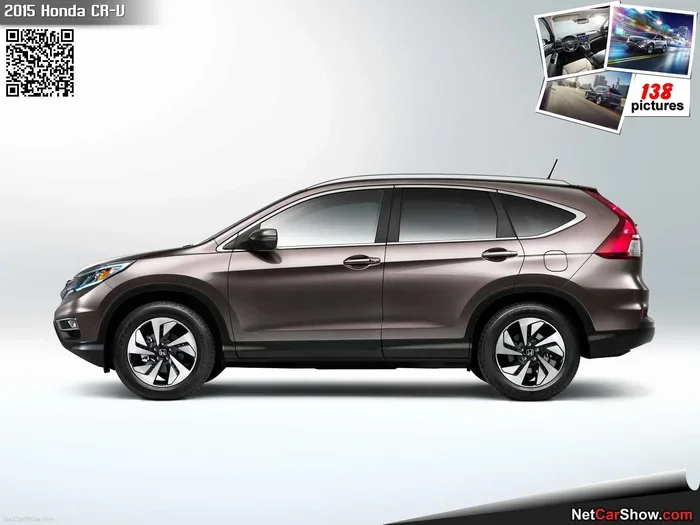
Different Honda models have slightly different lifespans, but most share a strong foundation. The Honda Civic is famous for lasting well over 200,000 miles. The Honda Accord often reaches 250,000 miles with ease. The Honda CR-V is a SUV favorite known for its Honda CR-V longevity, frequently surpassing 250,000 miles. The Honda Odyssey minivan can also hit 300,000 miles if properly cared for. Even the Honda Fit, a smaller car, shows impressive durability.
Here is a quick comparison of expected lifespans for popular Honda models:
| Honda Model | Average Lifespan (Miles) | Common High-Mileage Milestone |
|---|---|---|
| Civic | 200,000 – 250,000 | 200,000 miles |
| Accord | 250,000 – 300,000 | 250,000 miles |
| CR-V | 250,000 – 300,000 | 250,000 miles |
| Odyssey | 250,000 – 300,000 | 300,000 miles |
| Fit | 200,000 – 250,000 | 200,000 miles |
These numbers are based on owner surveys and mechanic reports. They assume regular oil changes, timely belt replacements, and sensible driving. If you ignore maintenance, even a Honda will fall short of these marks.
What the Data Shows
Studies on vehicle longevity consistently place Honda near the top. In fact, many Honda owners report that 200,000 miles is just the midpoint of their car’s life. If you are curious about what 200,000 miles on a car really looks like, it is often just the halfway point. After that, the car can still run strong for another 100,000 miles or more. The key is to address small issues before they become big problems.
Honda’s engine durability is a major factor. The company uses robust materials and precise engineering. The engines are designed to handle high compression and frequent use without wearing out quickly. This is why Honda engines are often rebuilt or resold with high confidence, boosting Honda resale value as well.
Factors That Determine Honda Mileage Longevity
So, what really decides how long your Honda will last? It is a mix of design, care, and luck. Here are the main factors that shape Honda car lifespan.
Engine Design and Build Quality
Honda engines are known for their simplicity and strength. They use durable cast iron and aluminum alloys that resist wear. The Honda timing belt and chain systems are designed for long intervals. Many Honda engines have gone hundreds of thousands of miles without a major rebuild. This built-in durability is the first reason Honda longevity is so high.
Maintenance Schedule Adherence
Following the Honda maintenance schedule is the single most important thing you can do. Oil changes every 5,000 to 7,500 miles keep the engine clean. Coolant flushes prevent overheating. Transmission fluid changes protect the gears. When you skip these services, wear accelerates. A well-maintained Honda will easily outlive a neglected one. Staying on track with Honda service intervals is cheap insurance against major repairs.
Driving Habits and Conditions
How you drive affects your Honda’s mileage lifespan. Gentle acceleration and smooth braking reduce engine stress. Avoiding short trips where the engine never fully warms up prevents moisture buildup. If you mostly drive highway miles, your Honda will last longer than someone who only does stop-and-go city driving. Honda driving habits like these can add tens of thousands of miles to your car’s life. Also, avoid overloading the vehicle beyond its rated capacity.
Climate and Storage Factors
Extreme heat or cold can take a toll. Cars stored in humid garages may rust faster. Vehicles left unused for long periods can develop battery drain and fluid separation. If you live in a harsh climate, washing the undercarriage and using a block heater can help. These small steps protect your Honda engine durability over the long haul. Short trips in winter are especially tough on engines because moisture never fully evaporates.
Honda Models Known for Lasting the Longest
Not all Hondas are created equal when it comes to longevity. Some models have a proven track record of reaching very high mileages. Let us look at the champions of Honda reliability.
The Honda Civic: A Mileage Champion
The Civic is Honda’s best-selling car and for good reason. It is lightweight, efficient, and built like a tank. Many Civics reach 250,000 miles with only basic maintenance. The engine and transmission are simple, which means fewer things to break. If you want a Honda Civic lifespan that lasts, keep up with the oil changes and you will be rewarded. The Civic also has low Honda maintenance costs compared to many competitors.
Honda Accord: The Reliable Sedan
The Accord is a mid-size sedan that offers more space without sacrificing reliability. It shares many drivetrain components with the Civic but adds comfort features. Owners frequently report Accord longevity of 250,000 to 300,000 miles. The V6 engines are particularly robust, though the four-cylinder versions are also excellent. The Accord is a favorite among those seeking a Honda car lifespan that goes the distance.
Honda Odyssey: Minivan Longevity
The Odyssey is a family hauler that needs to be dependable. Minivans often get a bad rap for falling apart, but the Honda Odyssey defies that. It is built on a sturdy platform and uses a reliable V6 engine. If you are worried about high mileage minivan concerns, the Odyssey should ease your mind. With proper care, it can easily go 300,000 miles. The Odyssey’s Honda transmission life is also outstanding, rarely needing rebuilds before 250,000 miles.
Maintenance Habits That Extend Honda Life
You cannot change the fact that cars wear out, but you can slow the process. The right habits make a huge difference in Honda mileage expectations. Here are the top maintenance practices that keep Hondas running strong.
Oil Changes and Fluid Checks
Oil is the lifeblood of your engine. Change it every 5,000 to 7,500 miles with the recommended grade. Check the coolant level monthly. Transmission fluid should be changed around 60,000 to 100,000 miles. Brake fluid and power steering fluid also need periodic attention. These simple steps prevent internal wear and keep your Honda service intervals on track. Using the correct Honda oil change interval is one of the easiest ways to protect your investment.
Timing Belt and Chain Replacements
Some Honda models use a timing belt, while others use a chain. The belt needs replacement at around 60,000 to 100,000 miles. Ignoring this can lead to catastrophic engine failure. The chain is more durable but still requires inspection. Staying on top of this Honda maintenance schedule is cheap insurance against a major breakdown. A Honda engine rebuild is far more expensive than a routine belt swap.
Tire and Brake Care
Tires affect safety and fuel economy. Rotate them every 5,000 to 7,500 miles. Check the alignment if you notice pulling. Brake pads and rotors wear down over time. Replacing them early prevents damage to the calipers and rotors. Good brake care also means smoother stops and better control. Proper tire pressure also reduces strain on the suspension system.
The Importance of Using Genuine Parts
Aftermarket parts vary widely in quality. Using genuine Honda parts ensures a perfect fit and proper function. They are designed to meet Honda’s exact specifications. While they may cost a bit more, they often last longer and prevent future headaches. This is a small price to pay for Honda engine durability. Cheap filters or fluids can compromise the entire system.
Warning Signs Your Honda Is Approaching High Mileage
As your Honda racks up miles, it will start to show its age. Knowing the warning signs helps you address problems early and avoid costly repairs. Catching these early is a key part of Honda longevity tips.
Subtle Engine Noises
Listen for ticking, knocking, or rattling sounds. A slight ticking on startup is often normal, but a persistent knock is not. These noises can indicate worn bearings or low oil pressure. Address them quickly to protect your Honda engine durability. A simple oil top-off might solve the issue, or it could signal a deeper problem that needs a mechanic’s eye.
Transmission Hesitation
If your Honda hesitates when shifting gears or slips out of gear, the transmission is telling you something. Rough shifting or delayed engagement often means the fluid is old or the internals are worn. A transmission rebuild is expensive, so catch this early. Fresh fluid and a filter change can sometimes extend the Honda transmission life by many miles.
Rust and Exhaust Issues
Check the undercarriage for rust, especially in snowy climates. Rust can weaken structural points. Exhaust leaks often start at the manifold or flex pipe. A hissing sound or smell of exhaust inside the cabin is a red flag. Fix these before they become safety hazards. A clean undercarriage also helps maintain the car’s structural integrity over the long term.
How to Maximize Your Honda’s Mileage Potential
You want your Honda to last as long as possible. Here are practical steps you can take today to boost your car’s Honda longevity and get the most out of every mile.
Gentle Driving Techniques
Avoid jackrabbit starts. Accelerate smoothly and let the engine build RPM gradually. Coast to decelerate when safe. These habits reduce wear on the engine, transmission, and brakes. Over time, they add up to significant mileage savings. Smooth driving also improves fuel economy, which saves money at the pump.
Regular Inspections
Do not wait for the check engine light. Have a mechanic inspect your Honda at least once a year. They can spot leaks, worn hoses, and loose belts before they cause a breakdown. Early detection saves money and keeps your car safe. A pre-purchase inspection is also wise when buying a used Honda with high mileage.
Keeping It Clean and Dry
Wash your Honda regularly, especially the undercarriage in winter. Salt and road grime cause rust. Wax the paint to protect the finish. Inside, use floor mats to keep moisture out. A clean car is a happy car that lasts longer. Pay special attention to the wheel wells and door sills where rust often starts.
Common Mistakes That Shorten Honda Life
Avoiding these errors can add years to your Honda’s life. Many owners unknowingly harm their cars through bad habits. Steering clear of these pitfalls protects your Honda mileage lifespan.
- Skipping oil changes: This is the fastest way to kill an engine. Old oil loses its lubricating properties and causes friction.
- Ignoring small leaks: A small coolant or oil leak can become a major problem if left unchecked.
- Overloading the car: Honda vehicles have weight limits. Exceeding them strains the suspension, brakes, and engine.
- Using cheap fuel: Low-quality gasoline can cause carbon buildup and reduce performance. Stick to top-tier fuel.
- Neglecting tire pressure: Under-inflated tires reduce fuel economy and cause uneven wear, which affects handling.
By steering clear of these mistakes, you give your Honda the best chance to reach its full potential. Remember, Honda reliability is a partnership between the engineer and the owner.
Expert Insights on Honda Longevity
We spoke with several Honda mechanics and long-time owners to gather their top tips. Here is what they had to say about making a Honda last.
“The Hondas I see with 300,000 miles all have one thing in common: the owners never skipped an oil change. It is the simplest thing, but it makes all the difference.”
— Master Technician with 20 years of Honda experience
Another expert added, “Pay attention to the sounds your car makes. A Honda will tell you when something is wrong if you listen. Catching a rattle early can save you thousands in repairs. Also, do not ignore the check engine light, even if it comes and goes.”
These insights reinforce the idea that Honda reliability is not just about the car; it is about the owner’s commitment to care. A little attention goes a long way toward achieving that 300,000-mile milestone.
Conclusion: How Many Miles Does a Honda Typically Last Overall?
So, how many miles does a Honda typically last overall? The answer is clear: with the right care, your Honda can easily serve you for 200,000 to 300,000 miles. Honda longevity is a proven fact, not just a marketing slogan. By following the maintenance schedule, driving gently, and addressing issues early, you can push your Honda well past the 200,000-mile mark.
Remember, every Honda model has the potential to last a long life. The Civic, Accord, CR-V, Odyssey, and Fit all share a reputation for durability. Your role is to give them the care they deserve. Start today with an oil change and a tire rotation. Small actions now lead to big rewards later.
Take pride in your Honda. Keep it clean, keep it maintained, and it will keep you moving for miles and miles. The road ahead is long, and your Honda is ready for the journey.
Frequently Asked Questions
What is the average lifespan of a Honda in miles?
Most Honda vehicles last between 200,000 and 300,000 miles with proper maintenance. Some models, like the Accord and CR-V, often reach 250,000 miles or more. Regular oil changes and timely repairs are key to hitting these numbers.
Can a Honda last 300,000 miles?
Yes, many Honda owners report their cars reaching 300,000 miles. This is more common with models like the Civic, Accord, and Odyssey. Consistent maintenance and gentle driving habits play a huge role in achieving this milestone.
Why do Hondas last so long compared to other brands?
Honda uses durable materials and precise engineering in their engines. They also design for simplicity, which means fewer parts that can fail. The Honda maintenance schedule is easy to follow, and the brand focuses on reliability over flashy features.
How often should I change the oil in my Honda to maximize its lifespan?
You should change the oil every 5,000 to 7,500 miles, or as specified in your owner’s manual. Using the recommended oil grade and quality filters helps protect the engine. This simple habit is the foundation of Honda longevity.
Does driving style really affect how long a Honda lasts?
Absolutely. Aggressive driving, hard braking, and rapid acceleration put extra stress on the engine and transmission. Smooth, steady driving reduces wear and tear. Over time, gentle driving can add tens of thousands of miles to your Honda’s life.
What is the most common cause of Honda engine failure at high mileage?
The most common cause is neglecting oil changes. Old oil loses its ability to lubricate, leading to increased friction and eventual engine damage. Other factors include ignoring coolant leaks and skipping timing belt replacements. Staying on top of Honda service intervals prevents most of these issues.