How Long Does a Subaru Battery Last and When to Replace It
A Subaru battery typically lasts between 3 and 5 years, but driving habits, climate, and model type can shorten or extend that lifespan. Knowing the early warning signs of a weak battery and following simple maintenance steps can save you from unexpected breakdowns. This guide covers everything you need to know about Subaru battery life, replacement timing, and cost.
You turn the key or push the start button, and nothing happens. That sinking feeling is something every Subaru owner knows too well. A dead battery can ruin your morning, your plans, and your entire day.
So how long does a Subaru battery actually last? The short answer is 3 to 5 years, but the full picture is more nuanced. Your driving habits, the climate you live in, the Subaru model you drive, and how well you maintain the battery all play a role.
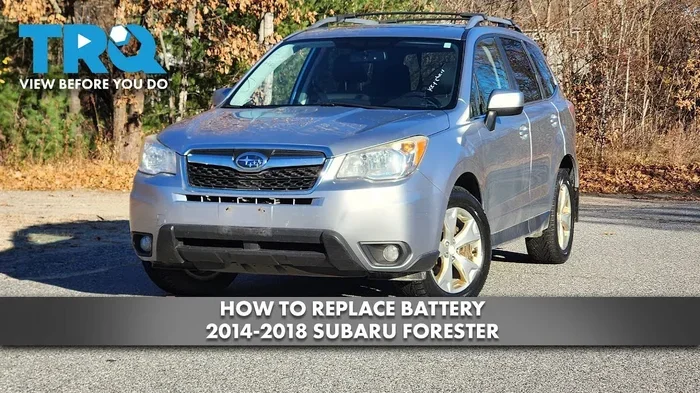
In this guide, we will walk you through everything you need to know about Subaru battery life. You will learn the average lifespan, the warning signs that mean replacement is near, how to extend your battery’s life, and what to expect when it is time for a new one. Whether you drive a Subaru Outback, a Subaru Forester, or a Subaru Crosstrek, this article has you covered.
Let us dive in and make sure you are never stranded with a dead battery again.
Key Takeaways
- Average Subaru battery life: Most Subaru batteries last 3 to 5 years under normal conditions.
- Climate matters a lot: Extreme heat and cold both reduce battery performance and lifespan.
- Watch for warning signs: Slow cranking, dim lights, and dashboard warnings signal a dying battery.
- Maintenance extends life: Cleaning terminals, driving regularly, and avoiding short trips help your battery last longer.
- Replacement cost is reasonable: Expect to pay between $150 and $350 for a new Subaru battery.
- Hybrid models differ: Subaru hybrid batteries can last longer but have unique maintenance needs.
- Warranty coverage helps: Many Subaru batteries come with a manufacturer warranty of 3 to 5 years.
📑 Table of Contents
- How Long Does a Subaru Battery Last on Average?
- What Shortens Subaru Battery Life?
- Warning Signs Your Subaru Battery Needs Replacement
- How to Extend Your Subaru Battery Life
- How Much Does a Subaru Battery Replacement Cost?
- Subaru Hybrid Battery Life vs. Traditional Battery Life
- When Is the Best Time to Replace Your Subaru Battery?
- How to Choose the Right Replacement Battery for Your Subaru
- Final Thoughts on Subaru Battery Life
How Long Does a Subaru Battery Last on Average?
The average Subaru battery life falls somewhere between 3 and 5 years. However, that range is wide, and several factors can push your battery toward the shorter or longer end of the spectrum. Understanding these factors helps you plan ahead and avoid surprises.
Factory Battery vs. Aftermarket Battery
When you buy a new Subaru, it comes with an original equipment manufacturer (OEM) battery. These batteries are designed to meet Subaru’s standards for performance and reliability. OEM batteries typically come with a battery warranty Subaru covers for 3 to 5 years or a set number of miles, whichever comes first.
Aftermarket batteries can be a more affordable option. Some aftermarket brands offer excellent quality and comparable lifespan. However, cheaper batteries may not last as long or perform as well in extreme conditions. Always check the warranty and reviews before choosing an aftermarket option.
How Many Miles Does a Subaru Battery Last?
Mileage matters more than you might think. On average, a Subaru battery lasts about 50,000 to 60,000 miles. But drivers who take short trips around town may need a replacement sooner. Short trips do not give the battery enough time to fully recharge, which causes gradual wear over time.
On the other hand, drivers who cover long highway miles regularly tend to keep their batteries healthier for longer. The alternator has more time to keep the battery charged at full capacity.
What Shortens Subaru Battery Life?
Several common habits and conditions can drain your battery faster than normal. Knowing what to avoid helps you protect your investment.
Extreme Temperatures
Both extreme heat and extreme cold are tough on car batteries. In hot weather, the heat causes the battery fluid to evaporate faster, which damages the internal components. In freezing temperatures, the battery has to work much harder to start your engine. Cold weather is one of the most common reasons batteries fail in winter.
If you live in a place with harsh winters or scorching summers, your battery may only last 2 to 3 years. Consider a battery with a high cold cranking amp (CCA) rating if you face freezing conditions.
Short Trips and Infrequent Driving
Your alternator recharges the battery while you drive. But if you only drive for 10 or 15 minutes at a time, the battery never gets fully recharged. Over weeks and months, this partial charging cycle wears the battery down.
This is a common issue for people who use their Subaru for short commutes or occasional weekend drives. If you fall into this category, a battery maintainer or trickle charger can help keep your battery healthy when the car sits for long periods.
Parasitic Drains
Even when your Subaru is turned off, some electrical systems continue to draw power. This is called a parasitic drain. Things like clock settings, alarm systems, and memory for radio presets use small amounts of power.
But if you leave accessories plugged in, such as phone chargers or dash cams, the drain increases significantly. Over time, this can leave your battery too weak to start the car. If your car won’t start with a new battery, a parasitic drain may be the culprit rather than the battery itself.
Old Age and Natural Wear
Batteries are consumable parts. They simply wear out over time. The chemical reactions inside the battery gradually become less efficient, and the plates inside accumulate buildup. No matter how well you care for your battery, age will eventually win.
Most experts recommend testing your battery after the 3-year mark. A simple load test at any auto parts store can tell you how much life your battery has left.
Warning Signs Your Subaru Battery Needs Replacement
Catching the early signs of a failing battery can save you from getting stranded. Here are the most common symptoms to watch for:
Slow or Weak Engine Crank
When you turn the key or press the start button, does the engine crank slowly or sound sluggish? This is one of the most obvious signs of a weak battery. A healthy battery delivers a quick, strong crank. If it takes longer than usual, the battery may be losing its charge capacity.
Dashboard Warning Lights
Modern Subarus have sophisticated dashboard computers that monitor battery health. If you see a battery-shaped warning light on your dashboard, do not ignore it. This light often indicates a charging system issue or a battery that is no longer holding a proper charge.
Dim Headlights and Electrical Issues
Notice your headlights looking dimmer than usual, especially when idling? Do power windows move slower than they used to? These are signs that your battery is not delivering enough power. Electrical components are among the first to suffer when battery voltage drops.
Swollen or Bloated Battery Case
A battery case that looks swollen or bloated is a serious red flag. This usually happens when the battery has been exposed to extreme heat. The internal fluids expand and cause the case to bulge. A swollen battery is dangerous and should be replaced immediately.
Battery Corrosion
Check your battery terminals regularly. A white or blue-green powdery substance around the terminals is a sign of corrosion. Corrosion creates resistance between the battery and the electrical system, which reduces performance. Mild corrosion can be cleaned, but heavy corrosion often means the battery is nearing the end of its life.
Frequent Jump Starts
If you find yourself needing a jump start more than once a month, your battery is clearly struggling. Frequent jump starting puts additional stress on the battery and shortens its remaining lifespan. It is much more cost-effective to replace the battery than to keep jumping it.
For tips on safely jump starting your vehicle, check out our guide on how long to leave jumper cables on before starting.
How to Extend Your Subaru Battery Life
The good news is that you can take simple steps to help your battery last as long as possible. These maintenance habits are easy and free.
Drive Your Subaru Regularly
The single best thing you can do for your battery is drive your car regularly. A 20 to 30 minute drive gives the alternator enough time to fully recharge the battery. If you are not a daily driver, consider taking your Subaru on a longer weekly trip to keep the battery healthy.
For Subaru hybrid owners, you might wonder about battery health during long periods of inactivity. Check out our article on how long a hybrid can sit without being driven for more insights.
Keep the Battery Clean
Take a few minutes every few months to inspect your battery terminals. If you see corrosion, clean it off with a mixture of baking soda and water. Use an old toothbrush to gently scrub the terminals, and make sure the connections are tight.
Clean terminals allow electricity to flow freely between the battery and the car’s electrical system. This small habit can make a big difference in battery performance.
Avoid Leaving Accessories On
Make it a habit to turn off all lights, the radio, and any plugged-in accessories before you shut off the engine. Leaving these on while the car is parked drains the battery quickly, especially in cold weather when the battery is already underperforming.
Get Regular Battery Tests
Most auto parts stores offer free battery testing. Have your battery tested at least once a year after the 3-year mark. A load test tells you the actual condition of the battery, not just whether it shows a voltage reading. This proactive approach gives you time to plan for a replacement before you are stuck somewhere.
Park Smart
Where you park matters more than you think. In summer, park in the shade or a garage to protect your battery from extreme heat. In winter, try to park in a garage or use a battery blanket if temperatures drop below freezing regularly.
How Much Does a Subaru Battery Replacement Cost?
Replacing a Subaru battery is not expensive, especially compared to the cost of being stranded. On average, you can expect to pay between $150 and $350 for a new Subaru battery, including the cost of parts and installation.
The exact price depends on several factors:
- Battery type: Standard lead-acid batteries are the most affordable. AGM (absorbent glass mat) batteries cost more but offer better performance and longer life.
- Cold climate rating: Batteries with higher CCA ratings for cold weather tend to cost a bit more.
- Installation location: Dealerships typically charge more for installation than independent shops or chain auto parts stores.
- Warranty coverage: Some Subaru batteries come with a replacement warranty that covers you for free or at a reduced cost if the battery fails early.
If you are handy with basic car maintenance, you can even replace the battery yourself. It is a straightforward job that takes about 15 to 20 minutes. Just remember to disconnect the negative terminal first and reconnect it last to avoid electrical shorts.
For Subaru hybrid models, battery replacement costs can be higher because the hybrid battery pack is more complex. If you are dealing with a hybrid battery issue, you might wonder whether you can still drive the car. Our article on driving a Prius with a dead hybrid battery offers useful insights that apply to Subaru hybrid models as well.
Subaru Hybrid Battery Life vs. Traditional Battery Life
Subaru offers hybrid models that use both a traditional 12-volt battery and a higher-voltage hybrid battery pack. These two batteries serve different purposes and have different lifespans.
The 12-Volt Battery
The 12-volt battery in a Subaru hybrid works the same way as in a traditional Subaru. It powers the starting system, lights, and electronics. This battery typically lasts 3 to 5 years, just like any other car battery.
The Hybrid Battery Pack
The hybrid battery pack in a Subaru is designed to last much longer than the traditional 12-volt battery. Most Subaru hybrid battery packs can last 8 to 10 years or more before showing significant degradation. However, they are also more expensive to replace if they do fail.
If you own a Subaru hybrid, it is important to understand the difference between these two battery systems. A problem with the hybrid battery pack can cause the car to switch to a reduced-power mode or refuse to start. If you experience these issues, consult a qualified technician who specializes in hybrid systems.
For more information about hybrid battery concerns, see our article on jump starting a Toyota hybrid battery, which covers similar hybrid battery principles.
When Is the Best Time to Replace Your Subaru Battery?
The best time to replace your battery is before it dies completely. Waiting for a total failure leaves you stranded and can damage the alternator or starting system from the repeated strain of trying to start a car with a weak battery.
Here are the best times to plan a replacement:
- After 3 years of age: Start testing your battery annually once it hits the 3-year mark. This gives you a head start on planning.
- Before winter: Cold weather is the number one killer of batteries. Replace your battery in late summer or early fall if it is showing signs of weakness.
- Before a long trip: Have your battery tested before any road trip or vacation. You do not want a dead battery in an unfamiliar place.
- When warning signs appear: Do not wait. If you notice slow cranking, dim lights, or dashboard warnings, get the battery tested right away.
Replacing a battery proactively is always cheaper and less stressful than dealing with a failure on the roadside.
How to Choose the Right Replacement Battery for Your Subaru
Not all batteries are the same, and choosing the right one for your Subaru matters. Here is what to consider:
- Group size: Check your owner’s manual for the correct battery group size for your specific Subaru model.
- CCA rating: Choose a battery with a CCA rating that matches or exceeds the original specification. Higher is better for cold climates.
- Battery type: Standard flooded batteries are the most common and affordable. AGM batteries offer better vibration resistance and longer life.
- Warranty: Look for batteries with at least a 3-year warranty. Some premium brands offer 5-year or longer coverage.
- Brand reputation: Stick with trusted brands like DieHard, Interstate, Optima, or AC Delco for reliable performance.
Your Subaru dealership can also order the exact OEM battery for your model. While it may cost a bit more, it guarantees a perfect fit and full warranty coverage.
Remember that how long a Subaru battery lasts depends on how well you care for it. Regular maintenance, smart driving habits, and timely replacement are the keys to staying powered up and ready to go.
Final Thoughts on Subaru Battery Life
A Subaru battery is a simple but essential part of your vehicle. Most drivers can expect 3 to 5 years of reliable service from their battery with proper care. The key is to stay aware of the warning signs, keep up with basic maintenance, and replace the battery before it leaves you stranded.
Do not wait for the warning signs to become emergencies. Test your battery regularly, clean the terminals, and plan for replacement as your battery ages. A little attention goes a long way in keeping your Subaru starting strong every single time.
Whether you drive a traditional Subaru or a hybrid model, understanding your battery is one of the easiest ways to take better care of your car. Use the tips in this guide, share them with fellow Subaru owners, and enjoy peace of mind knowing your battery is in good shape.
Frequently Asked Questions
How do I know if my Subaru battery needs replacing?
Watch for slow engine cranking, dim headlights, dashboard battery warning lights, and frequent need for jump starts. These are the clearest signs that your battery is losing its ability to hold a charge. A free battery test at any auto parts store can confirm it.
Can I replace my Subaru battery myself?
Yes, most Subaru battery replacements are straightforward DIY jobs. You need basic tools and about 15 to 20 minutes. Always disconnect the negative terminal first and reconnect it last to avoid electrical shorts. If you are unsure, a mechanic or auto parts store can help with installation.
Does cold weather kill Subaru batteries faster?
Yes, cold weather is one of the biggest enemies of car batteries. Freezing temperatures reduce the battery’s ability to deliver power and make the engine harder to start. If you live in a cold climate, consider a battery with a higher cold cranking amp rating.
How much does it cost to replace a Subaru battery?
Most Subaru battery replacements cost between $150 and $350, including parts and installation. The exact price depends on the battery type, your Subaru model, and where you have the work done. Dealerships typically charge more than independent shops.
Do Subaru hybrid batteries last longer than regular batteries?
The hybrid battery pack in a Subaru is designed to last 8 to 10 years or more. However, the 12-volt battery in a hybrid works the same as a traditional battery and lasts about 3 to 5 years. Both batteries need attention and eventual replacement over time.
What should I do if my Subaru battery dies in winter?
If your battery dies in winter, a jump start is the fastest solution. Make sure to follow proper jump start procedures and leave the cables connected for the correct amount of time. Our guide on how long to leave jumper cables on before starting provides step-by-step instructions for a safe jump start.