Do I Have to Carry Insurance on a Repossessed Car Now
Yes, you typically must keep insurance on a repossessed car until the loan is fully settled or the title transfers. Your lender can still require coverage because the vehicle remains collateral. Failing to maintain a policy can damage your credit and lead to legal trouble. Understanding your obligations helps you avoid costly mistakes during a stressful time.
Losing a car to repossession is one of the most stressful financial situations a person can face. On top of dealing with the emotional weight of losing your vehicle, you now have to navigate a confusing web of insurance rules. One question keeps popping up: Do I have to carry insurance on a repossessed car?
The short answer is yes, in most cases. But the full picture is more nuanced than you might expect. Your lender, your state laws, and the terms of your original loan all play a role. This article breaks down everything you need to know about insurance on a repossessed vehicle. You will learn what your obligations are, what happens if you drop coverage, and how to protect yourself moving forward.
Whether your car was just repossessed or you are facing the possibility of repossession, understanding car insurance after repossession is critical. Let us walk through the details together.
Key Takeaways
- Lender Insurance Requirements Persist: Your lender can still demand insurance coverage even after repossession because the car is still collateral.
- Gaps in Coverage Have Serious Consequences: An insurance lapse can trigger penalties, higher future premiums, and credit score damage.
- You Have Several Options: You can maintain a standard policy, purchase temporary insurance, or work with your lender on a solution.
- State Laws Vary: Insurance obligations after repossession depend on your state and the terms of your loan agreement.
- Protecting Your Credit Matters: Keeping insurance active helps preserve your credit score and financial standing.
- Know When Coverage Ends: Insurance is typically only required until the loan balance is paid off or the vehicle is sold at auction.
📑 Table of Contents
- Why Insurance Still Matters After Repossession
- What Happens If You Drop Insurance on a Repossessed Car
- Your Insurance Options After Repossession
- How Long Do You Need Insurance on a Repossessed Car?
- Common Mistakes People Make With Repossessed Car Insurance
- How to Protect Yourself Financially
- Expert Insights on Repossessed Car Insurance
- Quick Tips for Managing Insurance on a Repossessed Car
- Frequently Asked Questions
- Conclusion
Why Insurance Still Matters After Repossession
Many people assume that once a car is repossessed, their insurance obligations disappear. That is not the case. The lender still has a financial interest in the vehicle until the loan is fully resolved. This means the lender insurance requirements do not just vanish because the car is gone.
Here is what happens behind the scenes. When you financed your car, the lender essentially became a co-owner. They have a vested interest in protecting their collateral. If the vehicle gets damaged or destroyed while still on the loan, the lender loses money. That is why they require lender required insurance in the first place.
Even after repossession, the loan remains active. The lender will sell the car at auction and apply the proceeds to your remaining balance. If the car is damaged or totaled before that sale, the lender eats the loss. To prevent this, they will continue to insist on coverage throughout the process.
The Collateral Connection
Think of your car as a promise to the lender. Until the loan is paid off, that promise is backed by the vehicle itself. This is called collateral. As long as the car exists and the loan is outstanding, the lender has the right to demand that it stays protected.
This is similar to how a homeowner must maintain insurance on a property until the mortgage is paid off. The principle is the same. The asset securing the loan must remain insured.
Some lenders even include a collateral insurance clause in the loan agreement. This clause specifically states that the borrower must maintain coverage until the loan is satisfied. If you drop insurance, the lender can step in and purchase a policy on your behalf. You will then pay for it, often at a higher rate.
What Happens If You Drop Insurance on a Repossessed Car
Dropping insurance on a repossessed car might seem like a smart way to save money. It is not. The consequences can be severe and long-lasting. Here is what can happen if you let your policy lapse.
Financial Penalties
Most loan agreements include penalties for insurance lapse on financed vehicles. These penalties can be steep. Your lender may charge a fee that is added directly to your remaining balance. In some cases, the penalty can be thousands of dollars.
Even worse, the lender might purchase force-placed insurance on your behalf. This type of policy is designed to protect the lender, not you. It is typically much more expensive than a standard policy. You will be billed for the entire cost, and it will appear on your loan statement.
Credit Score Damage
Your credit score takes a big hit when you fail to meet loan obligations. Letting insurance lapse on a repossessed car is treated as a default. This can drop your score by dozens of points.
A lower credit score affects everything. It makes it harder to rent an apartment, get a new loan, or even find a job in some cases. The cost savings from dropping insurance are quickly outweighed by the long-term damage to your financial health.
Legal Consequences
In some states, driving without insurance is illegal. But even if you are not driving the repossessed car, failing to maintain required coverage can still lead to legal issues. The lender may take legal action to recover the cost of force-placed insurance or unpaid penalties.
Some states also require lenders to notify the DMV when a vehicle is repossessed. If the DMV discovers the car has no insurance, you could face additional fines or penalties. It is simply not worth the risk.
Your Insurance Options After Repossession
So what should you do? You have several options for maintaining coverage on a repossessed car. Each has its pros and cons. Let us look at the most common paths people take.
Option 1: Maintain Your Existing Policy
The simplest approach is to keep your current auto insurance policy active. You do not need to drive the car to maintain coverage. Most insurance companies allow you to keep a policy on a vehicle even if it is not in your possession.
This option gives you the most control. You can choose your coverage limits, deductibles, and providers. It also helps protect your continuous insurance history, which is a key factor in determining future premiums.
However, this option can be expensive. You are paying for coverage on a car you no longer have. If the car is sold at auction quickly, you may end up paying for months of coverage you do not need.
Option 2: Purchase Temporary Insurance
If you only need coverage for a short period, temporary car insurance can be a smart choice. Many insurers offer short-term policies that last from a few days to a few months. This allows you to satisfy your lender requirements without paying for a full-year policy.
Temporary insurance is especially useful if your lender expects the car to be sold at auction within weeks. You can maintain coverage until the sale is complete and then cancel the policy.
Just be sure to check with your lender about their specific requirements. Some lenders will not accept temporary policies and require a standard full-term policy.
Option 3: Request a Lien Release or Title Transfer
The best way to eliminate insurance obligations is to close out the loan entirely. If the car sells at auction for enough to cover the remaining balance, the loan is satisfied. The lender will then issue a lien release, and the title transfers to the buyer.
Once the lien is released, you are no longer responsible for insurance on that vehicle. Make sure you get written confirmation from your lender that the loan is closed. Keep this document for your records.
Option 4: Negotiate with Your Lender
It never hurts to communicate with your lender. If you are struggling financially, your lender may be willing to work with you on a solution. Some lenders will accept reduced coverage or a temporary hold on insurance requirements.
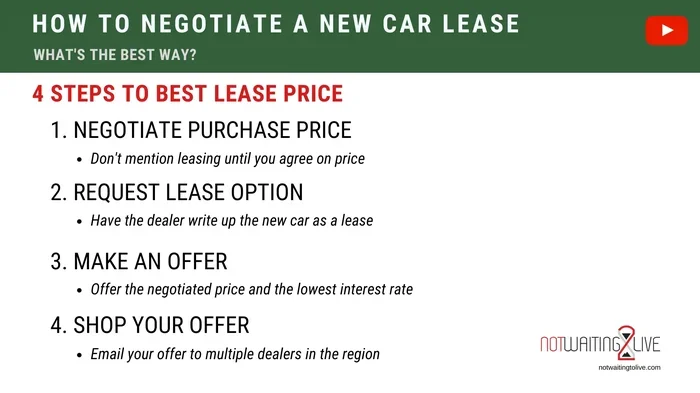
Just like you can negotiate the price on a leased car, you can also try to negotiate the terms of your insurance obligations. Be honest about your situation and ask what options are available.
How Long Do You Need Insurance on a Repossessed Car?
The duration of your insurance obligation depends on several factors. There is no one-size-fits-all answer. Here is what determines how long you need to keep coverage.
Until the Loan Is Paid Off
The most common rule is that you must maintain insurance until the loan balance reaches zero. This is true even if the car has been repossessed and sold. The insurance requirement only ends when the lender has been fully repaid.
If the auction sale does not cover the full balance, you may still owe money. In this case, you need to keep insurance until the remaining balance is settled. Some lenders will work with you on a payment plan for the deficiency balance.
Until the Title Transfers
Another key milestone is the transfer of the vehicle title. Once the car is sold and the title is transferred to the new owner, the insurance requirement typically ends. The new owner will need their own insurance policy anyway.
Make sure you confirm with your lender that the title has been transferred. Do not assume the requirement is over until you have written confirmation.
State-Specific Rules
Insurance laws vary significantly from state to state. Some states have strict requirements for maintaining coverage on financed vehicles. Others are more lenient. Check your state’s Department of Motor Vehicles or insurance commissioner website for specific rules.
Your original loan agreement will also include language about insurance requirements. Read this document carefully to understand your exact obligations.
Common Mistakes People Make With Repossessed Car Insurance
Avoiding common pitfalls can save you money and protect your credit. Here are the mistakes most people make when dealing with insurance after repossession.
Assuming Coverage Ends Automatically
The biggest mistake is assuming your insurance obligation ends when the car is taken. It does not. The lender will continue to monitor your coverage status and will take action if a lapse occurs.
Failing to Notify Your Insurer
Some people forget to tell their insurance company about the repossession. This can lead to issues with your policy. Your insurer needs to know the current status of the vehicle to ensure proper coverage.
Ignoring Force-Placed Insurance Bills
If your lender purchases force-placed insurance, do not ignore the bills. These charges will accumulate quickly and can be added to your loan balance. Address them promptly to avoid further complications.
Dropping All Coverage to Save Money
Cutting corners by dropping all coverage seems logical but is extremely risky. The penalties and long-term credit damage far outweigh any short-term savings.
How to Protect Yourself Financially
Dealing with a repossessed car is stressful enough without adding financial complications. Here are some practical steps to protect yourself.
Get Everything in Writing
Communicate with your lender in writing whenever possible. This creates a paper trail that protects you if disputes arise. Request confirmation of your insurance requirements, loan status, and any agreements you make.
Monitor Your Credit Report
Check your credit report regularly during this process. Look for any negative items related to the repossessed car or insurance lapse. Dispute any errors immediately.
Review Your Insurance Policy
Contact your insurance company and review your current policy. Make sure it still meets your lender requirements. Ask about options for reducing coverage if the car will be off the road for an extended period.
Consider Future Insurance Needs
Once this situation is resolved, think about your future insurance needs. If you plan to purchase another vehicle, maintaining continuous coverage will help you secure better rates. A lapse in coverage can follow you for years in the form of higher premiums.
Expert Insights on Repossessed Car Insurance
Insurance professionals consistently advise keeping coverage active on repossessed vehicles. The risks of dropping insurance far outweigh any potential savings. Lenders have legal tools to enforce insurance requirements, and they will use them.
Financial advisors also emphasize the importance of understanding your loan agreement. The terms you signed when you got the loan determine your obligations. Taking the time to review these terms can save you from unpleasant surprises.
One expert tip: if you are unsure about your insurance requirements, call your lender directly. Ask them to explain exactly what coverage you need and for how long. This simple step can prevent costly mistakes.
Quick Tips for Managing Insurance on a Repossessed Car
- Do not cancel your policy without written confirmation from your lender that the requirement is lifted.
- Keep records of all communications with your lender and insurance company.
- Ask about reduced coverage options if you need to save money on premiums.
- Set calendar reminders for when the auction sale is expected to occur.
- Review your credit report within 30 days of the repossession to check for errors.
- Consider gap insurance if you still owe more than the car’s auction value.
Frequently Asked Questions
Can I Drive My Parents Car Without Insurance After My Car Was Repossessed?
Driving a parent’s car without insurance is risky and potentially illegal. Even if your car was repossessed, you still need coverage to drive any vehicle. Check with your insurer about adding the parent’s car to your policy or explore options like temporary car insurance for short-term needs.
Does Car Insurance Cover a Vehicle That Is Not in My Possession?
Yes, most standard auto insurance policies cover vehicles even when they are not in your possession. This includes repossessed cars that are still on your policy. The coverage protects against theft, fire, and other damages regardless of who is driving the vehicle.
Will a Lapse in Insurance Affect My Ability to Get a New Car Loan?
Absolutely. Insurance lapses are reported to consumer databases and can significantly impact your ability to qualify for future financing. Lenders view gaps in coverage as a sign of financial irresponsibility. Maintaining continuous insurance helps protect your borrowing power.
What Is Force-Placed Insurance and How Does It Work?
Force-placed insurance is a policy purchased by your lender when you fail to maintain coverage. It protects the lender’s interest in the vehicle but is typically much more expensive than standard policies. The cost is added to your loan balance, often with additional administrative fees.
Can I Negotiate Lower Insurance Requirements with My Lender?
While you cannot always negotiate the requirement itself, you can discuss options like reduced coverage limits or temporary policies. Communication is key. Lenders are sometimes willing to work with borrowers who proactively reach out and explain their situation.
How Long Does a Repossession Stay on My Credit Report?
A repossession can remain on your credit report for up to seven years from the date of the first missed payment. The impact on your score is most severe in the first two years and gradually diminishes over time. Maintaining responsible financial behavior, including keeping insurance active, helps minimize the damage.
Conclusion
The answer to Do I have to carry insurance on a repossessed car is almost always yes. Your lender has a legitimate interest in protecting their collateral until the loan is fully resolved. Dropping insurance creates financial and legal risks that can follow you for years.
The best approach is to stay proactive. Communicate with your lender, maintain your coverage, and explore options like temporary insurance if needed. Protecting your credit score and financial future is worth the effort.
Remember, this is a temporary situation. Once the loan is paid off or the vehicle is sold, your insurance obligation ends. Until then, staying insured keeps you protected and your financial future on track. Take the steps today to ensure you are handling this situation correctly.