Is a Cargo Net Necessary for Safe and Secure Hauling
A cargo net is one of the simplest yet most effective tools for keeping your load safe while hauling. Whether you drive a truck, SUV, or van, a cargo net prevents items from shifting, falling, or becoming road hazards. This guide covers when you need a cargo net, the different types available, and how to choose and install the right one for your vehicle.
You have just finished loading up your truck or SUV. Gear, boxes, camping equipment, or maybe a few bags of mulch are stacked high in the back. You slam the tailgate shut and hit the road. But then a bump in the pavement sends a cooler sliding across the bed. A bag of groceries tumbles off the trunk. You grip the wheel tighter and wonder if this is really safe.
This is exactly the kind of moment a cargo net is built to prevent. A simple piece of hauling gear, a cargo net keeps your vehicle cargo from shifting, sliding, or flying off while you drive. Many people overlook this humble tool, but it plays a huge role in safe transport and load security.
So the real question is not whether a cargo net looks good on your truck. The question is whether you can afford to haul without one. In this guide, we will break down everything you need to know about cargo net use, from types and sizes to installation and common mistakes. By the end, you will know exactly whether a cargo net is necessary for your hauling needs.
Key Takeaways
- A cargo net is essential for secure hauling: It keeps your load stable and prevents dangerous debris on the road.
- Multiple types exist for every need: From rope cargo nets to mesh cargo covers, there is a solution for every vehicle.
- Choosing the right size matters: A too-small or too-large net will not perform as expected.
- Proper installation is critical: A loosely installed cargo net can fail when you need it most.
- Common mistakes reduce effectiveness: Avoid overloading, using damaged nets, and skipping inspections.
- Expert tips boost safety: Combine a cargo net with tie-down straps for maximum load security.
- A cargo net pays for itself: It prevents costly damage, fines, and accidents caused by loose loads.
📑 Table of Contents
What Is a Cargo Net and Why Do You Need One?
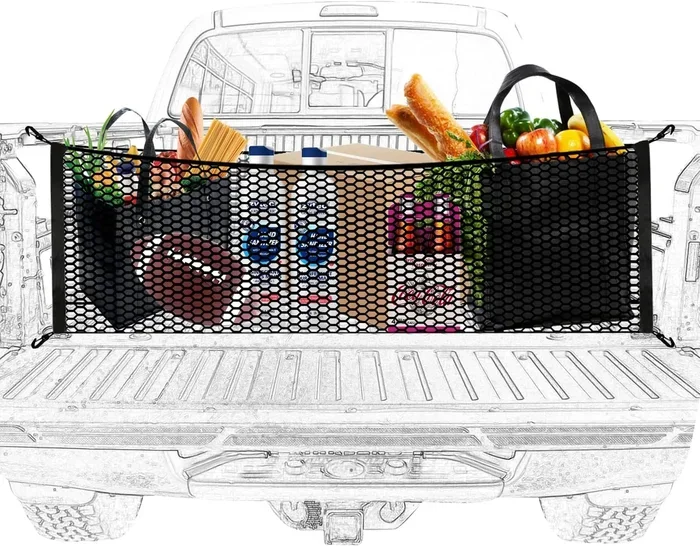
A cargo net is a flexible netting device made from rope, nylon, or elastic cord. It stretches over your load and holds it in place. You can attach it to anchor points, tie-down hooks, or roof rack rails on your vehicle. The goal is simple: keep everything you are hauling from moving around during transit.
Think of a cargo net as a safety blanket for your stuff. Without it, loose items can shift with every turn, brake, and bump. On the highway, a small box flying out of an open truck bed can cause a serious accident. According to the AAA Foundation for Traffic Safety, debris from unsecured loads causes thousands of crashes every year. A cargo net is your first line of defense against that risk.
Beyond safety, a cargo net also protects your belongings. Wind, rain, and road vibration can damage fragile items. A good cargo net or cargo cover shields your gear from the elements. It also keeps smaller items from slipping through gaps in your truck bed or SUV cargo area.
How a Cargo Net Works
The mechanics behind a cargo net are surprisingly simple. The net stretches across your cargo area and hooks onto fixed points. When the load tries to move, the tension in the net resists it. This load restraint system works in every direction, which is why it is so effective.
Most cargo nets use elastic cords or adjustable ropes. You pull the net tight and secure the edges. The tension creates a snug fit around your items. Some nets come with cargo straps or tie-down loops for extra hold. The combination of a cargo net and straps gives you the best cargo retention possible.
When Is a Cargo Net Absolutely Necessary?
Not every trip requires a cargo net. If you are driving to the store with a single bag in the back seat, you probably do not need one. But certain situations make a cargo net not just helpful but essential.
Hauling Loose or Bulky Items
If you are carrying lumber, furniture, bags of soil, or camping gear, a cargo net is a must. These items are bulky and prone to shifting. A cargo net for truck beds keeps them from sliding forward during sudden stops. It also prevents smaller pieces from falling out through the tailgate.
Driving on Highways and Rough Roads
Highway speeds amplify every risk. Wind resistance increases, and a loose item can become a projectile in seconds. Even on well-paved roads, vibrations can slowly shift your load over time. If your route includes rough terrain, potholes, or unpaved sections, a cargo net is non-negotiable. It provides the load security you need to handle unpredictable road conditions.
Transporting Fragile or Valuable Items
Are you hauling electronics, glassware, or expensive equipment? A cargo net adds a layer of protection. It keeps items from bumping into each other and absorbing shocks from road bumps. Combined with padding, a cargo net can make the difference between arriving safely and coming home with a broken load.
Carrying Pets or Children’s Gear
If you transport pet supplies, strollers, or kids’ sports equipment, a cargo net keeps everything contained. A bouncing soccer ball or a bag of dog food sliding across the cabin is not just annoying. It is a distraction that can compromise your focus while driving.
Types of Cargo Nets You Can Choose From
Not all cargo nets are the same. Different types serve different purposes, and choosing the right one depends on your vehicle and what you are hauling. Here is a look at the most common options.
Rope Cargo Nets
Rope cargo nets are the classic choice. They are made from thick nylon or poly rope and are very durable. These nets handle heavy loads well and are popular for truck bed use. They come in square or diamond mesh patterns and can be customized to fit almost any cargo area.
Best for: Heavy-duty hauling, construction materials, and outdoor gear.
Elastic Bungee Cargo Nets
Bungee-style cargo nets use stretchy cords that pull tight across your load. They are easy to install and adjust. You simply hook the edges and let the elasticity do the work. These nets are lightweight and fold up small for easy storage.
Best for: Light to medium loads, daily use, and quick errands.
Mesh Cargo Covers
A mesh cargo cover is a softer, more flexible alternative. It drapes over the cargo area and secures with straps or hooks. Mesh lets air flow through, which reduces wind drag. These covers also offer some weather protection for your items.
Best for: SUV cargo areas, open truck beds, and trips where wind resistance matters.
Roof Cargo Nets
If you carry gear on your roof, a roof cargo net is essential. It straps over your roof rack and holds items like kayaks, bikes, or luggage in place. Roof cargo nets work with roof cargo bags and soft containers to create a secure setup.
Best for: Roof-mounted gear, road trips, and vehicles with roof racks.
Heavy-Duty Chain Cargo Nets
For the toughest hauling jobs, chain cargo nets offer maximum strength. They are used in commercial trucking and heavy equipment transport. These nets are built to handle extreme weight and rough conditions.
Best for: Commercial hauling, heavy machinery, and industrial use.
How to Choose the Right Cargo Net for Your Vehicle
Buying a cargo net is easy. Buying the right one takes a little more thought. Here are the factors you should consider before making a purchase.
Match the Net Size to Your Cargo Area
Measure the length and width of your truck bed, SUV cargo space, or roof rack. A cargo net should fit snugly without stretching too far. If the net is too small, it will not hold the load properly. If it is too large, it will sag and create slack that reduces its effectiveness.
Most manufacturers list net dimensions on the packaging. Compare those numbers to your cargo area before you buy. A properly sized cargo net makes all the difference in load restraint and overall safety.
Check the Weight Rating
Every cargo net has a maximum weight capacity. This rating tells you how much load the net can safely hold. Exceeding this limit can cause the net to snap or stretch beyond its limits. Always check the weight rating and compare it to the total weight of your cargo.
For heavy loads, choose a net rated well above your cargo weight. This gives you a safety margin and ensures the net performs as expected under stress.
Consider the Material
The material affects durability, weather resistance, and ease of use. Nylon nets are strong and resistant to abrasion. Poly rope nets handle UV exposure well and last for years. Elastic bungee cords offer flexibility but may degrade faster in harsh sunlight.
For outdoor use and long-term durability, nylon or poly rope is the best choice. For quick, everyday use, an elastic cargo net works great.
Look for Easy Installation
The best cargo net is one you can install in seconds. Look for nets with multiple attachment points, reinforced hooks, and adjustable straps. A cargo net that is hard to set up will not get used consistently, which defeats the purpose.
Quick-release designs are a bonus. They let you install and remove the net fast, which is especially helpful if you use it daily.
How to Install a Cargo Net the Right Way
Even the best cargo net will not work if you install it incorrectly. Proper installation ensures your load stays secure and your net lasts longer. Here is a step-by-step guide.
Step 1: Position Your Load Evenly
Before you attach the net, arrange your cargo so the weight is balanced. Heavy items go low and toward the center of the vehicle. Lighter items go on top. This distribution helps the cargo net hold everything in place without putting too much strain on one side.
Step 2: Attach the Net to Anchor Points
Hook the corners or edges of the cargo net to your vehicle’s anchor points. Most trucks and SUVs have built-in tie-down loops or hooks. If your vehicle does not have these, you can install aftermarket anchor points or use cargo straps that loop around the cargo area.
Step 3: Pull the Net Tight
Once the edges are attached, pull the net tight across the load. There should be no slack. A loose cargo net will not restrain movement effectively. Use the adjustment features on the net to tighten it evenly across the entire surface.
Step 4: Double-Check All Connections
Give each hook and strap a firm tug. Make sure nothing is loose or misaligned. A quick inspection before you start driving can prevent a load from shifting on the road.
Step 5: Add Straps for Extra Security
For heavy or bulky loads, combine your cargo net with cargo straps or ratchet tie-downs. The net provides surface coverage and prevents small items from shifting. The straps add direct tension that locks the load in place. Together, they offer the best secure load setup possible.
Common Mistakes and Expert Tips for Safe Hauling
Even experienced haulers make mistakes. Knowing what to avoid can save you time, money, and stress. Here are the most common errors and how to fix them.
Common Mistakes to Avoid
- Using a damaged net: Frayed ropes, broken hooks, or stretched elastic cords weaken your cargo net. Always inspect your net before every trip and replace it if you see signs of wear.
- Overloading the net: Every cargo net has a weight limit. Going over that limit can cause the net to fail suddenly. Respect the rated capacity and split heavy loads across multiple nets if needed.
- Skipping regular inspections: A cargo net that worked fine last week may not be safe today. Check for damage, loose connections, and stretched cords after every use.
- Ignoring wind resistance: A loose or poorly fitted cargo net catches wind like a sail. This increases drag, reduces fuel efficiency, and can cause the net to flap loose at highway speeds.
- Relying on a net alone: A cargo net works best when paired with cargo straps and tie-down systems. Using only a net for heavy loads is a risk you should not take.
- Not accounting for road conditions: Rough roads, sharp turns, and sudden braking all put extra stress on your load. If you know your route includes challenging conditions, upgrade your load restraint setup accordingly.
Expert Tips for Better Cargo Security
Professional haulers and logistics experts follow a few simple rules that make a big difference. Here is what the pros do differently.
Use multiple attachment points. The more points you secure your cargo net to, the more stable your load will be. A four-corner setup is the minimum. Add extra straps in the middle for large or heavy loads.
Combine a cargo net with a cargo barrier. For SUVs and vans with open cargo areas, a cargo barrier or net divider adds an extra layer of protection. It keeps items from sliding into the passenger compartment in a sudden stop or collision.
Store your net properly. When not in use, keep your cargo net in a dry, cool place. UV exposure and moisture degrade the material over time. A simple storage bag or bin keeps your net in top shape for years.
Clean your net regularly. Dirt, mud, and salt can weaken the fibers of your cargo netting. Rinse it with water after muddy trips and let it dry completely before storing it.
Upgrade your anchor points. If your vehicle lacks sturdy tie-down points, invest in aftermarket cargo net hooks or rail systems. Strong anchor points make any cargo net more effective and safer to use.
Conclusion
The answer to the question “Is a cargo net necessary?” is a clear yes. A cargo net is one of the simplest, most affordable, and most effective tools for secure hauling. It keeps your load stable, protects your belongings, and prevents dangerous debris from hitting other drivers on the road.
Whether you are a weekend camper, a daily hauler, or someone who just wants to keep groceries from sliding around in the trunk, a cargo net belongs in your hauling gear collection. It takes minutes to install, works with virtually any vehicle, and provides peace of mind every time you hit the road.
Do not wait until something falls off your truck bed or shifts dangerously in your SUV cargo area. Invest in a quality cargo net today, install it properly, and make safe transport a habit. Your load, your vehicle, and everyone else on the road will thank you.
Frequently Asked Questions
Can I use a bungee cord instead of a cargo net?
A bungee cord can hold a single item in place, but it does not provide the same coverage as a cargo net. A net wraps around your entire load and prevents items from shifting in any direction. For full load security, a cargo net is the better choice.
What size cargo net do I need?
Measure the length and width of your cargo area and choose a cargo net that matches or slightly exceeds those dimensions. A net that is too small will not reach the anchor points, and one that is too large will sag. Always check the manufacturer’s size guide before purchasing.
Are cargo nets reusable?
Yes, most cargo nets are designed for repeated use. Nylon and poly rope nets are especially durable and can last for years with proper care. Inspect your net regularly for fraying or damage, and replace it when needed to maintain load restraint.
Can a cargo net damage my vehicle?
A cargo net should not damage your vehicle if you attach it to the designated anchor points and avoid over-tightening. Using hooks on painted surfaces without padding can scratch the finish. Use protective covers or choose nets with rubber-lined hooks to prevent damage.
How do I clean a cargo net?
Rinse your cargo netting with water to remove dirt and debris. For stubborn grime, use a mild soap and a soft brush. Let the net air dry completely before storing it. Avoid harsh chemicals or machine washing, as these can weaken the fibers and reduce the net’s strength.
Is a cargo net necessary for short trips?
Even short trips carry risks. A sudden stop, a sharp turn, or a pothole can send loose items flying. A cargo net takes only seconds to install and provides protection on every trip, no matter the distance. For secure hauling on any route, a cargo net is always a smart investment.