How Long Do Maseratis Last and Are They Really Worth Buying
So how long do Maseratis last? Most well-maintained Maseratis can reach 150,000 to 200,000 miles before major issues arise. These Italian luxury cars offer thrilling performance and stunning design, but they come with higher maintenance costs and reliability concerns compared to mainstream brands. Buying a Maserati is worth it if you love the driving experience and can afford the upkeep.
This is a comprehensive guide about How Long Do Maseratis Last?.
Key Takeaways
- Average Lifespan: A properly maintained Maserati can last between 150,000 and 200,000 miles, depending on the model and driving habits.
- Maintenance Costs Are High: Expect to pay significantly more for repairs and parts compared to Japanese or mainstream luxury brands.
- Model Matters: Some Maserati models like the Ghibli and Quattroporte tend to hold up better than older or rarer models.
- Regular Servicing Is Critical: Skipping oil changes or ignoring warning signs drastically shortens a Maserati’s lifespan.
- Resale Value Drops Fast: Maseratis depreciate quickly, so buying used can be a smart financial move.
- Driving Style Affects Longevity: Gentle driving and proper warm-up routines help preserve the engine and transmission.
- Worth It for Enthusiasts: If you value Italian craftsmanship and driving thrill, a Maserati can still be a rewarding purchase.
[FEATURED_IMAGE_PLACEHOLDER]
How Long Do Maseratis Last and What Affects Their Lifespan
Maseratis are beautiful. They turn heads on every street. They sound incredible. They feel fast even when parked. But here is the question every buyer asks before pulling the trigger: how long do Maseratis last? The honest answer is not simple. It depends on the model, how you drive, and how well you maintain the car.
A well-cared-for Maserati can comfortably reach 150,000 to 200,000 miles. Some owners push their cars even further. But others see major problems by the 80,000-mile mark. The difference usually comes down to maintenance habits, driving conditions, and a bit of luck with the specific car you buy.
Maserati reliability has improved over the years, especially with newer models. But these are still Italian luxury machines. They are not built for low-cost ownership. If you are considering a Maserati, you need to understand what you are getting into. This guide covers everything from engine longevity to repair costs and whether these cars are truly worth the investment.
Average Maserati Lifespan by Model
Not all Maseratis are created equal. Some models are known for durability. Others have more quirks. Let us break down what you can expect from the most popular Maserati models on the road today.
Maserati Ghibli Lifespan
The Ghibli is Maserati’s entry-level sedan. It is also one of the most popular models. With regular maintenance, a Ghibli can last around 150,000 to 180,000 miles. The twin-turbo V6 engine is relatively modern and reliable compared to older Maserati powerplants. However, the Maserati Ghibli lifespan depends heavily on oil changes and avoiding short trips that cause engine buildup.
Maserati Quattroporte Longevity
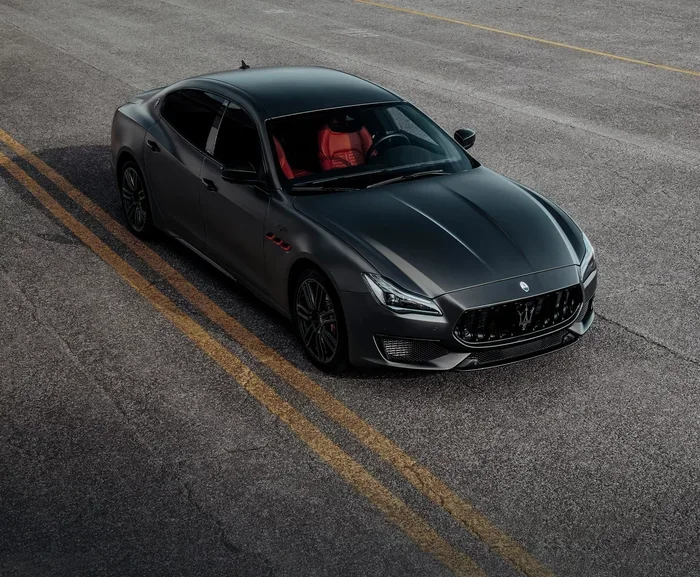
The Quattroporte is Maserati’s flagship sedan. It is larger, more powerful, and more luxurious. Owners report that the Quattroporte can reach 180,000 to 200,000 miles with proper care. The V6 and V8 engines in the Quattroporte are robust when maintained on schedule. Maserati Quattroporte durability is generally good, but the electronics and air suspension can develop issues after 100,000 miles.
Maserati GranTurismo and GranCabrio
The GranTurismo is a grand tourer that combines style with performance. These cars can last 150,000 to 190,000 miles if you keep up with maintenance. The V8 engine is strong, but the convertible tops and luxury interior components can wear out faster. Maserati sports car longevity is decent, but the cost of replacing soft top mechanisms or climate control modules adds up quickly.
Maserati Levante SUV
The Levante is Maserati’s SUV offering. It has become more popular because SUVs are practical. The Levante can last around 150,000 to 180,000 miles. The air suspension is a common failure point. Replacing air struts can cost several thousand dollars per corner. Compare this to a Chevy Tahoe lifespan which can easily exceed 250,000 miles with far lower maintenance costs.
What Factors Determine How Long a Maserati Lasts
Several key factors influence Maserati lifespan. Understanding these can help you make smarter ownership decisions and avoid costly mistakes.
Maintenance Schedule and Service History
This is the single biggest factor. A Maserati that has been serviced on time will last far longer than one that has been neglected. Oil changes every 5,000 to 7,500 miles are essential. The Maserati maintenance schedule also includes transmission fluid changes, brake fluid flushes, and coolant replacements at specific intervals.
Many buyers purchase used Maseratis without full service records. This is risky. You never know if the previous owner skipped services. Always ask for documentation. If the records are incomplete, budget extra for inspections and preventive work.
Driving Habits and Conditions
How you drive matters. Maseratis are performance cars, and they thrive when driven with enthusiasm. But constant hard driving stresses the engine, transmission, and brakes. Short trips in cold weather are especially harmful because the engine does not reach full operating temperature.
Highway driving is generally easier on a Maserati than stop-and-go city driving. The engine stays at a steady temperature, and the transmission shifts smoothly. If you live in a hot climate, cooling system maintenance becomes even more important.
Climate and Storage
Maseratis do not love extreme cold or extreme heat. Cold weather thickens fluids and causes wear. Hot weather stresses cooling systems. If you live in a harsh climate, indoor storage is a must. Moisture and humidity can also cause rust and electrical issues over time.
Parts Availability and Quality
Maserati parts are expensive. They are also sometimes hard to find for older models. Using aftermarket or low-quality parts to save money can cause serious problems down the road. Always use OEM or certified parts for repairs. This is especially true for engine components, safety systems, and electronics.
Common Maserati Problems That Shorten Lifespan
Every car has issues. Maseratis have their share. Knowing what to watch for can save you thousands of dollars and extend your car’s life significantly.
Transmission Issues
The ZF automatic transmission used in most modern Maseratis is generally reliable. But it is not immune to problems. Rough shifting, delayed engagement, or slipping gears are warning signs. At what mileage do transmissions go bad in a Maserati? Typically, transmission issues start appearing around 80,000 to 120,000 miles if the fluid is not changed regularly. Transmission rebuilds can cost $3,000 to $5,000, so prevention through fluid changes is critical.
Electrical Gremlins
Italian electronics can be quirky. Maseratis are no exception. Owners report issues with the infotainment system, climate controls, power windows, and sensor modules. These problems are annoying but usually not dangerous. However, diagnosing electrical issues at a Maserati dealership can be expensive because labor rates are high.
Suspension and Air Ride Failures
The adaptive air suspension found in many Maserati models is a luxury feature. It is also a costly one to repair. Air compressors fail. Air struts leak. Ride height sensors malfunction. Replacing one air strut can cost $800 to $1,500. Replace all four and you are looking at $3,000 or more.
Engine Oil Consumption
Some Maserati engines, particularly the older V8s, are known to consume oil. If you do not check your oil regularly, you risk engine damage. Newer models have improved, but oil consumption should still be monitored. Top off between changes and never let the level drop too low.
Coolant and Overheating
Coolant system failures can lead to overheating. Overheating can destroy an engine. Maseratis use specialized coolant, and the system includes thermostats, water pumps, and radiators that can fail over time. Regular coolant flushes as per the maintenance schedule help prevent this.
Maserati Maintenance Costs: What to Expect
Let us talk numbers. Because this is where many buyers get surprised. Maseratis are luxury cars, and luxury means higher costs.
Routine Maintenance Costs
An oil change for a Maserati costs between $200 and $400 at a dealership. An independent Maserati specialist might charge $100 to $200 less. Oil changes should happen every 5,000 to 7,500 miles. That adds up to $800 to $1,600 per year if you drive 15,000 miles annually.
Tire replacements are also pricey. Performance tires for a Maserati cost $300 to $600 per tire. Brake pads and rotors run $500 to $1,000 per axle. These are not cheap cars to maintain.
Major Repair Costs
Major repairs on a Maserati can be shocking. Here is a quick look at common expensive repairs:
- Transmission rebuild: $3,000 to $5,000
- Air suspension compressor: $800 to $1,500
- Engine timing belt: $1,500 to $3,000
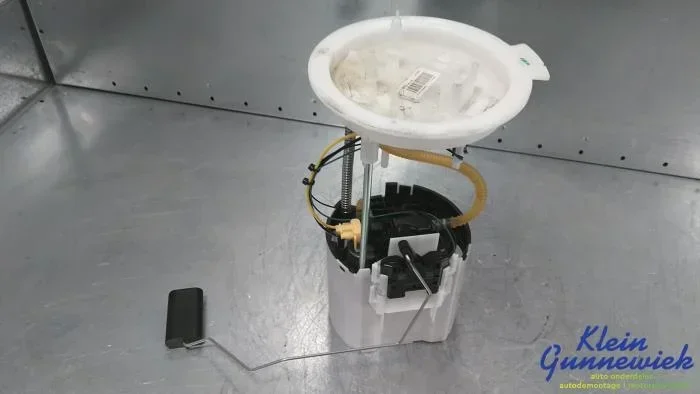
- Fuel pump replacement: $1,000 to $2,000
- Clutch replacement (manual models): $1,500 to $2,500
These costs are higher than what you would pay for a Honda or Toyota. But they are in line with other luxury brands like BMW and Mercedes-Benz. The key difference is that Maserati parts are often rarer, which can drive up costs even more.
Do You Have to Reset After an Oil Change?
Yes, most Maseratis require you to reset the oil change indicator after each service. If you are unsure how to do this, it is a simple process found in the owner’s manual. Some owners prefer to have the dealer handle it, but you can also learn to do it yourself. For more details on this process, check our guide on whether you should reset after an oil change and how it applies to luxury vehicles.
Are Maseratis Worth Buying? Honest Pros and Cons
Now for the big question. Is a Maserati worth your money? Let us look at both sides honestly.
Pros of Owning a Maserati
- Stunning Design: Maseratis look incredible. The Italian design is world-class and turns heads everywhere.
- Thrilling Performance: The acceleration, handling, and sound are addictive. These cars were built to be driven.
- Luxury Interior: Premium leather, quality materials, and a refined cabin make every drive special.
- Brand Prestige: Maserati carries a certain cachet. It is not as common as BMW or Mercedes, which some buyers prefer.
- Strong Resale for Models in Demand: Popular models like the Ghibli and GranTurismo hold value better than rarer models.
Cons of Owning a Maserati
- High Maintenance Costs: Repairs and servicing are expensive. Budget at least $1,500 to $3,000 per year for routine upkeep.
- Poor Reliability Ratings: Maseratis consistently rank below Lexus, BMW, and Mercedes in reliability surveys.
- Rapid Depreciation: A new Maserati can lose 40% to 50% of its value in the first three years.
- Limited Dealer Network: Finding a qualified Maserati mechanic can be difficult outside major cities.
- Parts Wait Times: Ordering parts can take weeks, leaving you without your car for extended periods.
How Do Maseratis Compare to Other Luxury Brands?
Let us put it in perspective. A Maserati Ghibli competes with the BMW 5 Series, Mercedes E-Class, and Lexus GS. The BMW and Mercedes offer better reliability and lower maintenance costs. The Lexus offers the best long-term ownership experience. But none of them sound or look quite like a Maserati. The trade-off is clear: you sacrifice reliability and savings for style, sound, and Italian passion.
If you want a car that lasts forever with minimal issues, look at a Honda Accord or a Toyota Camry. But if you want a car that makes you smile every time you turn the key, a Maserati delivers in a way no mainstream car can match.
Tips to Make Your Maserati Last Longer
Want to maximize your Maserati’s lifespan? Follow these practical tips from experienced owners and specialists.
1. Stick to the Maintenance Schedule
Do not skip oil changes. Do not ignore warning lights. Follow the factory maintenance schedule to the letter. This is the single best thing you can do for your car’s longevity.
2. Find a Specialist Mechanic
Do not take your Maserati to a general garage. Find a shop that specializes in Italian luxury cars. They know the systems, they have the tools, and they charge less than a dealership.
3. Check Fluids Regularly
Between service intervals, check your oil, coolant, brake fluid, and transmission fluid. Low fluids cause damage. Catching a low level early prevents expensive repairs.
4. Drive Warm, Not Hot
Let the engine warm up for 30 seconds to a minute before driving hard. Avoid redlining a cold engine. On the flip side, do not let the car overheat. Monitor your temperature gauge and pull over if it climbs.
5. Store Properly
If you are not driving your Maserati daily, store it in a climate-controlled garage. Use a battery tender. Inflate tires to the proper pressure. A car that sits unused develops problems faster than one that is driven regularly.
6. Buy with Service Records
When buying a used Maserati, always request full service records. A car with documented maintenance history is worth paying more for. It gives you confidence and reduces the risk of hidden problems.
Final Verdict: Are Maseratis Worth It?
How long do Maseratis last? With proper care, 150,000 to 200,000 miles is realistic. Some go further. Some fall short. The range is wide because ownership experience varies so much.
Are they worth buying? That depends on what you value. If you prioritize reliability and low costs, a Maserati is probably not the right choice. If you value driving pleasure, Italian style, and the thrill of owning something special, a Maserati can be incredibly rewarding.
The smartest approach is to buy a used model with a solid service history. This lets you enjoy the Maserati experience while the car absorbs most of its depreciation. Budget for maintenance. Find a good specialist. And drive it often. Maseratis were made to be driven, not garage queens.
Ultimately, Maserati reliability has improved, and the cars are more durable than their reputation suggests. Just go in with your eyes open. Know what you are signing up for. And enjoy every mile of the ride.
FAQs
What is the average lifespan of a Maserati?
A well-maintained Maserati typically lasts between 150,000 and 200,000 miles. Some models can exceed 200,000 miles with excellent care. However, neglect or poor maintenance can cause major issues well before 100,000 miles.
Are Maseratis reliable cars to own?
Maseratis are below average in reliability compared to mainstream brands. They rank similarly to other luxury European brands like BMW and Alfa Romeo. Regular maintenance and using quality parts significantly improve Maserati reliability over time.
How much does it cost to maintain a Maserati per year?
Annual maintenance costs for a Maserati typically range from $1,500 to $3,000. This includes oil changes, fluid replacements, brake work, and general inspections. Major repairs can add several thousand dollars more in any given year.
Can a Maserati last 200,000 miles?
Yes, a Maserati can last 200,000 miles if properly maintained. This is more likely with models that have newer engines and better engineering. Consistent oil changes, timely fluid replacements, and addressing issues early are key to reaching this milestone.
Why do Maseratis depreciate so quickly?
Maseratis depreciate fast because of low demand, high maintenance costs, and a reputation for reliability concerns. New Maseratis can lose 40% to 50% of their value within three years. Buying used is the best way to avoid steep depreciation.
What is the most reliable Maserati model?
The Maserati Ghibli and Quattroporte are generally considered the most reliable models. They use modern engines and have been on the market long enough for design flaws to be addressed. The GranTurismo is also well-regarded for its durability among enthusiasts.
Frequently Asked Questions
What is How Long Do Maseratis Last??
How Long Do Maseratis Last? is an important topic with many practical applications.