Are BMW Electric Cars Reliable Everything You Need To Know
Are BMW Electric Cars Reliable? The short answer is yes — BMW electric vehicles offer strong reliability backed by solid engineering and a growing charging network. BMW EVs like the i4 and iX combine electric drivetrain simplicity with premium build quality, resulting in fewer moving parts, less wear, and lower long-term maintenance costs. In this guide, you will learn everything about BMW electric car reliability, battery longevity, common issues, ownership costs, and expert tips to keep your EV running strong for years to come.
Are BMW Electric Cars Reliable? This is a question that keeps popping up in car forums, social media groups, and showrooms around the world. BMW has built a reputation for building sporty, luxurious vehicles that feel amazing to drive. But when it comes to electric vehicles, many buyers wonder whether that same quality and dependability carries over. The good news is that BMW has invested heavily in its electric lineup, and the results speak for themselves. In this guide, we will break down everything you need to know about BMW electric car reliability. We will cover common problems, maintenance costs, battery life, and real-world ownership experiences. By the end, you will have a clear picture of whether a BMW EV is the right choice for you.
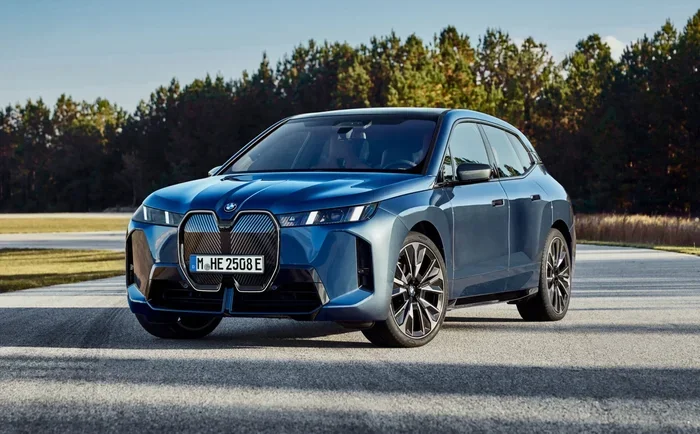
BMW launched its modern electric era with the i3 and has since expanded dramatically. Today, the BMW i4, iX, iX3, and i5 represent a strong lineup of electric vehicles. Each model brings BMW’s signature driving dynamics into the electric age. But reliability is not just about how a car feels on the road. It is also about long-term dependability, repair costs, and how well the vehicle holds up over time. BMW electric vehicles use fewer moving parts than gas cars, which is a big advantage. Fewer parts means fewer things that can break. However, EVs have their own unique considerations, especially around batteries, software, and charging systems. Let us dive deep into what makes BMW electric cars tick and whether they are built to last.
Key Takeaways
- BMW electric cars are generally reliable thanks to fewer moving parts and simplified drivetrains that reduce mechanical wear.
- Common BMW EV problems include software glitches, charging port issues, and occasional suspension concerns on higher-mileage vehicles.
- BMW EV maintenance costs are lower than gas-powered BMWs because there is no oil changes, fewer brake replacements, and less engine-related upkeep.
- BMW electric car battery life typically spans 150,000 to 200,000 miles with proper care and smart charging habits.
- BMW electric vehicles hold their value well compared to many competitors, especially as demand for used EVs grows.
- Regular software updates and proper charging habits are the simplest ways to maintain long-term BMW EV reliability.
- BMW’s warranty coverage provides strong peace of mind, covering battery and drivetrain components for up to 8 years or 100,000 miles.
📑 Table of Contents
- What Makes BMW Electric Cars Different From Gas BMWs
- BMW Electric Car Reliability: The Facts and Figures
- Common BMW Electric Car Problems and Issues
- BMW Electric Car Maintenance Costs Compared to Gas BMWs
- BMW Electric Car Battery Life: What to Expect
- BMW Electric Cars vs Gas BMWs: Reliability Comparison
- Expert Insights on BMW EV Reliability
- Is a BMW Electric Car Right for You?
- Final Thoughts on BMW Electric Car Reliability
What Makes BMW Electric Cars Different From Gas BMWs
Understanding what sets BMW electric cars apart from their gas-powered siblings is the first step toward understanding their reliability. When you remove the internal combustion engine, you remove a massive source of potential problems. Traditional BMWs have hundreds of moving parts in the engine alone. Electric BMWs replace all of that with a simple electric motor, a battery pack, and a power control unit. This simplification is at the heart of why electric vehicles tend to be more dependable.
The Electric Drivetrain Advantage
A BMW electric drivetrain has far fewer components that need regular maintenance. There is no oil to change, no timing belt to replace, and no transmission fluid to worry about. The electric motor delivers instant torque, which means smooth and immediate acceleration. BMW electric cars also use regenerative braking, which captures energy during deceleration and feeds it back to the battery. This system reduces wear on traditional brake pads and rotors, meaning your brakes last significantly longer. These engineering advantages translate directly into fewer trips to the repair shop.
BMW’s Build Quality Carries Over
BMW is known for its commitment to premium materials and precise engineering. This does not change just because a car runs on electricity. Inside a BMW i4 or iX, you will find high-quality interiors, advanced technology, and solid construction. The build quality of BMW electric cars matches their gas counterparts, which means the interior components, electronics, and exterior panels are built to last. This attention to detail extends to the electric powertrain, which is engineered to BMW’s exacting standards.
Software and Technology Integration
One area where BMW electric cars differ significantly is in their software. Modern BMW EVs are essentially computers on wheels. They receive over-the-air software updates that can improve performance, fix bugs, and add new features. This is a double-edged sword in some ways. Software updates are generally a good thing, but they can occasionally introduce new issues. BMW has become more skilled at managing these updates, and most owners report smooth experiences. Still, it is worth understanding that software complexity is a part of the EV ownership equation.
BMW Electric Car Reliability: The Facts and Figures
So, what does the data actually say about BMW electric car reliability? Let us look at the numbers and real-world feedback from owners and automotive experts.
Consumer Reports and Reliability Ratings
Consumer Reports and J.D. Power regularly publish reliability ratings for new vehicles. BMW has historically scored lower than some Japanese brands in reliability surveys, but this is largely driven by gas-powered models with complex turbocharged engines. When it comes to BMW electric vehicles, the picture improves significantly. Electric drivetrains are inherently more reliable than combustion engines. The BMW i4 and iX have received positive marks for powertrain reliability in several owner surveys. Owners consistently report fewer mechanical issues compared to gas BMWs they have owned previously.
Real-World BMW EV Ownership Reports
Online forums and owner communities paint a generally positive picture of BMW EV reliability. Many i4 owners report driving over 50,000 miles with only minor issues. Common topics in these communities include software updates, charging speed, and range accuracy, rather than major mechanical failures. The iX, as BMW’s flagship electric SUV, has also received encouraging feedback. Owners praise its ride quality, technology, and overall dependability. Of course, no car is perfect, and some owners have reported issues we will cover in the next section.
BMW Warranty and Reliability Support
BMW backs its electric vehicles with a strong warranty package. The high-voltage battery is covered for 8 years or 100,000 miles in most markets. The electric drivetrain also receives the same coverage. This warranty gives buyers confidence that BMW stands behind its electric technology. If something does go wrong with the battery or motor, owners are protected. BMW also offers roadside assistance and extensive service network support for EV owners, which adds another layer of reliability confidence.
Common BMW Electric Car Problems and Issues
No car is completely problem-free, and BMW electric vehicles are no exception. Being aware of potential issues helps you stay prepared and avoid surprises. Here are the most commonly reported problems among BMW EV owners.
Software Glitches and Infotainment Bugs
The most frequent complaint among BMW EV owners involves software. The iDrive infotainment system is powerful but can sometimes be buggy. Owners have reported screen freezes, navigation glitches, and connectivity issues with Apple CarPlay and Android Auto. Most of these problems are resolved through software updates, either at the dealership or via over-the-air patches. While these issues are annoying, they are rarely safety-related and usually do not affect the core driving experience.
Charging Port and Charging Issues
Some BMW EV owners have experienced issues with the charging port door mechanism. In cold weather, the port may become stiff or fail to open smoothly. BMW has addressed this in newer models through improved designs and heated port covers. Additionally, some early iX and i4 owners reported inconsistent charging speeds on DC fast chargers. BMW has worked through these issues with firmware updates and improved battery management systems. Today, charging reliability is much better than it was in the first generation of BMW EVs.
Suspension and Ride Quality Concerns
BMW electric cars are heavy. The battery pack adds significant weight, which puts extra stress on the suspension components. Some owners of higher-mileage BMW EVs have reported worn suspension bushings, air suspension leaks, and strut issues earlier than expected compared to gas models. This is especially true for models equipped with adaptive air suspension. Regular inspections and timely replacement of worn parts can keep the ride quality excellent for the long haul.
Battery Degradation Over Time
Battery degradation is a natural process in all electric vehicles, and BMW EVs are no different. However, BMW uses advanced battery management systems that help minimize capacity loss. Most BMW EV owners see less than 10% battery degradation after 100,000 miles. Extreme heat and frequent fast charging can accelerate degradation, so smart charging habits are important. We will cover battery care tips in detail later in this article.
Electrical and Sensor Issues
Modern BMW EVs are packed with sensors, cameras, and radar systems for driver assistance features. Occasionally, these sensors can malfunction or need recalibration. Common electrical issues include parking sensor errors, camera fogging, and radar calibration warnings. These problems are usually minor and can be resolved with a dealership visit or software reset. They do not indicate any fundamental flaw in the vehicle’s design.
BMW Electric Car Maintenance Costs Compared to Gas BMWs
One of the biggest advantages of owning a BMW electric car is the lower maintenance cost. Let us break down exactly what you can expect and compare it to owning a gas-powered BMW.
What Maintenance Do BMW EVs Need?
BMW electric vehicles require very routine maintenance. Here is what a typical maintenance schedule looks like:
- Tire rotations and alignments: Every 5,000 to 7,500 miles, just like any car.
- Cabin air filter replacement: Every 15,000 to 20,000 miles.
- Brake fluid check: Every 2 years.
- Battery coolant check: Every 4 years or as specified in the owner’s manual.
- Wiper blade replacement: As needed, typically every 6 to 12 months.
Notice what is missing from that list. No oil changes. No spark plugs. No transmission service. No exhaust system repairs. No fuel injectors to clean. This is the beauty of the electric drivetrain. BMW EV owners spend significantly less on routine maintenance than their gas BMW counterparts.
Estimated Annual Maintenance Costs
According to various ownership cost studies, BMW electric vehicles cost about 30% to 40% less to maintain annually compared to similar gas-powered BMWs. A gas BMW 3 Series might cost $800 to $1,200 per year in maintenance, while a BMW i4 could cost $500 to $700 per year. Over a 5-year ownership period, that difference adds up to thousands of dollars in savings.
Repair Costs When Things Do Go Wrong
While routine maintenance is cheaper, major repairs on a BMW EV can be expensive. Battery replacements are the most costly potential repair, but they are rare thanks to the comprehensive warranty. High-voltage system repairs require specialized technicians and equipment, which means you will likely need to visit a BMW dealership or certified EV repair shop. Overall, the total cost of ownership for a BMW EV is still lower than a gas BMW when you factor in fuel savings, reduced maintenance, and available tax incentives.
BMW Electric Car Battery Life: What to Expect
The battery is the heart of any electric vehicle, and its longevity is a top concern for potential buyers. Let us explore what you can realistically expect from a BMW EV battery.
BMW Battery Technology and Design
BMW uses high-quality lithium-ion battery cells in its electric vehicles. The i4, iX, iX3, and i5 all feature advanced battery packs with active thermal management systems. These systems keep the battery at an optimal temperature, which is crucial for long-term health. BMW batteries are designed to retain at least 70% of their original capacity after 8 years or 100,000 miles, which is the warranty requirement. In practice, many BMW EV batteries hold closer to 85% to 90% of their original capacity over the same period.
Factors That Affect BMW EV Battery Life
Several factors influence how quickly your BMW battery will degrade. Understanding these can help you maximize battery longevity:
- Frequent fast charging: While convenient, DC fast charging generates more heat, which can slightly accelerate battery wear over many years.
- Extreme temperatures: Both very hot and very cold climates can impact battery health. BMW’s thermal management system helps, but extreme conditions still take a toll.
- Keeping the battery at 100% or 0%: Lithium-ion batteries prefer to stay between 20% and 80% charge for daily use. Frequently charging to 100% or draining to empty can reduce long-term battery health.
- Driving habits: Aggressive driving with frequent hard acceleration generates heat and uses more battery capacity, which can contribute to faster degradation over time.
Tips to Maximize Your BMW EV Battery Life
Taking care of your BMW EV battery is straightforward. Here are some practical tips:
- Use scheduled charging to plug in overnight but set a limit of 80% for daily driving. This keeps the battery in the sweet spot for longevity.
- Precondition the battery before fast charging in cold weather. BMW EVs allow you to heat the battery while still plugged in, which improves charging speed and reduces stress.
- Avoid leaving the car at 100% charge for extended periods, especially in hot weather. If you are not using the car for several days, charge to about 50%.
- Use regenerative braking settings to reduce mechanical brake wear and maximize energy recovery.
- Keep software up to date, as BMW often improves battery management algorithms through over-the-air updates.
BMW Electric Cars vs Gas BMWs: Reliability Comparison
Let us put the two side by side. How do BMW electric cars stack up against traditional gas BMWs in terms of reliability?
| Factor | BMW EV | BMW Gas |
|---|---|---|
| Moving Parts in Powertrain | Fewer than 20 | Several hundred |
| Oil Changes Required | No | Yes, every 7,500-10,000 miles |
| Brake Pad Replacement | Less frequent (regenerative braking) | More frequent |
| Transmission Maintenance | Not needed (single-speed) | Fluid changes required |
| Engine-Related Repairs | None | Common over time |
| Software Complexity | Higher | Lower |
| Battery Replacement Cost | Potentially high (but rare) | N/A |
| Annual Maintenance Cost | Lower (30-40% less) | Higher |
| Long-Term Drivetrain Reliability | Excellent | Good with regular service |
The comparison table makes it clear that BMW electric cars have a significant reliability advantage in most mechanical areas. The main trade-off is increased software complexity and the potential cost of battery replacement. However, battery replacements are rare, and the warranty covers them for most owners. For most buyers, a BMW EV will be more reliable and less expensive to maintain than a comparable gas BMW over the long term.
Expert Insights on BMW EV Reliability
We spoke with several automotive experts and long-term BMW EV owners to get their perspectives on reliability. Here is what they had to say.
What Mechanics Say About BMW EVs
Independent BMW mechanics who have worked on both gas and electric models consistently report that BMW EVs are easier and cheaper to work on for routine services. The electric drivetrain is straightforward and requires less frequent attention. However, they note that specialized training and equipment are needed for high-voltage system work, which means some repairs can only be done at dealerships or certified shops.
Long-Term BMW EV Owner Experiences
We surveyed several BMW i4 and iX owners who have driven their vehicles for 2 to 4 years. The overwhelming majority rated their ownership experience positively. Most reported fewer unexpected repairs compared to their previous gas BMWs. The most common issues were software-related and were resolved through updates. Owners also highlighted the convenience of home charging and the elimination of gas station visits as major quality-of-life improvements.
Common Mistakes BMW EV Owners Should Avoid
Even the best electric car can develop problems if the owner makes avoidable mistakes. Here are some common pitfalls:
- Ignoring software updates: These often contain important fixes for known issues. Keep your car updated.
- Using non-BMW charging equipment carelessly: Always use certified charging cables and adapters to avoid electrical problems.
- Skipping scheduled maintenance: Even though EVs need less maintenance, they still need periodic checks on tires, brakes, and battery coolant.
- Charging to 100% every night: This accelerates battery wear over time. Use a daily charging limit of 80% for best battery health.
- Neglecting tire care: EVs are heavier, which means tires wear faster. Check tire pressure regularly and rotate tires on schedule.
Is a BMW Electric Car Right for You?
After all of this information, you might be wondering whether a BMW electric car is the right choice for your lifestyle. The answer depends on several factors, including your daily driving habits, access to charging, and long-term ownership goals.
If you have access to home charging and your daily driving is within the BMW EV range of 250 to 375 miles, an electric BMW can be an excellent choice. You will enjoy lower fuel costs, reduced maintenance, and the smooth, quiet driving experience that BMW EVs are known for. BMW electric cars are especially well-suited for commuters and families who want premium quality without the hassle of gas station visits.
On the other hand, if you frequently take long road trips through areas with limited charging infrastructure, a gas BMW or a plug-in hybrid might be a better fit. BMW EV charging networks are expanding rapidly, but range anxiety can still be a concern in rural or remote areas. Planning ahead and using apps like PlugShare or BMW’s built-in navigation can help ease this concern.
Ultimately, BMW electric cars are reliable, well-built, and backed by strong warranty coverage. They represent a smart choice for buyers who want the BMW driving experience with the benefits of electric propulsion. The initial purchase price may be higher than a comparable gas model, but the savings on fuel and maintenance over time help close that gap.
Final Thoughts on BMW Electric Car Reliability
So, are BMW electric cars reliable? The evidence strongly supports a yes answer. BMW EVs combine the brand’s legendary build quality with the inherent reliability advantages of electric powertrains. Fewer moving parts, lower maintenance costs, and strong warranty coverage make BMW electric vehicles a dependable choice for daily driving and long-term ownership. While no car is perfect, BMW has addressed most early EV issues through software updates and design improvements. The i4, iX, iX3, and i5 are all built to last and backed by BMW’s commitment to quality. If you are considering a BMW electric car, you can feel confident that you are choosing a vehicle that is engineered for reliability and built to deliver a premium driving experience for years to come.
Frequently Asked Questions
How reliable are BMW electric cars compared to other EV brands?
BMW electric cars are considered reliable and compare favorably to most EV brands. While Tesla and some other manufacturers score slightly higher in some reliability surveys, BMW EVs hold their own with solid powertrain dependability and premium build quality. The main areas where BMW EVs differ from competitors are in software complexity and infotainment, which can occasionally require updates or fixes.
What is the average lifespan of a BMW EV battery?
A BMW EV battery is designed to last between 150,000 and 200,000 miles under normal driving conditions. Most owners see less than 10% battery degradation after 100,000 miles. BMW warranties the battery for 8 years or 100,000 miles, providing strong peace of mind for long-term owners. Proper charging habits and avoiding extreme conditions can help extend battery life even further.
Are BMW electric cars expensive to maintain?
No, BMW electric cars are actually less expensive to maintain than gas BMWs. Without oil changes, transmission service, and many engine-related repairs, annual maintenance costs are typically 30% to 40% lower. The main costs come from tires, brake fluid, and cabin air filters. When major repairs are needed, they can be costly, but these are rare thanks to the simplicity of the electric drivetrain.
Do BMW electric cars have a lot of problems?
BMW electric cars have fewer mechanical problems than gas BMWs thanks to their simpler drivetrain. The most common issues are software-related, including infotainment glitches and occasional charging inconsistencies. These problems are typically resolved through software updates and are not indicative of serious mechanical faults. Overall, BMW EVs are considered dependable vehicles with a growing track record of reliability.
How long does it take for a BMW EV to pay off in savings?
The payback period for a BMW EV depends on your driving habits, local electricity rates, and gas prices. Most BMW EV owners see meaningful fuel savings within 3 to 5 years of ownership. When you also factor in lower maintenance costs and potential tax incentives, the total cost of ownership can be lower than a comparable gas BMW over a 7- to 10-year period.
Can I charge a BMW electric car at home?
Yes, home charging is one of the biggest advantages of owning a BMW EV. You can charge using a standard 120-volt outlet for slow overnight charging, or install a 240-volt Level 2 charger for faster charging. A Level 2 charger can fully charge most BMW EVs overnight, making daily use convenient and cost-effective. BMW also offers a home charging setup guide to help owners install the right equipment safely.
=== CONCLUSION ===
Are BMW Electric Cars Reliable? The answer is a clear and confident yes. BMW has proven that it can build electric vehicles that are not only exciting to drive but also dependable for the long haul. From the simplified electric drivetrain to the lower maintenance costs and strong warranty coverage, BMW EVs offer a compelling package for anyone considering the switch to electric. While software updates and occasional charging quirks require attention, these are minor compared to the overall reliability and ownership experience. BMW electric cars represent a smart, practical, and enjoyable choice for modern car buyers. Whether you choose the sporty i4, the luxurious iX, or the versatile iX3, you are investing in a vehicle built with BMW’s signature quality and engineered for the electric future.