Does Alfa Romeo Require Premium Gas or Regular Fuel
Most Alfa Romeo vehicles require premium gasoline with an octane rating of 91 or higher. Using regular fuel can lead to engine knock, reduced performance, and potential long-term damage to your turbocharged engine. However, the exact fuel requirement depends on your specific Alfa Romeo model and engine type.
If you own an Alfa Romeo or are thinking about buying one, you have probably wondered about the fuel question. Does Alfa Romeo require premium gas, or can you save a few bucks at the pump with regular unleaded? This is a question that comes up a lot among car owners, especially those new to the brand.
The short answer is that most Alfa Romeo vehicles need premium gasoline. But the full story has some important details that every driver should know. Your fuel choice affects engine performance, fuel economy, and even the long-term health of your car. In this guide, we will walk through everything you need to know about fuel requirements for Alfa Romeo vehicles.
We will look at the difference between premium and regular gas, explain what happens if you use the wrong fuel, and give you practical tips to save money without risking damage. Whether you drive a Giulia, a Stelvio, or another Alfa Romeo model, this article has you covered.
Key Takeaways
- Premium fuel is recommended: Most Alfa Romeo models need premium gasoline for best engine performance and longevity.
- Regular gas can cause problems: Using lower octane fuel may trigger engine knock and reduce power in turbocharged engines.
- Check your owner’s manual: Your specific Alfa Romeo model will have a clear fuel type recommendation on the fuel door or in the manual.
- Cost matters: Premium gas costs more per gallon, but skipping it can lead to expensive repairs down the road.
- Some older models may tolerate regular: Certain non-turbocharged Alfa Romeo engines may run on regular fuel, but premium is still preferred.
- Fuel economy varies: Premium fuel can improve fuel efficiency in high-performance engines, offsetting some of the higher cost.
- When in doubt, go premium: Following the manufacturer’s fuel recommendation protects your engine and warranty.
📑 Table of Contents
- Understanding Fuel Requirements for Alfa Romeo Vehicles
- Premium vs Regular Gas: What Is the Real Difference?
- Alfa Romeo Models and Their Fuel Needs
- What Happens If You Use Regular Gas in an Alfa Romeo?
- Tips to Save Money on Premium Fuel
- The Bottom Line: Premium or Regular?
- Frequently Asked Questions
Understanding Fuel Requirements for Alfa Romeo Vehicles
Every car manufacturer sets a fuel type recommendation based on the engine design. Alfa Romeo builds high-performance vehicles with turbocharged engines. These engines have a higher compression ratio than standard engines. That means they pack more air and fuel into each cylinder before ignition.
Higher compression engines need fuel that resists premature ignition. This is where the octane rating comes in. Premium gasoline has a higher octane rating, usually 91 or above. Regular unleaded fuel typically has an octane rating of 87.
Why Octane Rating Matters
The octane rating measures a fuel’s ability to resist “knocking.” Engine knock happens when the air-fuel mixture ignites too early in the combustion chamber. This can cause a knocking or pinging sound. Over time, engine knock can lead to serious engine damage.
Alfa Romeo engines are tuned for premium fuel. The engine control unit, or ECU, adjusts timing based on the fuel type. When you use the recommended octane level, the engine runs smoothly and delivers the power you expect.
Here are some key points about Alfa Romeo fuel requirements:
- Premium gasoline (91 octane or higher) is the standard recommendation for most models.
- Regular unleaded (87 octane) is not recommended and may cause engine problems.
- Mid-grade fuel (89 octane) is also not ideal for most Alfa Romeo engines.
- Always check the fuel door or owner’s manual for your specific model’s requirement.
Premium vs Regular Gas: What Is the Real Difference?
Not all gasoline is created equal. At the pump, you typically see three grades: regular, mid-grade, and premium. The main difference between them is the octane rating. But what does that actually mean for your car?
What Makes Premium Gas Different
Premium gasoline contains additives and a higher octane rating. This allows it to withstand more compression before igniting. In a high-performance engine like those found in Alfa Romeo vehicles, this is essential. The fuel burns more evenly and controlled, which leads to smoother power delivery.
Premium fuel also tends to have cleaner-burning properties. Some brands add detergents that help keep the fuel injectors and intake valves clean. This can improve engine performance over time and reduce carbon buildup.
What Makes Regular Gas Different
Regular unleaded fuel is designed for standard engines with lower compression ratios. It is cheaper, which is why many drivers prefer it. But in a turbocharged or high-performance engine, regular fuel may not burn correctly. This can lead to a range of problems, from minor performance drops to serious mechanical issues.
Here is a simple comparison of the two fuel types:
- Pump Price: Regular is cheaper per gallon, but premium may save you money on repairs.
- Octane Rating: Regular is 87, premium is 91 or higher.
- Engine Compatibility: Regular works for standard engines; premium is needed for high-performance engines.
- Engine Knock Risk: Regular fuel has a higher risk of knock in turbocharged engines.
- Fuel Economy: Premium fuel may improve fuel efficiency in performance engines.
Alfa Romeo Models and Their Fuel Needs
Not every Alfa Romeo model is the same. Different models use different engines, and each engine has its own fuel requirements. Let us look at some of the most popular Alfa Romeo models and what fuel they need.
Alfa Romeo Giulia
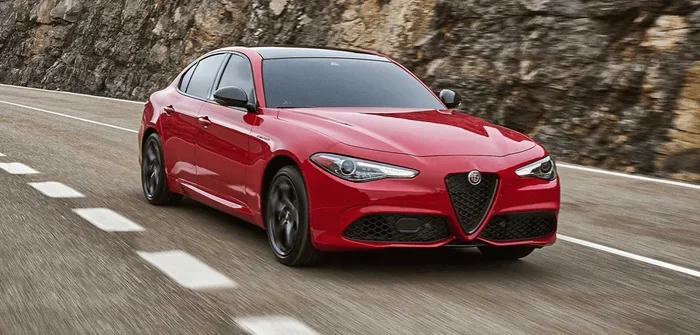
The Giulia is one of Alfa Romeo’s most popular sedans. It comes with a turbocharged 2.0-liter four-cylinder engine in the base model. This engine requires premium gasoline with an octane rating of 91 or higher. The twin-turbo V6 variant found in the Giulia Quadrifoglio has even more demanding fuel needs.
Using regular fuel in a Giulia can lead to noticeable loss of power. You may also hear engine knock, especially under heavy acceleration. Over time, this can cause wear on internal engine components.
Alfa Romeo Stelvio
The Stelvio is Alfa Romeo’s compact luxury SUV. It shares the same engine platforms as the Giulia, so the fuel requirements are very similar. The base Stelvio needs premium gasoline, and the Stelvio Quadrifoglio with its powerful V6 engine absolutely requires premium fuel.
SUVs are heavier than sedans, so the engine works harder. Using the wrong fuel type can make this even worse. The turbocharger in the Stelvio relies on proper fuel combustion to deliver the torque and acceleration you expect from a luxury SUV.
Other Alfa Romeo Models
Alfa Romeo has had many models over the years, and some older ones may have different fuel needs. For example:
- Alfa Romeo 4C: This mid-engine sports car uses a turbocharged engine and requires premium fuel.
- Older Alfa Romeo models: Some vintage models with naturally aspirated engines may tolerate regular fuel, but premium is still recommended.
- Alfa Romeo Tonale: This newer compact SUV also requires premium gasoline for its turbocharged engine.
No matter which Alfa Romeo model you drive, the safest approach is to follow the manufacturer’s recommendation. When in doubt, check the fuel door or the owner’s manual. The recommended fuel type is always listed there.
What Happens If You Use Regular Gas in an Alfa Romeo?
This is one of the most common questions car owners ask. What really happens if you put regular gas in a car that needs premium? The answer depends on the engine and how often you do it.
Short-Term Effects
If you accidentally fill up with regular gas once, you probably will not cause immediate damage. Your car’s ECU can detect the lower octane fuel and adjust the timing to prevent knock. However, you will likely notice a few things right away:
- Reduced acceleration: The engine may feel sluggish, especially when you push the pedal to the floor.
- Engine knock: You may hear a pinging or knocking sound during acceleration.
- Lower fuel economy: The engine may not run as efficiently, so you get fewer miles per gallon.
- Check engine light: In some cases, the ECU may trigger a warning light if it detects persistent knock.
Long-Term Effects
Using regular fuel repeatedly in an Alfa Romeo can cause serious problems over time. Here is what can happen:
- Carbon buildup: Improper combustion leaves more deposits on the intake valves and pistons.
- Engine wear: The knocking action can damage pistons, connecting rods, and bearings over time.
- Turbocharger damage: Turbocharged engines are especially sensitive to fuel quality. Poor fuel can shorten the life of the turbo.
- Warranty issues: If your car is still under warranty, using the wrong fuel type could void your coverage.
- Costly repairs: Engine repairs caused by wrong fuel can cost thousands of dollars.
The bottom line is clear. Using regular gas in an Alfa Romeo is not worth the small savings at the pump. The potential repair costs far outweigh any short-term fuel savings.
Quick Tip: What to Do If You Accidentally Use Regular Gas
If you accidentally fill up with regular fuel, do not panic. Here is what you should do:
- Drive gently: Avoid heavy acceleration and high loads until you can refill with premium fuel.
- Refill with premium gas: The next time you fill up, use premium fuel to dilute the regular gas in the tank.
- Monitor for knock: Listen for any unusual sounds from the engine.
- Check the manual: Most owner’s manuals have guidance on what to do if you use the wrong fuel.
Tips to Save Money on Premium Fuel
We know that premium gas costs more than regular. The price difference can add up over time, especially if you drive a lot. Here are some practical tips to help you manage fuel costs without sacrificing your engine’s health.
1. Use Fuel Rewards Programs
Many gas stations offer loyalty programs that give you discounts on premium fuel. Sign up for these programs at your favorite stations. Some credit cards also offer cashback or points for gas purchases. These small savings can add up quickly.
2. Drive Efficiently
Your driving style has a big impact on fuel economy. Here are some tips:
- Avoid aggressive acceleration: Smooth, gradual acceleration uses less fuel.
- Maintain a steady speed: Use cruise control on highways when possible.
- Keep your tires properly inflated: Underinflated tires reduce fuel efficiency.
- Remove excess weight: A lighter car uses less fuel.
3. Shop Around for Gas Prices
Premium gas prices vary from station to station. Use apps like GasBuddy to find the cheapest premium fuel near you. Even saving a few cents per gallon adds up over hundreds of fill-ups.
4. Consider Fuel Quality
Not all premium gas is the same. Top-tier gasoline brands often contain better detergents and additives. These can actually improve engine performance and keep your fuel system clean. Brands like Shell, BP, and Chevron offer top-tier premium fuel that is worth the extra cost.
5. Follow the Maintenance Schedule
Keeping your engine well-maintained helps it run efficiently on premium fuel. Regular oil changes, spark plug replacements, and air filter checks all contribute to better fuel economy. A well-maintained engine extracts more power from every drop of fuel.
The Bottom Line: Premium or Regular?
So, does Alfa Romeo require premium gas? The answer is yes for the vast majority of models. Alfa Romeo designs its engines to run on premium gasoline. Using regular fuel may seem like a way to save money, but it can lead to reduced performance, engine knock, and costly repairs.
The fuel type recommendation is there for a reason. It ensures your engine runs at its best and lasts for many years. When you follow the manufacturer’s guidance, you protect your investment and enjoy the driving experience that Alfa Romeo is known for.
Yes, premium gas costs more per gallon. But think of it as an investment in your car’s health. A well-maintained Alfa Romeo with the right fuel can provide years of reliable, exhilarating performance. The alternative, using wrong fuel and risking engine damage, is far more expensive in the long run.
If you are still unsure about your specific model’s fuel needs, grab your owner’s manual or check the sticker on the fuel door. It will clearly state the recommended octane rating and fuel type. When in doubt, go with premium. Your Alfa Romeo will thank you for it.
Take care of your car, and it will take care of you. Use the right fuel, follow the maintenance schedule, and enjoy every mile in your Alfa Romeo.
Frequently Asked Questions
Can I use regular gas in my Alfa Romeo if I drive gently?
Even if you drive gently, regular gas is not recommended for most Alfa Romeo models. The turbocharged engines are designed for premium fuel. Using regular fuel can still cause engine knock and long-term damage, even with a gentle driving style. Always follow the manufacturer’s fuel recommendation.
What happens if I accidentally put regular gas in my Alfa Romeo once?
One time will not cause immediate or serious damage. Your engine’s computer can adjust to prevent major issues. However, you should refill with premium fuel as soon as possible. If you notice knocking or performance issues, have a mechanic check your engine.
Does every Alfa Romeo model require premium gas?
Most Alfa Romeo models require premium gasoline with an octane rating of 91 or higher. This includes the Giulia, Stelvio, Tonale, and 4C. Some older models with naturally aspirated engines may tolerate regular fuel, but premium is always the recommended choice. Check your owner’s manual to confirm.
Is mid-grade fuel okay for an Alfa Romeo?
Mid-grade fuel with an octane rating of 89 is not ideal for Alfa Romeo vehicles. The engines are tuned for 91 octane or higher. Using mid-grade fuel may result in reduced performance and potential engine knock. It is best to stick with premium fuel as recommended by the manufacturer.
Does using premium gas improve fuel economy in Alfa Romeo vehicles?
Yes, premium gas can improve fuel economy in Alfa Romeo vehicles. The higher octane fuel allows the engine to burn fuel more efficiently, especially under load. This can lead to better miles per gallon over time, which helps offset the higher cost of premium fuel compared to regular.
Will using the wrong fuel void my Alfa Romeo warranty?
Yes, using the wrong fuel type can potentially void your warranty. If engine damage is linked to the use of non-recommended fuel, the manufacturer may refuse to cover repair costs. Always follow the fuel recommendations in your owner’s manual to keep your warranty valid.