Does Car Insurance Cover Fire Damage To Your Vehicle
Does car insurance cover fire damage? The answer depends on your policy type. Comprehensive car insurance typically covers fire damage, while basic liability plans usually do not. This guide explains exactly what fire damage coverage includes, how to file a claim, and what to expect from your auto insurance policy after a vehicle fire.
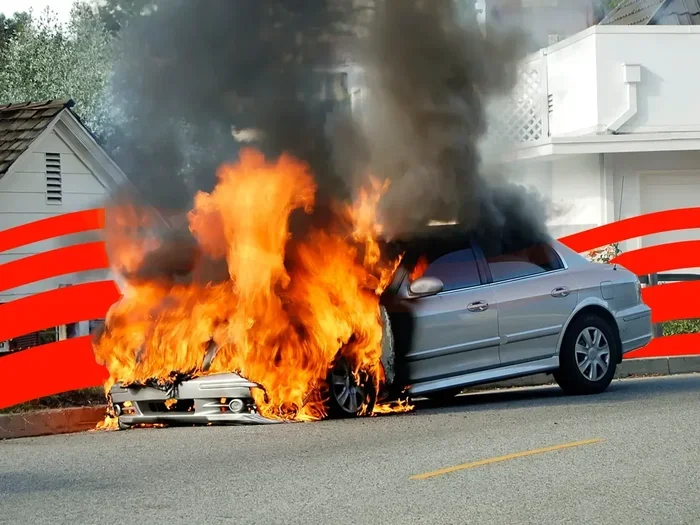
Dealing with a car fire is one of the most stressful experiences a driver can face. Your vehicle may be completely destroyed, and the emotional toll is real. The first question most people ask is simple: does car insurance cover fire damage? The short answer is yes, but only if you have the right type of coverage. In this article, we break down exactly how fire damage coverage works, what your policy should include, and the steps you need to take after a fire. We also cover common causes, the claims process, and tips to protect yourself.
Understanding your auto insurance policy is more important than most people realize. Many drivers assume their coverage handles everything. But that is not always true. A basic liability plan will not pay for fire damage. You need comprehensive coverage or a full coverage policy to be protected. Let us walk through everything you need to know about fire damage coverage and car insurance claims.
Key Takeaways
- Comprehensive coverage is essential: It is the primary policy type that covers fire damage to your vehicle.
- Liability-only plans do not cover fire: If you only carry minimum coverage, fire damage will not be paid for.
- Common causes include electrical faults and accidents: Understanding the cause affects your claim outcome.
- Filing a claim quickly matters: Timely reporting improves your chances of a smooth payout.
- Deductibles apply: You will pay out of pocket up to your deductible amount before insurance kicks in.
- Prevention reduces risk: Regular maintenance and safe parking habits lower fire risk.
📑 Table of Contents
Does Car Insurance Cover Fire Damage?
The answer to this question depends entirely on the type of insurance you carry. Comprehensive car insurance is the policy type that covers fire damage. This coverage pays for damage caused by events that are not collisions. Fire, theft, vandalism, flooding, and falling objects all fall under comprehensive coverage. If you have a full coverage policy that includes both comprehensive and collision, you are protected against fire damage.
However, if you only carry liability insurance, you are out of luck when it comes to fire. Liability insurance pays for damage you cause to other people or their property. It does not cover damage to your own vehicle. This is a common misunderstanding among drivers. Many people think their basic plan covers everything. It does not.
What Is Comprehensive Coverage?
Comprehensive coverage is sometimes called “other than collision” coverage. It covers damage from events that are not caused by a crash. Here are the most common situations comprehensive coverage handles:
- Vehicle fire: Whether the fire starts from an electrical fault, an engine problem, or an external source, comprehensive coverage applies.
- Theft and vandalism: If someone sets your car on fire, comprehensive coverage pays for the damage.
- Natural disasters: Wildfires, lightning strikes, and floods are all covered under comprehensive policies.
- Falling objects: A tree falling on your car or debris hitting your windshield is covered.
- Civil unrest: Damage from riots or protests, including fire damage, is included.
Comprehensive coverage is not expensive. It typically adds $100 to $300 per year to your premium. For the protection it offers, this is a small price to pay. You can check current rates and see if insurance rates are going up in your area to understand how much comprehensive coverage might cost you.
Common Causes of Car Fires
Car fires are more common than most people think. According to the National Fire Protection Association, U.S. fire departments respond to about 170,000 vehicle fires every year. Understanding what causes car fires can help you prevent them. It also matters when you file an insurance claim, because the cause of the fire affects how your claim is handled.
Electrical System Failures
The most common cause of car fires is electrical problems. Old wiring, faulty alternators, and short circuits can all spark a fire. Modern cars have complex electrical systems with hundreds of wires. Over time, these wires can degrade, fray, or corrode. When insulation breaks down, exposed wires can touch and create sparks. If these sparks land on flammable materials, a fire can start quickly.
Regular maintenance helps prevent electrical fires. Have your mechanic check your wiring and electrical components during every oil change. If you notice flickering lights, strange smells, or blown fuses, get your car inspected right away. These are warning signs you should never ignore.
Fuel System Leaks
Gasoline is highly flammable. A leak in your fuel line or fuel tank creates a serious fire hazard. Fuel vapors can ignite from a single spark. This is why you should never smoke near a car with a fuel leak. Fuel system problems are more common in older vehicles, but they can happen in any car. If you smell gasoline near your vehicle, get it checked immediately.
Engine Overheating
An overheating engine can reach temperatures hot enough to ignite nearby fluids and materials. When your cooling system fails, the engine temperature rises rapidly. This can cause hoses to burst, fluids to leak, and metal parts to glow red hot. Running the heater actually helps cool the engine in some cases, but it is not a fix for a serious overheating problem.
Keep your coolant levels checked. Replace old hoses and belts before they fail. If your temperature gauge rises into the red zone, pull over safely and turn off the engine immediately.
Accidents and Collisions
Car accidents can cause fires when the impact damages the fuel system or electrical components. A severe collision can rupture the fuel tank or dislodge the exhaust system. Hot exhaust pipes touching flammable materials can start a fire within minutes. This is why it is so important to have collision coverage in addition to comprehensive coverage.
How Fire Damage Insurance Claims Work
Filing a fire damage claim can feel overwhelming, especially after a traumatic event. But knowing the process ahead of time makes it much easier. Here is exactly what happens when you file a claim for fire damage.
Step 1: Ensure Your Safety First
Your safety comes first. If your car is on fire or has just been fire-damaged, get yourself and any passengers to a safe location. Call 911 if there is any danger. Do not attempt to fight the fire yourself unless it is very small and you have a fire extinguisher. Once you are safe, contact your insurance company as soon as possible.
Step 2: Document Everything
Take photos and videos of the damage from multiple angles. Capture the entire vehicle, close-ups of burned areas, and any damage to surrounding property. Write down everything you remember about the fire. When did it start? Where were you? What did you smell or see first? This information is valuable for your claim.
You should also get a copy of the police or fire department report. This official document serves as strong evidence for your claim. It confirms that the fire actually happened and provides details about the cause.
Step 3: File Your Claim
Contact your insurance provider and file a claim. Most companies allow you to do this online, over the phone, or through a mobile app. Provide all the documentation you have collected. Be honest and thorough. Your insurance claim process will go much smoother if you give complete information from the start.
Step 4: Adjuster Inspection
Your insurance company will assign an adjuster to evaluate the damage. The adjuster will inspect your vehicle, review the evidence, and determine the payout amount. They may classify the vehicle as repairable or a total loss. A total loss means the cost of repairs exceeds the value of the vehicle.
If your car is a total loss, the insurance company pays you the fair market value of the vehicle minus your deductible. You can learn more about how fair market value is determined in our guide on finding fair market value of a car.
Step 5: Receive Your Payout
Once the adjuster completes their assessment, your insurance company issues a payout. This typically takes a few weeks. If your car is repairable, the payout covers the cost of repairs minus your deductible. If it is a total loss, you receive the market value of the vehicle.
What Fire Damage Does and Does Not Cover
Understanding the limits of your coverage is just as important as knowing what is covered. Here is a clear breakdown of what fire damage insurance typically includes and excludes.
| Covered by Comprehensive Insurance | Not Covered |
|---|---|
| Fire from electrical faults | Fire caused by illegal modifications |
| Fire from engine overheating | Fire damage if you were committing a crime |
| Fire from natural disasters (wildfires, lightning) | Intentional fire setting (arson by the owner) |
| Fire from accidents and collisions | Wear and tear damage |
| Fire from vandalism or civil unrest | Damage to personal belongings inside the car |
| Fire from fuel system leaks | Mechanical breakdown without fire |
The table above shows that most fire damage is covered under comprehensive insurance. However, there are important exclusions. If you modified your car illegally and a fire resulted, your claim will likely be denied. Similarly, if you intentionally set fire to your own vehicle, you will not receive any payout.
Does Engine Fire Get Covered?
Yes, an engine fire is typically covered under comprehensive insurance. The cause of the engine fire matters, though. If the fire resulted from a manufacturing defect or normal wear and tear, your comprehensive policy should cover the damage. However, if the fire was caused by poor maintenance, such as ignoring a known oil leak, the insurance company might deny the claim. This is why regular maintenance is so important.
If your engine is severely damaged by fire, you may need a full engine replacement. Engine replacement costs can range from $4,000 to $10,000 or more. Having comprehensive coverage ensures you are not stuck paying this bill out of pocket. You can also check whether your policy extends to engine-specific issues in our article about insurance coverage for engine replacement.
Quick Tips to Prevent Car Fires
Prevention is always better than dealing with the aftermath of a fire. Here are some practical tips to reduce your risk:
- Get regular maintenance: Follow your manufacturer’s service schedule. Have a professional inspect your electrical system, fuel lines, and engine regularly.
- Check for fluid leaks: Look under your car for puddles of oil, coolant, or fuel. Any leak is a potential fire hazard.
- Park smart: Avoid parking near dry grass, leaves, or other flammable materials. Hot exhaust pipes can ignite these easily.
- Install a dash cam: A dash cam can capture evidence of the fire’s origin, which strengthens your insurance claim.
- Keep a fire extinguisher: A small, automotive-rated fire extinguisher in your trunk can save your vehicle and your life.
- Avoid overloading your electrical system: Do not plug in too many devices or install aftermarket electronics without proper wiring.
Expert Insight
Insurance professionals recommend reviewing your policy at least once a year. Coverage needs change as your vehicle ages and your driving habits evolve. If you recently bought a used car or modified your vehicle, make sure your comprehensive coverage is up to date. A few minutes of review now can save you thousands of dollars later.
Common Mistakes After a Car Fire
After a car fire, emotions run high. It is easy to make mistakes that hurt your claim. Here are the most common errors drivers make:
- Waiting too long to report: Delaying your claim can lead to denial or reduced payout. Report the fire to your insurance company as soon as possible.
- Not getting a police report: Without an official report, your claim may be questioned. Always call the authorities after a fire.
- Repairing before the adjuster visits: Do not repair any damage before the insurance adjuster inspects the vehicle. This can invalidate your claim.
- Underestimating the damage: Some fire damage is hidden. Smoke damage, water damage from firefighting efforts, and structural damage may not be visible at first.
- Assuming all fire is covered: As we discussed, some causes of fire are excluded. Read your policy carefully and ask your agent questions.
One mistake that many drivers make is assuming their insurance rates will automatically go up after a fire claim. This is not always true. Comprehensive claims are often treated differently than collision claims. Speak with your agent to understand how a fire claim affects your premium.
What If Your Car Is a Total Loss?
A total loss is when the cost of repairing the fire damage exceeds the value of the vehicle. In this case, your insurance company pays you the actual cash value of the car minus your deductible. This amount is based on the fair market value of your vehicle before the fire.
If you still owe money on your car loan and the insurance payout is less than what you owe, you are responsible for the difference. This is called being “underwater” on your loan. Gap insurance can protect you in this situation. Gap insurance covers the gap between what you owe and what the insurance company pays.
If you need a replacement vehicle quickly, you may want to look into short-term coverage options. Some drivers keep temporary car insurance on hand for situations like this. It provides coverage for a short period while you arrange a more permanent solution.
How Long Does a Fire Damage Claim Take?
Most fire damage claims are resolved within 30 to 60 days. The timeline depends on several factors:
- How quickly you report the claim
- How complex the damage assessment is
- Whether the cause of the fire is clear or disputed
- Your insurance company’s processing speed
Simple claims with clear evidence are resolved faster. Complex claims involving disputed causes or significant damage may take longer. Stay in regular contact with your adjuster and provide any additional documentation they request promptly.
Key Takeaways
- Comprehensive coverage is essential: It is the primary policy type that covers fire damage to your vehicle.
- Liability-only plans do not cover fire: If you only carry minimum coverage, fire damage will not be paid for.
- Common causes include electrical faults and accidents: Understanding the cause affects your claim outcome.
- Filing a claim quickly matters: Timely reporting improves your chances of a smooth payout.
- Deductibles apply: You will pay out of pocket up to your deductible amount before insurance kicks in.
- Prevention reduces risk: Regular maintenance and safe parking habits lower fire risk.
- Total loss payouts are based on market value: Consider gap insurance if you still owe on your car loan.
Conclusion
Does car insurance cover fire damage? Yes, but only if you have comprehensive coverage. Basic liability insurance will not pay for fire damage to your vehicle. If you want full protection, make sure your policy includes comprehensive coverage. It is one of the most important types of protection you can carry as a driver.
Car fires can happen to anyone. Electrical faults, fuel leaks, accidents, and even natural disasters can all cause vehicle fires. The key is to be prepared. Review your policy regularly, maintain your vehicle properly, and know exactly what your coverage includes. If a fire does occur, act quickly, document everything, and file your claim promptly.
Taking these steps protects your vehicle and your finances. Fire damage can be devastating, but the right insurance coverage makes all the difference. Do not wait until it is too late. Check your policy today and make sure you have the protection you need.
Frequently Asked Questions
Does full coverage car insurance cover fire damage?
Yes, full coverage includes comprehensive coverage, which covers fire damage. Full coverage means you have both comprehensive and collision insurance. The comprehensive portion specifically covers fire, theft, vandalism, and other non-collision events. If your car catches fire for any reason, full coverage will pay for the repairs or total loss payout.
Will my insurance rates go up after a fire claim?
Not necessarily. Comprehensive claims are often treated differently than at-fault collision claims. Many insurance companies do not raise rates for comprehensive claims because they are not considered your fault. However, every company is different. Contact your agent to understand how a fire claim specifically affects your premium.
What should I do immediately after a car fire?
First, ensure your safety and the safety of others. Call 911 if there is any danger. Then, contact your insurance company to report the claim. Take photos and videos of all damage. Get a police or fire department report. Do not attempt to repair anything before the insurance adjuster inspects the vehicle. Acting quickly and thoroughly gives you the best chance of a successful claim.
Does car insurance cover fire damage if I left something in the car that caught fire?
This depends on the cause. If a personal item in your car caught fire and spread to the vehicle, comprehensive coverage may apply. However, if the fire was caused by an illegal or prohibited item, the claim could be denied. Always be honest with your insurance company about what caused the fire. They will investigate and determine coverage based on the circumstances.
How much does comprehensive insurance cost per month?
Comprehensive coverage typically costs between $10 and $30 per month, depending on your location, driving history, and vehicle value. It is one of the most affordable types of coverage available. For a small monthly cost, you get protection against fire, theft, vandalism, and many other non-collision events. It is a worthwhile investment for almost every driver.
Can I drive my parents car without insurance if it has comprehensive coverage?
In most cases, car insurance follows the vehicle, not the driver. If your parents car has comprehensive coverage, you are generally covered to drive it with their permission. However, this varies by state and by insurance company. Always check with the vehicle owner’s insurance provider to confirm coverage before driving someone else’s car. You can learn more about this topic in our guide on driving a parents car without insurance.