How Does the Toyota Corolla Cross Hybrid Work Under the Hood
The Toyota Corolla Cross Hybrid combines a gasoline engine with an electric motor to deliver smooth, efficient power. Under the hood, you’ll find a clever hybrid powertrain that recovers energy through regenerative braking and optimizes fuel use automatically. This guide breaks down every major component so you understand exactly how this popular crossover hybrid delivers its impressive mileage.
Have you ever wondered what makes the Toyota Corolla Cross Hybrid so efficient? It’s not magic. It’s a carefully designed system that blends a traditional gasoline engine with an electric motor. Together, they deliver the power you want while sipping fuel instead of guzzling it. If you’ve ever peeked under the hood of a hybrid, you might have noticed there’s no big, complicated transmission. Instead, you’ll find a clever arrangement of components that work together almost invisibly. This article takes you on a tour of exactly how the Toyota Corolla Cross Hybrid works under the hood, piece by piece.
Whether you’re considering buying one or just curious about hybrid technology, understanding the basics can make you a smarter driver. You’ll learn about the hybrid powertrain, the battery, the electric motor, and the smart systems that decide when to use gas and when to use electricity. By the end, you’ll know exactly why this popular crossover can achieve such impressive fuel economy without ever needing to plug it in.
The Toyota Corolla Cross Hybrid belongs to a family of vehicles that use what’s called a full hybrid system. That means it can run on electricity alone for short distances, switch seamlessly to gasoline, or combine both for extra power. The system is designed to be simple, reliable, and virtually maintenance-free for most drivers. Let’s break down each part so you can see exactly how it all comes together.
One thing that surprises many first-time hybrid buyers is how normal the driving experience feels. There’s no awkward lag, no strange noises, and no complicated controls. The car handles just like a regular Corolla Cross, but with a significant boost in fuel efficiency. This seamless integration is the result of decades of Toyota hybrid development. The Corolla Cross Hybrid sits in the heart of the lineup, offering a practical crossover format with the proven durability Toyota is known for.
Key Takeaways
- Hybrid Powertrain: The Corolla Cross Hybrid uses a 1.8-liter engine paired with an electric motor for seamless power delivery.
- Regenerative Braking: Energy normally lost during braking is captured and stored in the hybrid battery.
- Multiple Driving Modes: Eco, Normal, and Power modes adjust throttle and energy use to match your driving style.
- Battery Longevity: The hybrid battery is designed to last the vehicle’s lifetime with proper care and minimal maintenance.
- Fuel Efficiency: The system automatically switches between gas and electric power to maximize mileage.
- No Plug-In Required: Unlike plug-in hybrids, the Corolla Cross Hybrid charges itself while you drive.
📑 Table of Contents
- The Hybrid Powertrain: Heart of the Toyota Corolla Cross Hybrid
- Understanding the Hybrid Battery and Electric Motor
- Regenerative Braking: Capturing Energy You’d Normally Waste
- Driving Modes and How They Affect Efficiency
- Common Questions About the Corolla Cross Hybrid System
- Maintenance Tips for Long-Lasting Hybrid Performance
- Conclusion
The Hybrid Powertrain: Heart of the Toyota Corolla Cross Hybrid
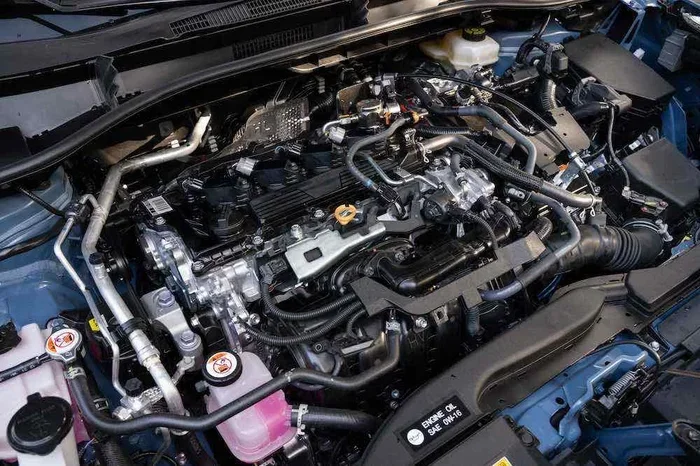
The hybrid powertrain is the brain and muscle of the Corolla Cross Hybrid. It consists of two main sources of power: a 1.8-liter four-cylinder gasoline engine and a permanent magnet synchronous electric motor. These two work together through a special device called an e-CVT, which stands for electronic continuously variable transmission. Unlike a traditional automatic transmission with gears, the e-CVT uses a planetary gear set and two motor-generators to blend power smoothly.
When you step on the accelerator, the system decides instantly which power source to use. At low speeds, like pulling out of a parking space, the electric motor does all the work. It’s quiet, responsive, and uses zero gasoline. As you speed up, the gasoline engine kicks in to provide extra power. The transition is so smooth you might not even notice it happening. If you want to understand the step-by-step process of how any hybrid system manages this, you can read our detailed guide on how a hybrid car works step by step.
The gasoline engine in the Corolla Cross Hybrid is designed to run on the Atkinson cycle. This cycle prioritizes efficiency over raw power, which is perfect for a hybrid setup. The engine often shuts off completely at stoplights and in slow traffic, letting the electric motor handle everything. When you’re ready to move again, the electric motor starts the engine instantly. This stop-start behavior is a key reason why hybrids achieve such great fuel economy in city driving.
How the Gasoline Engine and Electric Motor Work Together
Think of the gasoline engine and electric motor as teammates who know exactly when to pass the ball. During light cruising, the electric motor might do most of the work while the engine rests. When you need to pass a slow-moving truck, both power sources combine for a burst of acceleration. The system constantly monitors your throttle input, battery charge level, and driving conditions to make these decisions automatically.
The electric motor also acts as a generator during cruising. When the engine is running efficiently, it sends some power to the electric motor, which then functions as a generator. This electricity is stored in the hybrid battery for later use. This clever loop means the system is always recapturing and reusing energy. The result is a driving experience that feels natural and effortless, with no need for you to manually switch between power sources.
The e-CVT plays a crucial role in this process. It doesn’t have fixed gears like a conventional transmission. Instead, it uses a set of planetary gears and two motor-generators to vary the effective gear ratio continuously. This allows the engine to stay in its most efficient operating range while still providing the right amount of wheel torque. You’ll never feel a gear shift because there isn’t one. The power delivery is perfectly linear, which makes the Corolla Cross Hybrid a pleasure to drive in stop-and-go traffic and on open highways alike.
Understanding the Hybrid Battery and Electric Motor
The hybrid battery in the Toyota Corolla Cross Hybrid is a nickel-metal hydride (NiMH) pack. It sits low in the vehicle, usually under the rear seats or trunk area, to maintain a low center of gravity. The battery is not meant to be plugged in. Instead, it charges itself through regenerative braking and the excess energy from the gasoline engine. This self-charging design is one of the biggest advantages of a full hybrid.
The electric motor in the Corolla Cross Hybrid produces around 72 horsepower on its own. The gasoline engine contributes about 98 horsepower. Together, the system delivers a combined net output of roughly 140 horsepower. That might not sound like a sports car, but for a compact crossover, it provides plenty of peppy acceleration for daily driving. The motor’s instant torque delivery makes the car feel responsive right off the line, which is a hallmark of hybrid vehicles.
What Happens When the Hybrid Battery Gets Low?
You might wonder what happens if the hybrid battery runs low. The system is designed to keep the battery in a healthy charge range. If the battery gets too low, the gasoline engine will automatically turn on and use some of its power to recharge the battery while also driving the wheels. You don’t need to do anything special. The car manages it all for you.
One common question is whether a hybrid can sit unused for long periods. If you’re planning a long trip or your car will be parked for a while, it helps to know a bit about hybrid battery health. You can find practical advice on this topic in our article about how long a hybrid can sit without being driven. Generally, the battery will hold its charge for weeks, but the system is designed to keep it in optimal condition even with regular use.
The battery pack is also designed to handle thousands of charge and discharge cycles. Toyota has tested these batteries under extreme conditions, from scorching deserts to freezing cold climates. The result is a battery that can last well beyond 200,000 miles in many cases. Of course, driving habits play a role too. Keeping the battery charge between 20% and 80% in normal use helps maximize its lifespan. The onboard battery management system does most of this work automatically, so you don’t need to think about it.
Regenerative Braking: Capturing Energy You’d Normally Waste
Regenerative braking is one of the most clever features of the Toyota Corolla Cross Hybrid. In a conventional car, when you hit the brakes, the kinetic energy of motion is converted into heat by the brake pads and rotors. That energy is lost forever. In a hybrid, the electric motor reverses its role and becomes a generator. When you lift off the accelerator or press the brake pedal lightly, the motor captures that kinetic energy and turns it back into electricity.
This electricity is then sent to the hybrid battery for storage. The next time you accelerate, the stored energy is used to power the electric motor. This cycle repeats thousands of times during a typical drive. It’s a brilliant way to squeeze every bit of efficiency out of the vehicle. You’ll notice that the brake pedal feels a bit different in a hybrid. Sometimes the regenerative braking does all the slowing down, so the physical brakes barely touch. This is called one-pedal driving, and many drivers grow to love it.
The amount of energy recovered depends on your driving style. If you’re a smooth, anticipatory driver, you’ll recapture more energy. Hard braking uses the physical brakes more and recovers less. So driving gently not only feels calmer but also helps maximize your fuel economy. The system is always working in the background, even if you don’t consciously think about it. Over time, this can significantly reduce wear on your traditional brake components. You might find yourself replacing brake pads far less often than you did in your previous car.
Driving Modes and How They Affect Efficiency
The Toyota Corolla Cross Hybrid offers several driving modes that let you tailor the car’s behavior to your needs. The most common modes are Eco, Normal, and Power. Each mode changes how the throttle responds, how aggressively the system uses the electric motor, and when the gasoline engine engages. Understanding these modes can help you get the most out of your hybrid.
Eco Mode and Its Impact on Fuel Economy
Eco mode is all about squeezing out the maximum fuel efficiency. When you select Eco, the throttle response becomes softer. The electric motor handles more of the low-speed work, and the system delays the gasoline engine’s engagement. Air conditioning and other accessories may also be adjusted slightly to reduce the load on the engine. If you’re curious about exactly how much fuel Eco mode can save, we’ve got a dedicated breakdown in our article on how much mileage does eco mode save.
Normal mode is the default and provides a balanced feel. It uses both the electric motor and gasoline engine in a way that prioritizes a natural driving experience. Power mode, on the other hand, holds the engine in the power band longer and uses both the engine and motor for stronger acceleration. It’s great for highway merging or hill climbing, but it will use more fuel. The system is smart enough that even in Power mode, it will still recover energy through regenerative braking when possible.
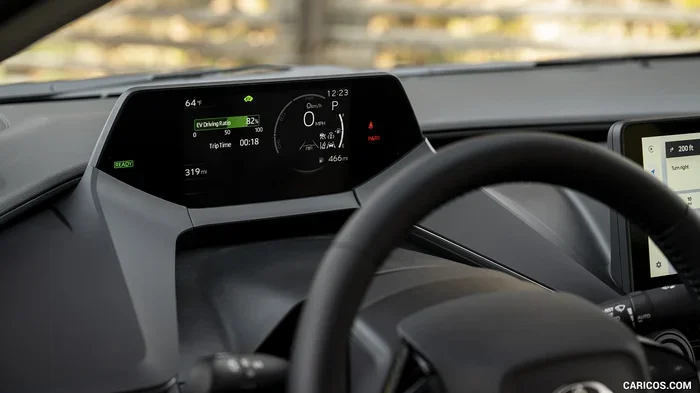
You can switch between modes at any time with the press of a button. There’s no need to plan ahead. The car remembers your last selection, so it starts in that mode the next time you turn the key. This flexibility is one of the reasons the Corolla Cross Hybrid appeals to a wide range of drivers, from those who prioritize economy to those who want a bit more fun behind the wheel. You might also notice that the instrument cluster displays real-time fuel economy feedback. Watching the numbers change as you switch modes can be surprisingly engaging and help you develop more efficient driving habits.
Comparing Driving Modes in Everyday Situations
Let’s look at a typical day to see how the modes apply. In the morning, you’re crawling through city traffic to work. Eco mode shines here. The electric motor handles the low-speed stop-and-go, and you’ll see the gasoline engine rarely engage. When you hit the highway on your way home, you might switch to Normal for a more relaxed cruise. If you need to pass a slow truck, a quick press of the accelerator in Power mode gives you that extra boost without hesitation. The system adapts instantly, so you can change modes as often as you like.
For drivers who want the best of both worlds, the Auto EV mode (if equipped) attempts to use electric power as much as possible. It will switch to gasoline only when the battery is low or when extra power is needed. This can be a great way to maximize electric-only driving in areas with low-speed limits, like residential neighborhoods or parking garages.
Common Questions About the Corolla Cross Hybrid System
Even after reading about the hybrid system, you might have a few questions. Here are some of the most common curiosities owners have about the Toyota Corolla Cross Hybrid.
Can you drive a hybrid with a dead hybrid battery? In most cases, yes. The gasoline engine can still propel the car, though performance will be reduced and fuel economy will suffer. The system is designed to protect the battery, so it will rarely let it die completely. However, if the battery does fail, the car will still run on gasoline, but you’ll lose all the benefits of the electric motor. This is different from some other hybrid designs where a dead battery can leave you stranded. For a related comparison, you might be interested in whether you can drive a Prius without the hybrid battery, which explains similar principles across Toyota’s hybrid lineup.
Does the hybrid battery need replacement? Toyota designs the hybrid battery to last the lifetime of the vehicle. In many cases, the original battery outlasts the car itself. However, extreme temperatures or improper maintenance can shorten its lifespan. Regular servicing and keeping the battery within its optimal temperature range will help ensure it lasts for hundreds of thousands of miles. The battery is sealed and requires no user maintenance beyond normal vehicle care.
Is the Toyota Corolla Cross Hybrid loud when the electric motor is running? At low speeds, the electric motor is virtually silent. You might hear a faint whirring sound when the system is actively generating or using electricity, but it’s not intrusive. At higher speeds, the gasoline engine takes over and you’ll hear the normal sounds of a car engine. The overall cabin noise level is comparable to a conventional Corolla, so there’s no compromise in comfort.
Maintenance Tips for Long-Lasting Hybrid Performance
Owning a Toyota Corolla Cross Hybrid means enjoying a drivetrain that requires less maintenance than a traditional car. The regenerative braking system reduces wear on your brake pads and rotors, so you’ll replace them less often. The gasoline engine also experiences less strain because the electric motor handles a lot of the starting and stopping. This translates to fewer oil changes and longer component life.
That said, the hybrid system still needs attention. The hybrid battery cooling system should be checked regularly to ensure it’s working properly. The inverter and power electronics are sealed units, but they can develop issues over many years. Staying on top of scheduled service will catch any small problems before they become big ones. If you ever see a warning light on the dashboard, it’s always best to have it checked promptly.
Here are a few quick tips to keep your Corolla Cross Hybrid running strong:
- Follow the recommended maintenance schedule. Toyota’s hybrid-specific service items are designed to keep the system in top shape.
- Avoid letting the hybrid battery drain completely. The system manages this automatically, but leaving the car unused for months can cause issues.
- Use the correct grade of engine oil. Hybrid engines often use 0W-20 oil for maximum efficiency.
- Keep the tires properly inflated. Low tire pressure increases rolling resistance and reduces fuel economy.
- Drive smoothly. Anticipatory driving maximizes regenerative braking and reduces wear on all components.
With proper care, your Toyota Corolla Cross Hybrid will deliver reliable, efficient transportation for years to come. The hybrid system is designed to be as worry-free as possible, and Toyota’s reputation for durability means you can trust the technology under the hood. Regular check-ups at a qualified Toyota dealership will ensure every component, from the hybrid battery to the electric motor, continues to perform at its best.
Conclusion
The Toyota Corolla Cross Hybrid is a brilliant example of how modern hybrid technology can make driving better for everyone. Under the hood, a seamless partnership between a gasoline engine and an electric motor delivers power, efficiency, and refinement. From the self-charging battery to the regenerative braking system, every component is designed to work together with minimal input from you.
Understanding how the system works doesn’t just satisfy curiosity. It empowers you to drive smarter, use the right modes for different situations, and appreciate the engineering that goes into every mile. Whether you’re commuting through city traffic or cruising on the highway, the Corolla Cross Hybrid adapts to your needs. If you want to dive deeper into hybrid fundamentals, remember our guide on how a hybrid car works step by step is always available. The Toyota Corolla Cross Hybrid isn’t just a car. It’s a glimpse into the future of efficient, clean driving that’s here today.