How Much Does the Average Person Spend on Car Maintenance
The average person spends between $100 and $200 per month on car maintenance. This includes oil changes, tire rotations, brake repairs, and routine inspections. Your monthly cost depends heavily on your vehicle type, age, driving habits, and whether you handle repairs yourself or visit a dealership service center.
This is a comprehensive guide about How Much Does the Average Person Spend on Car Maintenance Per Month?.
Key Takeaways
- Average monthly cost: Most drivers spend $100 to $200 per month on car maintenance.
- Vehicle age matters: Older cars cost more to maintain than newer models.
- DIY saves money: Doing your own basic repairs can cut costs by 30% or more.
- Preventive maintenance pays off: Regular oil changes and tire rotations prevent expensive breakdowns.
- Fuel costs are separate: Maintenance and fuel are two different budget categories for car ownership expenses.
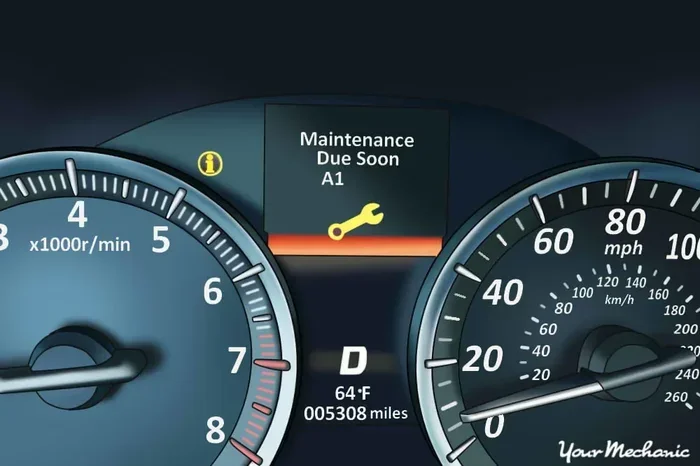
- Warning lights matter: Ignoring your maintenance required light can lead to costly repairs down the road.
[FEATURED_IMAGE_PLACEHOLDER]
What Is the Average Monthly Car Maintenance Cost?
If you own a car, you already know it does not stay cheap forever. Car maintenance cost is one of the biggest ongoing expenses of vehicle ownership. So, how much does the average person spend on car maintenance each month? The short answer is somewhere between $100 and $200. But that number can shift a lot depending on several factors.
The monthly car maintenance budget covers things like oil changes, tire rotations, brake pad replacement, fluid top-offs, and general inspections. Some months you might spend very little. Other months, a surprise repair can blow your budget wide open. Understanding what goes into this cost helps you plan ahead and avoid nasty surprises.
According to industry data, the average driver spends about $1,200 to $2,400 per year on car maintenance. That breaks down to roughly $100 to $200 per month. But remember, this is just an average. Your personal auto repair costs could be higher or lower based on your specific situation.
The key is knowing what drives these numbers. Once you understand the factors, you can take control of your car repair budget and keep your vehicle running without breaking the bank.
Why Monthly Numbers Matter More Than Annual Averages
Annual averages can be misleading. You do not pay for car maintenance once a year. You pay for it every month. Breaking the cost down monthly gives you a clearer picture of what you actually need to set aside each paycheck. It also makes it easier to compare your spending against your budget.
Think of it like groceries. You do not think about your annual food bill. You think about what you spend each week. The same logic applies here. When you focus on monthly car maintenance, you can adjust your spending habits in real time.
What Makes Up Car Maintenance Costs?
Not all maintenance costs are the same. Some happen every few months, while others only come up once in a while. Here is a closer look at what fills up your car maintenance cost each month.
Oil Changes and Lubrication
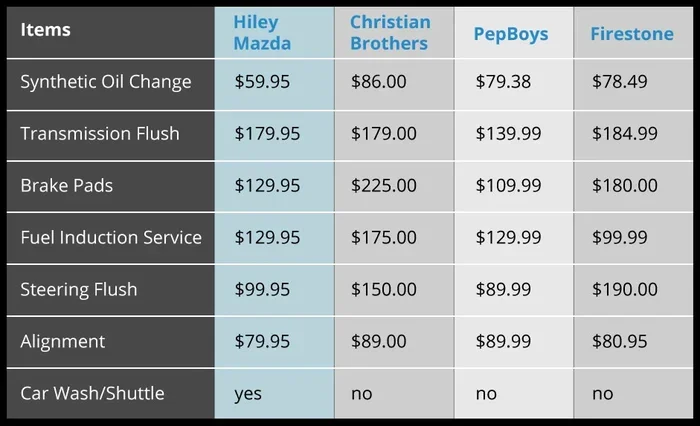
Oil changes are the backbone of routine maintenance. Most mechanics recommend changing your oil every 5,000 to 7,500 miles. For the average driver, that means about two to three oil changes per year. Each oil change typically costs between $40 and $80. That adds up to roughly $80 to $240 per year, or about $7 to $20 per month.
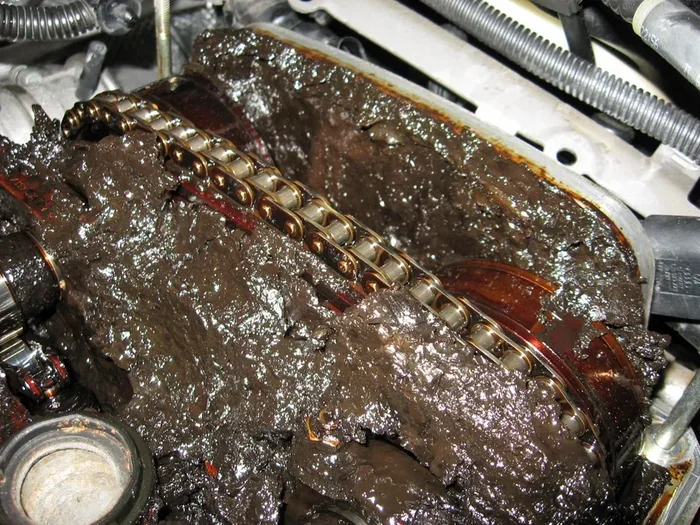
Skipping oil changes is one of the most common common mistakes car owners make. Old oil breaks down and fails to protect your engine. Over time, this leads to expensive engine damage that could have been avoided with a simple oil change.
Tire Maintenance
Tire rotation, alignment checks, and replacements all fall under tire maintenance. Rotating your tires every 5,000 to 7,500 miles helps them wear evenly. This simple step can extend tire life by thousands of miles.
On average, tire maintenance costs about $25 to $50 per month when spread across the year. A full set of new tires can cost $400 to $800, but that does not happen every month. Regular rotation and pressure checks keep you from needing replacements too soon.
Brake Repairs and Replacements
Brake pads wear out over time. Most drivers need new brake pads every 25,000 to 70,000 miles depending on driving style. Brake pad replacement typically costs between $150 and $300 per axle. If you spread that cost over the life of the pads, it comes to roughly $10 to $25 per month.
Do not ignore squealing or grinding noises when braking. These are early warning signs. Catching brake problems early keeps auto repair costs much lower than waiting until the rotors are damaged too.
Fluid Checks and Top-Offs
Your car relies on several fluids to run smoothly. Transmission fluid, coolant, brake fluid, and power steering fluid all need regular attention. Checking and topping off these fluids costs very little. Most drivers spend under $10 per month on fluid maintenance.
Inspections and Diagnostic Fees
Annual inspections and occasional diagnostic tests add to your monthly total. A basic inspection might cost $50 to $100. If your maintenance required light comes on, a diagnostic check could run $50 to $150. Spread over the year, this adds about $5 to $15 per month to your budget.
How Vehicle Type Affects Maintenance Spending
Not all cars cost the same to maintain. Your vehicle type plays a huge role in your car maintenance cost each month. Here is how different vehicles compare.
Sedans and Compact Cars
Sedans and compact cars generally have the lowest maintenance costs. Parts are widely available and labor is straightforward. The average monthly cost for a sedan is around $80 to $150. These vehicles are simple, efficient, and affordable to keep on the road.
SUVs and Trucks
Larger vehicles like SUVs and trucks cost more to maintain. They use more oil, have bigger tires, and require more expensive parts. The average SUV owner spends about $150 to $250 per month on maintenance. Trucks can cost even more, especially if they are used for hauling or towing.
For example, a vehicle like the Chevy Tahoe can last well over 200,000 miles with proper care. But that longevity comes with higher routine maintenance costs compared to a smaller car. The key is staying on top of your vehicle maintenance schedule to avoid major repairs.
Luxury and Performance Vehicles
Luxury and performance vehicles are the most expensive to maintain. Specialized parts, higher labor rates, and complex systems all drive costs up. Owners of luxury cars may spend $300 or more per month on maintenance alone. These vehicles also tend to have higher car ownership expenses overall, including insurance and fuel.
Tips to Reduce Your Monthly Car Maintenance Budget
Want to spend less on keeping your car running? These practical tips can help you lower your car maintenance cost without sacrificing safety or reliability.
Stick to a Routine Maintenance Schedule
Prevention is always cheaper than repair. Following your vehicle maintenance schedule keeps small problems from turning into big ones. Oil changes, tire rotations, and fluid checks are cheap when done on time. Ignoring them leads to repairs that cost ten times more.
Learn Basic DIY Car Repairs
You do not need to be a mechanic to handle basic tasks. Changing your own oil, replacing air filters, and swapping out wiper blades are simple jobs. DIY car repairs can save you 30% to 50% on labor costs. There are plenty of online tutorials that walk you through each step.
Start with easy tasks and work your way up. Even small savings add up over time. Plus, understanding your vehicle better helps you spot problems early before they become expensive.
Compare Prices at Local Shops
Not every mechanic charges the same rate. Get quotes from at least two or three shops before committing to a repair. Independent garages often charge less than dealerships for the same work. However, if your vehicle is under warranty, visiting a dealership service center may be the better choice.
Buy Quality Parts at Fair Prices
You do not always need OEM (Original Equipment Manufacturer) parts. Aftermarket parts from reputable brands offer excellent quality at lower prices. Just make sure the parts meet or exceed industry standards. Cheap, low-quality parts can lead to repeat repairs, which defeats the purpose of saving money.
Keep Your Car Clean and Protected
Regular washing and waxing protect your car’s paint and undercarriage from rust and corrosion. Some drivers invest in car paint protection film cost solutions to shield vulnerable areas. While this adds a small monthly expense, it prevents costly body repairs caused by road salt, debris, and weather damage.
Drive Defensively to Reduce Wear
Your driving habits directly impact how much maintenance your car needs. Aggressive acceleration, hard braking, and speeding all wear out parts faster. Smooth, steady driving extends the life of your brakes, tires, and engine. Better fuel efficiency is a bonus too, especially when compared to vehicles with lower miles per gallon ratings.
When to DIY and When to See a Mechanic
Knowing when to handle a repair yourself and when to call a professional is a crucial car maintenance tip. Here is a simple guide to help you decide.
Great DIY Jobs
- Oil and filter changes
- Air filter replacement
- Wiper blade swaps
- Tire pressure checks and simple rotations
- Battery terminal cleaning
- Replacing cabin or engine air filters
Jobs Best Left to Professionals
- Brake system repairs
- Transmission work
- Electrical diagnostics
- Engine repairs
- Anything involving safety systems like airbags
If you are ever unsure, it is always safer to consult a professional. A mistake on a complex repair can cost far more than the labor savings. When in doubt, get a second opinion from a trusted mechanic.
How Maintenance Affects Your Car’s Long-Term Value
Regular maintenance does more than keep your car running. It also protects your investment. A well-maintained vehicle holds its value much better than a neglected one. If you ever plan to sell or trade in your car, a full service history makes a huge difference.
Think about it this way. A car that has been properly maintained can last 200,000 miles or more. A car that has been neglected might need a new engine at 100,000 miles. The monthly car maintenance you invest today saves you thousands in the long run.
Your vehicle also depreciates more slowly when it is well cared for. Buyers are willing to pay more for a car with documented maintenance. This is especially true for popular models like the Toyota Camry or Honda Civic, which are known for reliability when properly maintained.
Ignoring your maintenance required light is one of the fastest ways to accelerate depreciation. That light exists for a reason. It tells you when your car needs attention. Responding quickly keeps repair costs low and your vehicle’s value high.
Common Mistakes That Increase Car Maintenance Costs
Avoiding these common mistakes can save you hundreds of dollars each year on auto repair costs and vehicle upkeep.
- Skipping oil changes: This is the number one mistake drivers make. Old oil causes engine wear and reduces fuel efficiency.
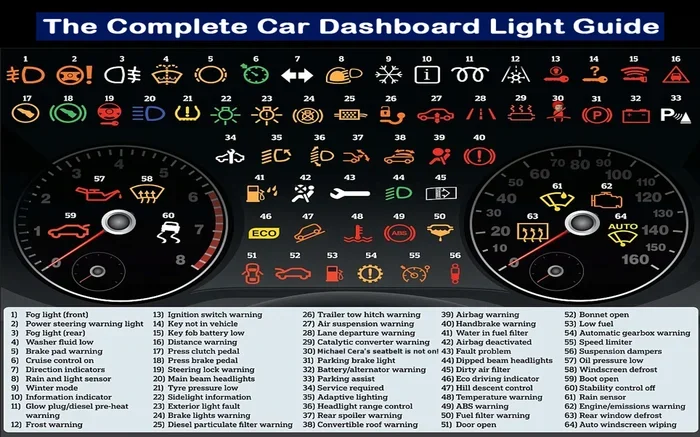
- Ignoring warning lights: Your dashboard lights are not suggestions. They are alerts. Ignoring them leads to bigger problems.
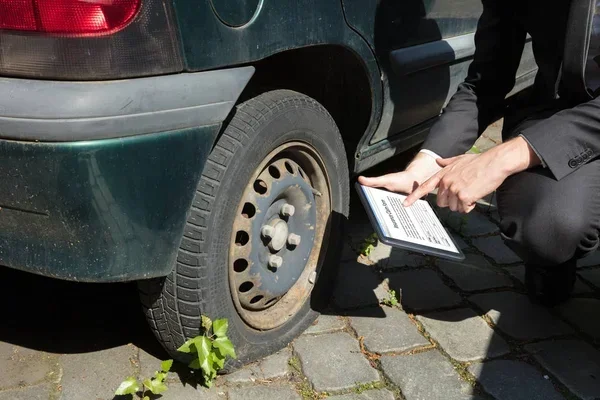
- Driving on worn tires: Bald tires are dangerous and reduce your vehicle’s handling and fuel efficiency.
- Postponing brake repairs: Worn brake pads damage rotors. Replacing rotors costs significantly more than replacing pads alone.
- Using cheap parts: Low-quality parts fail faster and often require repeat repairs, increasing your total car repair budget.
- Not reading your owner’s manual: Your manual contains the vehicle maintenance schedule specific to your car. Following it prevents unnecessary repairs.
Conclusion
The average person spends between $100 and $200 per month on car maintenance, but your actual cost depends on your vehicle, driving habits, and how proactive you are with upkeep. Sticking to a routine vehicle maintenance schedule is the single best way to keep costs predictable and manageable.
Remember that preventive maintenance always costs less than reactive repairs. Oil changes, tire rotations, and fluid checks are small investments that pay off big over time. Learning a few DIY car repairs can also trim your monthly expenses significantly.
Take control of your car maintenance cost today. Set aside a small amount each month, stay on top of your service schedule, and address warning signs early. Your wallet and your vehicle will thank you for years to come.
Frequently Asked Questions
What is the average monthly car maintenance cost?
Most drivers spend between $100 and $200 per month on car maintenance. This covers oil changes, tire rotations, brake repairs, fluid checks, and routine inspections. Your actual cost depends on your vehicle type, age, and driving habits.
Does car insurance count as car maintenance?
No, car insurance is a separate expense from maintenance. Insurance covers accidents and liability, while maintenance covers routine upkeep and repairs. Both are important car ownership expenses, but they should be budgeted separately.
Can I reduce my monthly car maintenance cost?
Yes. Sticking to a routine maintenance schedule, doing simple DIY repairs, and comparing prices at local shops can all lower your monthly spending. Preventive care is always cheaper than waiting for problems to become serious repairs.
How often should I change my oil?
Most manufacturers recommend oil changes every 5,000 to 7,500 miles. Check your owner’s manual for the specific vehicle maintenance schedule for your car. Regular oil changes are one of the easiest ways to reduce long-term auto repair costs.
Is it cheaper to DIY car repairs?
For basic tasks like oil changes, air filter replacements, and tire rotations, DIY repairs can save you 30% to 50% on labor costs. However, complex repairs involving safety systems should always be handled by a professional mechanic.
What happens if I ignore my maintenance required light?
Ignoring your maintenance required light can lead to missed service intervals and eventual breakdowns. Small problems become big, expensive repairs when they go unaddressed. Responding quickly to warning lights keeps your car maintenance cost predictable and low.