A Car Is Moving With A Speed Of 40km H And Why It Matters
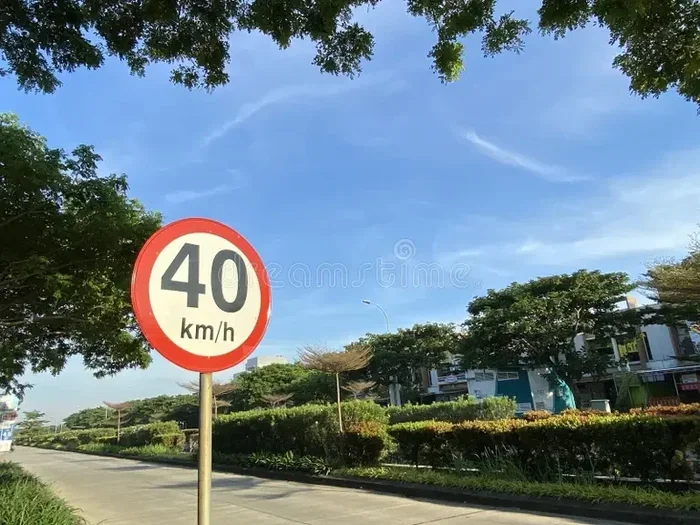
When a car is moving with a speed of 40km h, it represents a common urban driving pace that affects fuel economy, road safety, and vehicle performance. This speed is typical in city areas, school zones, and residential streets. Understanding how driving at 40 km/h impacts your car helps you save money, stay safe, and make smarter driving decisions every day.
Have you ever noticed how a car is moving with a speed of 40km h and wondered why that number matters so much? It is not just a random figure on your speedometer. That 40 km/h pace shapes how your car uses fuel, how safe your ride feels, and how long your vehicle lasts. Whether you are cruising through a neighborhood or stuck in city traffic, this speed touches nearly every part of your driving experience.
Many drivers think about speed only in terms of getting from point A to point B. But the truth is, your chosen velocity affects far more than your arrival time. It influences fuel costs, road safety, traffic flow, and even the health of your car’s engine and brakes. In this article, we will break down everything you need to know about driving at 40 km/h. You will learn why this speed is so common, how it impacts your wallet, and what you can do to drive smarter at this pace.
Key Takeaways
- 40 km/h is a key urban speed: It balances safe travel with reasonable trip times in city environments.
- Fuel economy improves at lower speeds: Driving at 40 km/h reduces fuel consumption compared to highway speeds.
- Safety increases at this velocity: Lower speeds give drivers more reaction time and shorter stopping distances.
- Vehicle wear is reduced: Consistent 40 km/h driving puts less stress on brakes, tires, and the engine.
- Common in many driving scenarios: School zones, residential areas, and heavy traffic often require this pace.
- Speed consistency matters: Maintaining a steady 40 km/h improves both safety and efficiency.
- Small speed changes make a big difference: Even a few km/h over or under 40 can affect fuel use and safety.
📑 Table of Contents
- What Does 40km H Actually Mean?
- Why Driving at 40km H Matters for Fuel Economy
- Safety Benefits of Maintaining 40km H
- How 40km H Affects Your Vehicle Performance
- Common Scenarios Where You Drive at 40km H
- Tips for Maintaining a Consistent Speed of 40km H
- The Environmental Impact of Driving at 40km H
- Key Takeaways
- Conclusion
What Does 40km H Actually Mean?
Let us start with the basics. When we say a car is moving with a speed of 40km h, we mean the vehicle covers 40 kilometers in one hour. It is a unit of velocity used across most of the world outside the United States. You will see this speed limit posted on roads in cities, towns, and residential neighborhoods everywhere.
Speed is a simple concept, but it carries a lot of weight in practical terms. At 40 km/h, a car moves about 11 meters every second. That might sound fast, but compared to highway speeds of 100 km/h or more, it is quite moderate. This pace gives drivers a comfortable window to react to surprises like pedestrians, cyclists, or sudden stops.
How 40km H Compares to Other Common Speeds
To put things in perspective, here is how 40 km/h stacks up against other everyday driving speeds:
- Walking speed: About 5 km/h
- Cycling speed: Around 15 to 20 km/h
- 40 km/h: A typical city driving pace
- Highway speed: Usually 100 to 120 km/h
- Motorway speed: Can reach 120 km/h or more
As you can see, 40 km/h sits right in the middle of the everyday driving range. It is fast enough to get you where you need to go but slow enough to keep things safe in busy areas. This balance is exactly why so many roads use this as their default speed limit.
Why Driving at 40km H Matters for Fuel Economy
Here is something that surprises many drivers: your speed has a huge effect on how much fuel your car burns. When a car is moving with a speed of 40km h, the engine does not have to work as hard as it does at higher velocities. That means less fuel is used per kilometer traveled.
Fuel economy is a big deal for any driver. With gas prices fluctuating, everyone wants to squeeze more distance out of every liter. Driving at lower urban speeds like 40 km/h can improve your fuel efficiency by a noticeable margin compared to stop-and-go traffic or high-speed highway driving.
The Science Behind Speed and Fuel Use
At higher speeds, air resistance increases dramatically. Your engine must push harder to cut through the wind. This extra work burns more fuel. At 40 km/h, air resistance is relatively low, so the engine runs more efficiently. The result is better fuel economy and fewer trips to the gas station.
Here are a few practical tips to maximize fuel savings while driving at 40 km/h:
- Keep your speed steady: Avoid frequent acceleration and braking.
- Use cruise control when possible: It helps maintain a constant velocity.
- Keep tires properly inflated: Under-inflated tires create extra rolling resistance.
- Remove excess weight: A lighter car uses less fuel at any speed.
- Plan your route: Fewer stops and turns means smoother driving at 40 km/h.
Small changes in how you drive at this speed can add up to real savings over weeks and months. Think of it as a gentle way to stretch your fuel budget without sacrificing comfort or convenience.
Safety Benefits of Maintaining 40km H
Safety is the number one reason many roads set the speed limit at 40 km/h. When a car is moving with a speed of 40km h, drivers have more time to react to unexpected situations. This extra time can mean the difference between a close call and a serious accident.
Road safety experts consistently show that lower speeds reduce the severity of collisions. A pedestrian hit by a car traveling at 40 km/h has a much higher chance of survival than one hit at 60 km/h or more. This is why school zones, residential streets, and busy downtown areas often use this speed limit.
Stopping Distance at 40km H
Stopping distance is the total distance your car travels from the moment you see a hazard to the moment you come to a full stop. At 40 km/h, this distance is significantly shorter than at higher speeds. Here is a quick breakdown:
- Reaction distance at 40 km/h: About 6 to 8 meters
- Braking distance at 40 km/h: Around 9 to 12 meters
- Total stopping distance at 40 km/h: Roughly 15 to 20 meters
Compare that to stopping distance at 80 km/h, which can exceed 50 meters. The difference is dramatic. When you drive at 40 km/h, you give yourself and others on the road a much wider safety margin.
How Lower Speeds Protect Vulnerable Road Users
Not everyone on the road is inside a car. Cyclists, joggers, children, and elderly pedestrians all share the streets with you. At 40 km/h, a driver can more easily spot and respond to these vulnerable road users. The lower velocity also means that if a collision does occur, the impact force is much less severe.
This is especially important in school zones and residential neighborhoods. Children can be unpredictable. They might dart into the street without looking. A car moving at 40 km/h gives the driver a better chance of stopping in time and avoiding tragedy.
How 40km H Affects Your Vehicle Performance
Your car is a machine, and like any machine, it performs best under certain conditions. When a car is moving with a speed of 40km h, the engine operates in a comfortable range. This steady pace reduces wear and tear on key components over time.
Many drivers do not think about how their daily speed habits affect the long-term health of their vehicle. But the truth is, consistent driving at moderate speeds like 40 km/h can extend the life of several important parts.
Engine Health and 40km H Driving
At 40 km/h, most car engines run at a moderate RPM (revolutions per minute). This is often the sweet spot where the engine is neither lugging nor over-revving. A well-balanced engine runs more smoothly, produces fewer emissions, and lasts longer.
Here is what consistent 40 km/h driving does for your engine:
- Reduces engine strain: The motor does not have to work overtime.
- Lowers emissions: Cleaner combustion at moderate speeds.
- Improves oil circulation: Steady RPM keeps lubrication consistent.
- Extends engine life: Less stress means fewer repairs over the years.
Brake and Tire Wear
Driving at 40 km/h also helps your brakes and tires last longer. Higher speeds mean more heat generated during braking, which wears brake pads and rotors faster. At lower urban speeds, the braking system stays cooler and lasts significantly longer.
Tires benefit too. Constant high-speed driving causes more friction and heat, which accelerates tire wear. A car cruising at 40 km/h puts less stress on the rubber, helping your tires maintain their tread for thousands of additional kilometers.
Common Scenarios Where You Drive at 40km H
You might be surprised how often you encounter a 40 km/h speed limit in your daily routine. This pace shows up in many common driving situations that most people do not even think about.
School Zones
School zones are the most obvious place where you will see a 40 km/h limit. These areas are designed to protect children who are walking, cycling, or being dropped off by parents. The lower speed gives drivers more control and more time to react to sudden movements.
In many cities, school zone speed limits are strictly enforced during specific hours. Fines for speeding in these zones are often much higher than regular speeding tickets. Always slow down when you see school zone signs, even outside of posted hours.
Residential Neighborhoods
Residential streets are another common place for 40 km/h limits. These roads often have parked cars on both sides, children playing, and limited visibility around corners. Driving at a moderate speed keeps everyone in the neighborhood safer.
If you have ever lived on a quiet street, you know how quickly a ball or a pet can run into the road. A car moving at 40 km/h gives you the time and space to stop safely in these unpredictable moments.
Heavy Traffic and Urban Congestion
City traffic often naturally slows vehicles down to around 40 km/h. Stoplights, pedestrian crossings, and congestion all contribute to this pace. Even if the speed limit is higher, traffic flow in dense urban areas tends to settle around this speed.
Learning to drive smoothly at 40 km/h in heavy traffic is a valuable skill. It reduces fatigue, saves fuel, and helps keep the traffic flow steady for everyone on the road.
Tips for Maintaining a Consistent Speed of 40km H
Keeping your car at a steady 40 km/h is not always easy, especially on roads with changes in elevation or heavy traffic. But with a few smart techniques, you can make it second nature.
Use Your Cruise Control Wisely
Many modern cars come with cruise control or a similar feature. On flat roads with steady traffic, engaging cruise control at 40 km/h helps you maintain a consistent speed. This reduces unnecessary acceleration and braking, which saves fuel and keeps your ride smooth.
However, be careful using cruise control in heavy stop-and-go traffic or on hilly roads. The system may not respond quickly enough to sudden changes in traffic flow. Always stay alert and ready to take manual control.
Practice Smooth Driving Habits
The secret to maintaining 40 km/h consistently is smooth driving. Here are some habits that help:
- Look ahead: Anticipate traffic changes before they happen.
- Ease off the accelerator early: Let the car coast to slow down gently.
- Avoid hard braking: Brake gradually to maintain control and save brake pads.
- Watch your mirrors: Stay aware of traffic around you at all times.
- Stay relaxed: Tension leads to jerky movements and inconsistent speed.
These habits take practice, but once they become part of your driving style, you will notice a big difference in fuel economy, safety, and overall driving comfort.
Monitor Your Speedometer Regularly
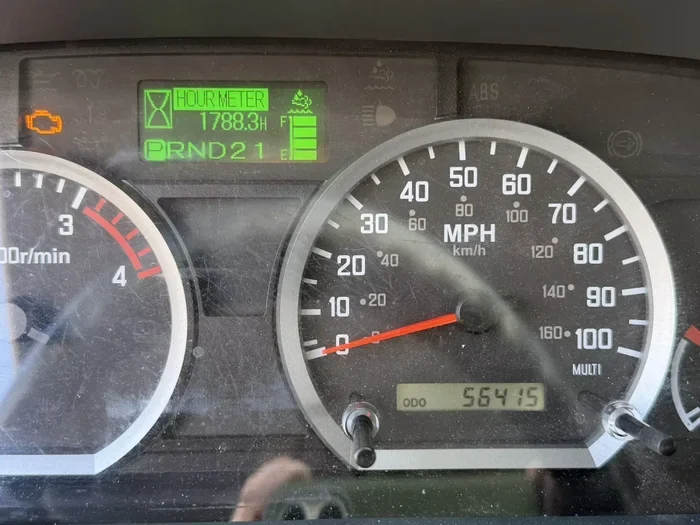
It sounds simple, but many drivers lose track of their speed without realizing it. Glance at your speedometer often to make sure you are staying close to 40 km/h. Modern cars often have speed limit warnings and GPS-based speed alerts that can help you stay on track.
Some drivers also find it helpful to use the road lines or landmarks as a rough guide for speed. While this is not a replacement for your speedometer, it gives you a quick mental check throughout your drive.
The Environmental Impact of Driving at 40km H
Climate change is a growing concern, and every driver has a role to play. When a car is moving with a speed of 40km h, it produces fewer emissions than it would at higher speeds. This makes 40 km/h one of the more environmentally friendly urban driving speeds.
Lower speeds mean less fuel burned per kilometer. Less fuel burned means fewer greenhouse gases released into the atmosphere. Over time, millions of drivers choosing to stay at or near 40 km/h in city areas can make a meaningful difference in air quality and carbon output.
Cities around the world are recognizing this benefit. Many are introducing low-emission zones where only vehicles meeting certain environmental standards are allowed. Driving at moderate speeds like 40 km/h helps your car meet those standards more easily.
Key Takeaways
- 40 km/h is a key urban speed: It balances safe travel with reasonable trip times in city environments.
- Fuel economy improves at lower speeds: Driving at 40 km/h reduces fuel consumption compared to highway speeds.
- Safety increases at this velocity: Lower speeds give drivers more reaction time and shorter stopping distances.
- Vehicle wear is reduced: Consistent 40 km/h driving puts less stress on brakes, tires, and the engine.
- Common in many driving scenarios: School zones, residential areas, and heavy traffic often require this pace.
- Speed consistency matters: Maintaining a steady 40 km/h improves both safety and efficiency.
- Small speed changes make a big difference: Even a few km/h over or under 40 can affect fuel use and safety.
Conclusion
When a car is moving with a speed of 40km h, it is about much more than just the number on the dial. That 40 km/h pace shapes your fuel costs, your safety on the road, the health of your vehicle, and even your impact on the environment. It is one of those everyday details that quietly affects nearly every part of your driving life.
By understanding why 40 km/h matters and learning to maintain this speed consistently, you become a smarter, safer, and more efficient driver. You save money at the pump. You protect yourself and others on the road. You reduce wear on your car. And you contribute to cleaner air in your community.
The next time you are driving through a city street or a school zone, pay attention to your speed. Embrace the steady rhythm of 40 km/h and notice how it changes your driving experience. Small adjustments in how you drive can lead to big improvements in your daily life. So keep it steady, keep it safe, and enjoy the ride at a smart, sensible pace.
Frequently Asked Questions
What happens if a car is moving with a speed of 40km h in a zone with a higher limit?
Driving at 40 km/h when the speed limit is higher is perfectly legal. It is often safer, especially in areas with pedestrians, cyclists, or poor weather conditions. However, driving too slowly in the fast lane of a highway can cause traffic buildup and may result in a fine in some regions. Always match your speed to road conditions and posted limits.
Does driving at 40km h really save fuel?
Yes, it does. At 40 km/h, your engine runs at a moderate RPM, which means it uses less fuel compared to higher speeds. Air resistance is also much lower at this velocity. Over time, maintaining a steady 40 km/h in the city can lead to noticeable fuel savings.
How does a car is moving with a speed of 40km h affect insurance rates?
Insurance companies often consider your driving habits, including your average speed. Drivers who maintain safe, moderate speeds like 40 km/h tend to have fewer accidents. This can lead to lower insurance premiums over time. Staying within the speed limit and driving defensively are key factors insurers look at.
Is 40km h the best speed for electric cars?
Electric vehicles are especially efficient at lower urban speeds. At 40 km/h, an electric car uses less battery power than it would at highway speeds. This means more range per charge in city driving. Many EV owners find that 40 km/h is an ideal pace for maximizing their vehicle’s electric range.
Can driving at 40km h reduce car maintenance costs?
Absolutely. Consistent driving at 40 km/h puts less stress on your brakes, tires, and engine. You will need fewer brake replacements, your tires will last longer, and the engine will experience less wear. Over the life of your car, these savings can add up to hundreds or even thousands of dollars in avoided repairs.
What should I do if I cannot maintain exactly 40km h in city traffic?
City traffic is unpredictable, and you will naturally speed up and slow down. The goal is to keep your average speed close to 40 km/h and avoid frequent hard acceleration or sudden braking. Use smooth, gradual inputs on the accelerator and brake to stay as close to this target as conditions allow.