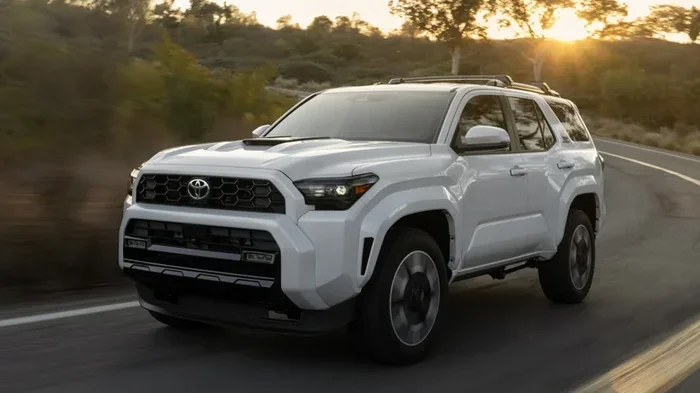
How Bad Is Toyota 4Runner Gas Mileage In Real Life
The Toyota 4Runner gas mileage is undeniably low for a modern SUV, with most owners seeing around 16-20 MPG in mixed driving. Toyota 4Runner gas mileage suffers due to its powerful V6 engine, heavy body-on-frame design, and 4WD system. However, real-world factors like towing, driving habits, and maintenance can make it even worse or slightly better.
If you own a Toyota 4Runner or are thinking about buying one, you might wonder about the Toyota 4Runner gas mileage. The short answer is that it is not great. Most 4Runners deliver around 16 to 20 miles per gallon in mixed driving. That is lower than many modern SUVs. But why is the Toyota 4Runner gas mileage so low? And what can you do about it? This article breaks down the real numbers, the reasons, and practical tips to squeeze out a few extra miles.
The Toyota 4Runner is a legendary off-road SUV. It has been around for decades and has a huge fan base. People love it for its durability, rugged looks, and capability. But one thing owners often complain about is fuel economy. When you see a 4Runner at the pump, the numbers can sting. So, how bad is Toyota 4Runner gas mileage in real life? Let us find out.
## What Is the Real Toyota 4Runner Gas Mileage?
Many buyers check the EPA window sticker before purchasing. The EPA rates the 4Runner at around 20 MPG in the city and 24 MPG on the highway for newer models. But those numbers are from lab tests. Real drivers rarely see those figures.
### EPA Ratings vs. Real-World MPG
The EPA test uses controlled conditions. It does not account for heavy traffic, off-roading, or towing. In the real world, Toyota 4Runner gas mileage is almost always lower. Most owner-reported data from fuel tracking apps shows an average of 16 to 20 MPG. Some drivers in hot climates or those who drive aggressively see even less.
### City, Highway, and Mixed Driving Numbers
City driving is the biggest mileage killer. Stop-and-go traffic keeps the engine working hard. You might see 14-16 MPG in a busy urban area. On the open highway, you can hit 19-22 MPG if you drive steadily. Mixed driving, which is what most people do, usually lands around 17-19 MPG.
If you want to see how your 4Runner compares, track your fuel fill-ups for a few months. The numbers will give you a personal baseline.
## Why Does the Toyota 4Runner Get Such Bad Gas Mileage?
Several factors work together to make the 4Runner thirsty. It is not just one thing. The design prioritizes off-road ability and toughness over fuel savings.
### The V6 Engine and Its Appetite
The 4Runner comes with a 4.0-liter V6 engine. This engine produces about 270 horsepower. It is strong and reliable, but it drinks gas. A V6 engine has six cylinders, which means more fuel is burned with each rotation. Smaller engines with four cylinders are much more efficient. The 4Runner does not have that luxury.
### Body-on-Frame Weight and Aerodynamics
The 4Runner uses a body-on-frame design. This means the body is mounted on a separate, heavy ladder frame. It makes the SUV tough and great for off-roading, but it adds a lot of weight. The 4Runner weighs around 4,700 pounds. All that mass needs energy to move.
Aerodynamics also play a role. The 4Runner has a boxy shape. At highway speeds, air resistance increases. The boxy design creates more drag than a sleek crossover SUV. This drag forces the engine to work harder, which lowers the Toyota 4Runner gas mileage.
### 4WD System and Its Impact
The 4Runner is built for off-road adventures, and that means 4WD. A 4WD system adds weight, friction, and mechanical drag. When you engage 4WD, the transfer case and front differential spin. This uses extra energy. Even in 2WD mode, the 4Runner is heavier than a 2WD SUV because of the 4WD hardware. That is why Toyota 4Runner gas mileage suffers compared to a similar-sized 2WD vehicle.
## How Does the 4Runner Compare to Other SUVs?
To understand how bad the mileage is, you need to compare it to competitors. The 4Runner sits in the midsize SUV segment. Let us look at a few rivals.
| SUV Model | Engine | City MPG | Highway MPG | Mixed MPG |
|—|—|—|—|—|
| Toyota 4Runner | 4.0L V6 | 16-18 | 19-22 | 17-20 |
| Ford Bronco (2.3L EcoBoost) | 4-cyl turbo | 21-23 | 24-27 | 22-25 |
| Jeep Wrangler (2.0L Turbo) | 4-cyl turbo | 22-24 | 25-28 | 23-26 |
| Chevrolet Tahoe | 5.3L V8 | 16-18 | 22-24 | 18-20 |
| Honda CR-V (1.5L Turbo) | 4-cyl turbo | 28-30 | 34-36 | 30-33 |
As you can see, the 4Runner lags behind most modern SUVs. It is not the worst, though. The Chevrolet Tahoe gets similar mileage because it is also a large, heavy body-on-frame SUV. But smaller crossovers like the Honda CR-V are far more efficient. If fuel economy is a top priority, the 4Runner is not the best choice.
## Real-Life Factors That Make 4Runner Gas Mileage Worse
Even if you drive a stock 4Runner, several real-life factors can drag your MPG down further.
### Towing and Payload
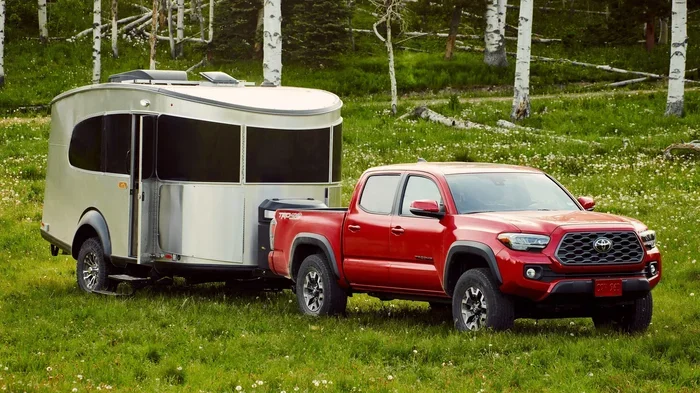
The 4Runner can tow up to 5,000 pounds. That is impressive for its size. But towing a trailer adds massive wind resistance and engine load. If you haul a boat or a camper, your Toyota 4Runner gas mileage can drop to 12-15 MPG. The same goes for carrying heavy payloads in the cargo area. Every extra pound means more fuel burned.
### Off-Roading and Low-Speed Driving
Off-roading is the 4Runner’s bread and butter. But crawling over rocks, spinning tires, and running in low-range 4WD are terrible for fuel economy. At low speeds, the engine works hard but covers little distance. A weekend of off-roading can leave you with a tank that seems empty after just a few hours of driving.
### Driving Habits and Traffic
Aggressive driving hurts MPG. Rapid acceleration, hard braking, and speeding all waste gas. If you live in a city with stop-and-go traffic, your mileage will suffer. Even on the highway, tailgating and frequent lane changes reduce efficiency.
## How to Improve Your Toyota 4Runner Gas Mileage
You cannot change the engine or the frame. But you can take steps to get the best possible fuel economy from your 4Runner.
### Driving Techniques That Help
– Accelerate gently and smoothly.
– Maintain a steady speed on the highway.
– Use cruise control on long, flat stretches.
– Avoid idling for long periods.
– Keep your tires inflated to the recommended pressure.
These simple habits can improve your MPG by 1-3 miles per gallon.
### Maintenance Tips for Better Fuel Economy
Regular maintenance keeps the engine running efficiently. Here are a few key areas:
– Air filter: A dirty engine air filter restricts airflow and can lower MPG. Replace it on schedule.
– Cabin air filter: A clogged cabin air filter can reduce airflow and affect the HVAC system, which indirectly hurts fuel economy. Learn more about how a cabin air filter affects gas mileage.
– Oxygen sensors: Faulty sensors can cause the engine to run rich and waste fuel.
– Spark plugs: Worn spark plugs lead to incomplete combustion and reduced efficiency.
### Fuel Choice and Eco Mode
The 4Runner is designed to run on regular unleaded gasoline. Using premium gas will not improve your mileage or performance. If you are unsure about fuel types, check our guide on regular gas in a 4Runner.
Using eco mode can help a little. It adjusts throttle response and shifts the transmission earlier to save fuel. However, the savings are modest. Eco mode is not a magic fix for the 4Runner’s thirsty nature.
### Quick Tips for Better Fuel Economy
– Remove roof racks and cargo carriers when not in use to reduce drag.
– Keep your speed under 65 mph on the highway.
– Combine trips to reduce cold-start driving.
– Avoid carrying unnecessary weight in the cabin or cargo area.
– Use the recommended 0W-20 motor oil for better engine efficiency.
## Common Mistakes That Hurt Your 4Runner Gas Mileage
Many drivers unknowingly make habits that worsen their fuel economy. Here are a few to avoid:
– Ignoring the check engine light: A misfire or sensor issue can slash MPG by 10% or more.
– Running the AC full blast at low speeds: The AC compressor puts a load on the engine. At low speeds, it has a bigger impact.
– Using 4WD on dry pavement: This creates unnecessary drivetrain drag. Use 4WD only when you need traction.
– Overloading the vehicle: Exceeding the payload limit forces the engine to work harder.
## The Bottom Line on Toyota 4Runner Gas Mileage
So, how bad is Toyota 4Runner gas mileage? It is undeniably poor compared to modern crossovers and smaller SUVs. The 4Runner will never be a fuel-sipping vehicle. Its V6 engine, heavy frame, and 4WD system are built for capability, not efficiency. In real-world driving, you should expect around 17-20 MPG on average.
That said, the 4Runner offers something many SUVs cannot: legendary reliability and off-road prowess. If you need a tough, dependable truck-SUV, the fuel economy trade-off is part of the package. By driving smoothly, keeping up with maintenance, and avoiding unnecessary weight, you can get the most out of every gallon.
The Toyota 4Runner gas mileage is a reality check for anyone who values capability over efficiency. Accept it, plan for higher fuel costs, and enjoy the adventure it delivers.
## Frequently Asked Questions
Is Toyota 4Runner gas mileage getting better in newer models?
Not significantly. The 4Runner has used the same 4.0-liter V6 engine for many years. Newer trims may have minor tweaks, but the fundamental design keeps fuel economy in the 16-20 MPG range. The 2024 model is no exception.
Can I improve my 4Runner gas mileage with a cold air intake?
A cold air intake might give a tiny boost in throttle response, but it will not noticeably improve MPG. The engine control unit manages fuel delivery, and a simple intake does not change the overall efficiency of the V6 engine.
How much does it cost to fuel a 4Runner annually?
Assuming 15,000 miles per year and an average of 18 MPG, you would use about 833 gallons. At $3.50 per gallon, that is roughly $2,900 per year. Your actual cost depends on your driving habits and local gas prices.
Does the 4Runner have a fuel tank size that affects how often I fill up?
Yes. The 4Runner holds about 23 gallons. With 18 MPG, a full tank gives you roughly 414 miles of range. That sounds good, but you will still visit the pump every 300-350 miles in mixed driving.
Should I use 4WD or 2WD to save gas?
Use 2WD whenever possible, especially on dry pavement. 4WD adds mechanical drag and weight. Switching to 2WD on the highway can improve your Toyota 4Runner gas mileage by 1-2 MPG.
Are there any aftermarket mods that boost 4Runner fuel economy?
Some mods like a lift kit or larger tires can actually hurt MPG by increasing weight and rolling resistance. A smooth underbody or tonneau cover might help a little, but the gains are small on a vehicle this size.
Key Takeaways
- Real-world MPG is lower than EPA numbers: Most 4Runner owners report 16-20 MPG, not the 20-24 MPG advertised.
- The V6 engine and body-on-frame design are the main culprits: These features provide toughness but hurt fuel economy.
- 4WD and towing make it worse: Using 4WD or hauling a trailer can drop MPG by 3-5 miles per gallon.
- Simple maintenance helps: A clean cabin air filter and proper tire pressure can improve mileage slightly.
- Eco mode offers a small boost: It helps a little, but it cannot overcome the fundamental design limits.
- Fuel costs add up: With a 23-gallon tank and low MPG, annual fuel bills are higher than for smaller SUVs.
- Driving habits matter most: Smooth acceleration and steady highway speeds can squeeze out extra miles.
Frequently Asked Questions
What is How Bad Is Toyota 4Runner Gas Mileage?
How Bad Is Toyota 4Runner Gas Mileage is an important topic with many practical applications.