Are Toyota Camry Reliable Cars Worth Your Time and Money
The Toyota Camry is one of the most dependable sedans on the road today. If you are looking for a car that will last for years without draining your wallet, the Toyota Camry reliable reputation is well-earned. This guide breaks down real-world reliability data, common problems, maintenance costs, and ownership tips so you can make a confident decision. Whether you are buying new or used, understanding what makes this sedan tick will save you time, money, and headaches down the road.
When you think about buying a reliable sedan, the Toyota Camry reliable name almost always comes up. It has been a household favorite for decades, and for good reason. People trust this car to get them to work, run errands, and handle road trips without constant trips to the repair shop. But is a Toyota Camry reliable enough to be your next vehicle? That is exactly what we are going to explore in this guide.
We will look at real data, common issues, ownership costs, and expert opinions. By the end of this article, you will have a clear picture of whether the Toyota Camry is the right fit for your budget and lifestyle. So let us dive in and find out what makes this sedan tick.
Key Takeaways
- Proven Reliability: The Toyota Camry consistently ranks among the most dependable sedans in consumer reports and reliability surveys.
- Low Maintenance Costs: Routine upkeep is affordable, and major repairs are less frequent than with many competing models.
- Strong Resale Value: Toyota Camry cars hold their value well, making them smart investments for long-term owners.
- Common Issues Are Manageable: While no car is perfect, the Toyota Camry problems that do arise are typically easy and inexpensive to fix.
- Great for Daily Driving: With excellent fuel economy, solid safety ratings, and a comfortable ride, the Camry excels as a daily commuter and family car.
- New and Used Options: Both new and used Toyota Camry models offer strong value, but buying smart and doing your homework is key.
📑 Table of Contents
What Makes the Toyota Camry So Reliable?
A Legacy of Dependability
The Toyota Camry has been around since 1982, and it has earned a reputation as one of the most dependable sedans in the automotive world. Toyota built the Camry with a simple philosophy: make a car that works hard and rarely breaks. This approach has paid off big time over the decades.
Consumer Reports and J.D. Power consistently give the Camry high marks for long-term reliability. The car is designed with proven technology rather than flashy, untested features. This means fewer surprises and fewer expensive repairs. When you buy a Toyota Camry, you are buying peace of mind.
Engineering and Build Quality
Toyota engineers the Camry with durability in mind. The engine blocks are cast from high-quality materials, and the transmissions are tuned for longevity. Every component is tested under extreme conditions before it ever reaches the production line.
Here are some key factors that contribute to Toyota Camry reliability:
- Overbuilt engines: Toyota designs the Camry engine to handle more stress than it typically faces in daily driving.
- Quality transmissions: Both automatic and manual transmissions in the Camry are known for smooth, long-lasting performance.
- Rust-resistant materials: Toyota uses advanced coatings and materials to protect the body from corrosion.
- Proven powertrains: Many Camry engines and transmissions have been refined over multiple generations, meaning bugs are already worked out.
Quick Tips for Maximizing Toyota Camry Reliability
- Follow the recommended maintenance schedule without skipping oil changes.
- Use genuine Toyota parts or OEM-equivalent replacements.
- Address small issues early before they become big problems.
- Keep the car clean, especially undercarriage in winter months.
Toyota Camry Common Problems and Recalls
Issues to Watch For
No car is perfect, and the Toyota Camry is no exception. While the Camry is known for being dependable, there are a few common issues that owners should be aware of. Knowing about them early can save you time and money.
Here are some of the Toyota Camry problems that have been reported over the years:
- Transmission hesitation: Some older models, particularly from the 2007 to 2011 generations, may experience slight delays when shifting gears.
- Excessive oil consumption: A small number of owners have reported higher-than-normal oil usage, especially in certain engine variants.
- Brake noise: Some Camry owners notice squeaking or grinding sounds from the brakes, which usually indicates worn brake pads.
- Electrical gremlins: Occasional issues with the infotainment system, power windows, or sensors have been reported in certain model years.
- Suspension wear: Ball joints and tie rod ends may wear out faster in models with higher mileage.
Recalls and Safety Notices
Toyota has issued recalls for specific Camry model years, mostly related to the accelerator pedal, floor mats, and airbag sensors. However, Toyota has been proactive in addressing these issues, and most recalls were handled quickly and at no cost to the owner. Always check the NHTSA website for the latest recall information on any used Camry you are considering.
Expert Insight
Automotive analysts often point out that the Toyota Camry reliable reputation is not just marketing hype. The numbers back it up. According to RepairPal, the average annual repair cost for a Camry is around $400, which is well below the industry average of $650. This makes it one of the most affordable sedans to own over the long haul.
Toyota Camry Maintenance and Ownership Costs
Routine Maintenance Costs
One of the biggest reasons people choose the Toyota Camry is the low cost of ownership. Routine maintenance on a Camry is straightforward and affordable. Oil changes, tire rotations, brake inspections, and fluid replacements are all standard and reasonably priced at most Toyota dealerships and independent shops.
Here is a rough breakdown of common maintenance costs for a Toyota Camry:
| Service | Average Cost | Frequency |
|---|---|---|
| Oil Change | $45 – $75 | Every 5,000 – 7,500 miles |
| Tire Rotation | $25 – $50 | Every 5,000 – 7,500 miles |
| Brake Pad Replacement | $150 – $300 | Every 30,000 – 50,000 miles |
| Air Filter Replacement | $20 – $40 | Every 15,000 – 30,000 miles |
| Battery Replacement | $150 – $250 | Every 3 – 5 years |
| Timing Belt (if applicable) | $300 – $500 | Every 60,000 – 100,000 miles |
Long-Term Ownership Cost Analysis
When you look at the Toyota Camry ownership cost over five or ten years, the numbers are very favorable. According to Kelley Blue Book, a Toyota Camry can last well beyond 200,000 miles with proper care. The average annual total cost of ownership, including depreciation, fuel, insurance, and maintenance, is significantly lower than many competing sedans.
The Toyota Camry reliable reputation for low long-term costs is one of the main reasons it remains a top choice for families and budget-conscious buyers. You are not just buying a car; you are buying years of dependable transportation.
Common Mistakes to Avoid
- Skipping oil changes: This is the fastest way to shorten your Camry’s engine life. Never miss an oil change.
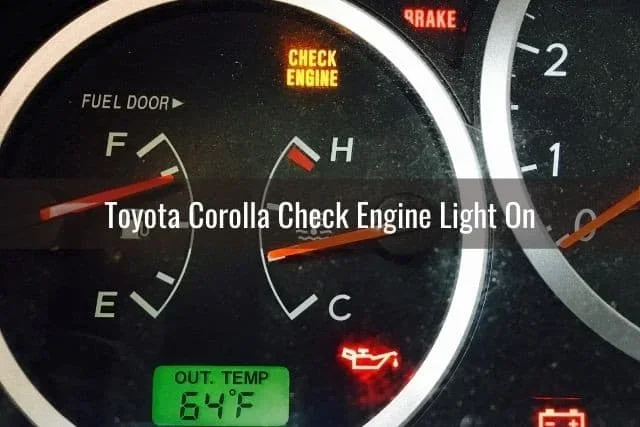
- Ignoring warning lights: If a check engine light or warning indicator comes on, get it checked immediately. Small problems become big expenses fast.
- Using non-recommended fluids: Always use the fluids specified in your owner’s manual. Cheap substitutes can cause damage over time.
- Neglecting tire maintenance: Poorly inflated or misaligned tires reduce fuel economy and wear out faster, costing you more money.
Toyota Camry vs. Honda Accord and Nissan Altima
How Does the Camry Stack Up?
The Toyota Camry reliable name puts it in the same conversation as the Honda Accord and Nissan Altima. These three sedans are the most popular choices in the midsize car segment. But how do they compare when it comes to reliability, cost, and overall value?
Here is a side-by-side comparison of the three most popular midsize sedans:
| Category | Toyota Camry | Honda Accord | Nissan Altima |
|---|---|---|---|
| Reliability Rating | Excellent | Very Good | Good |
| Average Annual Repair Cost | $400 | $450 | $550 |
| Fuel Economy (Combined) | 32 mpg | 32 mpg | 30 mpg |
| Resale Value (5-Year) | High | High | Moderate |
| Safety Ratings | Top Marks | Top Marks | Good |
| Warranty Coverage | 3yr/36k bumper-to-bumper | 3yr/36k bumper-to-bumper | 3yr/36k bumper-to-bumper |
| Long-Term Durability | Excellent | Very Good | Good |
As you can see, the Toyota Camry holds its own very well in this comparison. It edges out the competition in reliability ratings and repair costs, while matching or exceeding rivals in fuel economy and safety. The Honda Accord is a close second, but the Camry’s lower ownership costs give it a slight edge for budget-minded buyers.
Why the Toyota Camry Reliable Edge Matters
The Toyota Camry reliable edge is not just about fewer breakdowns. It is also about resale value. When it comes time to sell or trade in your car, a well-maintained Camry will typically fetch a higher price than a comparable Accord or Altima. This is because buyers trust the Toyota name and know that a used Camry will likely keep running strong for many more miles.
Quick Tips for Comparing Midsize Sedans
- Always test drive at least two models before making a decision.
- Check Consumer Reports reliability ratings for the specific model year you are considering.
- Factor in insurance costs, which can vary significantly between models.
- Read real owner reviews on forums and automotive websites for unfiltered opinions.
Should You Buy a New or Used Toyota Camry?
The Case for Buying New
Buying a new Toyota Camry gives you the latest technology, the full factory warranty, and the peace of mind that comes with a clean history. New Camry models come with Toyota’s comprehensive warranty coverage, which includes a 3-year/36,000-mile bumper-to-bumper warranty and a 5-year/60,000-mile powertrain warranty.
If you plan to keep the car for many years, buying new makes sense. You will also benefit from the latest safety features, such as Toyota Safety Sense, which includes adaptive cruise control, lane departure warning, and automatic emergency braking. These features can make a real difference in accident prevention.
The Case for Buying Used
Buying a used Toyota Camry can be an incredible value. The Camry holds its value well, which means you can find relatively low-mileage examples at a significant discount compared to new. A 3- to 5-year-old Camry can offer nearly the same reliability as a new one, at a fraction of the price.
Here are some tips for buying a used Toyota Camry:
- Get a vehicle history report: Always check Carfax or AutoCheck for accident history, title issues, and service records.
- Have a pre-purchase inspection: Pay a trusted mechanic $100 to $150 to inspect the car before you buy. This small investment can save you thousands.
- Check the maintenance records: A well-documented service history is the best indicator of a Camry’s long-term health.
- Test drive thoroughly: Pay attention to how the car starts, shifts, brakes, and handles on different road types.
- Negotiate with confidence: Use any issues found during the inspection as leverage for a fair price.
Which Model Years Are the Best?
Some Toyota Camry generations are more reliable than others. The 2012, 2013, and 2014 model years are widely regarded as some of the most dependable used Camrys available. The 2018 and 2019 models also offer excellent reliability with updated technology and safety features. Avoid models from the 2007 to 2011 range if you want to steer clear of known transmission issues.
Expert Insight
Automotive experts often recommend the 2012 Toyota Camry as the sweet spot for used car buyers. It offers the best balance of reliability, features, and value. The engines in this generation are proven performers, and the transmission issues that affected earlier models were largely resolved by this point.
Final Verdict: Is the Toyota Camry Worth Your Money?
The Bottom Line
So, are Toyota Camry reliable cars worth your time and money? The answer is a clear and resounding yes. The Toyota Camry reliable reputation is built on decades of consistent performance, low ownership costs, and strong resale value. It is one of the best sedans you can buy if you want a car that will serve you well for many years without breaking the bank.
Whether you choose a new model with the latest safety technology or a well-maintained used example from a trusted seller, the Camry delivers where it matters most: dependability, comfort, and value. It may not be the most exciting car on the road, but it is one of the smartest purchases you can make.
If you are in the market for a reliable sedan that will get you where you need to go without constant worry, the Toyota Camry should be at the top of your list. It is a car that earns its reputation every single day on the road.
Key Takeaways
- Toyota Camry reliable cars are among the best in the midsize sedan segment. The data from Consumer Reports, J.D. Power, and RepairPal all support this claim.
- Maintenance costs are low and predictable. Routine service is affordable, and major repairs are uncommon.
- The Camry holds its value better than most competitors. This translates to a lower cost of ownership over time.
- Common problems are minor and manageable. The few issues that do arise are typically easy and inexpensive to address.
- Both new and used Camrys offer excellent value. The key is to do your research and buy smart.
- The Toyota Camry is a smart, practical choice for almost any buyer. Whether you need a daily commuter, a family car, or a dependable work vehicle, the Camry delivers.
The Toyota Camry reliable name is not just a marketing slogan. It is a reflection of real-world performance, owner satisfaction, and long-term durability. If you have been on the fence about buying a Camry, hopefully this guide has given you the confidence to move forward. A Toyota Camry is not just a car; it is a smart investment in your daily life.
Frequently Asked Questions
Is the Toyota Camry a reliable car for daily commuting?
Yes, absolutely. The Toyota Camry reliable reputation makes it one of the best sedans for daily commuting. It is comfortable, fuel-efficient, and built to handle thousands of miles per year without major issues. Most owners report very few problems even after years of daily use.
How many miles can a Toyota Camry last?
With proper maintenance, a Toyota Camry can easily last 200,000 to 300,000 miles or more. Many owners report crossing the 250,000-mile mark without any major engine or transmission failures. The key is following the recommended maintenance schedule and addressing small issues promptly.
What is the Toyota Camry maintenance cost compared to other sedans?
The Toyota Camry maintenance cost is lower than the industry average. According to RepairPal, the average annual repair cost for a Camry is around $400, compared to the industry average of $650. This makes it one of the most affordable sedans to maintain over the long term.
Are used Toyota Camrys a good buy?
Yes, used Toyota Camrys are an excellent buy. The Camry holds its value well, which means you can find low-mileage examples at reasonable prices. Just make sure to get a vehicle history report and a pre-purchase inspection from a trusted mechanic before buying any used car.
What are the most common Toyota Camry problems?
The most common Toyota Camry problems include minor transmission hesitation in older models, occasional brake noise, and infotainment system glitches. However, these issues are generally easy and inexpensive to fix. The Camry is far less prone to major mechanical failures than many competing vehicles.
Does the Toyota Camry have good safety ratings?
Yes, the Toyota Camry has excellent safety ratings. It consistently earns top marks from the NHTSA and the IIHS. Modern Camry models come standard with Toyota Safety Sense, which includes adaptive cruise control, lane departure warning, automatic high beams, and pre-collision braking. These features make the Camry one of the safest sedans in its class.