How Long Does It Take to Get a Car After the Build Date
Getting a car after the build date typically takes 2 to 8 weeks, depending on shipping distance, transport method, and logistics. The process includes factory departure, port transit, customs clearance, and dealer delivery. Understanding each stage helps you track your new car delivery and set realistic expectations.
You just ordered a new car. The excitement is real. But then the question hits: how long does it actually take to get a car after the build date? Whether you are buying from a dealership or ordering online, the wait can feel endless. Understanding the timeline helps you stay patient and informed.
The journey from factory to your driveway involves several stages. Each stage has its own timeline. Shipping routes, customs checks, weather delays, and dealer processing all play a role. In this guide, we break down the entire process step by step. You will learn what to expect and how to prepare for your new vehicle delivery.
Key Takeaways
- Average delivery window: Most cars arrive 2 to 8 weeks after the build date.
- Shipping method matters: Open transport is faster and cheaper; enclosed transport takes slightly longer.
- Distance is a big factor: Domestic deliveries within the same country are quicker than international shipments.
- Customs and inspections add time: International vehicles face additional delays at border checkpoints.
- You can track your car: Use VIN-based tracking tools and dealer updates to monitor progress.
- Seasonal demand affects timing: Peak buying seasons and weather can extend delivery windows.
- Communication with your dealer: Staying in touch helps you anticipate delays and plan accordingly.
📑 Table of Contents
- What Is a Build Date?
- The Average Timeline: Build Date to Delivery
- How Cars Are Transported After Production
- Tracking Your Car After the Build Date
- Factors That Can Delay Delivery
- Tips to Speed Up Your Car Delivery
- Common Mistakes Buyers Make When Waiting for a Car
- How Long Does It Take to Get a Car After the Build Date? The Bottom Line
What Is a Build Date?
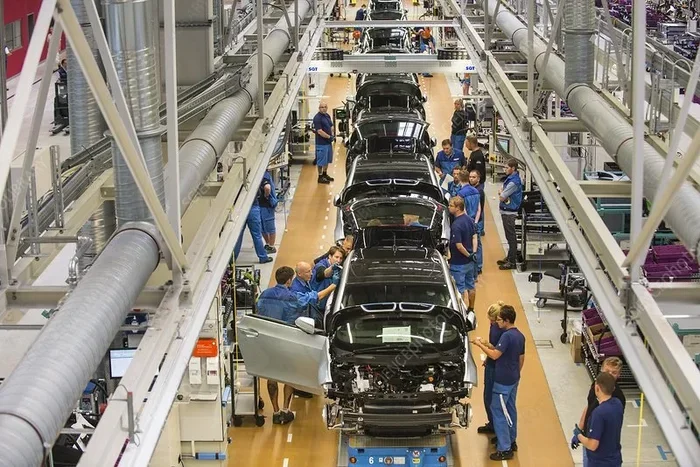
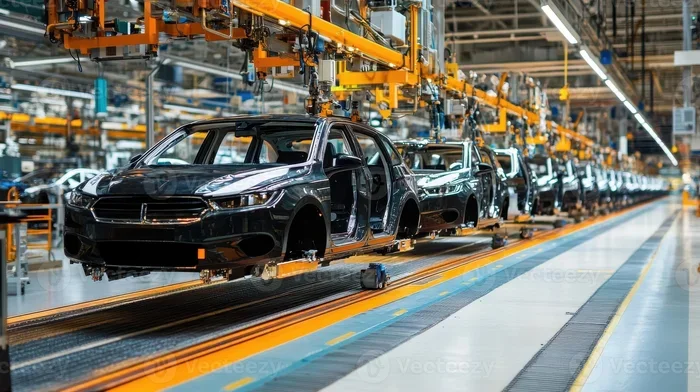
The build date is the day your car rolls off the assembly line. It marks the start of your vehicle’s journey to you. Every car has a unique build date printed on its build sheet. This document records when and where the vehicle was manufactured.
Why Does the Build Date Matter?
The build date sets the clock for your delivery timeline. It is the reference point for every stage that follows. Dealers use it to estimate arrival dates. Shipping companies use it to plan logistics. Without the build date, tracking your car becomes nearly impossible.
Here is why the build date matters:
- It tells you when production finished.
- It helps estimate shipping duration.
- It reveals potential delays in the supply chain.
- It gives you a starting point for tracking.
Always ask your dealer for the build date before finalizing your purchase. It gives you a clear picture of where your car stands in the process.
The Average Timeline: Build Date to Delivery
So, how long does it take to get a car after the build date? On average, most vehicles take between 2 and 8 weeks to reach their destination. However, this range can vary widely based on several factors. Let us look at the typical breakdown.
Domestic Deliveries Within the Same Country
For cars shipped within the same country, the timeline is usually shorter. A vehicle built in a U.S. factory and delivered to a dealer in the same state might take just 1 to 3 weeks. Cross-country shipments can stretch to 4 to 6 weeks.
Factors that affect domestic delivery include:
- Distance between factory and dealer.
- Transport method used.
- Current demand levels.
- Weather and road conditions.
International Deliveries
International shipping adds complexity. A car built in one country and delivered to another can take 6 to 12 weeks. Customs inspections, port handling, and import regulations all extend the timeline. Countries with strict vehicle import laws may add even more time.
Key factors for international deliveries include:
- Port congestion and vessel availability.
- Customs clearance processing times.
- Import duties and documentation.
- Destination country regulations.
How Cars Are Transported After Production
Once the factory build is complete, your car needs to reach the dealership. This involves several transportation methods. Each method has its own timeline and cost implications.
Open Car Transport
Open transport is the most common method. Your car sits on an open trailer with other vehicles. It is cost-effective and widely used. Most domestic deliveries use open transport because it is efficient and fast.
Benefits of open transport:
- Lower cost for the buyer.
- Faster turnaround times.
- Widely available carriers.
- Suitable for most vehicle types.
Enclosed Car Transport
Enclosed transport protects your car from weather and road debris. It is popular for luxury, classic, or high-value vehicles. However, enclosed transport usually takes a bit longer due to limited carrier availability and higher demand.
When enclosed transport makes sense:
- You are shipping a luxury or exotic car.
- Weather conditions are harsh.
- The vehicle has a low ground clearance.
- You want maximum protection during transit.
Rail and Freight Shipping
Some vehicles travel by rail or freight ship. This is common for long-distance domestic routes and international shipments. Rail transport is reliable and can handle large volumes. Freight shipping across oceans adds time but is necessary for international deliveries.
Tracking Your Car After the Build Date
Waiting for a new car can be stressful. Tracking your vehicle helps ease the anxiety. Most modern vehicles can be tracked using their VIN. Several tools and services let you monitor your car’s journey in real time.
VIN-Based Tracking Tools
Your Vehicle Identification Number is your best friend during this process. Enter your VIN into tracking websites to see where your car is. Many dealer management systems also offer built-in tracking features.
Popular tracking methods include:
- Manufacturer online portals.
- Dealer-provided status updates.
- Third-party vehicle tracking services.
- Shipping carrier tracking numbers.
What to Ask Your Dealer
Stay proactive by asking your dealer the right questions. Do not be afraid to call or email for updates. Here are some questions that help:
- What is the current status of my vehicle?
- Has it left the factory yet?
- Which shipping carrier is handling transport?
- Is there any estimated arrival date?
- Are there any known delays?
Factors That Can Delay Delivery
Not every car arrives on time. Several factors can cause delays in the vehicle delivery process. Being aware of these helps you set realistic expectations.
Weather Conditions
Severe weather is one of the biggest culprits. Hurricanes, snowstorms, and flooding can halt transport for days or even weeks. Carriers often reroute shipments to avoid dangerous conditions. This adds time to the overall delivery window.
Supply Chain Disruptions
Global supply chain issues affect car delivery timelines. Parts shortages can delay production. Port congestion can bottleneck shipments. These disruptions ripple through the entire logistics chain. The result? Your car sits longer before reaching you.
Dealer Processing Time
Once the car arrives at the dealership, there is still work to be done. The dealer inspects the vehicle, prepares paperwork, and may need to add accessories or perform pre-delivery checks. This processing can take anywhere from 1 to 5 business days.
Customs and Regulatory Delays
For international shipments, customs is a major factor. Documents must be verified. Duties and taxes must be paid. Vehicles may be inspected for compliance. Any issue at this stage can add days or weeks to the timeline.
Tips to Speed Up Your Car Delivery
While you cannot control every factor, there are steps you can take to minimize wait times. These practical tips help you get behind the wheel faster.
1. Choose a Closer Dealer
Ordering from a dealer closer to the manufacturing facility reduces transit time. If you live in a large metro area, you likely have multiple dealer options. Compare delivery estimates before placing your order.
2. Be Flexible With Options
Highly customized vehicles take longer to build and ship. If timing is important, consider choosing a vehicle that is already in stock or has fewer custom options. This can shave weeks off the delivery window.
3. Stay Organized With Paperwork
Delays often happen because of paperwork issues. Have all your documents ready before the car arrives. This includes financing paperwork, insurance proof, registration forms, and identification. Being prepared speeds up the final delivery process.
4. Monitor Shipping Alerts
Sign up for shipping alerts from your dealer or carrier. These notifications keep you informed of any changes. You will know immediately if there is a delay or route change. This gives you time to adjust your plans.
Quick Tips for a Smoother Delivery
- Keep your dealer’s contact info handy.
- Check your VIN tracking daily.
- Have insurance arranged before delivery day.
- Inspect the vehicle thoroughly upon arrival.
- Ask for a pre-delivery inspection report.
Common Mistakes Buyers Make When Waiting for a Car
Many buyers make avoidable mistakes during the waiting period. These mistakes can lead to frustration, extra costs, or even delivery problems. Here are the most common ones and how to avoid them.
Not Verifying the Build Date
Some buyers never confirm the actual build date. They rely solely on the dealer’s word. Always verify the build date using the VIN or the vehicle’s documentation. This ensures you have an accurate timeline and can hold the dealer accountable.
Ignoring Shipping Updates
Failing to monitor shipping updates is a common error. If your car is rerouted or delayed, you want to know early. Ignoring updates means you are caught off guard when the car does not arrive on the expected date.
Over-Customizing the Vehicle
Adding too many custom features extends production and shipping time. While personalization is great, every added option increases complexity. If timing matters, keep customizations to a minimum.
Skipping the Pre-Delivery Inspection
Some buyers skip the pre-delivery inspection to save time. This is a mistake. A thorough inspection catches any damage or issues before you drive off. It protects your investment and gives you peace of mind.
How Long Does It Take to Get a Car After the Build Date? The Bottom Line
The answer depends on many variables. For most domestic deliveries, expect 2 to 6 weeks after the build date. International shipments can take 6 to 12 weeks. Weather, logistics, customs, and dealer processing all influence the final timeline.
The key is to stay informed and proactive. Use VIN tracking tools. Communicate regularly with your dealer. Understand each stage of the process. When you know what to expect, the wait becomes much easier to manage.
Remember, your car is being built and transported with care. Rushing the process can lead to mistakes or damage. Patience pays off when you finally get behind the wheel of a vehicle that arrived in perfect condition.
Keep these timelines and tips in mind as you wait for your new ride. The journey from factory to driveway is an adventure. And knowing what lies ahead makes it a much smoother one.
Frequently Asked Questions
What does the build date on a car mean?
The build date is the exact day your vehicle was assembled at the factory. It appears on the build sheet and can be verified using the VIN. This date marks the beginning of your car’s journey to the dealership.
Can I track my car while it is being shipped?
Yes, most vehicles can be tracked using their VIN through online portals or dealer systems. Shipping carriers also provide tracking numbers. Regular updates help you monitor progress and anticipate arrival dates.
Does the type of transport affect delivery time?
Yes, it does. Open transport is generally faster and more widely available. Enclosed transport takes slightly longer due to limited carrier options. Rail and freight shipping add time for international routes.
What should I do if my car is delayed after the build date?
First, contact your dealer for an update. Check VIN tracking tools for any route changes. Weather, port congestion, and customs issues are common causes. Staying informed helps you manage expectations and plan accordingly.
Is it normal for a car to take 3 months to arrive after the build date?
It can be normal, especially for international deliveries or heavily customized vehicles. Customs processing, shipping routes, and supply chain disruptions all contribute. If the wait exceeds 12 weeks, it is worth following up with your dealer.
How can I reduce the wait time for my new car?
Choose a dealer closer to the factory, limit custom options, keep paperwork ready, and stay on top of shipping updates. These steps help minimize delays and get your vehicle to you faster.
=== CONCLUSION ===
The timeline from build date to delivery varies, but understanding the process makes it much easier to navigate. Most cars arrive within 2 to 8 weeks for domestic shipments and 6 to 12 weeks for international ones. Shipping method, distance, customs, and dealer processing all shape the final delivery date.
Stay proactive by tracking your vehicle, communicating with your dealer, and preparing for arrival in advance. Avoid common mistakes like ignoring updates or skipping inspections. The wait may feel long, but a little knowledge goes a long way in making the process smoother.
Now that you know what to expect, you can approach your new car delivery with confidence. Keep track of your build date, monitor shipping progress, and get ready to enjoy your new vehicle the moment it arrives.