Is Changing a Car Air Filter Hard Here Is the Answer
No, changing a car air filter is not hard at all. Most drivers can swap out a dirty air filter in under 15 minutes with no special tools. This guide walks you through every step, from spotting symptoms of a clogged filter to choosing the right replacement part.
Changing a car air filter is not as scary as it sounds. In fact, it is one of the easiest maintenance jobs you can do at home. You do not need fancy tools, years of mechanic experience, or even a garage. With just a few minutes and a basic understanding of where things are, you can keep your engine running smooth and strong.
This guide covers everything you need to know about is changing a car air filter hard. We will walk you through the signs that your filter needs replacing, the step-by-step process, common mistakes to avoid, and tips to make the job even easier. Whether you are a complete beginner or just need a refresher, you will find exactly what you are looking for here.
Let us be upfront. If you can open a box and pull out an old part, you can change your car air filter. Seriously. It really is that simple. And the best part? You save money, learn something new, and keep your vehicle running better for longer.
Key Takeaways
- Easy DIY Task: Replacing your car air filter is one of the simplest maintenance jobs you can do at home.
- Saves Money: Doing it yourself costs a fraction of what a mechanic would charge.
- Boosts Performance: A clean air filter improves engine performance and fuel efficiency.
- Quick Replacement: Most vehicles take 10 to 15 minutes for a full air filter swap.
- Know the Signs: Reduced acceleration, rough idling, and black smoke are clear symptoms of a dirty filter.
- Check Your Manual: Always refer to your vehicle owner manual for the correct filter type and replacement schedule.
📑 Table of Contents
- What Is a Car Air Filter and Why Does It Matter?
- How Often Should You Replace Your Air Filter?
- Signs Your Air Filter Needs Changing
- Step-by-Step Guide to Changing a Car Air Filter
- Common Mistakes When Replacing an Air Filter
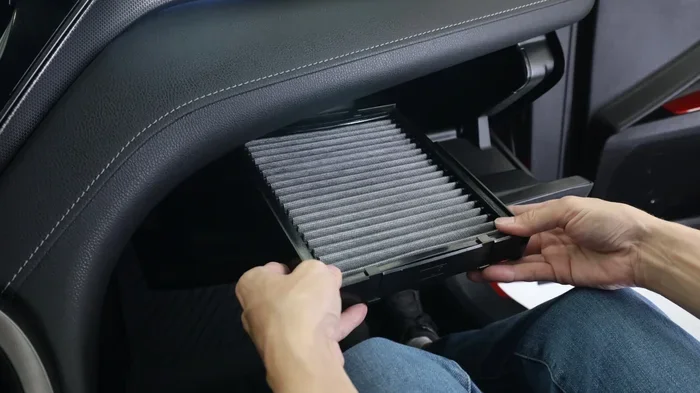
- Cabin Air Filter vs Engine Air Filter
- Can You Clean an Air Filter Instead of Replacing It?
- When to See a Professional
- Final Thoughts
What Is a Car Air Filter and Why Does It Matter?
Your car air filter sits inside a sealed box, usually near the top of the engine. Its job is simple but critical. It catches dust, dirt, pollen, and other debris before they can enter your engine through the air intake system. Clean air is essential for proper combustion. Without it, your engine has to work harder and performs worse.
Think of the air filter like a nose for your car. Just like your nose filters the air you breathe, your car air filter cleans the air your engine uses. Over time, that filter gets clogged with all the grime it has caught. When it gets too dirty, air cannot flow through properly. This leads to a whole list of problems you definitely want to avoid.
A dirty air filter can reduce your engine performance, lower fuel efficiency, and even cause rough idling. Most drivers do not realize their filter is dirty until they notice a serious drop in how the car feels. That is why regular air filter maintenance matters so much.
There are two main types of air filters in most vehicles. The engine air filter cleans the air going into the engine. The cabin air filter cleans the air coming into the interior. Both are important, but this article focuses on the engine air filter. If you want to learn about cabin filters, check out this guide on can I replace car AC filter myself for more details.
How Often Should You Replace Your Air Filter?
Most manufacturers recommend replacing your engine air filter every 12,000 to 15,000 miles. However, this number can vary. If you drive in dusty areas, on unpaved roads, or in heavy traffic, you may need to replace it more often. The good news is checking your filter takes only a few seconds.
Here are some general guidelines to follow:
- Normal driving conditions: Replace every 12,000 to 15,000 miles.
- Dusty or rural areas: Replace every 6,000 to 8,000 miles.
- Heavy traffic or city driving: Replace every 10,000 to 12,000 miles.
- Older vehicles: Check the filter every oil change.
Your vehicle owner manual is the best place to find the exact schedule for your specific car. Do not rely solely on mileage. Visual inspections matter just as much. If the filter looks dark, dirty, or clogged, go ahead and replace it even if you are not at the recommended mileage yet.
One thing many people overlook is the cost. A new air filter replacement part usually costs between 15 and 30 dollars. That is incredibly cheap for something that protects your engine so directly. Compare that to the cost of fixing engine damage caused by a neglected filter. The savings speak for themselves.
Signs Your Air Filter Needs Changing
Your car will tell you when the air filter is going bad. You just need to know what to look for. Here are the most common symptoms of a dirty air filter that every driver should recognize.
Reduced Acceleration and Engine Power
When your filter is clogged, your engine cannot get enough air. This means combustion is incomplete. You will notice your car feels sluggish, especially when you press the gas pedal. If your vehicle feels slower than usual during normal driving, a dirty filter could be the culprit.
Black or Sooty Exhaust Smoke
A clogged filter disrupts the air fuel balance. Too little air and too much fuel creates a rich mixture. This often results in black smoke coming from the exhaust pipe. If you see this, check your air filter right away.
Rough Idling or Misfires
A starved engine idles poorly. You might notice your car shakes or vibrates when sitting at a red light. In worse cases, the engine may misfire. These are clear signs that air flow to the engine is restricted.
Check Engine Light
Modern vehicles have sensors that detect air flow problems. When the engine computer notices irregular air intake, it may trigger the check engine light. While many things cause this light, a dirty air filter is one of the simplest to fix.
Lower Fuel Efficiency
If you are filling up more often than usual, your air filter might be to blame. A restricted filter forces the engine to burn more fuel to compensate for the lack of clean air. This directly impacts your fuel efficiency and costs you money at the pump.
If you notice any of these signs, do not ignore them. A quick visual check of the air filter can confirm whether it needs replacing. And if you are unsure about other car symptoms, can you tell if your car is low on oil is another great resource for basic vehicle health checks.
Step-by-Step Guide to Changing a Car Air Filter
Now for the part you have been waiting for. Here is exactly how to change your car air filter. The process is nearly identical for most vehicles. Once you do it once, you will never pay a mechanic to do it again.
Step 1: Gather Your Tools and Supplies
You need very little for this job. Here is your checklist:
- New air filter (match the part number to your vehicle)
- Phillips head screwdriver or flat head screwdriver (depending on your car)
- A clean, dry rag or microfiber cloth
- Your vehicle owner manual
That is it. No special equipment. No expensive tools. You probably already have everything you need in your garage or toolbox.
Step 2: Locate the Air Filter Box
Open the hood of your car. Look for a large, rectangular plastic box near the top of the engine. It usually has a large hose connected to it, leading to the engine intake. This is your air filter housing. If you are unsure, consult your owner manual. It will have a diagram showing the exact location.
Make sure the engine is cool before you start working. If you have been driving, wait at least 15 to 20 minutes. You do not want to burn your hands on hot engine parts.
Step 3: Open the Air Filter Housing
Most air filter boxes use metal clips or screws to hold the lid in place. Simply unclip or unscrew them. Some newer vehicles use a lever or tab system. Just push or pull the tab, and the lid lifts right off. Set the screws or clips aside in a safe place so you do not lose them.
Step 4: Remove the Old Air Filter
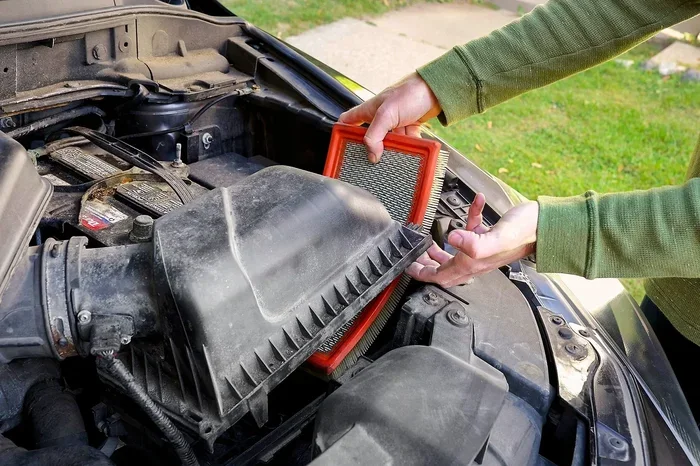
Lift the old filter straight up out of the housing. Take a close look at it. If it is covered in dust, dirt, or debris, you were right to replace it. Hold it up to a light source. If you cannot see light through the filter material, it is definitely time for a new one.
Use the clean rag to wipe out any loose dirt or debris from inside the filter housing. You want a clean space for the new filter. Do not use water or any cleaning solution. Just a dry cloth is perfect.
Step 5: Install the New Air Filter
Take your new filter out of the box. Check that it matches the old one in size and shape. There should be an arrow on the new filter showing the direction of air flow. Make sure the arrow points toward the engine. Drop the new filter into the housing, ensuring it sits flat and snugly against the bottom.
Step 6: Close the Housing and Secure the Lid
Place the lid back on and reattach all clips, screws, or tabs. Make sure everything is secure. A loose lid can let unfiltered air enter the engine, which defeats the whole purpose.
Step 7: Test Drive
Start your engine and let it idle for a minute or two. Listen for any unusual sounds. Take a short drive and pay attention to how the car feels. You should notice smoother acceleration and a more responsive engine within a few miles.
That is all there is to it. The entire process takes about 10 to 15 minutes for most vehicles. It is genuinely one of the easiest DIY car maintenance tasks you can do.
Common Mistakes When Replacing an Air Filter
Even though this is a simple job, people still make mistakes. Here are the most common ones and how to avoid them.
Buying the Wrong Filter
Not all air filters are the same. Using the wrong size or type can cause air leaks and poor performance. Always check your owner manual or the old filter for the correct part number. If you are unsure, ask at your local auto parts store and they will help you find the right one.
Forgetting to Clean the Housing
Dirt and debris left inside the housing can end up in your engine. Always wipe out the housing before installing the new filter. This takes just a few seconds and makes a big difference.
Installing the Filter Backwards
The air flow direction arrow on the filter matters. If you install it backwards, air cannot pass through properly. Always double check that the arrow points toward the engine before closing the lid.
Over-Tightening the Clips or Screws
You do not need to crank down on the housing. Snug is enough. Over-tightening can crack the plastic housing or strip the screws. Just firm and secure is perfect.
Ignoring the Cabin Air Filter
Many people forget about the cabin air filter. This is the filter that cleans the air inside your car. If your air conditioning smells musty or your airflow seems weak, the cabin filter might need replacing too. For more information on this topic, check out our article on can I clean my engine air filter instead of replacing it.
Cabin Air Filter vs Engine Air Filter
It is worth taking a moment to understand the difference between these two filters. They serve different purposes but both are important for your vehicle.
| Feature | Engine Air Filter | Cabin Air Filter |
|---|---|---|
| Location | Engine bay, near air intake | Under dashboard or behind glove box |
| Purpose | Filters air entering the engine | Filters air entering the cabin |
| Replacement Interval | Every 12,000 to 15,000 miles | Every 15,000 to 20,000 miles |
| DIY Difficulty | Very easy | Easy to moderate |
| Cost of Replacement | 15 to 30 dollars | 20 to 50 dollars |
The engine air filter directly affects how your engine runs. The cabin air filter affects the air quality inside your car. Both should be part of your regular maintenance routine. If you are comfortable changing the engine air filter, the cabin filter is a great next step in your DIY journey.
Can You Clean an Air Filter Instead of Replacing It?
Some people wonder if they can simply clean their existing air filter instead of buying a new one. The short answer is: it depends on the type of filter you have.
If your vehicle uses a standard paper air filter, cleaning is not recommended. Paper filters are designed for single use. Washing them damages the filter material and reduces its ability to trap particles effectively. You are better off just replacing it with a fresh one.
However, if your car uses a reusable performance air filter (like a K&N filter), cleaning is not only possible but recommended. These filters use cotton or foam elements that can be washed with a special cleaning solution and re-oiled. They cost more upfront but last for the life of the vehicle with proper care.
For most daily drivers, stick with replacing the standard paper filter. It is cheaper, easier, and more reliable. If you want to explore cleaning options, that article on cleaning versus replacing is a great place to start.
When to See a Professional
Changing your air filter is a great DIY task. But there are times when you should let a professional handle it. If you notice persistent engine problems even after replacing the filter, something else may be going on. Issues like engine misfires, unusual noises, or ongoing rough idling could point to deeper problems that need expert diagnosis.
Also, if your air filter housing is damaged or the clips are broken, a mechanic can address those issues safely. Do not force anything that does not seem right. Trust your instincts. If something feels off, it is worth getting a second opinion.
Final Thoughts
So, is changing a car air filter hard? Absolutely not. It is one of the most straightforward and rewarding maintenance tasks you can tackle on your own. In less than 15 minutes, you can improve your engine performance, boost fuel efficiency, and extend the life of your vehicle.
The key is to stay on top of your replacement schedule. Check your filter regularly, watch for the warning signs, and do not let a dirty filter go too long. Your car will thank you with smoother starts, better acceleration, and fewer trips to the mechanic.
Grab a new filter, pop your hood, and give it a try. Once you see how easy it is, you will wonder why you ever paid someone else to do it. Changing your car air filter is simple, fast, and one of the best things you can do for your vehicle.
Keep this guide bookmarked for your next maintenance day. And remember, every small job you do yourself builds your confidence and saves you money over the life of your car. Happy wrenching.
Frequently Asked Questions
How long does it take to change a car air filter?
For most vehicles, the entire process takes between 10 and 15 minutes. It is one of the fastest maintenance tasks you can do at home. Once you have done it a couple of times, you will be even faster.
Can I drive with a dirty air filter?
You can, but you should not for long. A dirty filter reduces engine performance and fuel efficiency. Over time, it can cause more serious engine problems. It is best to replace it as soon as you notice the symptoms of a clogged filter.
How much does an air filter cost?
A standard engine air filter costs between 15 and 30 dollars. You can buy one at any auto parts store or online. The low cost makes this one of the most affordable maintenance items you can replace yourself.
What happens if I put the air filter in backwards?
If the filter is installed backwards, air flow is restricted. This can cause reduced engine performance, rough idling, and lower fuel efficiency. Always check the air flow direction arrow on the new filter before installing it.
Do I need any special tools to change my air filter?
No special tools are needed. Most air filter housings use simple clips or screws that can be removed by hand or with a basic screwdriver. That is all you need to get the job done.
Can a dirty air filter cause the check engine light to come on?
Yes, it can. A severely clogged air filter disrupts the air fuel mixture. Modern vehicles have sensors that detect this imbalance and may trigger the check engine light. Replacing the filter often resolves the issue quickly.
=== CONCLUSION ===
Is changing a car air filter hard? The answer is a clear no. It is one of the easiest and most satisfying DIY maintenance tasks you can do. With a new filter, a screwdriver, and about 15 minutes of your time, you can make a real difference in how your car runs. Do not let the idea of car maintenance intimidate you. Start with the air filter. Once you see how simple it is, you will feel empowered to tackle even more jobs on your own. Your vehicle, your wallet, and your confidence will all thank you.