Is 1 Quart Over Too Much Oil Bad for Your Car Engine
Is 1 quart over too much oil? The answer depends on your engine’s oil capacity, but in most cases, a single quart over the fill line is not immediately dangerous. However, even a small overfill can cause oil foaming, pressure problems, and long-term engine wear if left unchecked. This guide covers everything you need to know about overfilling engine oil and how to fix it safely.
This is a comprehensive guide about Is 1 Quart Over Too Much Oil?.
Key Takeaways
- 1 quart over is usually minor: Most engines have some tolerance, but it should still be corrected promptly.
- Overfilling causes oil foaming: Foam reduces lubrication and can lead to increased engine wear.
- Watch for symptoms: Blue smoke, high oil pressure, and unusual engine noises are warning signs.
- Draining the excess is simple: You can fix the problem at home or at a shop.
- Prevention is easy: Always check the oil dipstick after adding oil and follow your owner’s manual.
- Ignoring the problem can be costly: Prolonged overfilling may damage the crankshaft, seals, or catalytic converter.
[FEATURED_IMAGE_PLACEHOLDER]
Is 1 Quart Over Too Much Oil? Here’s What Every Car Owner Should Know
You just finished adding oil to your engine. You grab the oil dipstick and notice the level is sitting above the max line. One quart over. Now your mind starts racing. Is 1 quart over too much oil?
The short answer is: it depends. In most cases, a single quart above the full mark is not going to destroy your engine overnight. But that does not mean you should ignore it. Overfilling engine oil can lead to real problems, especially if the excess sits in there for days or weeks. Even a small amount of extra oil can cause oil foaming, pressure spikes, and leaks that wear down engine parts over time.
In this article, we will break down exactly what happens when you put too much oil in your engine. We will cover the symptoms to watch for, the risks involved, and the simple steps you can take to fix the problem. Whether you are dealing with a 1 quart overfill or you are just trying to prevent one, this guide has you covered.
Understanding Oil Capacity and Why It Matters
Every engine has an oil capacity that the manufacturer specifies. This number tells you exactly how much oil your engine needs to run properly. For most passenger cars, the total capacity ranges from about 4 to 6 quarts. Smaller engines, like a 1.5 liter engine, may only need 3 to 4 quarts. Larger truck engines can hold 8 or more.
When you add oil, the goal is to hit the sweet spot between the minimum and maximum marks on the dipstick. Going even a little past the max line changes the dynamics inside the crankcase. Here is why that matters.
How the Crankcase Works With Oil
The crankshaft spins inside the bottom of the engine block. It sits in a pool of oil that keeps it lubricated as it rotates. When the oil level is correct, the crankshaft dips just slightly into the oil and picks up a thin film. This film reduces friction and keeps everything running smoothly.
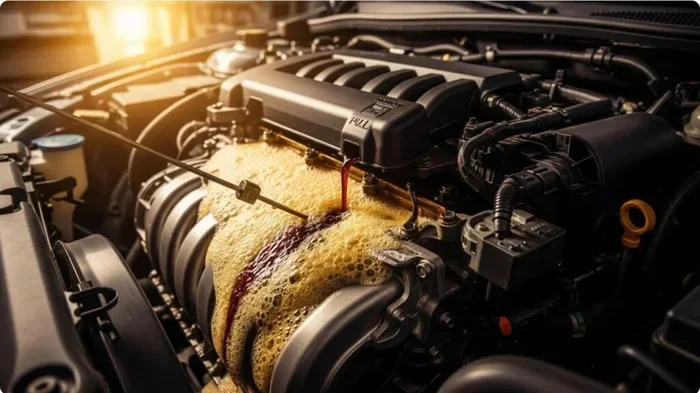
Now imagine adding too much oil. The oil level rises higher than it should. The spinning crankshaft starts to hit the excess oil like a paddle in a pool. This creates air bubbles mixed into the oil, which is called oil foaming. Foam does not lubricate the way liquid oil does. It is airy and inconsistent. That means your engine parts are not getting the protection they need.
Oil Capacity by Engine Size
Here is a general look at how much oil common engines hold:
- 1.5 liter engines: 3.5 to 4.5 quarts
- 2.0 liter engines: 4.5 to 5.5 quarts
- 2.5 liter engines: 5 to 6 quarts
- 4.0 liter truck engines: 6 to 8 quarts
As you can see, the impact of 1 quart over varies by engine. On a small 1.5 liter engine, one extra quart is a big percentage of the total capacity. On a larger engine, it is less significant. But regardless of size, no engine benefits from being overfilled.
What Happens When You Overfill Engine Oil
So what actually goes wrong inside the engine when there is too much oil? The problems start small but can grow serious if you do not address them. Let us walk through the main issues that come with overfilling engine oil.
Oil Foaming and Reduced Lubrication
This is the number one problem caused by too much oil. When the crankshaft churns through excess oil, it whips air into the liquid. The result is a frothy, foamy substance that cannot maintain proper oil pressure. Foam compresses easily, so the oil pump cannot push it through the engine passages the way it should.
Without proper lubrication, metal parts start to grind against each other. Over time, this causes wear on bearings, cylinder walls, and other critical components. The damage is gradual, which makes it dangerous because you might not notice it until it is too late.
Increased Oil Pressure
Too much oil in the crankcase raises the overall pressure inside the system. High oil pressure can stress gaskets and seals. These are the rubber-like components that keep oil from leaking out of the engine. When pressure builds up, it can push past weak seals and cause oil leaks.
Common leak points include:
- The valve cover gasket
- The oil pan gasket
- The front and rear crankshaft seals
- Oil filter connections
Oil Getting Into the Combustion Chamber
When the oil level is too high, it can reach areas it should not. The excess oil may get pushed up into the cylinder walls and eventually burn in the combustion chamber. This leads to blue or white smoke coming from the exhaust pipe.
Burning oil is not just a nuisance. It can also damage the catalytic converter, which is an expensive emissions component. In worst cases, oil fouling the spark plugs can cause rough running or misfires.
Damage to the Crankshaft and Bearings
The crankshaft is the backbone of your engine. It converts the up-and-down motion of the pistons into rotational energy. When oil foams or pressure builds too high, the bearings that support the crankshaft suffer. They can wear out faster or even fail prematurely.
Replacing crankshaft bearings is not a cheap repair. In some cases, it requires pulling the engine partially apart. This is exactly why taking 1 quart over seriously is so important.
Symptoms of Too Much Oil in Your Engine
How do you know if you have put too much oil in your car? The symptoms can be subtle at first, but they become more obvious over time. Here are the key signs to watch for.
Blue or White Exhaust Smoke
This is the most recognizable sign of excess oil. If you see blue or white smoke puffing from the tailpipe, oil is likely burning inside the combustion chamber. This happens when the oil level is high enough to reach the cylinder walls and get pulled past the piston rings.
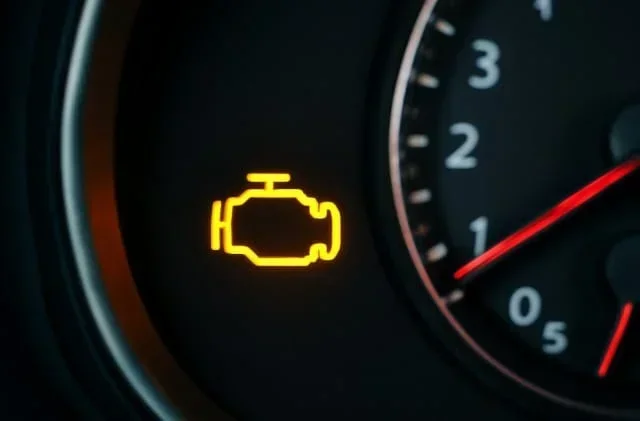
Oil Pressure Warning Light
Your dashboard has an oil pressure warning light for a reason. If the oil pressure spikes due to overfilling, this light may come on. Do not ignore it. Pull over safely and check your oil level as soon as you can.
Unusual Engine Noises
Foamy oil does not lubricate well. If you hear knocking, ticking, or rattling sounds from the engine bay, it could be a sign that parts are not getting proper lubrication. This is especially concerning when combined with a high oil level.
Oil Leaks Under the Car
If you notice fresh oil spots parked on your driveway, excess pressure inside the crankcase could be pushing oil past seals and gaskets. Check under the car regularly and look for any new drips or puddles.
Rough Engine Performance
Oil fouling the spark plugs or interfering with combustion can cause the engine to run rough. You might notice vibrations, hesitation when accelerating, or a general lack of power.
If you notice any of these symptoms, check your oil dipstick right away. If the level is above the max mark, you need to take action.
Can You Drive With 1 Quart of Extra Oil?
Let us address the big question directly. Can I drive my car with too much oil in it? The honest answer is that driving a short distance with 1 quart over is unlikely to cause immediate catastrophe. Most engines can tolerate a small overfill for a brief period without serious harm.
However, that does not mean it is safe to make a habit of it. Driving long distances with excess oil increases the risks we discussed earlier. The longer the foamy oil circulates through the engine, the more wear and damage it can cause.
If you realize you have added too much oil, here is what you should do:
- Do not panic. One quart over is a minor issue in most cases.
- Do not drive long distances. Keep the driving to a minimum until you fix the problem.
- Check the oil level again. Make sure the engine is level and the oil has settled before reading the dipstick.
- Drain the excess oil. You can do this yourself or have a mechanic handle it.
- Reset your oil life monitor if needed after the correction.
If you are wondering whether you can simply drive to the shop, the answer is yes for a short trip. But do not push it. The faster you correct the overfill, the better off your engine will be.
On the flip side, if you have been driving for weeks with too much oil, pay closer attention to any warning signs. Have a mechanic inspect the engine if you notice smoke, leaks, or unusual noises.
How to Fix an Oil Overfill Safely
Correcting an oil overfill is straightforward. You have a few options depending on your comfort level and tools.
Option 1: Drain the Excess Oil Yourself
If you are handy with basic car maintenance, you can drain the extra oil on your own. Here is how:
- Park the car on a level surface and let the engine cool.
- Place a drain pan under the oil drain plug.
- Remove the drain plug and let a small amount of oil out.
- Check the level with the dipstick after draining.
- Replace the drain plug and add oil if needed to reach the correct level.
Be careful not to drain too much. It is better to remove a small amount and recheck than to take out too much.
Option 2: Visit a Mechanic or Dealership
If you prefer not to get your hands dirty, a quick trip to a mechanic or dealership will do the trick. Most shops can drain the excess oil in under 30 minutes. The cost is usually minimal, especially if you did not buy the oil from them.
You might also wonder, can you negotiate the price of an oil change? In many cases, yes. If you are already going in for a service, it does not hurt to ask for a fair price or a discount on the excess oil removal.
Option 3: Use an Oil Extractor Pump
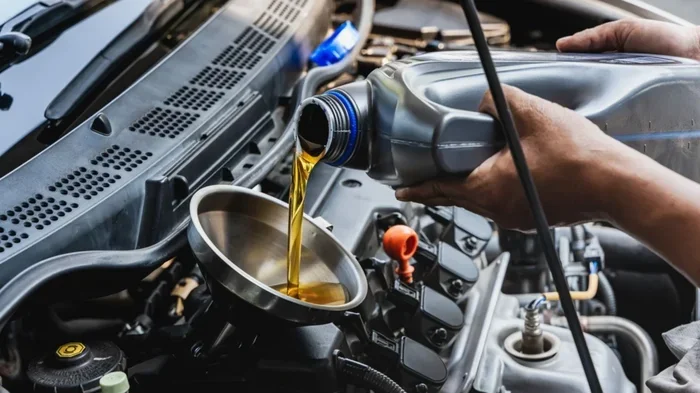
An oil extractor pump is a handy tool that lets you suction excess oil out through the dipstick tube. This method avoids having to crawl under the car. It is a clean, simple solution that many DIY enthusiasts love.
Preventing Oil Overfill in the Future
The best way to deal with too much oil is to avoid it in the first place. Here are some practical tips to keep your oil level right where it should be.
- Always check the owner’s manual. Know your engine’s exact oil capacity before you add oil.
- Add oil in small increments. Do not pour a full quart all at once unless the level is well below the minimum mark.
- Wait a few minutes after adding oil. Let the oil settle before checking the dipstick.
- Recheck after the engine has warmed up. Hot oil is thinner and may give a different reading than cold oil.
- Keep track of your oil change interval. Regular changes prevent overfilling because you know exactly how much oil to add each time.
- Use a funnel. This helps you control the pour and avoid spilling or adding too much.
Taking these simple precautions can save you from the headache of dealing with overfilled engine oil. A few extra minutes of care goes a long way toward protecting your engine.
Common Mistakes People Make When Adding Oil
Even experienced car owners can make mistakes when it comes to adding oil. Here are some common errors to avoid.
Pouring Too Fast Without Checking
This is the most common mistake. People pour oil quickly and assume it is close enough to the right level. But guessing is never a good idea. Always check the dipstick after every addition.
Forgetting to Reset the Oil Life Monitor
After an oil change or top-off, many vehicles have a maintenance reminder that needs to be reset. If you do not reset it, the system may not track your next oil change interval correctly.
Using the Wrong Oil Viscosity
Adding the wrong oil viscosity can cause problems even if the level is correct. Always use the oil weight recommended by your vehicle manufacturer.
Ignoring the Oil Filter
When you are already working on the oil, it is a good time to check or replace the oil filter. A clogged or low-quality filter can reduce oil flow and affect engine performance. If you are curious about brand quality, you might wonder, are Toyota oil filters good? They are widely regarded as reliable and compatible.
When to Seek Professional Help
Most of the time, fixing 1 quart of extra oil is a simple DIY job. But there are situations where professional help is the smart choice.
If you have been driving for a long time with too much oil and you notice any of these signs, see a mechanic right away:
- Persistent blue or white exhaust smoke
- Oil leaks that do not stop after correcting the level
- Unusual knocking or ticking noises that do not go away
- The oil pressure warning light stays on
- Rough idling or misfires
A professional inspection can catch any damage early before it turns into an expensive repair. It is always better to be safe than sorry when it comes to your engine’s health.
Conclusion
So, is 1 quart over too much oil? The truth is that it is not an emergency in most cases, but it is not something you should ignore either. A single quart above the fill line can cause oil foaming, pressure problems, and potential leaks if left unresolved. The good news is that the fix is simple and affordable. Whether you drain the excess yourself or visit a shop, correcting the level quickly will protect your engine from unnecessary wear.
Remember to always check your oil dipstick after adding oil, add oil in small amounts, and follow your owner’s manual for the correct capacity. These small habits make a big difference over the life of your vehicle. Take care of your engine today, and it will take care of you for years to come.
Do you reset after an oil change? Yes, always reset your oil life monitor to keep track of your next service. And if you are unsure about anything, do not hesitate to consult a trusted mechanic. Your engine deserves the best care you can give it.
Is 1 Quart Over Too Much Oil?
In most cases, 1 quart over the fill line is a minor issue that can be corrected easily. It is not immediately dangerous, but it should be fixed promptly to avoid oil foaming, pressure problems, and potential engine wear.
What Happens If You Put 1 Quart Too Much Oil?
Excess oil can foam when the crankshaft spins through it, reducing lubrication. It can also increase oil pressure, cause leaks, push oil into the combustion chamber, and lead to blue exhaust smoke or rough engine performance.
Can You Drive With Too Much Oil in Your Car?
You can drive a short distance with 1 quart over, but it is best to correct the level as soon as possible. Prolonged driving with too much oil increases the risk of engine damage.
How Do You Fix an Oil Overfill?
You can drain the excess oil yourself using the drain plug, visit a mechanic, or use an oil extractor pump through the dipstick tube. Always recheck the level with the dipstick after correcting.
Does Overfilling Oil Void a Warranty?
It depends on the manufacturer and the extent of damage. If the overfill leads to engine damage and the manufacturer determines it was due to neglect, they may deny the claim. Always follow the recommended oil capacity in your owner’s manual.
How Often Should You Check Your Oil Level?
It is a good habit to check your oil level at least once a month and always after adding oil. Regular checks help you catch overfills or low levels early before they cause problems.
Frequently Asked Questions
What is Is 1 Quart Over Too Much Oil??
Is 1 Quart Over Too Much Oil? is an important topic with many practical applications.