Does Your Car Say When You Need an Oil Change Today
Your car has built-in systems that alert you when an oil change is due, but many drivers overlook or ignore them. Understanding how your vehicle signals low oil life, dashboard warnings, and oil degradation can save you from costly engine repairs. This guide breaks down every way your car communicates oil change needs and what you should do about it.
Your car talks to you. It may not use words, but it sends clear signals when something needs attention. One of the most important messages your vehicle sends is about oil changes. Ignoring these signals can lead to serious engine problems. Yet many drivers wonder, does your car actually tell you when you need an oil change? The short answer is yes. But the longer answer involves understanding how different systems work and what each warning really means.
Every modern vehicle comes equipped with some form of oil change indicator. These systems range from simple mileage counters to sophisticated algorithms that analyze your driving habits. Knowing how to read your car’s signals can keep your engine healthy and save you thousands in repair costs. Let us walk through exactly how your vehicle communicates its oil change needs.
Many people think oil changes are just a routine chore. But they are actually one of the most important preventive maintenance tasks you can perform. Fresh oil lubricates engine parts, reduces friction, and carries heat away from critical components. Over time, oil breaks down and loses its effectiveness. Your car knows this. The question is whether you are listening to what it is telling you.
Key Takeaways
- Modern vehicles use oil life monitoring systems that track driving habits and engine conditions to determine when an oil change is needed.
- Dashboard warning lights like the check engine light and oil pressure light are critical signals you should never ignore.
- Ignoring oil change alerts can lead to engine damage and expensive repairs that cost far more than a routine oil change.
- Different car brands use different reminder systems, so knowing your specific vehicle’s method is essential.
- Manual maintenance schedules still matter even if your car has automatic oil change indicators.
- Resetting your oil change reminder after service ensures your system stays accurate and reliable.
📑 Table of Contents
- How Do Modern Cars Tell You It Is Time for an Oil Change?
- Understanding Your Dashboard Warning Lights
- What Happens When You Ignore the Oil Change Signal?
- Different Types of Oil Change Reminder Systems
- How Often Should You Really Change Your Oil?
- Tips for Keeping Track of Your Oil Change Schedule
- Common Mistakes People Make With Oil Change Reminders
- Expert Insights on Oil Change Alerts
- Key Takeaways
- Conclusion
How Do Modern Cars Tell You It Is Time for an Oil Change?
Today’s vehicles are smarter than ever. They come packed with sensors and computers that monitor nearly every system in your car. When it comes to engine oil life, modern cars use several methods to let you know it is time for a change. Understanding these methods helps you stay ahead of maintenance needs.
Oil Life Monitoring Systems
Most cars built after 2000 have an oil life monitoring system (OLMS). This computerized system tracks various factors to determine when your oil is degrading. It does not just count miles. It also considers engine temperature, driving conditions, and how hard you use your vehicle.
Some systems use a percentage-based indicator. You might see a number like 15% or 30% on your dashboard. This represents the remaining useful life of your oil. When it hits zero or a very low number, it is time to schedule service. Many drivers search online for at what percent oil life should you change oil, and the general rule is to change it when the system drops below 15%.
Mileage-Based Reminders
Older vehicles and some newer models still rely on simple mileage intervals. The system tracks how many miles you have driven since your last oil change. When you hit the set threshold, a light comes on. Common intervals include 5,000 miles, 7,500 miles, or 10,000 miles depending on your vehicle and the type of oil used.
If you drive a Toyota or Lexus, you might be able to get your oil changed at a Toyota dealer. Learn more about whether you can get your Lexus oil change at Toyota to understand your options.
Oil Pressure Warnings
Your car also monitors oil pressure. If the pressure drops too low, a warning light illuminates on your dashboard. This is different from an oil change reminder. Low oil pressure can mean your oil level is too low or your oil pump is failing. Either way, this is a serious warning that requires immediate attention.
If you notice this light, check your oil level right away. You can learn how to check your oil level in our guide on how to tell if your car is low on oil. Ignoring low oil pressure can cause catastrophic engine failure.
Understanding Your Dashboard Warning Lights
Dashboard lights can be confusing. Every car has a different set of symbols and indicators. But when it comes to oil-related warnings, there are a few you need to recognize immediately. Understanding these lights can prevent minor issues from becoming major problems.
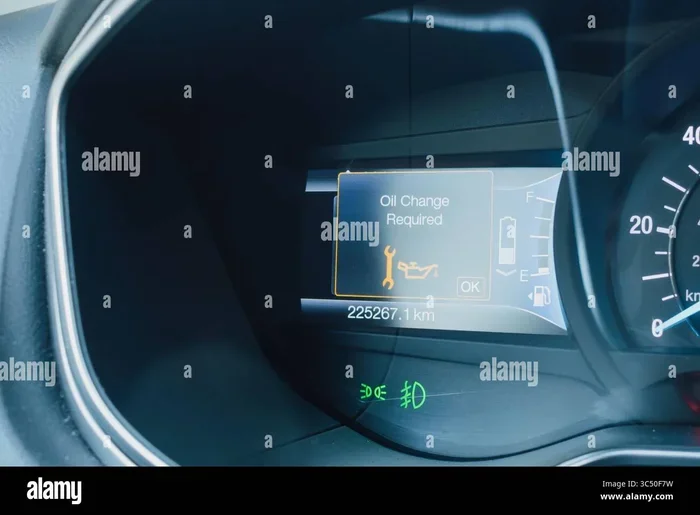
The Oil Change Reminder Light
This light usually looks like a genie lamp or an oil can symbol. It is specifically designed to tell you when your car’s oil change reminder system has determined it is time for service. This light is your best friend when it comes to routine maintenance.
Do not confuse this with other warning lights. The oil change reminder is not an emergency. It is a scheduled maintenance alert. Still, you should address it promptly. Delaying an oil change beyond the recommended window can reduce engine protection.
The Check Engine Light
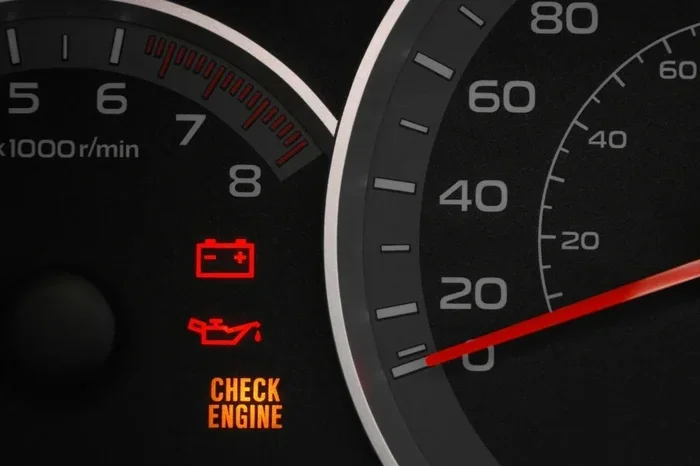
The check engine light is one of the most misunderstood indicators on your dashboard. It can come on for dozens of reasons, including oil-related issues. When your oil quality degrades significantly or your oil level drops dangerously low, the check engine light may activate.
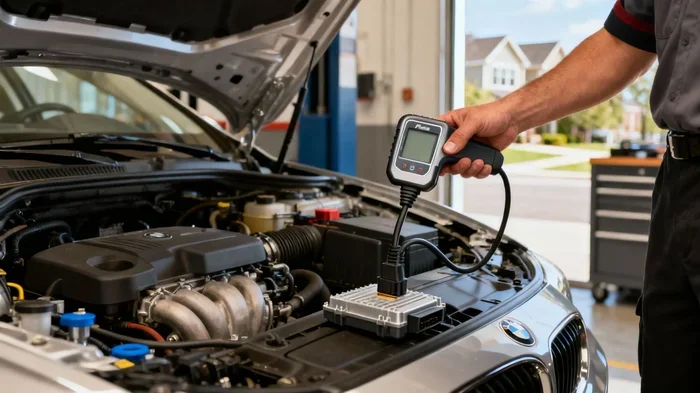
If this light comes on, do not panic. But do not ignore it either. Use an OBD-II scanner to read the error codes, or visit a mechanic who can diagnose the issue. Sometimes the solution is as simple as adding oil or scheduling an oil change.
The Oil Pressure Warning Light
This light typically looks like an oil can with a drop coming out of it. It is red, not yellow or orange. A red warning light means you need to pull over safely and turn off the engine immediately.
Driving with low oil pressure can destroy your engine in minutes. If this light comes on, check your oil level using the dipstick. If the oil is low, do not continue driving. Add oil if needed and get to a service center right away.
What Happens When You Ignore the Oil Change Signal?
We get it. Life gets busy. Sometimes that oil change reminder light flickers on and you think, I will get to it next week. But putting off an oil change can have serious consequences for your engine.
Oil Degradation Over Time
Engine oil does not last forever. It breaks down over time due to heat, pressure, and contamination. As oil degrades, it loses its ability to lubricate engine components effectively. This leads to increased friction, which causes wear and tear on critical parts.
Dirty oil also loses its ability to absorb and dissipate heat. This means your engine runs hotter than it should. Over time, excessive heat can warp engine components and cause irreversible damage.
Increased Wear and Tear
Fresh oil contains additives that protect engine surfaces. These additives prevent metal-to-metal contact between moving parts. As the oil ages, these additives deplete. Without them, your engine experiences accelerated wear.
Think of it this way. Would you run a marathon without drinking water? Your engine runs the same way without fresh oil. The routine maintenance schedule exists for a reason, and ignoring it costs you in the long run.
Costly Engine Repairs
The cost of an oil change is a fraction of what an engine repair or replacement costs. A standard oil change might run you $50 to $100 depending on your vehicle and oil type. An engine rebuild can cost anywhere from $2,500 to $4,000 or more.
Skipping oil changes is one of the leading causes of premature engine failure. Mechanics see this all the time. A car that could have lasted 200,000 miles dies at 80,000 miles because the owner ignored the oil change indicator. The math is simple. Stay current with your oil changes.
Different Types of Oil Change Reminder Systems
Not all cars use the same system to remind you about oil changes. Different manufacturers use different approaches. Understanding your vehicle’s specific system helps you respond appropriately to its signals.
Fixed Interval Systems
Fixed interval systems are the simplest type. They trigger an oil change reminder based on mileage alone. For example, your car might remind you every 5,000 miles or every 7,500 miles. These systems do not account for driving conditions or habits.
Many older vehicles and some economy cars still use fixed interval systems. They are reliable but not as precise as modern monitoring systems. If your car uses this type, follow the manufacturer’s recommended interval strictly.
Adaptive Oil Life Systems
Adaptive systems are more advanced. They monitor your actual driving conditions and adjust the oil change interval accordingly. If you frequently drive in stop-and-go traffic, tow heavy loads, or drive in extreme temperatures, the system shortens the interval.
Conversely, if you drive mostly on highways in moderate temperatures, the system may extend the interval. These systems are smart but still require you to take action when the light comes on. They are not a substitute for regular vehicle maintenance.
Time-Based Reminders
Some vehicles also track time between oil changes, not just mileage. Even if you do not drive many miles, oil can degrade over time due to moisture accumulation and oxidation. If you have a car that sits in the garage most of the time, pay attention to time-based reminders as well.
How Often Should You Really Change Your Oil?
The old rule of thumb was every 3,000 miles or three months, whichever came first. But modern engines and improved oils have changed the game. Today, many cars can go 7,500 to 10,000 miles between oil changes.
Factors That Affect Oil Change Frequency
Several factors determine how often you need an oil change. Your driving habits play a big role. Stop-and-go city driving is harder on oil than steady highway cruising. Extreme temperatures, both hot and cold, also accelerate oil degradation.
The type of oil you use matters too. Synthetic oil lasts longer than conventional oil. If your vehicle requires synthetic oil, you may be able to extend your intervals. However, always follow your owner’s manual recommendations first.
Your vehicle’s age also matters. Older engines tend to burn oil and accumulate contaminants faster. If you drive a higher-mileage vehicle, you might need more frequent changes. You can also check whether you really need to change synthetic oil every 6 months for more guidance.
The Owner’s Manual Is Your Best Friend
Your vehicle’s owner manual contains the manufacturer’s recommended oil change schedule. This is the gold standard. It accounts for your specific engine design, oil type, and intended use. If you are unsure about your oil change interval, consult the manual before making decisions.
Do not rely solely on generic advice from friends or online forums. Every vehicle is different. What works for a Toyota Camry may not be right for a Ford F-150. Trust the manufacturer’s guidelines for your specific model.
Tips for Keeping Track of Your Oil Change Schedule
Staying on top of your oil changes does not have to be complicated. A few simple habits can make sure you never miss a scheduled service again.
Set Reminders on Your Phone
The easiest way to track your oil changes is to set calendar reminders on your phone. After each oil change, note the date and mileage. Set a reminder for your next service based on your manufacturer’s recommended interval.
You can also use apps designed for vehicle maintenance tracking. These apps send you notifications when service is due. They keep all your maintenance records in one place, which is helpful when selling your car or visiting a new mechanic.
Reset Your Oil Change Indicator
After getting an oil change, always reset your oil change reminder system. If you do not reset it, the light will keep coming on even though you just had fresh oil. The reset process varies by vehicle, but it is usually simple.
Some vehicles have a reset button on the dashboard or steering column. Others require you to navigate through the infotainment system. If you are unsure how to reset yours, check your owner manual or ask your mechanic to show you. You can also read our detailed guide on whether you should reset after an oil change for step-by-step instructions.
Keep a Maintenance Log
A simple notebook or spreadsheet can go a long way. Record every oil change, including the date, mileage, type of oil used, and the shop or mechanic who performed the service. This log becomes invaluable over time.
It helps you spot patterns. Maybe your car needs oil changes more frequently than the standard interval. Or perhaps you notice the oil life percentage drops faster in certain seasons. A maintenance log gives you data to make informed decisions about your car care tips and schedule.
Build a Relationship with a Trusted Mechanic
Having a mechanic who knows your vehicle and its history makes everything easier. They can recommend the right oil type, suggest appropriate intervals, and catch potential problems early. A good mechanic is worth their weight in gold when it comes to maintaining your car.
Common Mistakes People Make With Oil Change Reminders
Even the best-intentioned car owners make mistakes when it comes to oil changes. Here are some common errors to avoid.
- Ignoring the reminder light: Many people see the oil change light and assume it can wait. It cannot. Delaying oil changes leads to degraded oil and reduced engine protection.
- Resetting the light without changing the oil: Some drivers reset the reminder light to make it go away without actually getting an oil change. This defeats the entire purpose of the system.
- Following generic advice instead of your manual: Every vehicle is different. What worked for your friend’s car may not be right for yours. Always refer to your owner’s manual.
- Neglecting oil level checks between changes: Your oil level can drop between scheduled changes. Check it regularly using the dipstick to ensure you are not running low.
- Using the wrong oil type: Using the wrong viscosity or oil type can affect how your engine performs and how long the oil lasts. Always use what the manufacturer recommends.
Expert Insights on Oil Change Alerts
We spoke with certified mechanics about how they approach oil change reminders. Their advice is straightforward. Trust your car’s system, but do not rely on it blindly. Use the alerts as a starting point and combine them with regular manual checks.
One mechanic shared that he has seen customers push oil changes way past the recommended interval. By the time they finally come in, the oil is black and gritty. The engine shows signs of early wear. His recommendation is simple. When the light comes on, act on it within a week. Do not let it linger.
Another expert pointed out that modern synthetic oils are far more durable than they used to be. But even the best synthetic oil cannot last forever. The oil change indicator system accounts for this. When it triggers, the oil has reached the end of its useful life. Respect that signal.
Key Takeaways
- Your car uses oil life monitoring systems, dashboard lights, and mileage counters to communicate when an oil change is needed.
- Dashboard warning lights like the oil change reminder, check engine light, and oil pressure light each serve different purposes and should be understood individually.
- Ignoring oil change signals can lead to oil degradation, increased engine wear, and expensive repairs that far exceed the cost of a routine oil change.
- Different vehicles use different reminder systems, including fixed interval, adaptive, and time-based methods. Know which one your car uses.
- Follow your owner’s manual for the manufacturer’s recommended oil change schedule and interval.
- Reset your oil change indicator after each service and keep a maintenance log for better tracking.
- Build a relationship with a trusted mechanic who can provide personalized advice for your vehicle.
Conclusion
Your car communicates with you in many ways. The oil change reminder is one of the most important messages it sends. Understanding how your vehicle signals the need for an oil change empowers you to take action before small problems become big ones. Whether your car uses a percentage-based oil life system, a mileage counter, or a simple dashboard light, the message is the same. It is time for service.
Do not ignore the signals. Fresh oil keeps your engine running smoothly, cool, and protected. It is one of the simplest and most cost-effective preventive maintenance steps you can take. Set reminders, reset your indicators, and keep a maintenance log. Your engine will thank you with years of reliable performance.
The next time you see that little oil can light up on your dashboard, do not dismiss it. Pull over safely, check your oil level if needed, and schedule your oil change. A few dollars spent on routine maintenance today can save you thousands tomorrow. Your car is trying to tell you something. Listen to it.
Frequently Asked Questions
How do I know if my car needs an oil change?
Most modern cars have an oil change reminder light or an oil life percentage indicator on the dashboard. If you see the oil can symbol or a low percentage reading, it is time to schedule an oil change. You can also check your oil level and color using the dipstick to get additional clues about your oil condition.
Can I drive my car after the oil change light comes on?
You can drive a short distance after the light comes on, but you should not delay the oil change for long. The light means your oil has reached the end of its useful life. Continuing to drive without fresh oil increases engine wear and can lead to costly damage over time.
What does the oil life percentage mean?
The oil life percentage shows how much useful life remains in your engine oil. When it drops to around 15% or lower, you should plan an oil change soon. At 0%, the oil has degraded significantly and needs to be replaced immediately to protect your engine.
How often should I reset my oil change reminder?
You should reset your oil change reminder every time you get a fresh oil change. This ensures the system accurately tracks your next service interval. If you reset without changing the oil, the system will not alert you when the next change is actually due.
Does synthetic oil last longer than conventional oil?
Yes, synthetic oil generally lasts longer than conventional oil. It is engineered to resist heat breakdown and contamination better than traditional oils. Many vehicles using synthetic oil can go 7,500 to 10,000 miles between changes, though you should always follow your manufacturer’s specific recommendations.
What should I do if my oil pressure warning light comes on?
If the oil pressure warning light comes on, pull over safely and turn off the engine immediately. Check your oil level using the dipstick. If the oil is low, add the recommended oil type. Do not continue driving until the issue is resolved, as low oil pressure can cause severe engine damage within minutes.