How Durable Is a Toyota Tacoma Here Is What We Found
The Toyota Tacoma is one of the most durable trucks on the road today. With proper care, a Tacoma can easily surpass 200,000 miles and still run strong. Its legendary Toyota reliability comes from a robust frame, proven engines, and solid build quality that owners trust for decades.
When you think about tough, reliable trucks, the Toyota Tacoma almost always comes up. This mid-size pickup has been a favorite among truck buyers for over two decades. But just how durable is a Toyota Tacoma really? That is the question we are going to answer today.
The Tacoma has earned a reputation that few trucks can match. People buy it for work, play, and everything in between. Whether you need a daily driver or a weekend adventure rig, the Tacoma delivers. But durability is not just about tough exteriors. It is about how well the truck holds up over time.
Toyota Tacoma durability comes from many factors. The build quality, the engines, the transmission, and the frame all play a role. We will break down each of these areas so you know exactly what to expect. By the end of this guide, you will have a clear picture of how long this truck can truly last.
Key Takeaways
- Built to Last: The Tacoma frame and body are designed for extreme durability and long-term use.
- High Mileage Potential: Many Tacomas reach 200,000 to 300,000 miles with basic maintenance.
- Low Repair Costs: Compared to competitors, Toyota Tacomas have affordable and infrequent repairs.
- Strong Resale Value: Durability directly contributes to the Tacoma holding its value over time.
- Common Issues Are Manageable: Known problems like rust and transmission wear are fixable and preventable.
- Off-Road Toughness: TRD and off-road trims are built to handle rough terrain without breaking down.
- Proven Track Record: The Tacoma has earned its reputation as one of the most reliable trucks ever made.
📑 Table of Contents
- Toyota Tacoma Build Quality and Frame Durability
- Engine and Powertrain Longevity
- Real-World Mileage and Lifespan Expectations
- Common Durability Issues and How to Avoid Them
- Tacoma Durability Compared to Competitors
- Expert Tips for Maximizing Tacoma Durability
- Why the Toyota Tacoma Is a Smart Long-Term Investment
- Final Thoughts on Toyota Tacoma Durability
Toyota Tacoma Build Quality and Frame Durability
The foundation of any durable truck starts with its frame. The Toyota Tacoma uses a body-on-frame design that has proven time and again to be extremely strong. This design means the body sits on a separate ladder-style frame. It is the same approach used in full-size trucks, and it works incredibly well.
The frame is made from high-strength steel. Toyota engineers designed it to handle heavy loads and rough terrain. This is not a truck that bends easily. The frame resists bending, twisting, and fatigue even under heavy use. That is why many Tacomas serve as work trucks for years without structural issues.
Body Panel Durability and Corrosion Resistance
While the frame is strong, the body panels also matter. The Tacoma uses galvanized steel on most panels. This helps resist rust and corrosion. However, older models, especially pre-2016, can develop rust on the rocker panels and wheel wells. If you buy a used Tacoma, always check these areas carefully.
Newer models have improved significantly in this area. Toyota added better coatings and seam sealers. The result is a truck that resists rust much better than earlier generations. Still, no truck is completely immune to corrosion. Regular washing and undercoating help protect the body long term.
Interior Durability and Material Quality
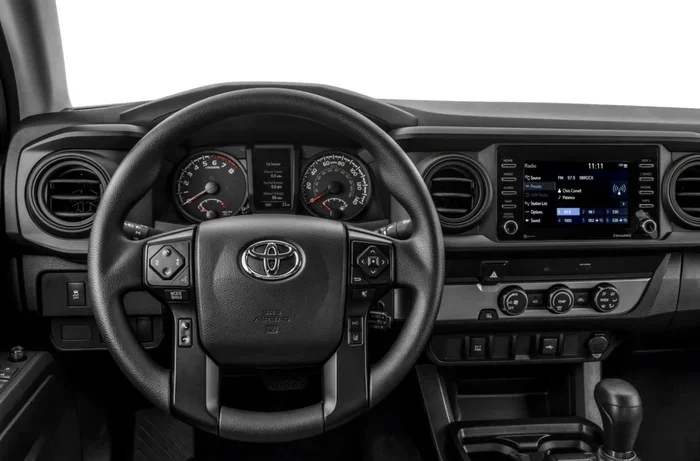
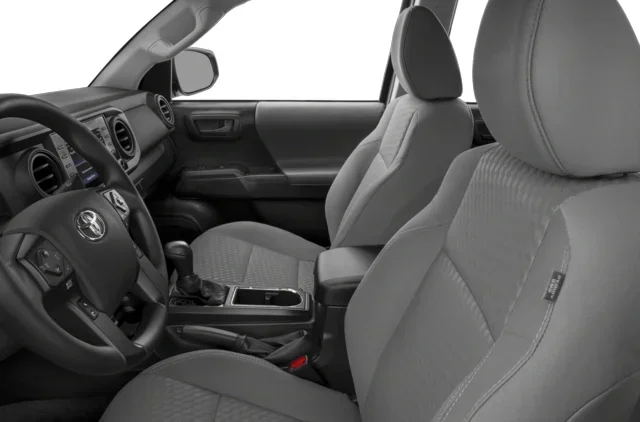
Inside the Tacoma, you will find durable materials throughout. The seats use tough fabric that resists tearing and staining. The dashboard and door panels are made from hard plastics that do not crack easily. Even after years of daily use, the interior often looks and feels solid.
The center console and shift knob are built to handle constant use. Door handles and window switches are tested for thousands of cycles. Toyota builds the interior with the same attention to detail as the rest of the truck. This is a big reason why the cabin of an older Tacoma still feels functional and reliable.
Engine and Powertrain Longevity
The heart of any truck is its engine. The Toyota Tacoma has used two main engines over the years. Both are known for reliability and longevity. The 2.7-liter four-cylinder and the 3.5-liter V6 each have their strengths.
The 2.7L Four-Cylinder Engine
The 2.7L engine is simple and straightforward. It uses a cast iron block and aluminum heads. This engine is not the most powerful, but it is incredibly reliable. Many owners report 250,000+ miles without major engine repairs. The maintenance schedule is simple and affordable. Oil changes, spark plugs, and timing chain inspections keep it running strong.
One of the best things about this engine is its parts availability. Because it was used for so long, replacement parts are easy to find and inexpensive. This keeps long-term ownership costs low.
The 3.5L V6 Engine
The 3.5-liter V6 is the more popular choice. It delivers significantly more power and towing capability. Toyota designed this engine with durability in mind. The block is cast aluminum, and the internals are built to handle stress. Most owners see 200,000 to 300,000 miles with proper maintenance.
This engine does require more attention than the 2.7L. Regular oil changes are critical. The V6 also uses a timing chain that should be inspected around 100,000 miles. Catching issues early prevents expensive repairs later. Overall, the 3.5L V6 is a strong and trustworthy powerplant.
Transmission Reliability
The Tacoma has been paired with two main transmissions. Older models use a five-speed automatic. Newer models use a six-speed automatic. Both transmissions are known for being robust. The five-speed is simpler and often lasts the life of the truck. The six-speed is more refined and handles the V6 power well.
Manual transmissions are also available and are extremely durable. A well-maintained manual gearbox can go 300,000 miles or more. The key is regular fluid changes. Transmission fluid breaks down over time. Fresh fluid keeps everything shifting smoothly and prevents wear.
Real-World Mileage and Lifespan Expectations
So how many miles can you really expect from a Toyota Tacoma? The answer might surprise you. With proper care, this truck can easily exceed 200,000 miles. Some owners push well past 300,000 miles without major issues.
When looking at how long is 200000 miles on a car, the Tacoma stands out. It is one of the few trucks where 200,000 miles is considered mid-life, not end-of-life. The Toyota Tacoma lifespan is impressive compared to competitors in the mid-size truck segment.
Several factors influence how long a Tacoma lasts. Driving habits play a big role. Regular maintenance is essential. Climate matters too. Trucks in salty coastal areas may face more corrosion. But overall, the Tacoma is built to go the distance.
Many owners use their Tacomas as daily drivers for 10 to 15 years. The truck handles commuting, hauling, and towing without breaking down. This kind of reliability is what makes the Tacoma one of the best-selling trucks in America.
Maintenance Schedule That Maximizes Durability
Keeping a Tacoma durable comes down to following a maintenance schedule. Here are the key tasks that owners should never skip:
- Oil Changes: Every 5,000 to 7,500 miles with conventional oil
- Transmission Fluid: Every 60,000 to 90,000 miles
- Coolant Flush: Every 50,000 miles
- Brake Inspections: Every 15,000 miles
- Timing Chain Check: Around 100,000 miles for the 3.5L V6
- Suspension Components: Inspect every 30,000 miles
Following this schedule keeps everything running smoothly. It also catches small problems before they become big ones. The cost of maintenance is much lower than the cost of major repairs.
Common Durability Issues and How to Avoid Them
No truck is perfect. The Tacoma has a few known issues that owners should be aware of. Knowing about them early helps you prevent or address problems before they worsen.
Rust and Corrosion
Rust is the most common durability complaint for older Tacomas. The rocker panels, wheel arches, and bed corners are vulnerable spots. If you live near the coast or use salt on roads, rust can develop faster. The best prevention is regular washing, especially in winter months. Applying an undercoating or rust inhibitor also helps protect the undercarriage.
Transmission Concerns
While the transmissions are generally reliable, some owners report rough shifting at higher mileages. This is more common in the six-speed automatic. Regular fluid changes are the best defense. If you notice slipping or hesitation, get it checked immediately. Early intervention saves thousands in potential repairs.
Suspension Wear Over Time
The Tacoma is a truck, and trucks take a beating. The front suspension uses control arms and ball joints that wear over time. Rough terrain accelerates this wear. If you use your Tacoma off-road, inspect the suspension more frequently. Replacing worn components keeps the truck handling safely and comfortably.
Exhaust System Corrosion
The exhaust system is exposed to road debris, moisture, and heat. Mufflers and pipes can rust through, especially on older models. Stainless steel exhaust upgrades are a popular modification. They resist corrosion better than factory parts and last longer.
Tacoma Durability Compared to Competitors
How does the Tacoma stack up against other mid-size trucks? Let us take a quick look.
- Chevrolet Colorado: Good durability but higher repair costs
- Ford Ranger: Decent reliability but shorter track record
- Honda Ridgeline: Reliable but not as rugged for towing
- Nissan Frontier: Comparable but less refined
The Tacoma consistently ranks at or near the top for durability in this class. Its combination of build quality, reliability, and low repair costs makes it a standout choice. When you compare the Toyota Tacoma durability to the competition, the advantage is clear.
The Tacoma also holds its value better than most competitors. This is directly tied to its reputation for durability. Buyers know a used Tacoma will last for years. That demand keeps prices strong in the used market.
Expert Tips for Maximizing Tacoma Durability
Want your Tacoma to last as long as possible? Follow these expert tips.
- Keep up with oil changes. Fresh oil is the single most important factor in engine longevity.
- Wash the undercarriage regularly. This removes salt, mud, and debris that cause corrosion.
- Do not ignore small noises. A squeak or rattle today can become a major repair tomorrow.
- Use quality parts. OEM Toyota parts are designed specifically for your truck. Aftermarket parts vary widely in quality.
- Store the truck properly. If it sits for long periods, use a battery tender and fuel stabilizer.
- Drive smoothly. Aggressive driving puts extra stress on the engine, transmission, and suspension.
These simple habits add years to your Tacoma’s life. They cost very little but pay off enormously over time. Think of maintenance as an investment, not an expense.
Why the Toyota Tacoma Is a Smart Long-Term Investment
The Toyota Tacoma is more than just a truck. It is a long-term investment. Its durability means you will not need to replace it often. The low cost of ownership makes it attractive for budget-conscious buyers. And the strong resale value means you lose less money when it is time to sell.
Many owners buy a Tacoma and keep it for 10 to 15 years. That kind of loyalty is rare in the automotive world. It speaks to the truck’s overall quality and the trust people place in the Toyota brand. When you combine durability with utility and capability, you get a truck that is hard to beat.
If you are considering a Tacoma, know that you are buying a vehicle built to last. Whether you need it for work or play, this truck delivers. Its Toyota Tacoma reliability is proven by millions of miles of real-world use. Few trucks can match what the Tacoma offers.
Final Thoughts on Toyota Tacoma Durability
The Toyota Tacoma earns its reputation as one of the most durable trucks on the market. From its strong frame to its reliable engines, every aspect is built with longevity in mind. Regular maintenance keeps it running strong for hundreds of thousands of miles.
Yes, there are a few common issues to watch for. Rust and suspension wear are the main concerns. But both are manageable with proper care. Overall, the Tacoma is a truck that rewards owners who take good care of it.
If you want a truck that will serve you for many years, the Tacoma is one of the best choices you can make. Its durability, reliability, and value make it a standout in every category. You really cannot go wrong with this truck.
For more information on Toyota Tacoma reliability and what owners experience over time, check out our guide on average life of a Toyota Sequoia for related Toyota durability insights. Also, understanding how long 200000 miles is on a car helps put the Tacoma’s lifespan into perspective, which we cover in our dedicated article on mileage expectations. Finally, if you are wondering about Toyota truck reliability in real-world ownership, our piece on Toyota Camry mileage offers valuable context on how Toyota engines hold up over time.
Frequently Asked Questions
How many miles can a Toyota Tacoma last?
A well-maintained Toyota Tacoma can last 200,000 to 300,000 miles or more. The engine and transmission are built to handle high mileage. Regular oil changes and maintenance are the key factors that determine how long your Tacoma will last.
Are Toyota Tacomas reliable for daily driving?
Yes, the Tacoma is an excellent daily driver. It is comfortable, reliable, and efficient enough for everyday use. Many owners drive their Tacomas 15,000+ miles per year without major issues. The truck handles commuting, errands, and road trips with ease.
What is the most common durability problem with the Tacoma?
Rust is the most common durability issue, especially on older models. The rocker panels and wheel wells are most vulnerable. Regular washing and undercoating help prevent this. Newer models have significantly better corrosion protection than earlier generations.
Does the Tacoma hold its value over time?
The Tacoma holds its value better than almost any other truck. Its reputation for durability keeps demand high in the used market. Even after several years of ownership, a Tacoma retains a large percentage of its original value. This makes it a smart financial choice.
Is the Toyota Tacoma durable for off-road use?
Yes, the Tacoma is very durable for off-road use. The TRD Off-Road and TRD Pro trims are specifically built for rough terrain. The suspension, skid plates, and underbody are designed to handle abuse. Many owners use their Tacomas for serious off-roading without reliability issues.
How often should I service my Toyota Tacoma?
Follow Toyota’s recommended maintenance schedule for best results. Oil changes every 5,000 to 7,500 miles are essential. Transmission fluid should be changed every 60,000 to 90,000 miles. Regular inspections of brakes, suspension, and fluids keep the truck running strong for years.